Coloring tips: How to color Dog Wearing Glasses coloring page well?
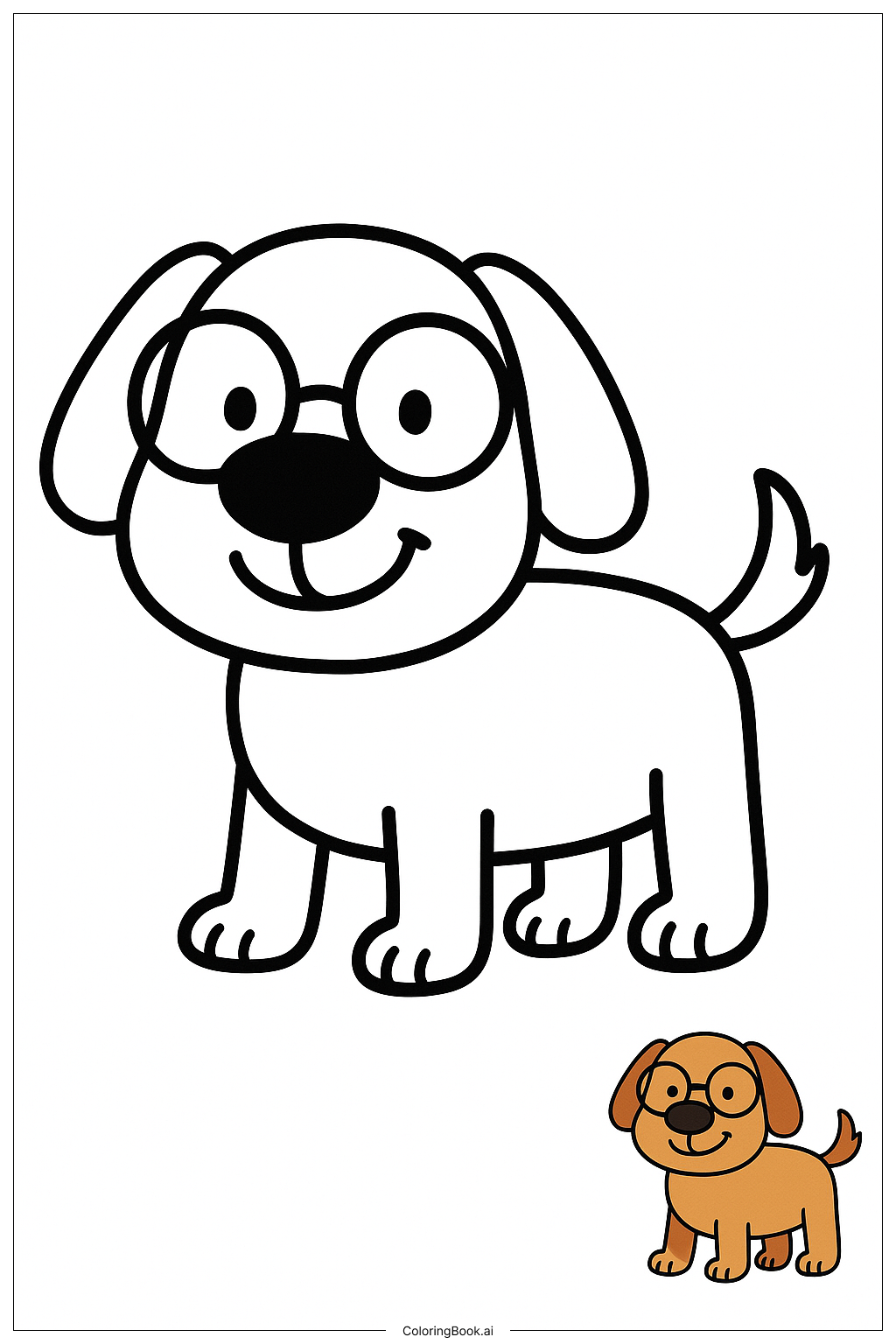
Start with the lightest colors first and work your way to the darker shades. Use warm browns, golden yellows, or creamy whites for the dog's fur to give it a natural and cozy feel. You can also go wild with fantasy colors like lavender or mint if you want a fun, imaginative look. For the glasses frames, try bold colors like red, blue, or tortoiseshell orange to make them pop. Use a soft pink or peach for the inner ears and the nose. Add gentle shading along the edges of the fur to create depth and make the dog look fluffy and three-dimensional. Don't forget the eyes — bright hazel, brown, or even sparkling blue can bring the whole face to life. Keep the background simple with soft pastels or leave it white so the dog stays the star of the page.
Coloring challenges: Which parts are difficult to color and need attention for Dog Wearing Glasses coloring page?
• Fur Texture and Layering: One of the trickiest parts is coloring the dog's fur so it looks soft and natural. Fur is not just one flat color — it has lighter and darker areas depending on where light hits. Try using two or three shades of the same color family and blend them gently to create a fluffy, realistic texture. Short pencil strokes following the direction of the fur will help a lot.
• Glasses Frame Details: The glasses have thin frames and small details like hinges or reflections on the lenses. These small areas require a steady hand and a sharp colored pencil or fine-tipped marker. Filling in the frames neatly without going outside the lines can be challenging, especially at the corners and where the frames rest on the snout.
• Facial Feature Precision: The dog's face has several elements close together — the eyes, nose, mouth, and cheeks. Keeping each area distinct while making sure they all look harmonious takes patience. Use lighter colors for highlights in the eyes to make them look shiny and alive. The nose usually benefits from a slightly darker center with lighter edges.
• Balancing Colors Across the Page: Making sure the overall color palette feels balanced is a subtle but real challenge. If the fur is very warm and golden, the glasses need a color that complements rather than clashes. Thinking about color harmony before you start can save a lot of frustration later and make the finished page look polished and well-planned.
Benefits of coloring books: Advantages of drawing Dog Wearing Glasses coloring page
Coloring this fun dog image offers a wide range of benefits for kids and young artists. First, it builds fine motor skills. Carefully staying inside the lines of the fur and the small glasses frames trains hand muscles and improves pencil control, which also helps with handwriting. Second, it sparks creativity. Choosing colors for the fur, the glasses, and the background encourages kids to make their own artistic decisions and express their unique style. There is no wrong answer, and that freedom builds confidence. Third, it teaches focus and patience. A detailed image like this one requires steady attention, helping children practice concentration in a fun and low-pressure way. Fourth, it introduces basic color theory. Experimenting with shading, blending, and complementary colors on a friendly subject like a dog makes learning about art feel natural and enjoyable. Finally, completing the page gives kids a real sense of accomplishment. Seeing a finished, colorful piece of art that they created themselves is a powerful motivator and boosts self-esteem. This image is a perfect blend of fun and learning.