Coloring tips: How to color Dog Guarding House coloring page well?
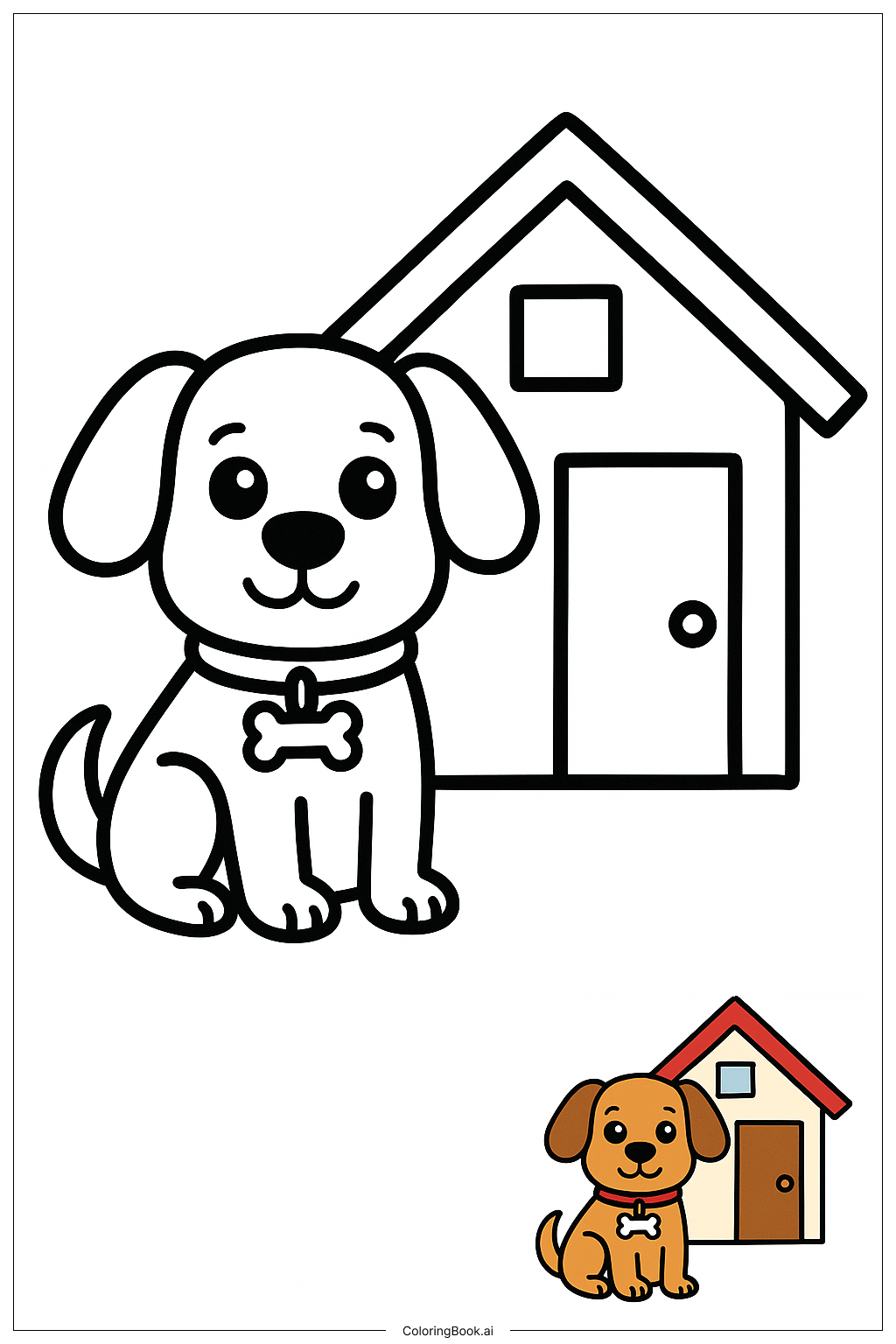
Start with the dog's fur. Use warm shades like golden brown, tan, or cream. You can add darker brown for shadows along the back and legs to give the fur depth. For the house, try a classic look with red or orange for the roof, light yellow or beige for the walls, and brown for the wooden door. Use blue or gray for the windows. The fence or gate can be white or light gray. Add green for the bushes and plants to bring the yard to life. A blue or light purple sky in the background makes the scene feel bright and cheerful. Don't forget small details like a red or silver dog bowl and a brown dirt path. Use shading with slightly darker tones to make each part of the image stand out. Have fun mixing colors to make your dog and house look unique and full of personality!
Coloring challenges: Which parts are difficult to color and need attention for Dog Guarding House coloring page?
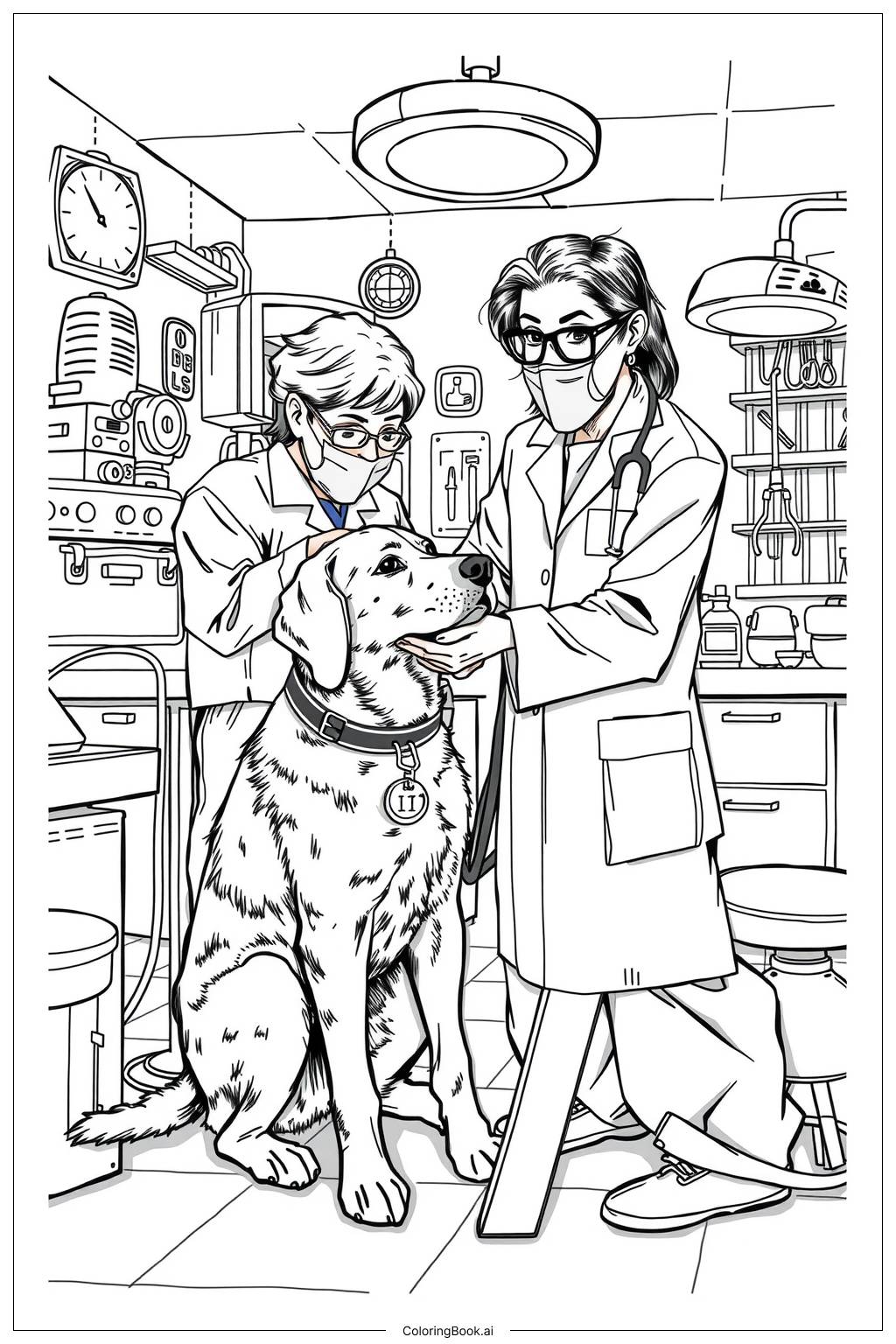
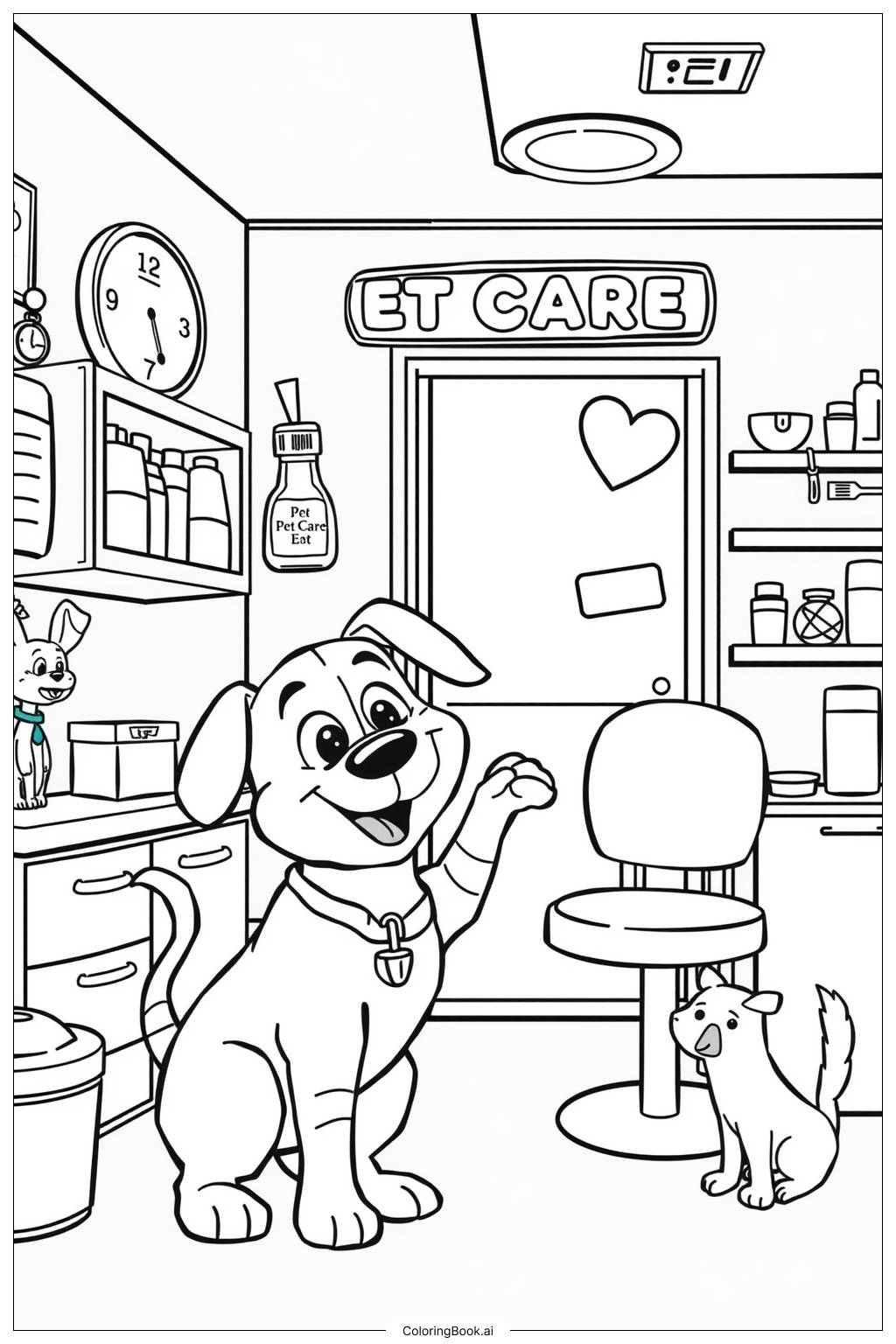
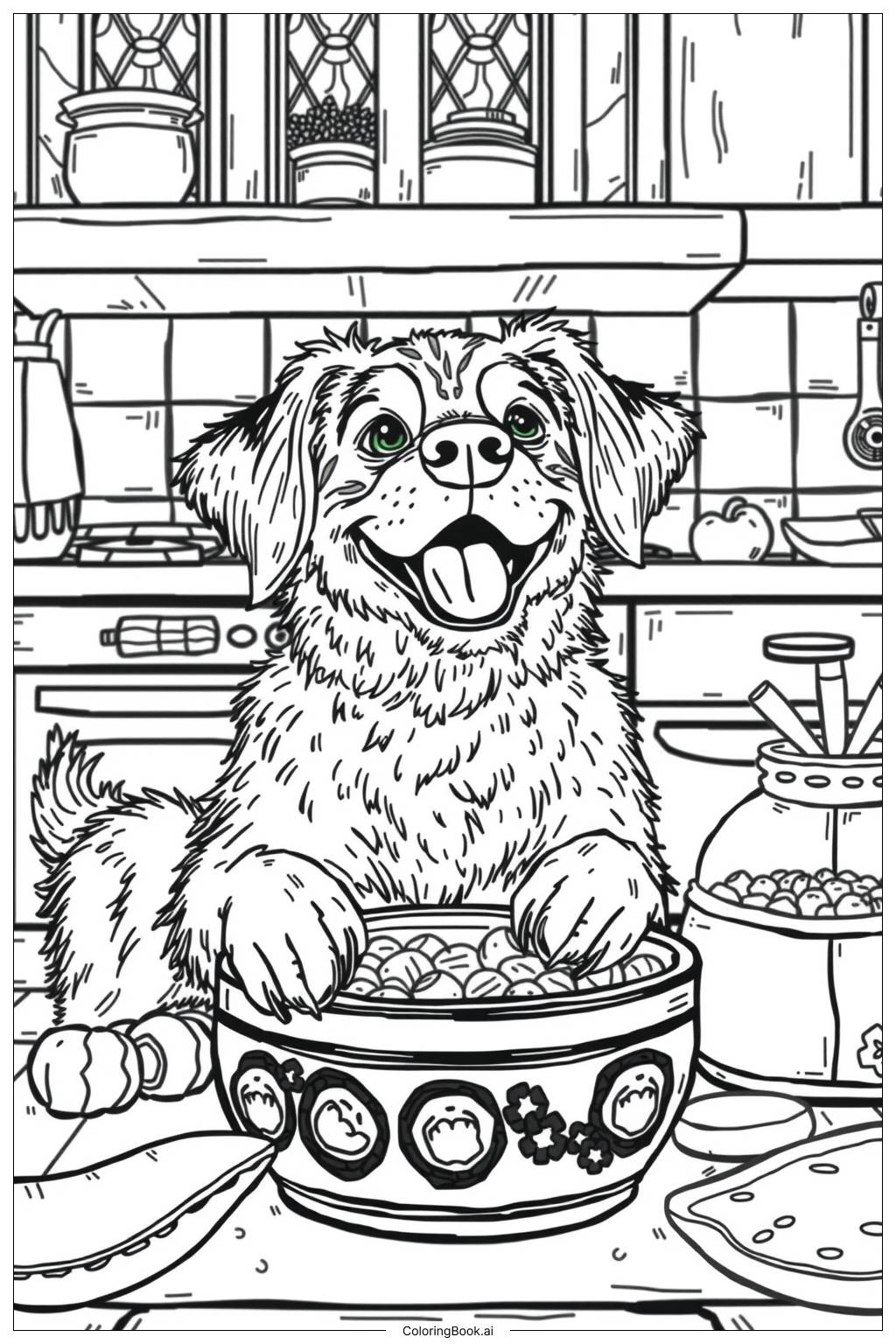
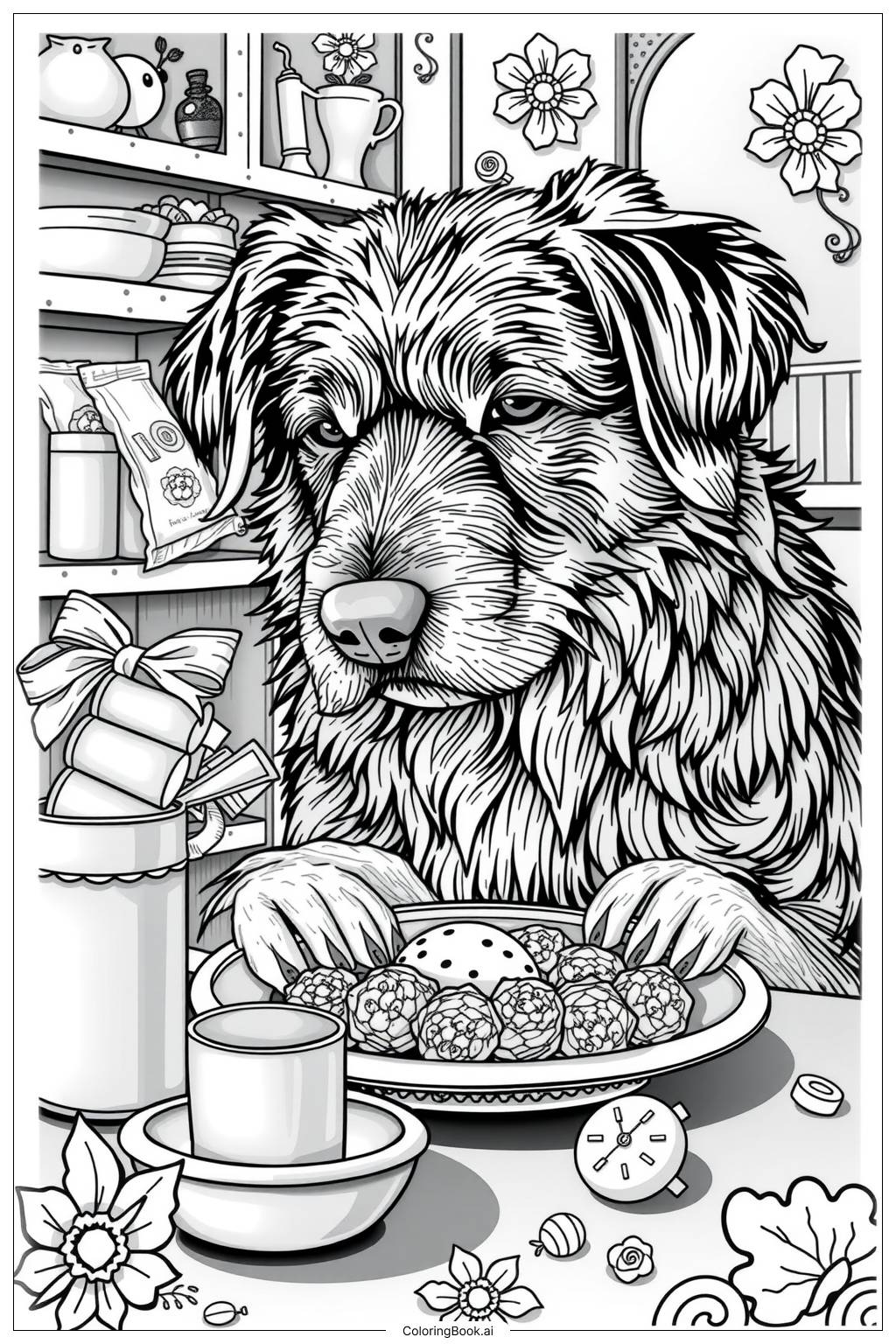
• Dog Fur Texture: The dog's coat has many fine lines and layered details that represent fur. Staying within these small areas while blending multiple shades of brown, tan, or gray to create a realistic fur effect can be tricky, especially for younger colorists. Take your time and use short, light strokes that follow the direction of the fur lines.
• Facial Expression Details: The dog's face includes small features like the eyes, nose, and mouth. These areas are very close together and require a steady hand. Using a sharp pencil or fine-tipped marker will help you color these details neatly without accidentally going outside the lines.
• Background Architecture: The house in the background has multiple sections, including the roof, walls, windows, door, and possibly a fence or gate. Each part needs a different color, and keeping those colors clean and separate without blending into each other requires patience and careful work.
• Depth and Shading: Creating a sense of distance between the dog in the foreground and the house in the background is a real challenge. Using lighter colors for the background and darker, bolder colors for the dog helps create visual depth and makes the image look three-dimensional.
• Small Surrounding Details: Items like bushes, plants, a pathway, or a dog bowl are small and tightly packed. Coloring these tiny spaces neatly without smudging nearby areas takes careful control, particularly when switching between multiple colors in a small region.
Benefits of coloring books: Advantages of drawing Dog Guarding House coloring page
Coloring this Dog Guarding House page offers a wonderful range of benefits for kids and young learners. First, it helps build fine motor skills. Carefully coloring the dog's fur, the house details, and small background elements trains little hands to move with precision and control. This directly supports handwriting and other hands-on activities. Second, it encourages creativity. Choosing colors for the dog's coat, the house walls, and the yard lets children express their imagination and develop their own sense of style. There is no single right answer, which builds confidence. Third, it teaches focus and patience. Completing a detailed scene like this one takes time and attention, helping children practice staying on task. Fourth, this image sparks conversations about loyalty, responsibility, and caring for pets. It can be a great starting point for kids to talk about animals and what it means to have a pet dog. Finally, finishing the page gives a strong sense of accomplishment, boosting self-esteem and encouraging children to take on new creative challenges. Coloring is simple, fun, and deeply rewarding!