Coloring tips: How to color Divine Mercy Sanctuary Altarpiece coloring page well?
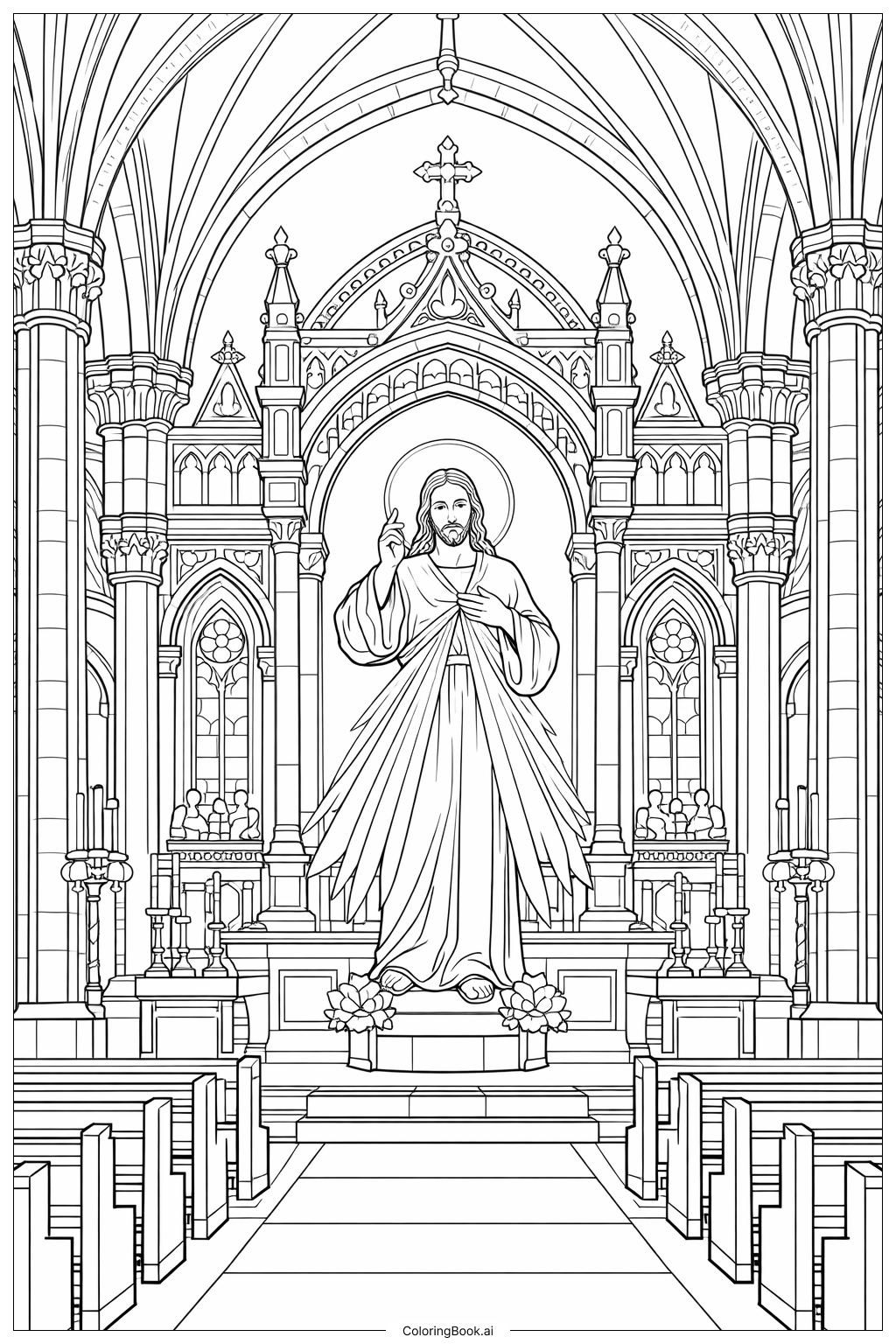
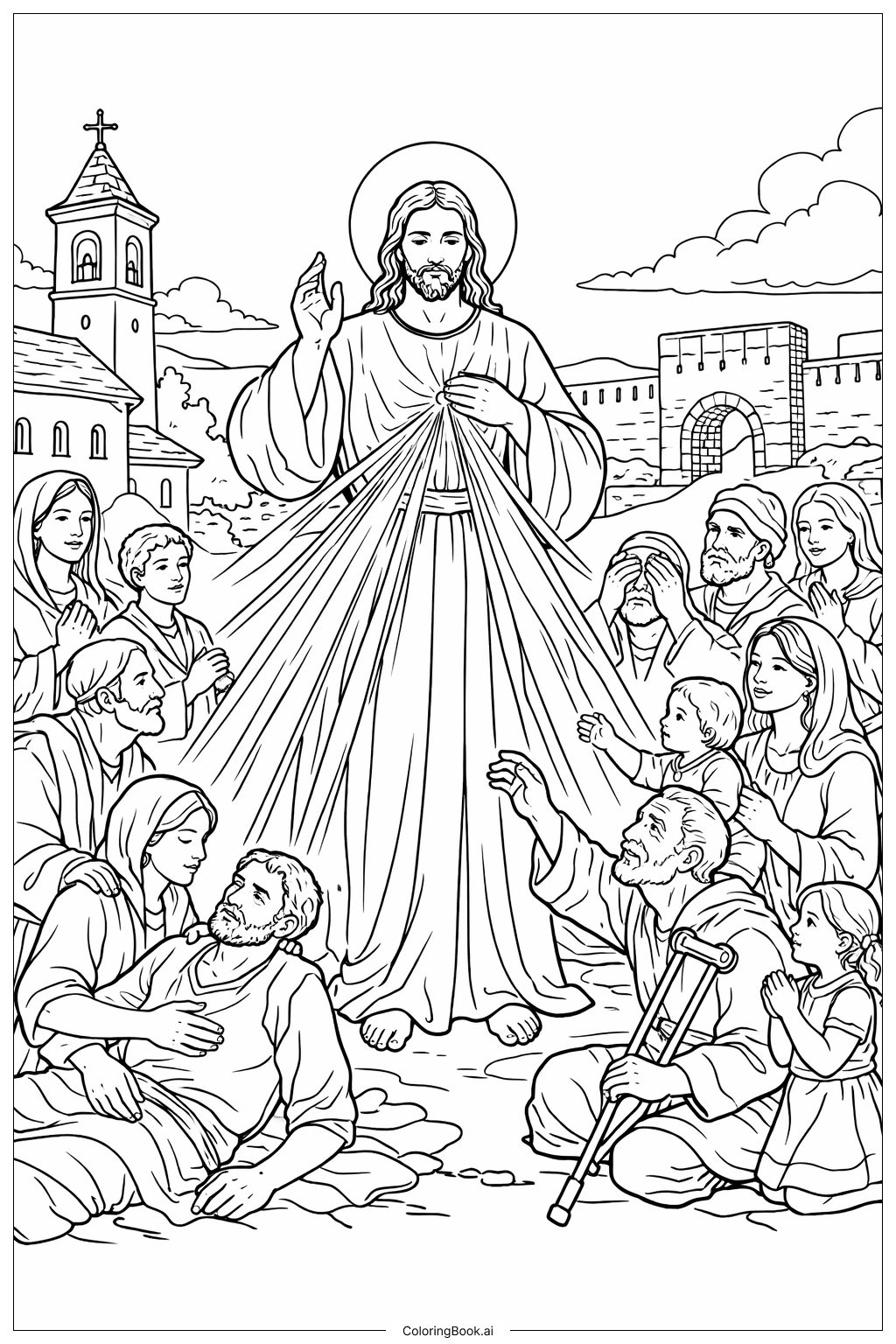
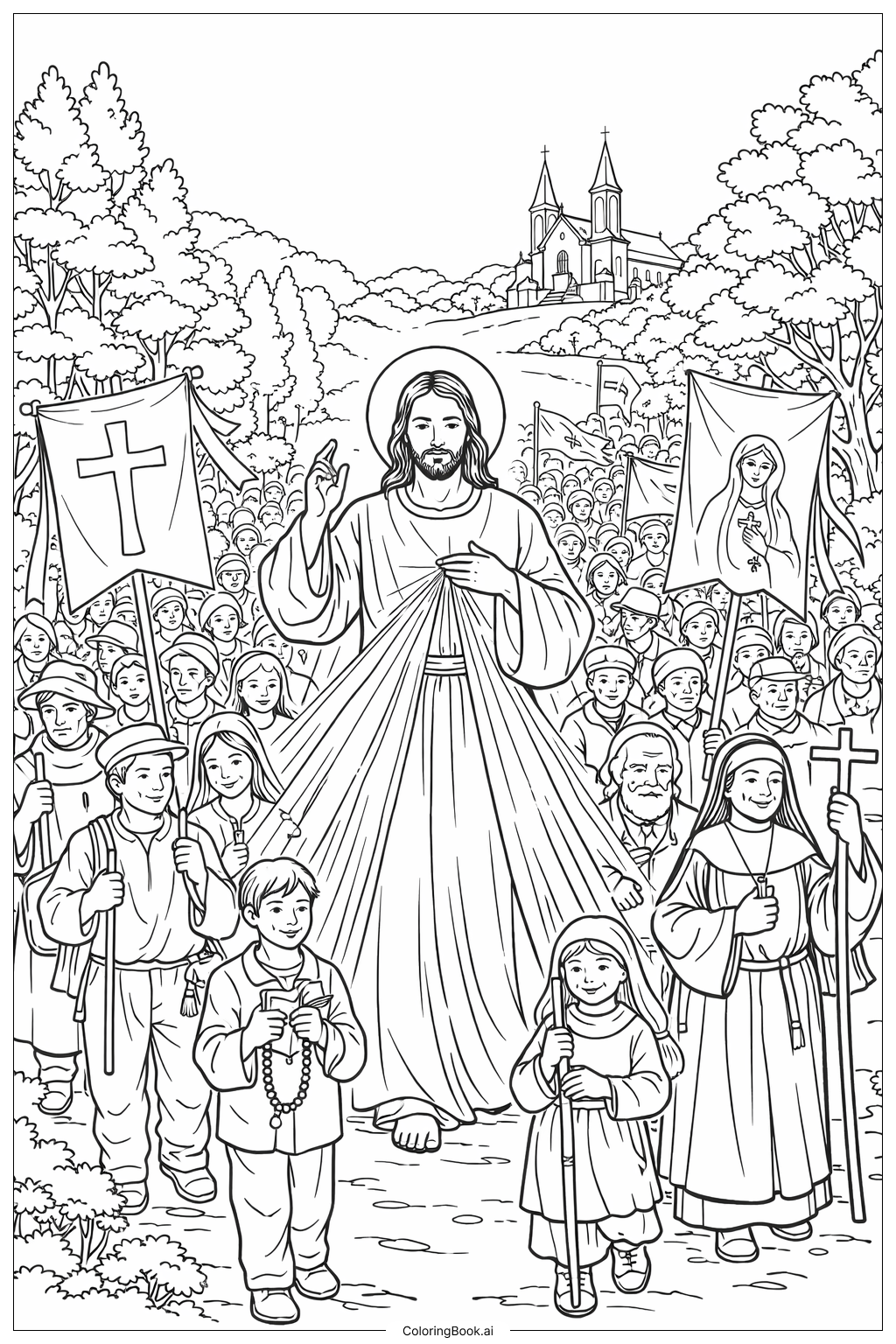
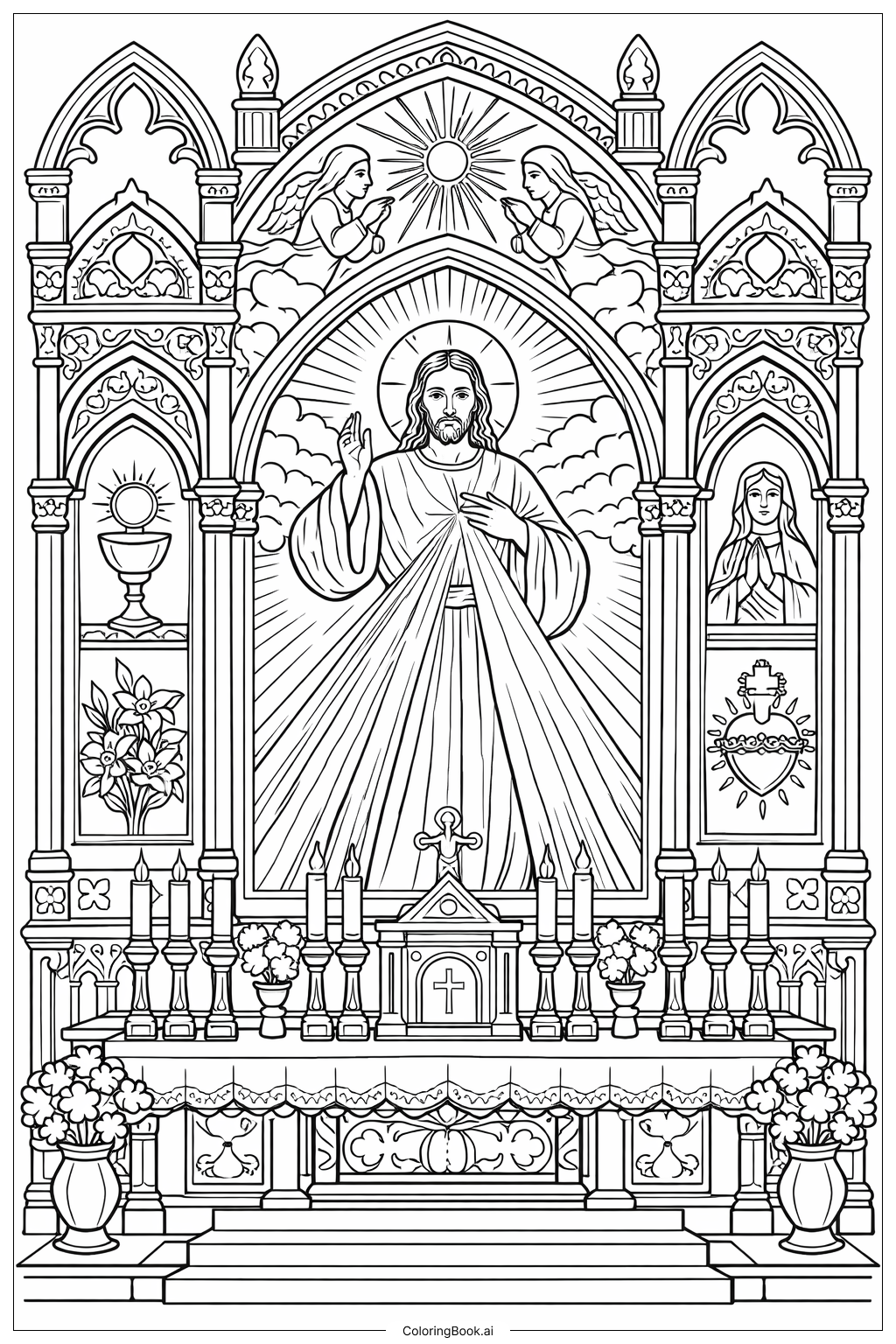
Start by using soft pastel colors for the light rays coming from the heart to highlight their gentle and divine nature. You can choose shades of blue, red, and white for these rays to represent mercy, love, and purity. For Jesus’ robe, try calming colors like white or cream with touches of light blue or gold for a sacred effect. The floral decorations can be colored with natural greens and bright flowers like reds, yellows, and blues to bring life to the details. Use muted earth tones for the sanctuary’s architecture to create a warm, peaceful background. Remember to stay within the lines to keep the details clear, and feel free to blend colors gently to emphasize the glowing effect of the light around Jesus.
Coloring challenges: Which parts are difficult to color and need attention for Divine Mercy Sanctuary Altarpiece coloring page?
• Fine Details: The intricate flowers and decorative patterns require careful coloring within small areas, which can be tricky for younger children. Steady hands will help keep the design neat.
• Light Rays: Coloring the rays of light involves blending soft colors smoothly to show their glowing effect. Achieving this gradient look with pencils or markers can be challenging.
• Facial Features: Jesus’ face has subtle lines and expressions that need gentle shading rather than bold strokes, needing precision and attention.
• Architectural Elements: The background arch and columns include many small, repetitive shapes that require patience to color consistently without mixing colors unintentionally.
• Balancing Colors: Combining bright jewel tones for flowers and soft pastel shades for the light rays while keeping the overall harmony may be difficult but important for visual impact.
Benefits of coloring books: Advantages of drawing Divine Mercy Sanctuary Altarpiece coloring page
Coloring this Divine Mercy Sanctuary Altarpiece helps children and adults focus and practice fine motor skills due to the detailed design. It encourages mindfulness and calm as the spiritual theme invites quiet reflection. Young artists learn how to blend colors and use shading techniques to bring out the glowing rays and facial expressions. This activity also builds patience and concentration while making creative color choices. Ultimately, coloring this image can deepen appreciation for religious art and the message of mercy while providing a peaceful, rewarding experience.