Coloring tips: How to color Divine Mercy Child coloring page well?
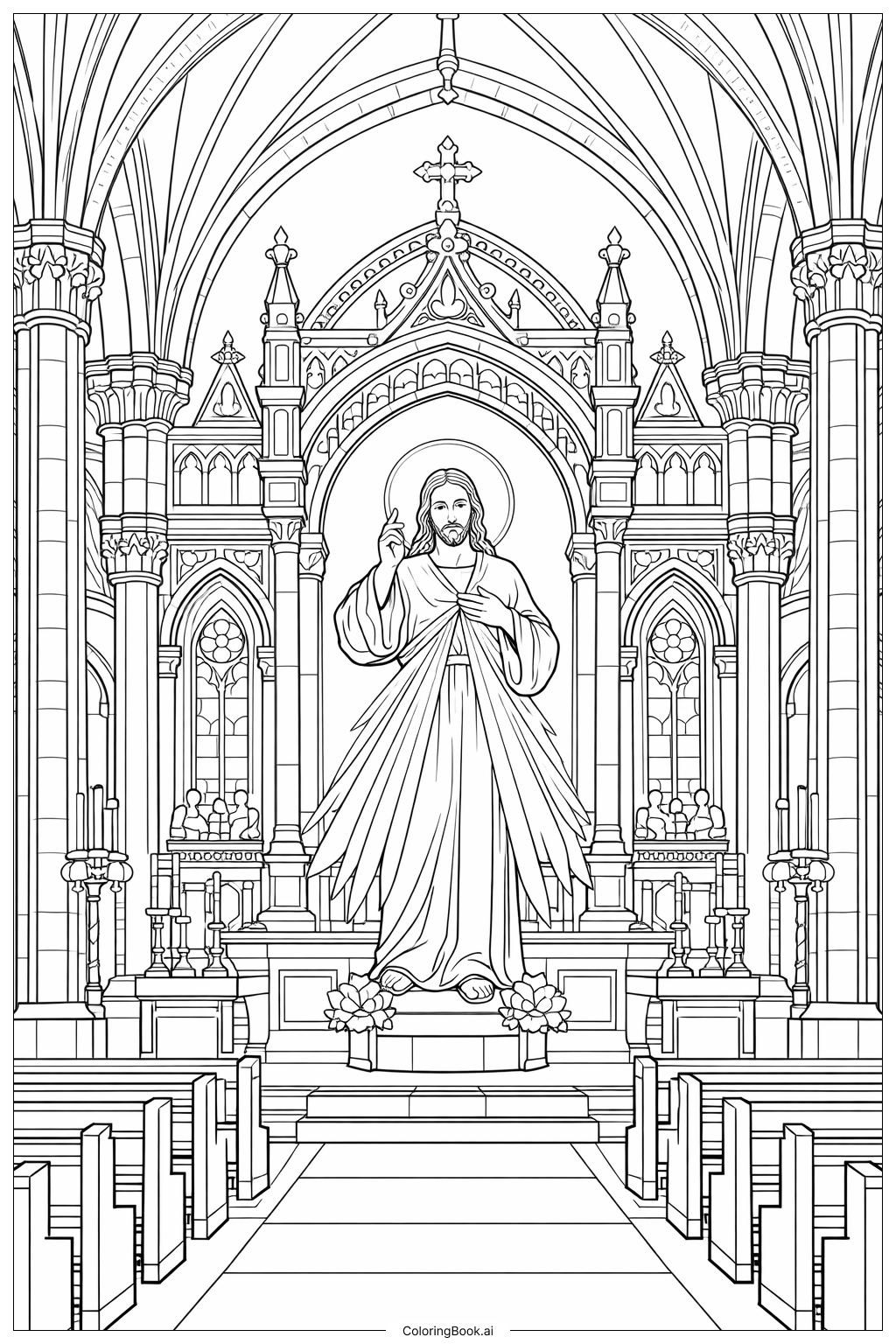
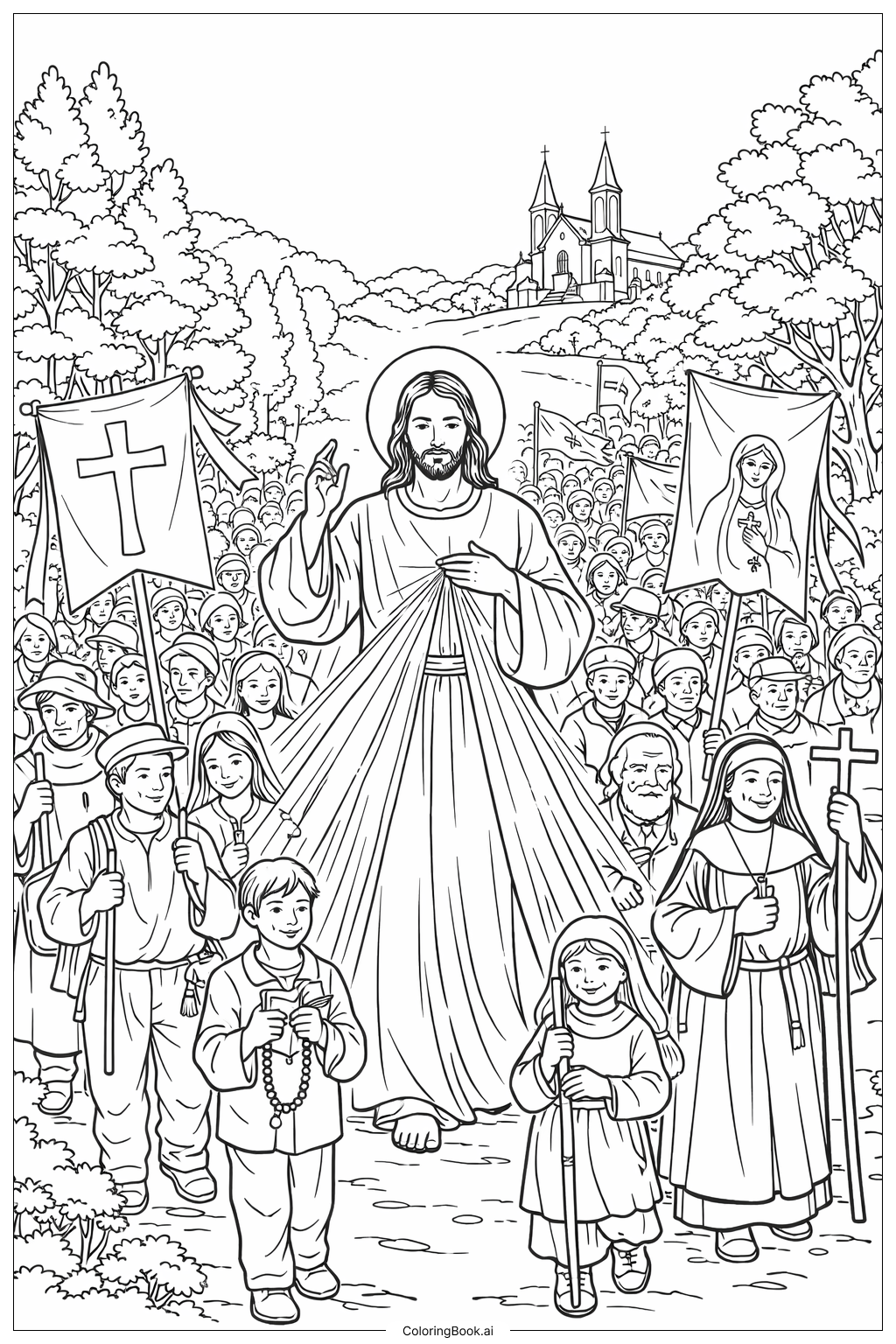
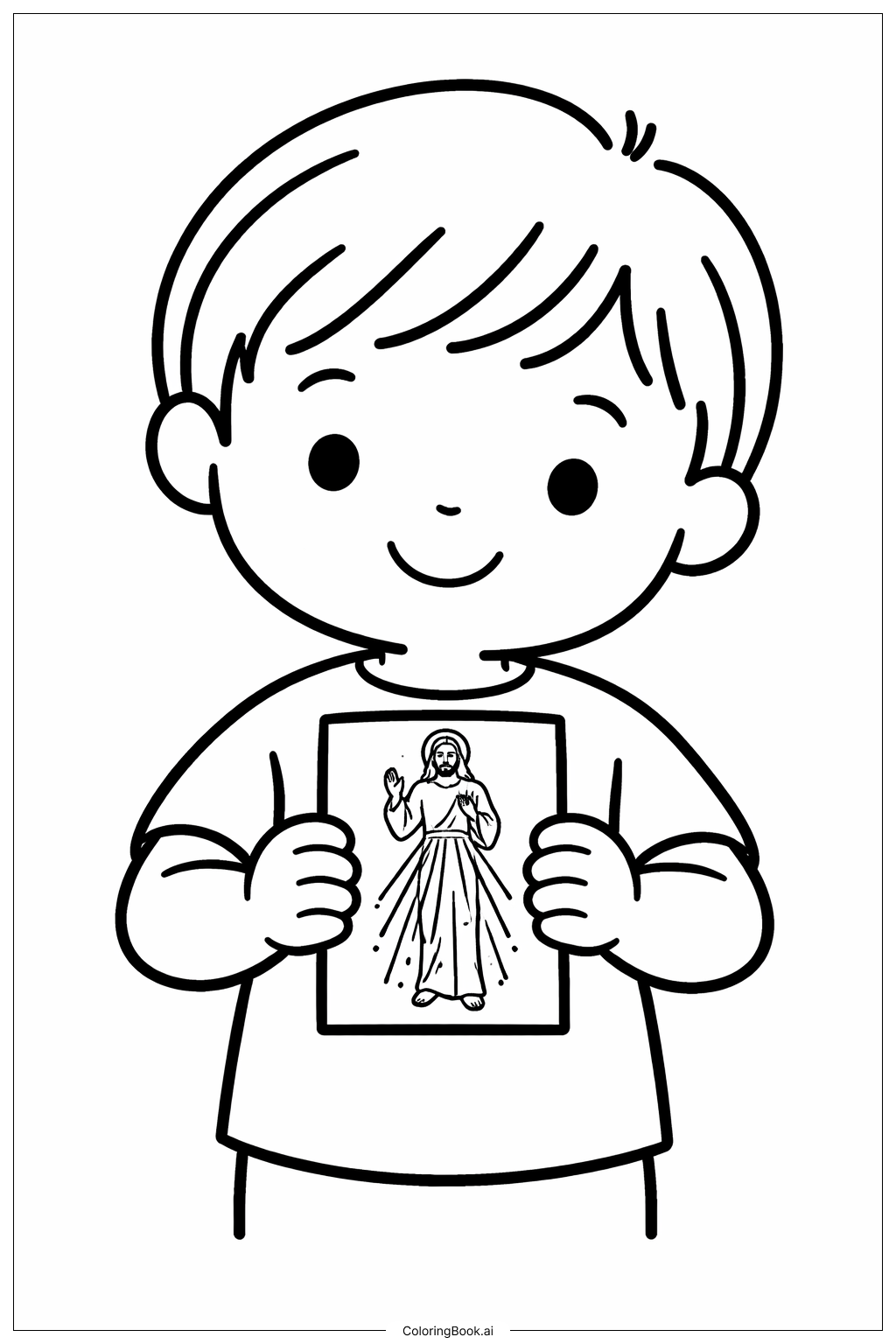
Use soft and light colors to bring a gentle feeling to the Divine Mercy Child image. For the child’s robe, consider pale cream or soft white with slight shading to suggest folds. The rays behind the child are important: color one stream red to represent mercy, and the other pale blue to show healing and peace. These two colors can be bright but softened around the edges for a glowing effect. Use skin tones that match the child’s natural complexion. The background can be left lighter or filled with light pastel colors to keep focus on the child and the mercy rays. Try blending colors gently where the rays meet to create a smooth transition that reflects warmth.
Coloring challenges: Which parts are difficult to color and need attention for Divine Mercy Child coloring page?
• Fine Ray Details: The image has multiple thin rays radiating from behind the child, requiring careful and precise coloring to stay within the lines and keep the glowing effect intact.
• Subtle Facial Features: Coloring the child’s face needs attention to small areas like eyes, mouth, and nose, which are delicate and impact the expression’s kindness.
• Gradual Color Transitions: The red and blue rays overlap slightly, which can be challenging to blend smoothly without hard lines.
• Robe Folds and Flow: The child’s robe has soft folds and curves, demanding attention to shading and highlights to show depth.
• Simple Background Balance: While mostly plain, the few decorative elements around the rays require thoughtful coloring so they complement but don’t overpower the central figure.
Benefits of coloring books: Advantages of drawing Divine Mercy Child coloring page
Coloring this Divine Mercy Child image helps children improve fine motor skills and hand-eye coordination as they work carefully on small details and smooth transitions. It encourages focus and patience while blending the rays’ colors softly. Engaging with this spiritual image can foster a sense of peace and kindness, helping children connect with themes of mercy and hope. Coloring the gentle expression of the child supports emotional recognition and empathy. Additionally, this activity stimulates creativity through color choices while providing a calming and reflective experience suitable for all ages up to sixteen.