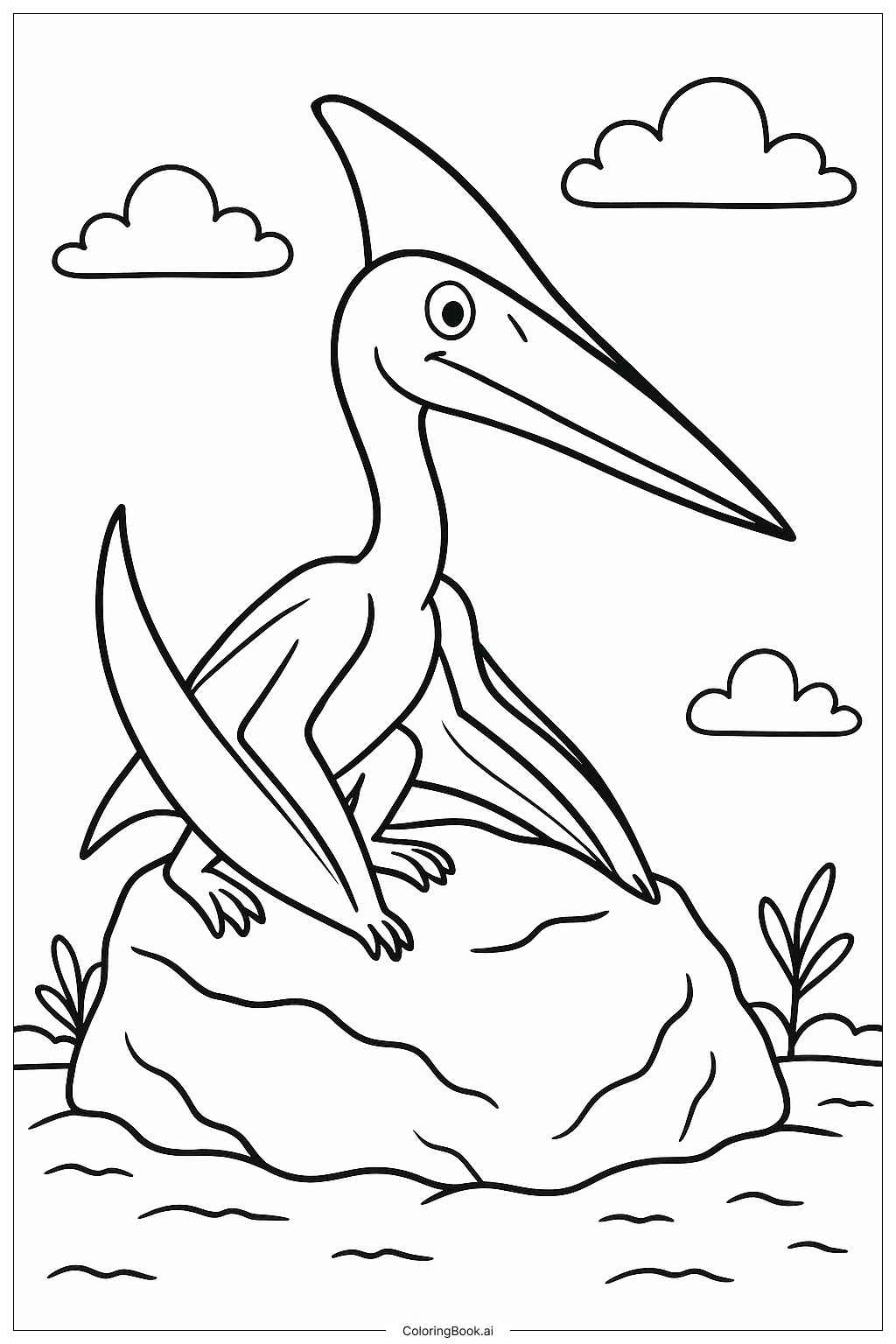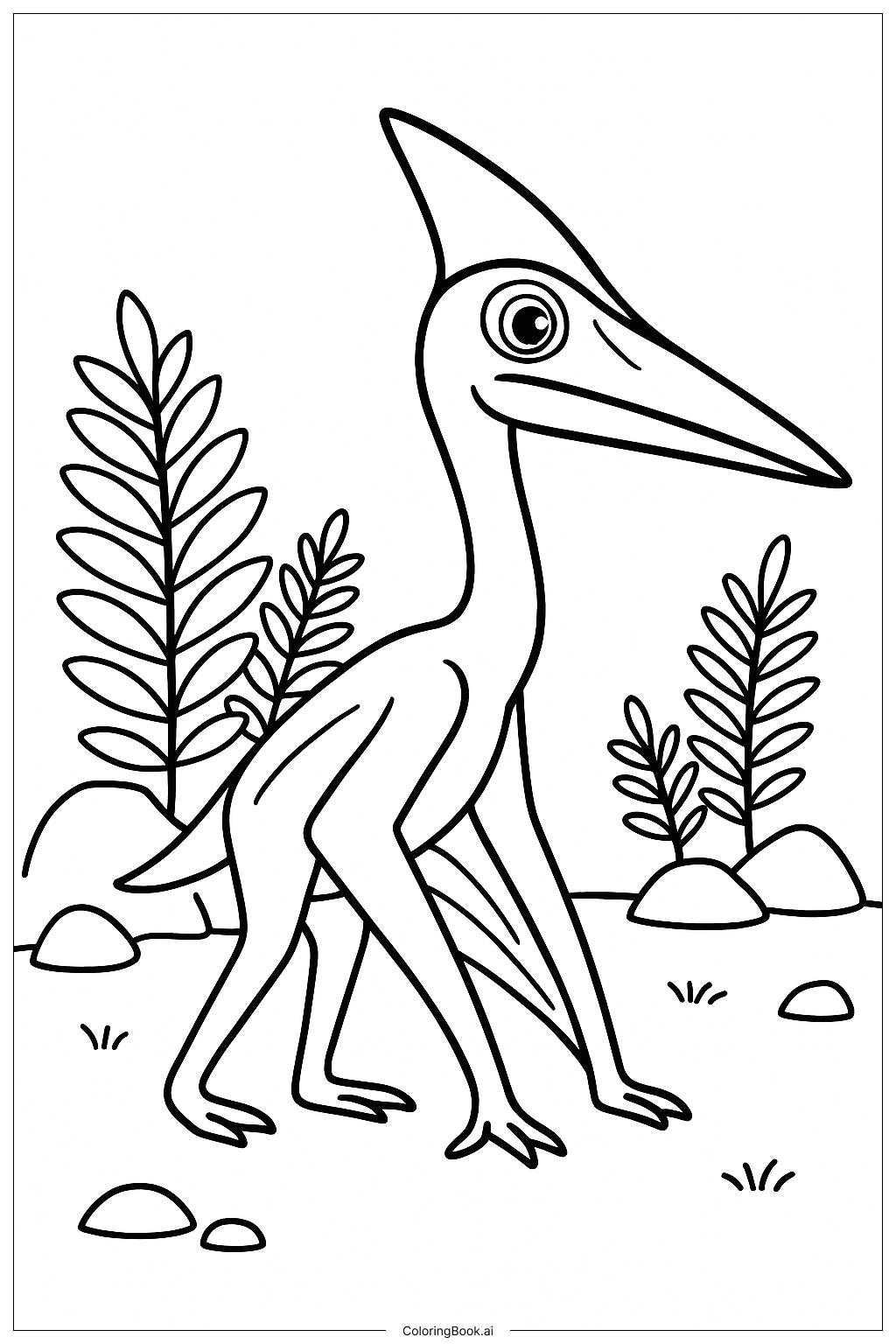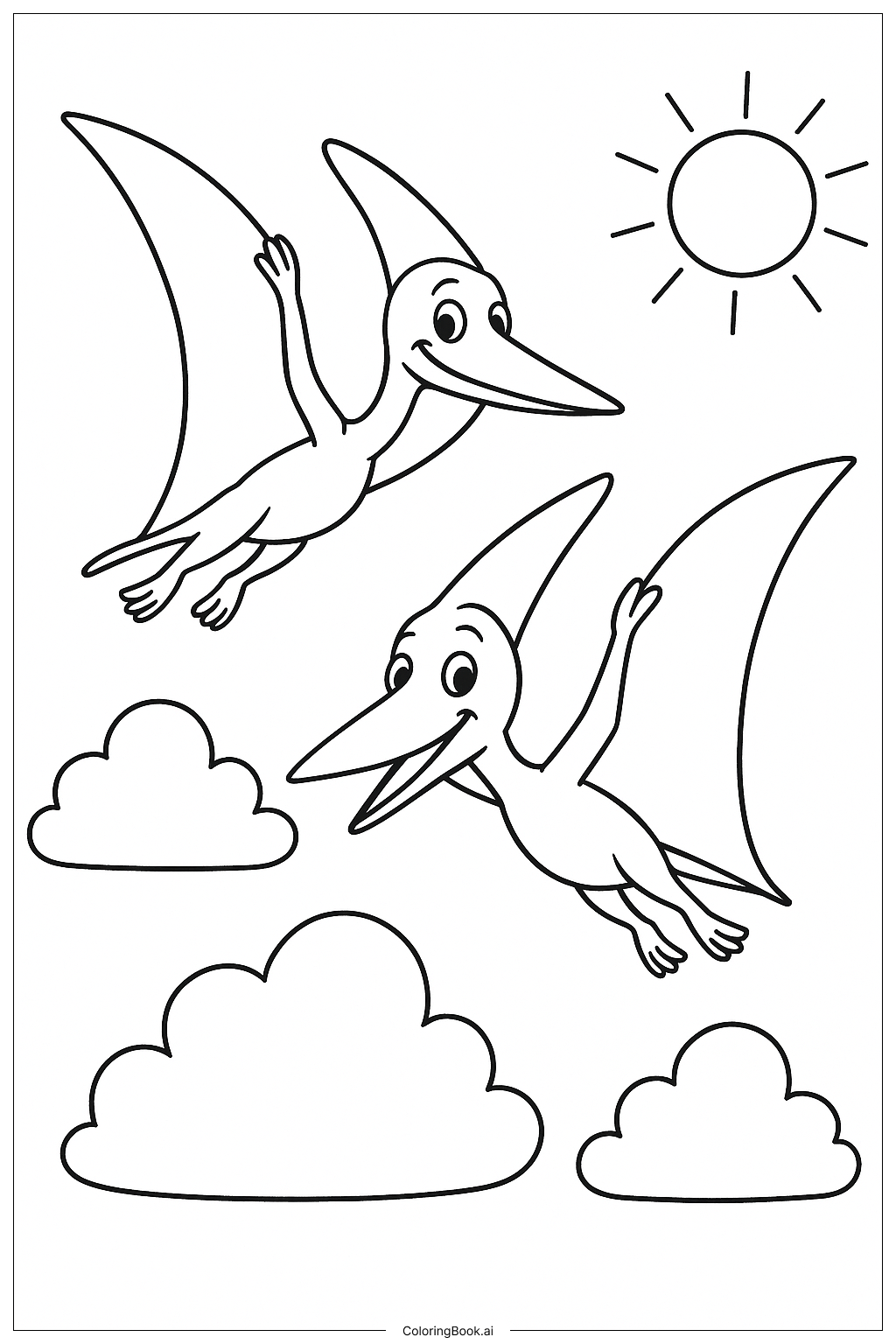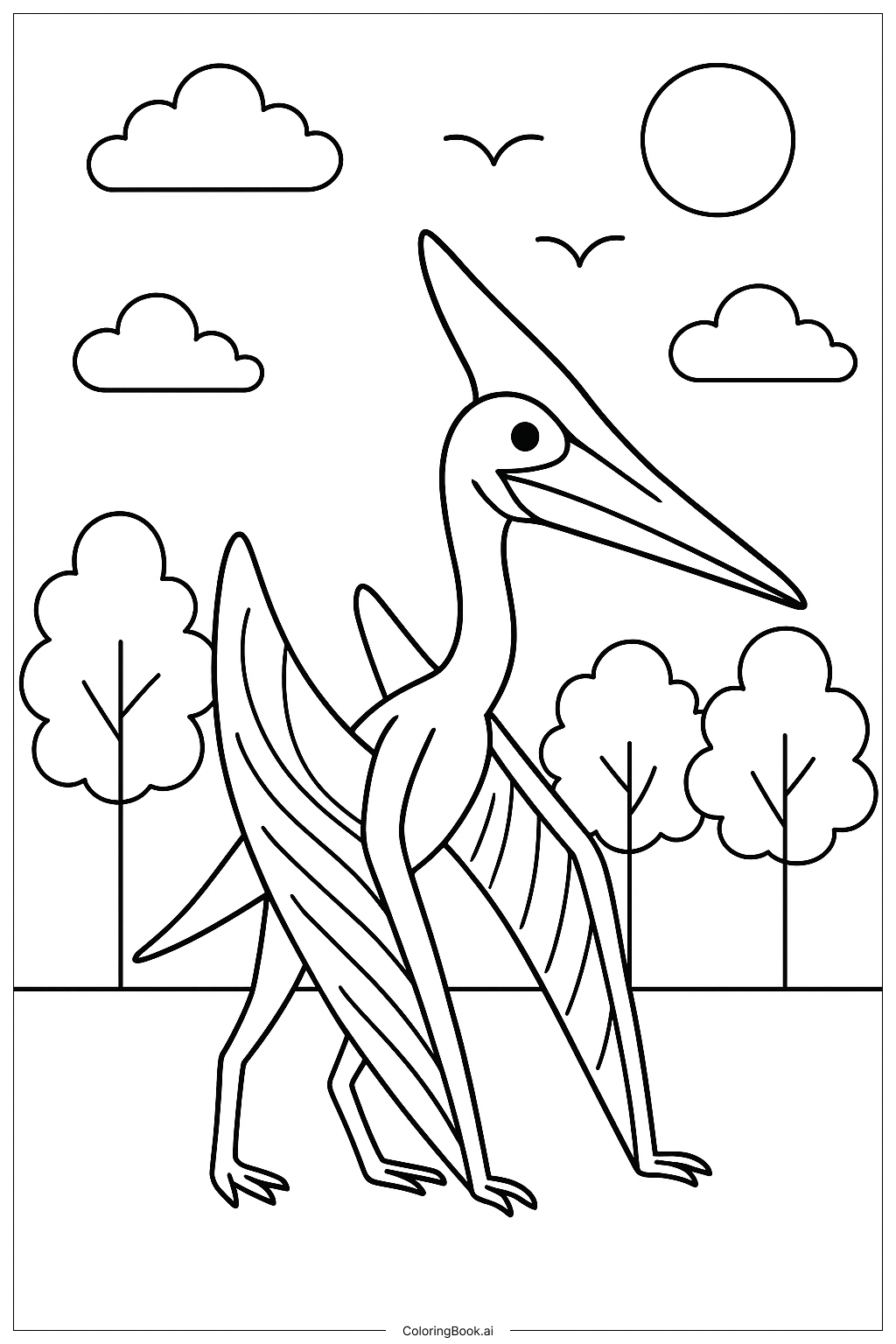
Coloring tips: How to color A Quetzalcoatlus With Detailed Wings coloring page well?
Start with the large wings. Use warm earth tones like tan, sandy brown, or rust orange for the wing membranes. Add darker shading along the veins and creases to give the wings depth. For the body, try a slightly darker shade like olive green or deep brown to separate it from the wings. The long beak can be a pale yellow or ivory color. Color the head crest with a bold accent color like red or bright orange to make it stand out. Use dark gray or black for the claws. Add light blue or purple shading to the shadows under the wings. If you want a dramatic look, try a sunset sky background using oranges, pinks, and purples. Younger colorists can keep it simple with just a few flat colors. Older colorists can practice blending and layering to bring the wing textures to life.
Coloring challenges: Which parts are difficult to color and need attention for A Quetzalcoatlus With Detailed Wings coloring page?
• Wing Membrane Texture: The wings are covered with detailed vein lines and membrane folds. Staying inside these fine lines is tricky. Coloring each section with smooth, even strokes without smudging nearby areas requires patience and a sharp colored pencil or fine-tipped marker. Blending shading across the large membrane surface while keeping the vein details visible is one of the biggest challenges on this page.
• Large Surface Area: The wingspan takes up most of the page. Filling such a big area evenly without streaks or blotches can be hard. Using broad strokes with crayons or markers helps, but keeping the color consistent from one side to the other takes care and steady pressure.
• Head Crest and Fine Facial Details: The head crest is a narrow, swept-back structure with delicate lines. Coloring it neatly without bleeding into the neck or beak area is difficult. The eye area also has small surrounding lines that need a very fine-tipped tool to fill in properly.
• Body-to-Wing Contrast: Creating a visible contrast between the body and the wing membranes is important so the creature looks three-dimensional. Choosing the right color combinations and knowing where to add darker shadow tones requires some planning before picking up the first crayon.
• Skin Texture on the Neck and Body: The neck and torso have small scale-like or wrinkled texture lines. These tight, repeating patterns are hard to color individually. Rushing through this section often results in a messy look, so slow and careful coloring works best here.
Benefits of coloring books: Advantages of drawing A Quetzalcoatlus With Detailed Wings coloring page
Coloring this Quetzalcoatlus page offers a wonderful mix of fun and learning. Kids get to explore one of Earth's most fascinating prehistoric flyers while building important skills. Here are some great benefits:
Working on the large wing membranes helps develop patience and focus. Children practice staying in the lines and applying even color across a big surface, which improves hand control.
The detailed vein and texture patterns on the wings challenge fine motor skills. Using pencils carefully around small lines strengthens the finger muscles needed for writing and drawing.
Choosing colors for the body, crest, and wings encourages creative thinking. There is no single right answer, so kids feel free to experiment and express their own ideas.
Learning about the Quetzalcoatlus while coloring sparks curiosity about dinosaurs and prehistoric life. It can inspire kids to read more, ask questions, and explore science and natural history.
Completing a complex and detailed page like this gives children a real sense of accomplishment. Finishing something challenging builds confidence and motivates them to take on new creative projects.
For older colorists and adults, the intricate details offer a meditative, calming experience that helps reduce stress and improve concentration.