Coloring tips: How to color Deer Mother Protecting Fawn coloring page well?
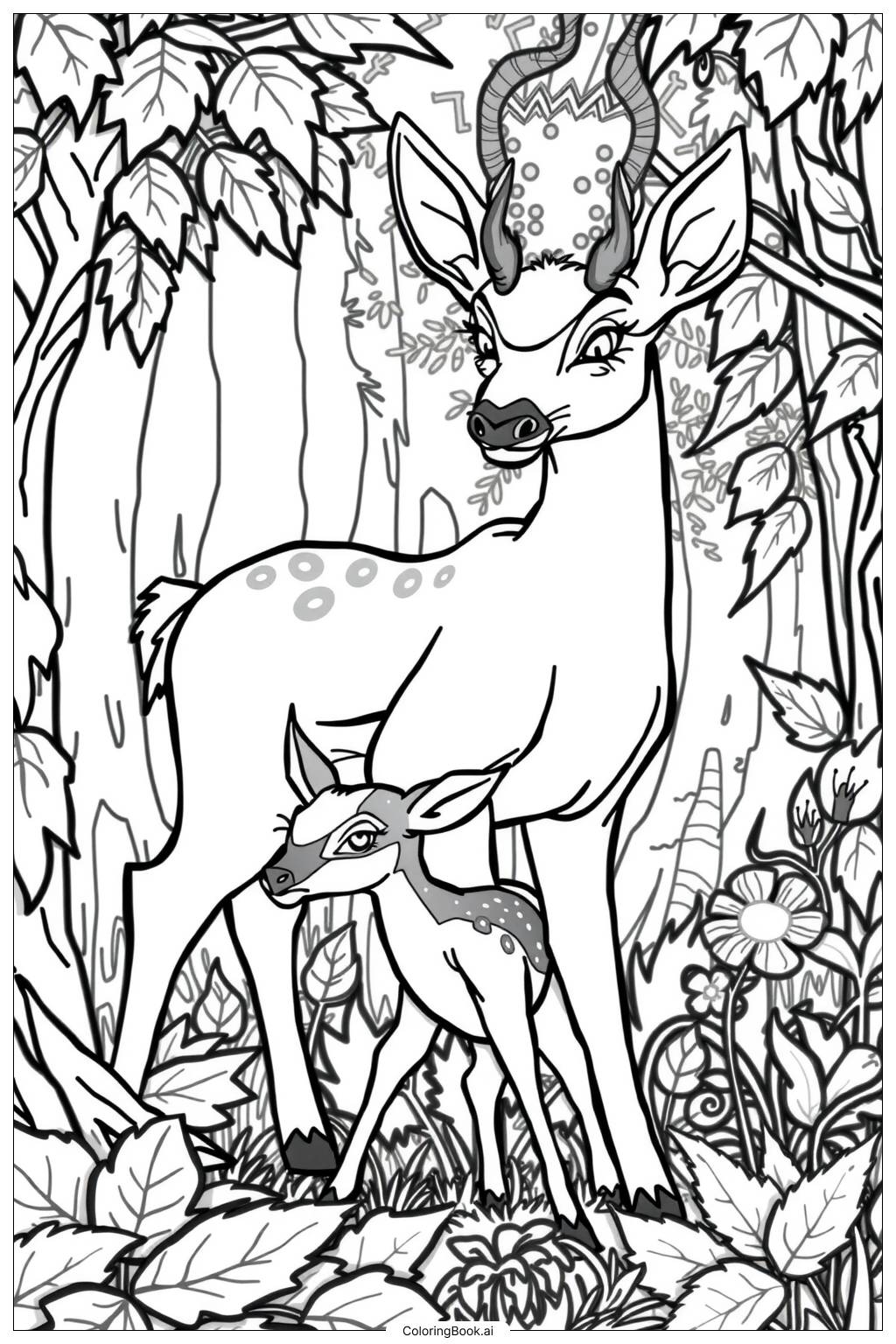
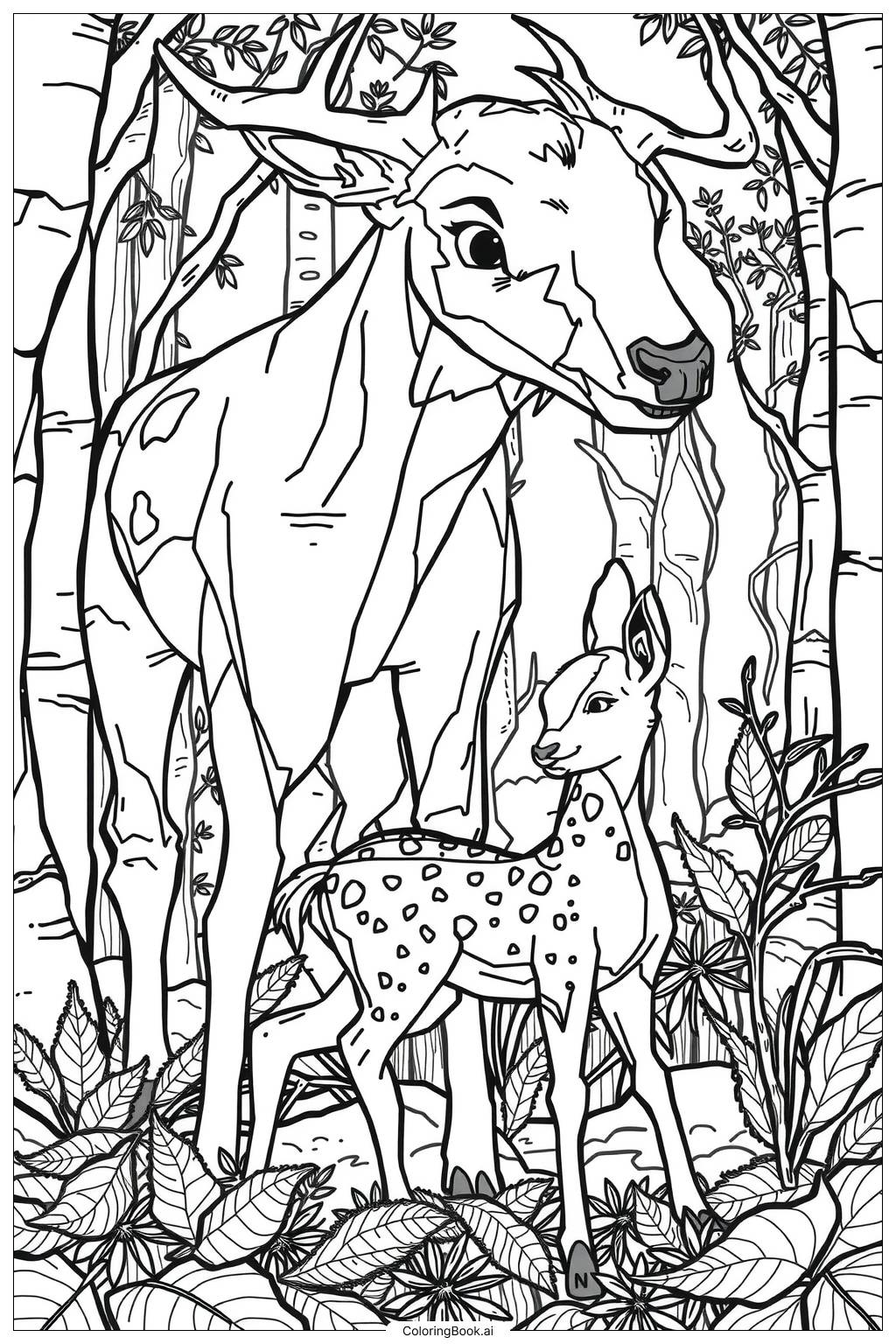
For this image, use warm and earthy colors to bring the deer family to life. The mother deer can be colored in soft browns or tans with white accents around her belly and face. The fawn’s spots can be highlighted with a lighter cream or beige to show its youthful appearance. Use greens for the grass and various shades of yellow, pink, or purple for the wildflowers to add brightness. You can also try shading the background sky with light blues to make the scene feel open and airy. Encourage blending colors gently to create smooth fur textures and gentle shadows, which will make the animals look more realistic and soft.
Coloring challenges: Which parts are difficult to color and need attention for Deer Mother Protecting Fawn coloring page?
• Fine Details on Deer: Coloring the mother deer’s face and legs requires careful attention to keep the delicate features distinct without coloring outside the lines. The spots on the fawn are small and may need a steady hand to color neatly.
• Texture Variation: Differentiating between the deer’s fur, grassy ground, and the flowers involves changing coloring techniques or pressure to show different textures effectively.
• Overlapping Elements: The mother deer partly overlaps the fawn and grass, so it can be tricky to color boundaries clearly and avoid muddling colors together.
• Small Background Elements: The scattered flowers and blades of grass require patience and precision, especially for younger children who may find small details challenging.
• Consistent Shading: Creating smooth and natural shading on curved parts like the deer’s body without harsh lines needs practice and control for blending colors evenly.
Benefits of coloring books: Advantages of drawing Deer Mother Protecting Fawn coloring page
Coloring this image helps children develop fine motor skills through detailed work on the deer and surrounding nature. It also encourages observation of natural colors and textures found in animals and plants. Focusing on the protective and caring theme can foster empathy and a love for wildlife. Coloring the overlapping shapes promotes spatial awareness and patience. Finally, completing a nature scene like this builds confidence and provides a calming, creative experience for both boys and girls of various ages.