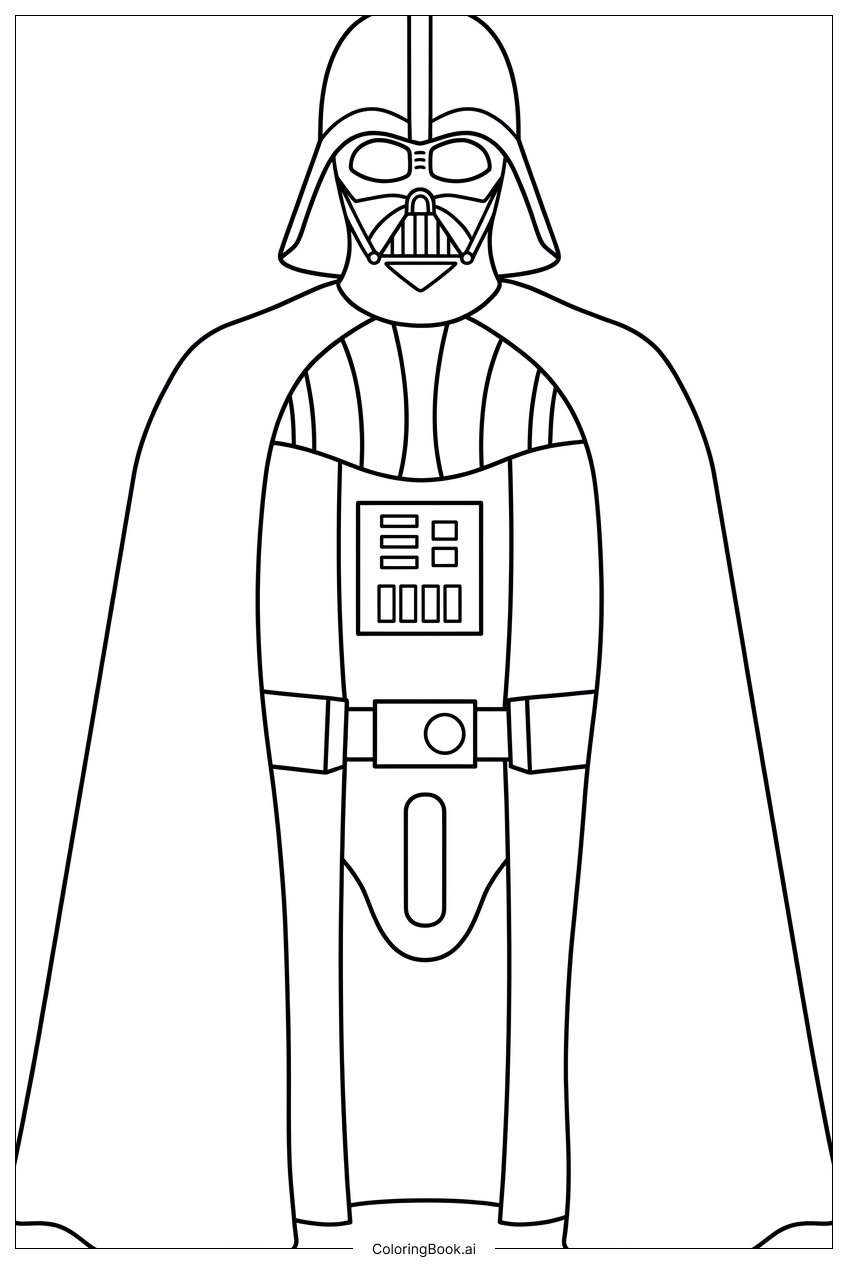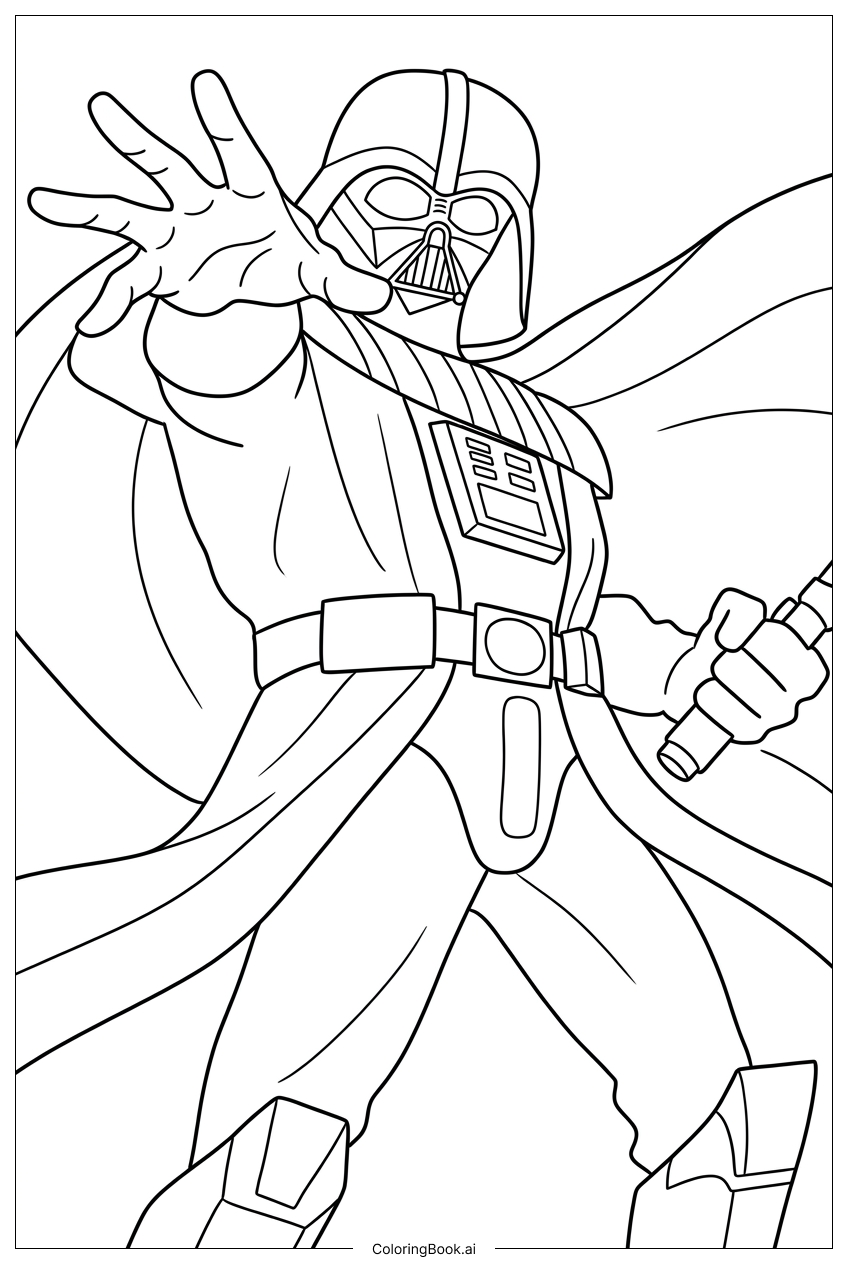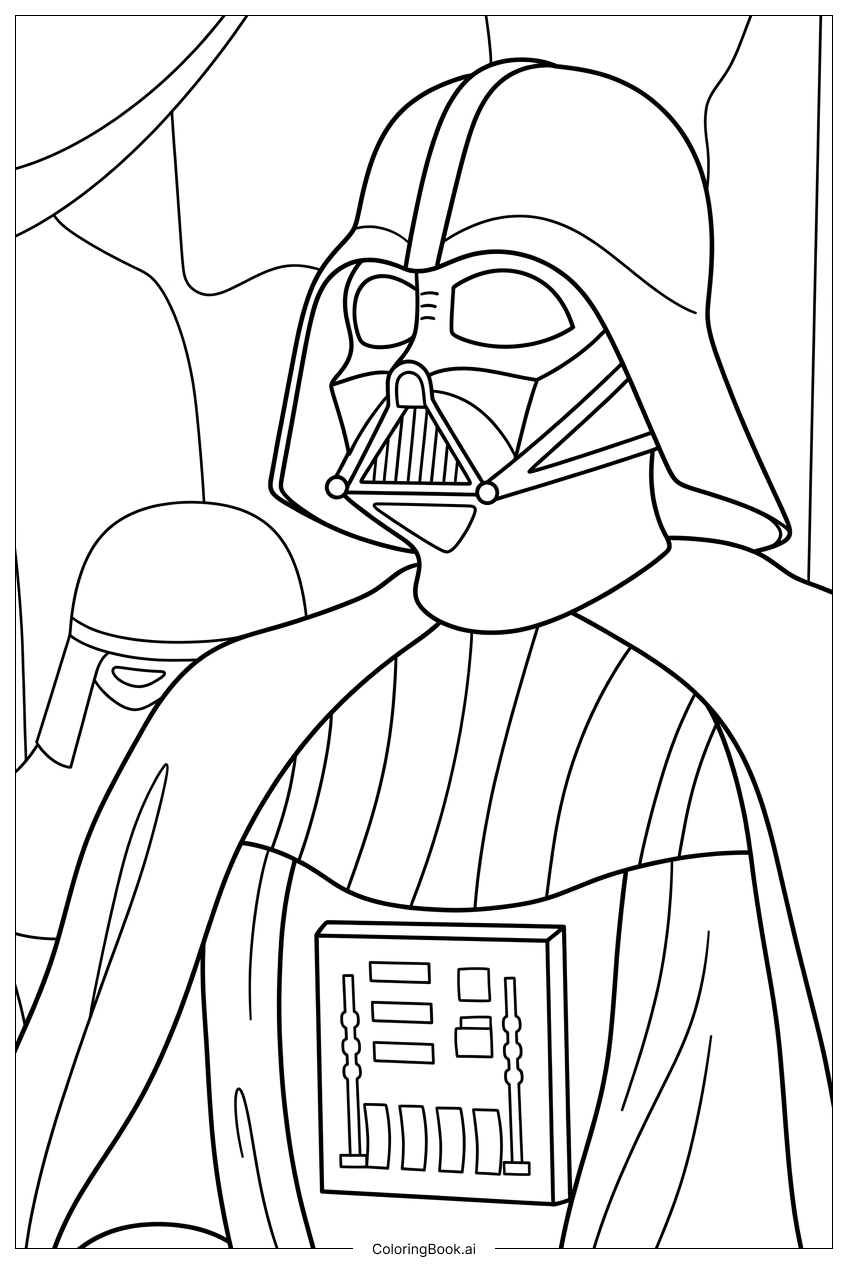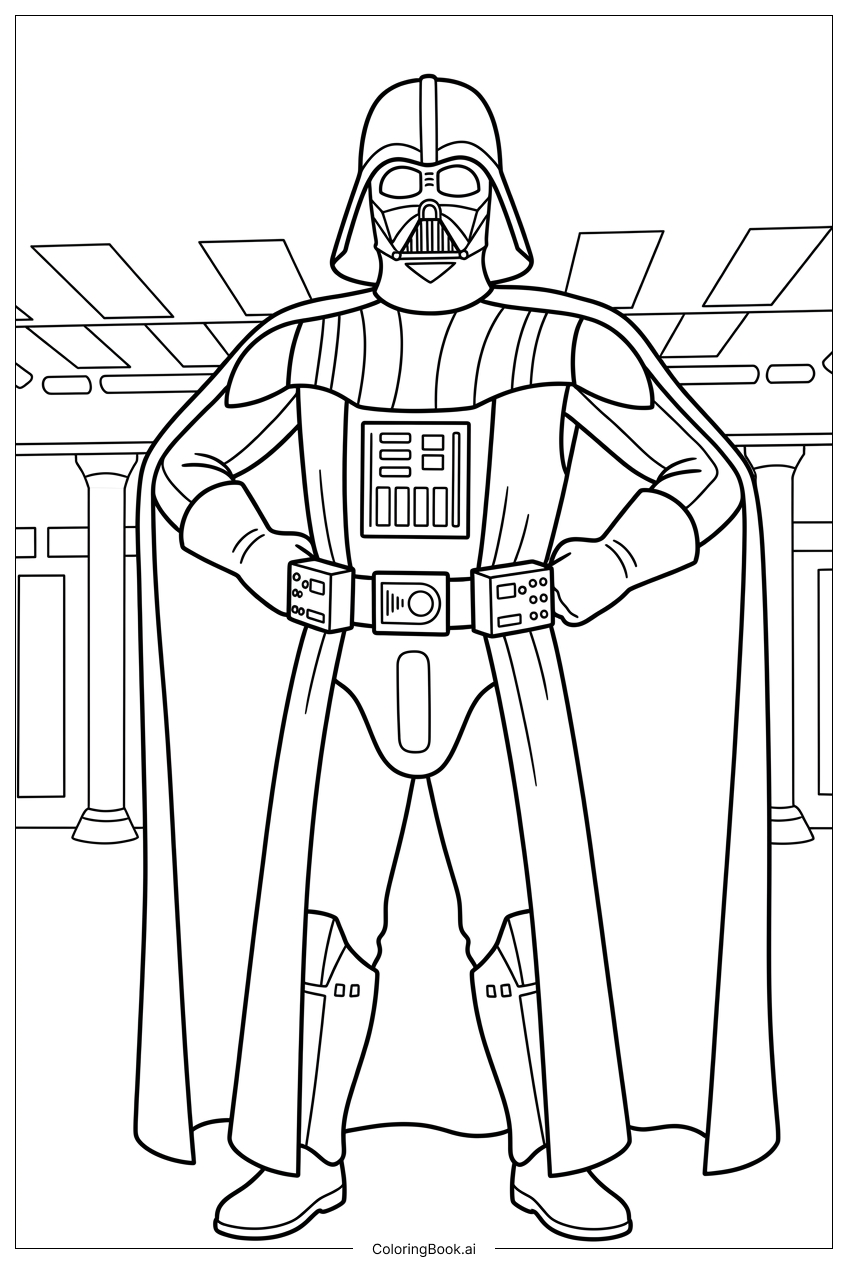
Coloring tips: How to color Darth Vader Helmet Portrait Front View coloring page well?
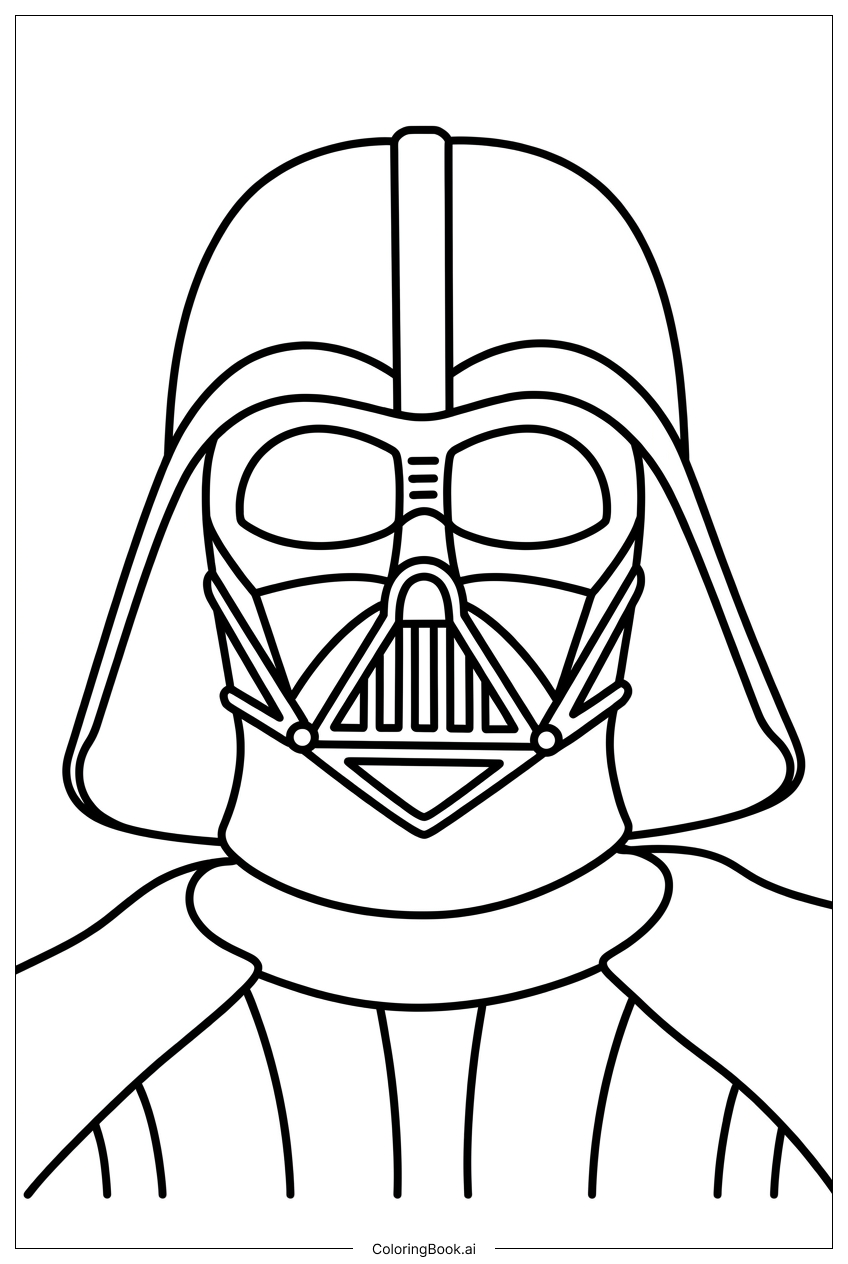
For coloring this Darth Vader Helmet Portrait Front View, start by using deep blacks and dark grays to capture the shiny, metallic look of the helmet. You can add lighter gray or silver shades on the faceplate to show reflections and highlights. Even though Darth Vader’s helmet is mostly black, try using subtle color variations to bring out the shape and details. For the eyes, use a dark smoky gray or very deep purple to give them a mysterious glow. Don’t hesitate to experiment with shiny silver or white highlights on the helmet edges to make it look more realistic and three-dimensional. This will also add depth and interest to the coloring. Keep your strokes smooth to mimic the helmet’s polished surface.
Coloring challenges: Which parts are difficult to color and need attention for Darth Vader Helmet Portrait Front View coloring page?
• Reflective surfaces: The helmet has many shiny metal parts that need smooth gradients to look realistic, which can be tricky for younger children.
• Small details: The grille on the mouthpiece and the vent stripes require careful coloring within tight spaces to avoid going outside the lines.
• Symmetry: Maintaining symmetry on both sides of the helmet helps keep the portrait balanced but can be challenging, especially around the eyes and faceplate.
• Dark tones: Using mostly black and dark gray means less variation in color, so it takes skill to create clear shadows and highlights that show depth.
• Contrast balance: Colored areas must balance between deep black areas and lighter metallic parts to prevent the image from looking flat or confusing.
Benefits of coloring books: Advantages of drawing Darth Vader Helmet Portrait Front View coloring page
Coloring this Darth Vader Helmet Portrait helps develop fine motor skills through working on detailed areas and symmetrical shapes. It encourages focus and patience while filling the small vents and sharp edges neatly. Using different shades of black and gray teaches kids about shading and light reflections, which is a great artistic practice. This activity also inspires creativity by letting them experiment with metallic colors and highlights to bring the helmet to life. Moreover, coloring a famous Star Wars character boosts engagement and enjoyment, making the experience more fun and motivating for both boys and girls aged 4 to 16.