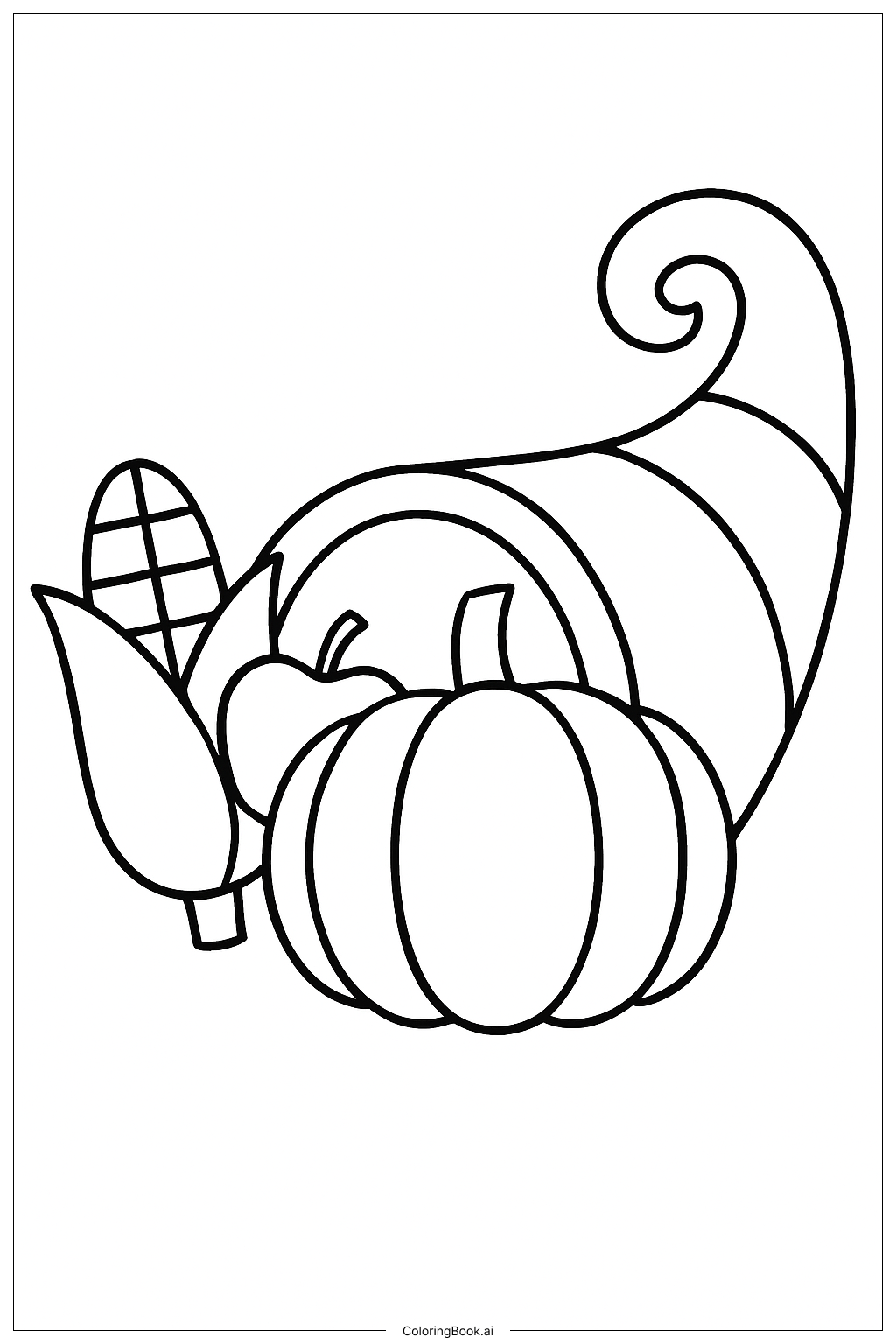
Coloring tips: How to color My First Cornucopia coloring page well?
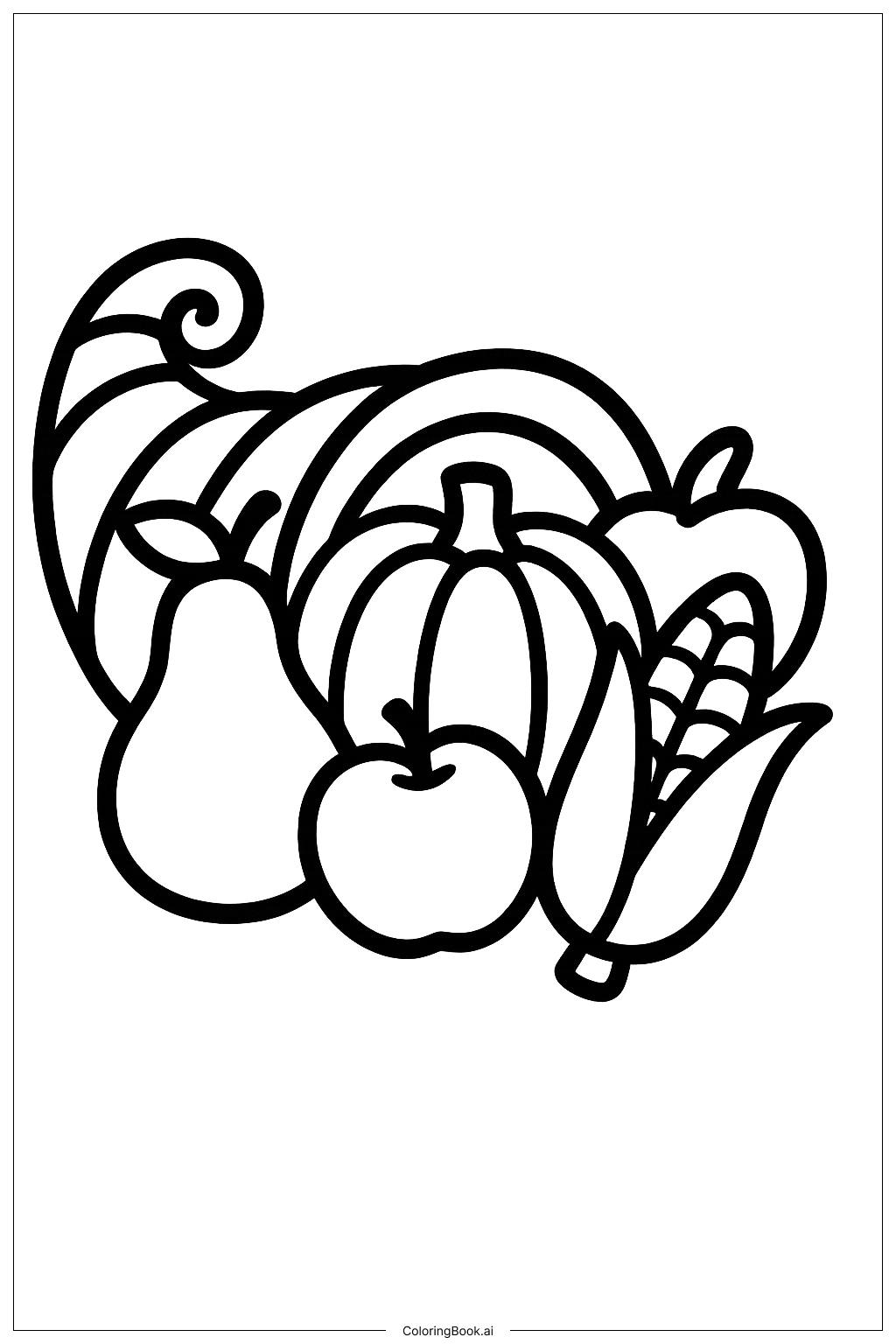
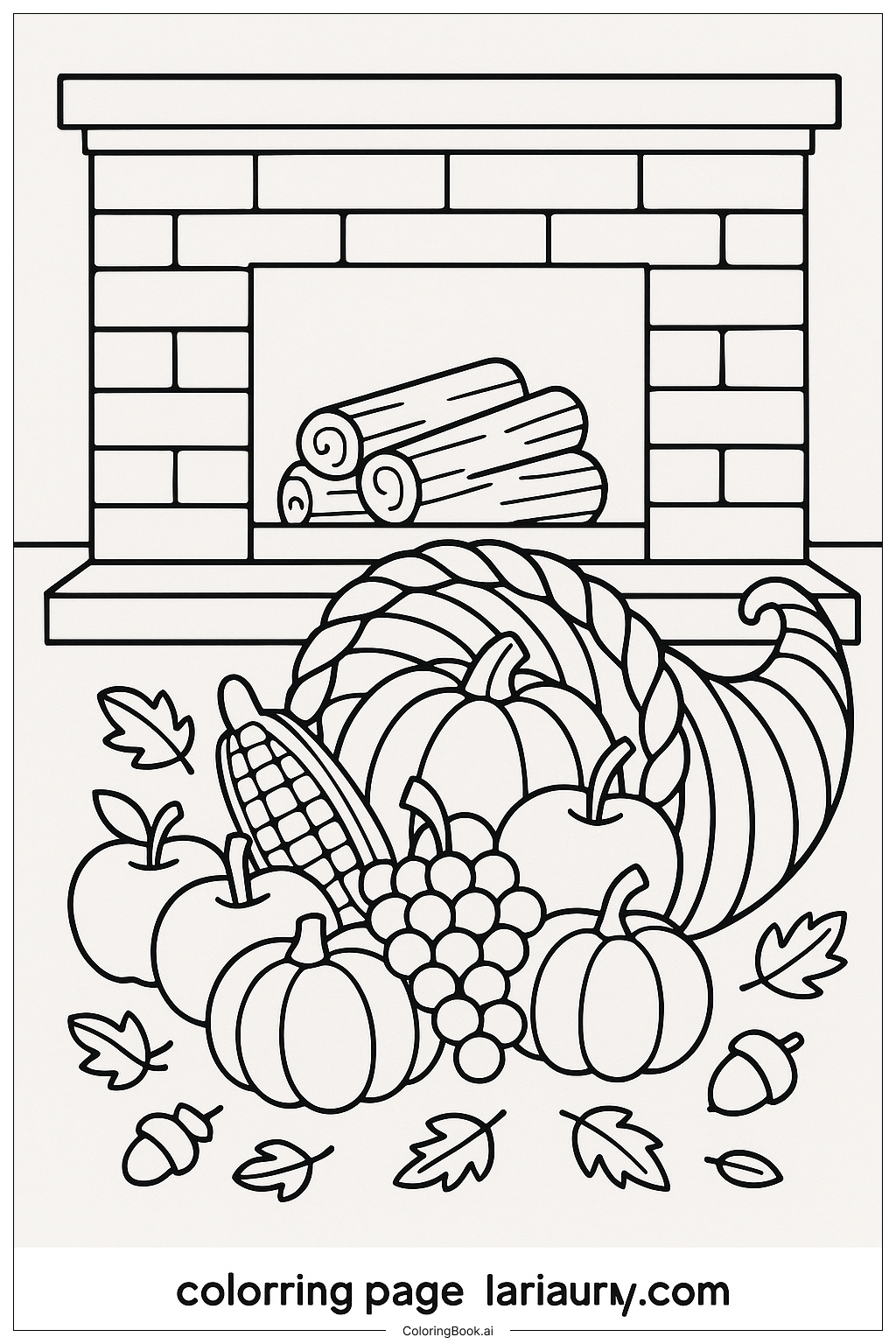
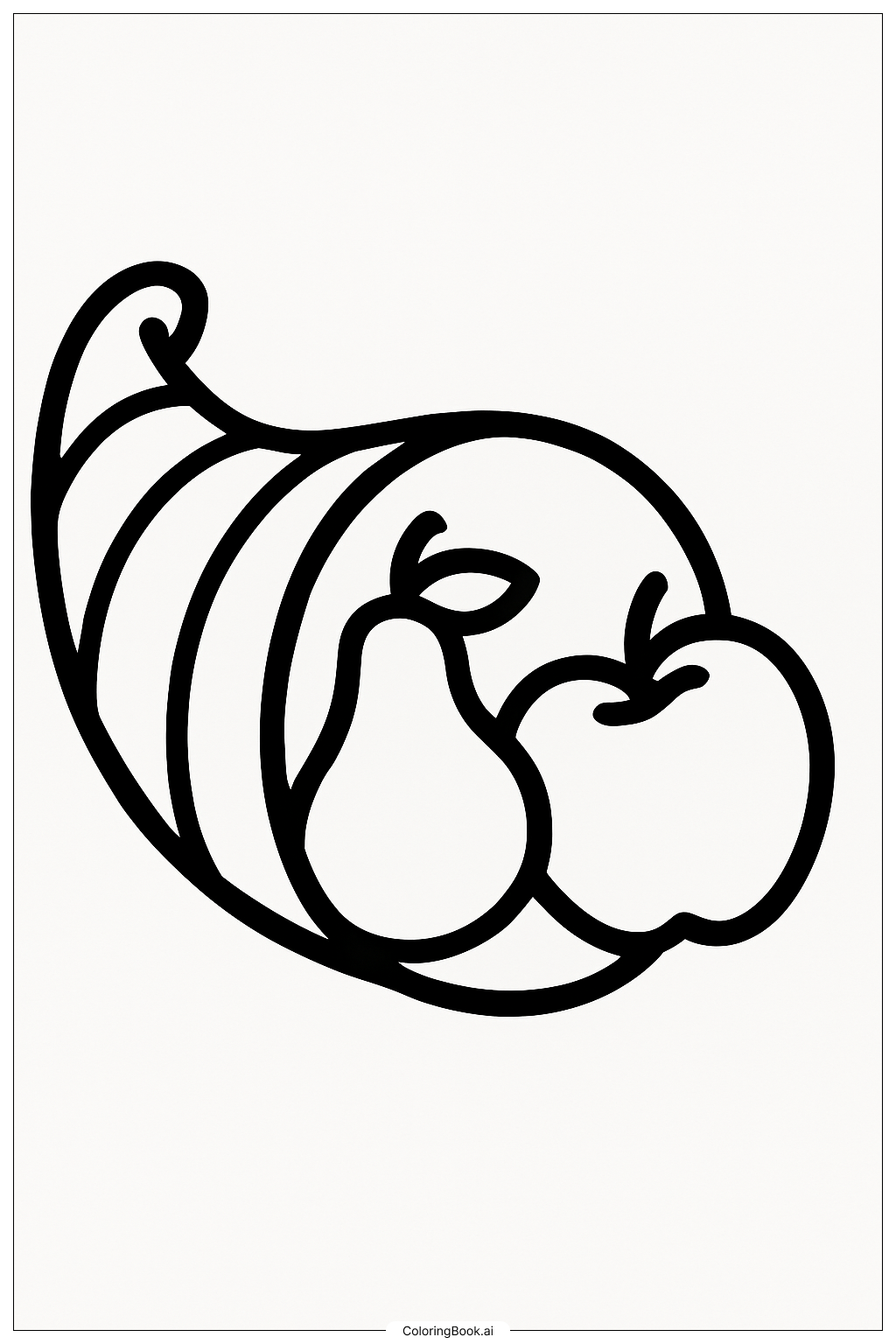
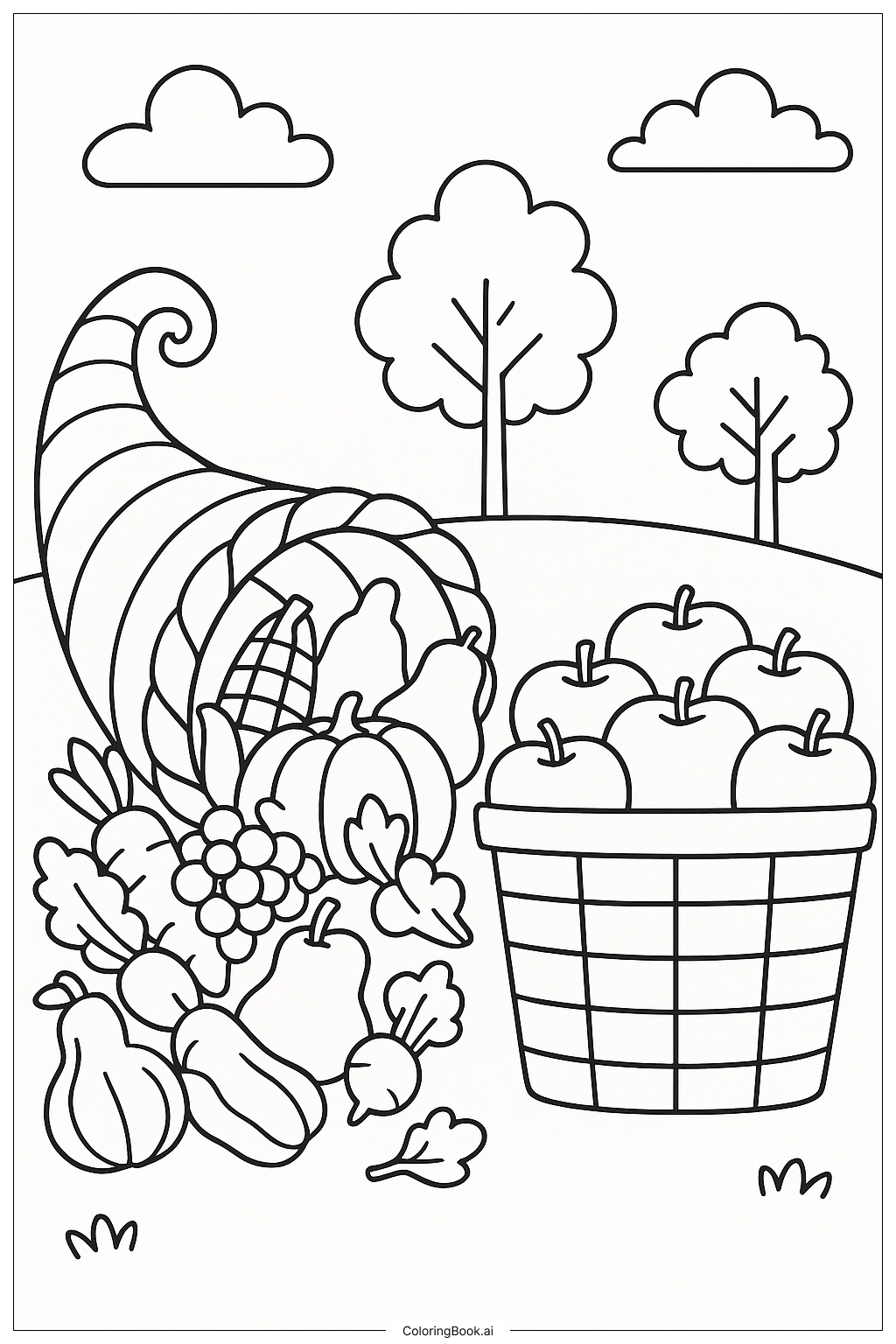
Start with the cornucopia horn itself. Use warm shades of brown, tan, and golden yellow to bring out the woven basket texture. Try darker brown in the shadowed areas to add depth.
For the fruits and vegetables, use bright, natural colors. Color pumpkins orange, apples red or green, grapes purple or green, corn yellow, and pears a soft golden green.
Use different shades of green for the leaves and vines to make them look lush and full of life. Add a slightly darker green along the edges of each leaf for a realistic touch.
Do not be afraid to mix colors. Blending light and dark tones on each fruit will make them look round and juicy. Take your time with the small details, and enjoy making this harvest scene come alive with color.
Coloring challenges: Which parts are difficult to color and need attention for My First Cornucopia coloring page?
• Woven Basket Texture: The cornucopia horn features a detailed crisscross weave pattern. Coloring each small section individually while keeping a consistent light and shadow direction is tricky. Young colorists should try using two shades of brown, a lighter one for the raised parts and a darker one for the recessed gaps, to make the weave look three-dimensional.
• Overlapping Fruits and Vegetables: Many of the produce items are stacked on top of each other. Deciding which item sits in front and which is behind requires careful attention. Using slightly darker shades on items in the back helps create a sense of depth and prevents the composition from looking flat.
• Small Leaf and Vine Details: The leaves and curling vines winding through the arrangement are small and close together. Staying within the lines on these tiny shapes takes steady hands and a sharp pencil or fine-tipped marker. Patience is key in these areas.
• Color Variety and Balance: With so many different fruits and vegetables present, choosing a color palette that feels balanced and harmonious can be challenging. Avoid placing two items of the same color directly next to each other. Spreading similar colors throughout the composition helps the whole image feel visually pleasing.
• Shading Round Surfaces: Fruits like apples, grapes, and pumpkins have curved surfaces. Adding a small circle of lighter color or leaving a tiny highlight spot near the top of each piece gives them a natural, round appearance. This technique takes a little practice but makes a big difference in the final result.
Benefits of coloring books: Advantages of drawing My First Cornucopia coloring page
Coloring this cornucopia page offers a wonderful range of benefits for children and beginners alike.
First, it builds fine motor skills. Carefully filling in the small woven sections of the horn and the delicate leaves helps strengthen hand muscles and improve pencil control, skills that support handwriting and everyday tasks.
Second, it sparks creativity. Choosing colors for each fruit and vegetable encourages personal expression. There is no single right answer, and kids feel proud when they create something uniquely their own.
Third, it teaches about nature and the harvest season. As children color each pumpkin, apple, grape, and ear of corn, they naturally learn to identify different fruits and vegetables. This makes the activity both fun and educational.
Fourth, it promotes focus and patience. The detailed textures and overlapping shapes in this image require concentration, helping young colorists practice staying on task and working through challenges step by step.
Finally, it creates a sense of calm. The quiet, rhythmic motion of coloring is known to reduce stress and anxiety, making this a relaxing and rewarding activity for children of all ages. Completing the page also builds confidence and a positive feeling of accomplishment.