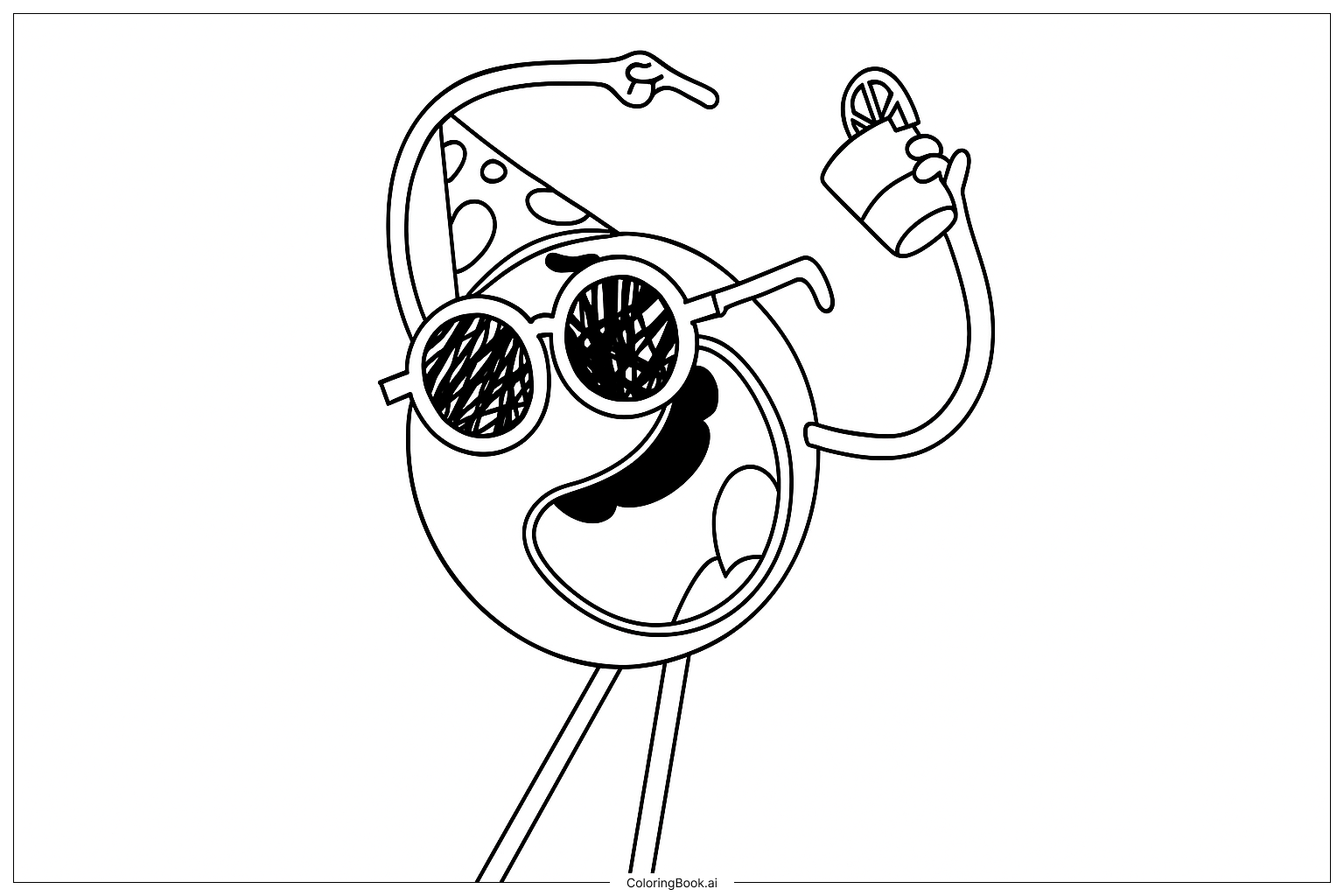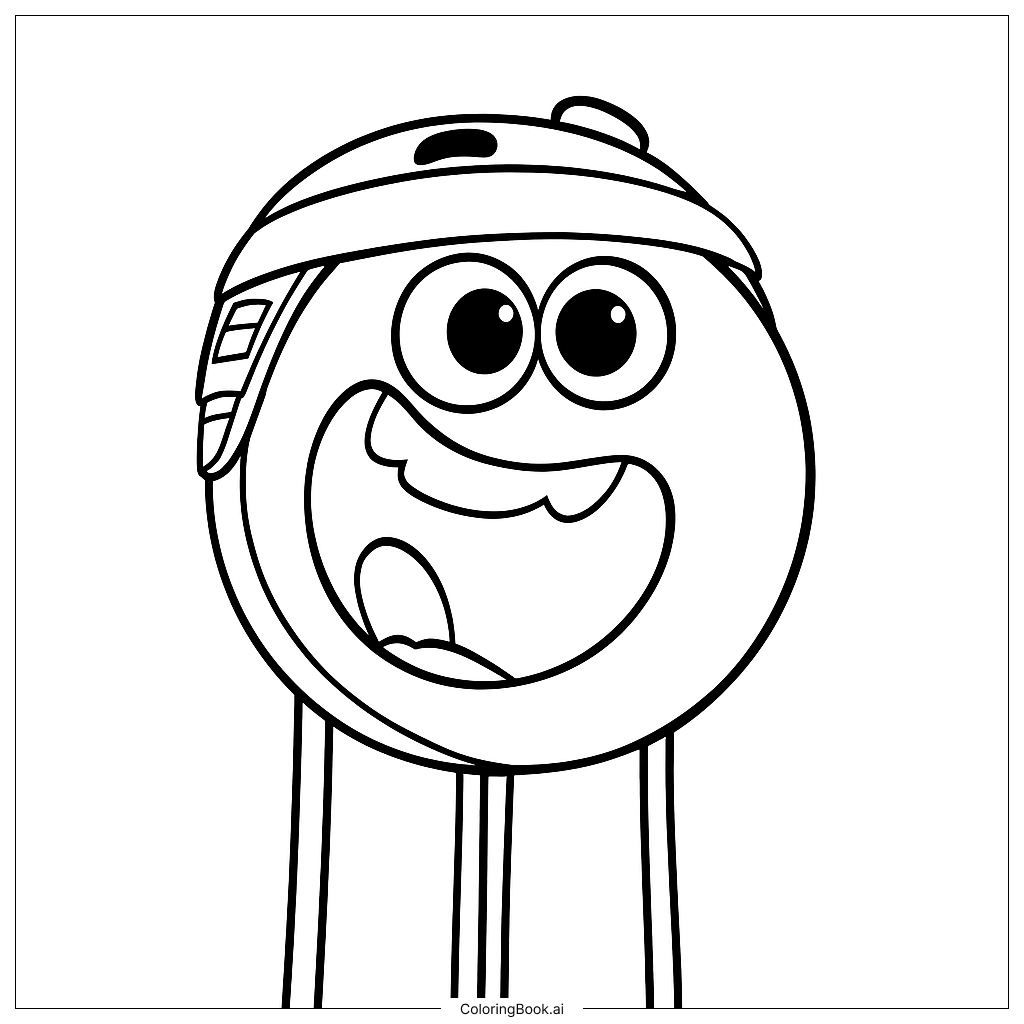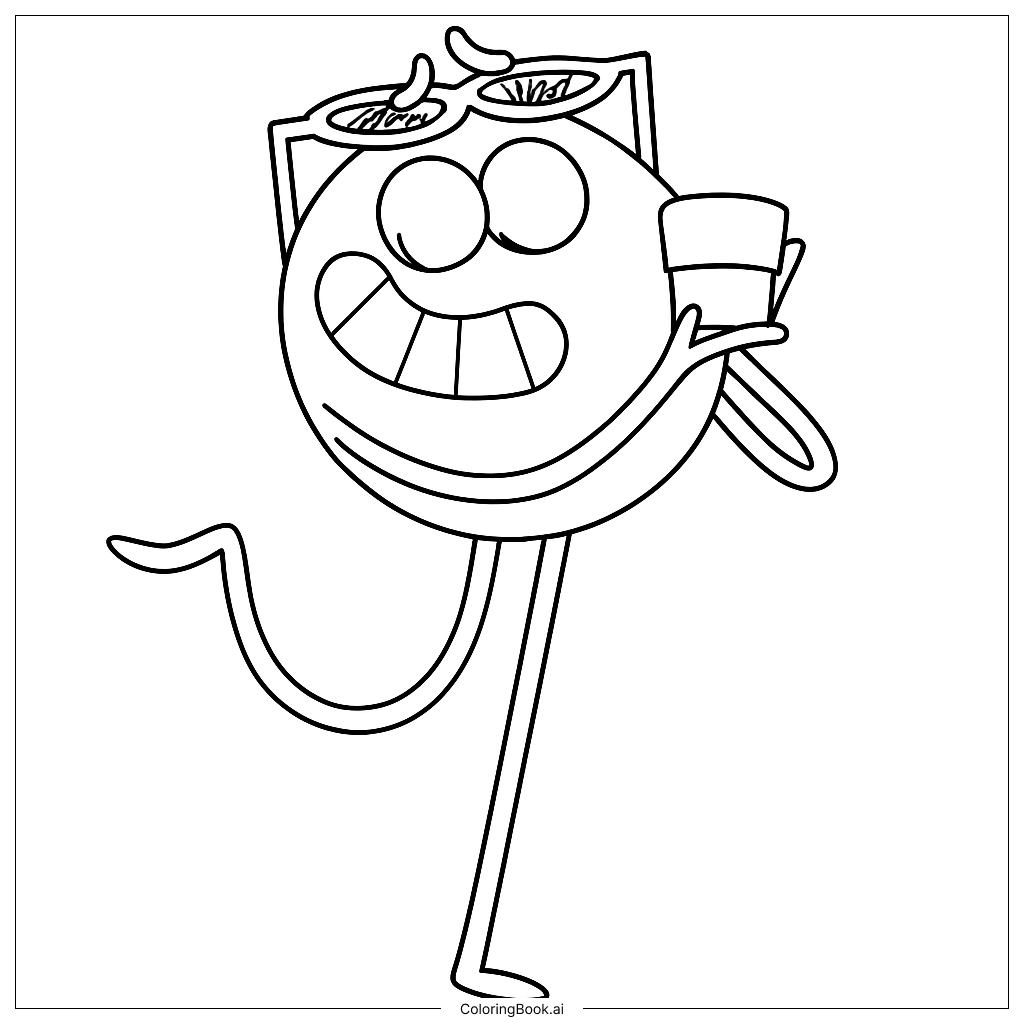
Coloring tips: How to color Blue With The Primary Colours In The Intro. coloring page well?
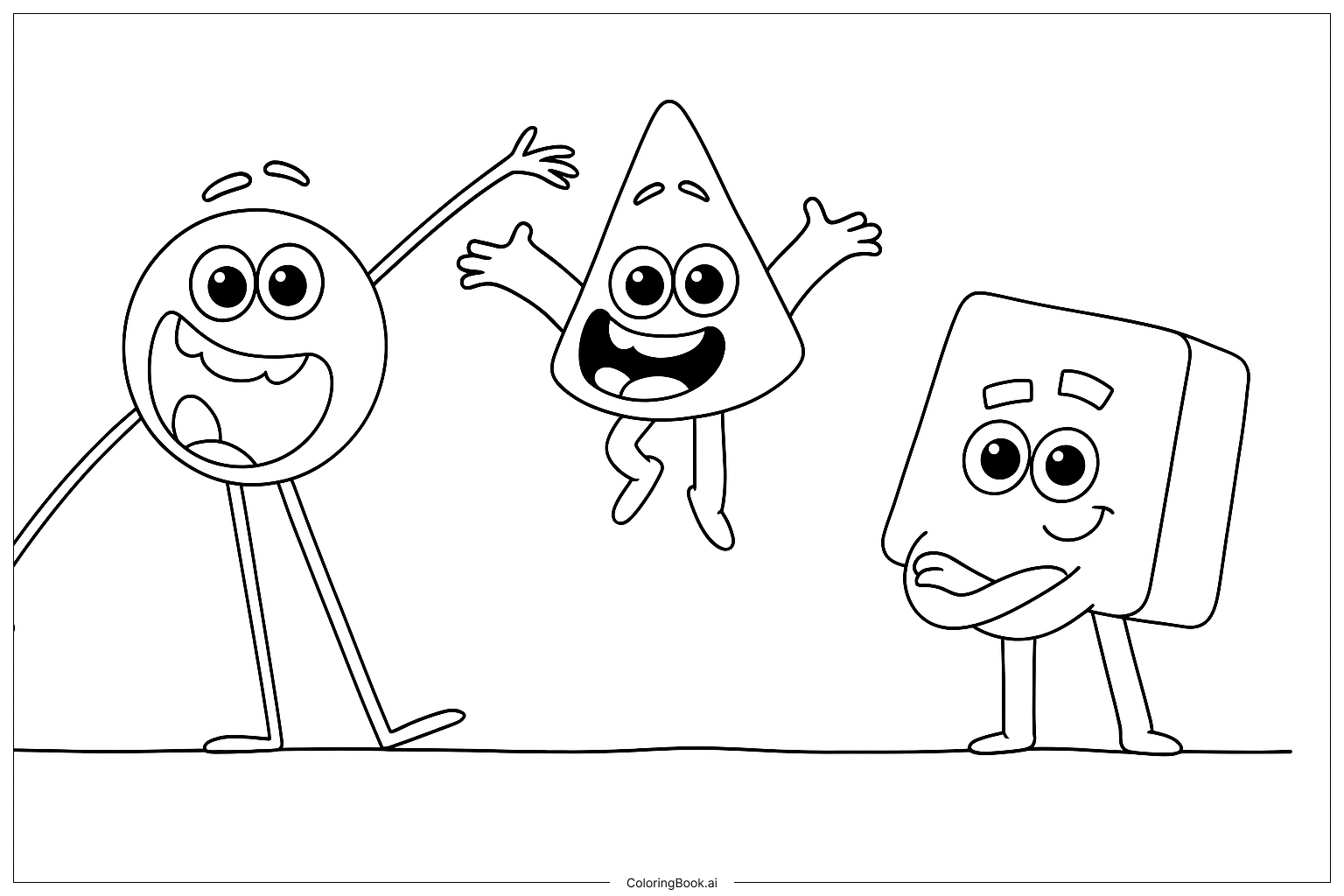
Start by coloring the cube-shaped head with a bright blue shade, reflecting the main theme. Use vivid red, yellow, and blue to fill the surrounding shapes to match the primary color palette. You can experiment with different tones of blue for the body parts to create depth, while keeping the other blocks in solid primary colors. Try to color inside the lines carefully to keep the geometric forms crisp. Adding light shading with a slightly darker blue can make Colourblocks look more three-dimensional. Use contrasting primary colors nearby to make the character stand out. Keeping the background simple with soft pastels will highlight Colourblocks well.
Coloring challenges: Which parts are difficult to color and need attention for Blue With The Primary Colours In The Intro. coloring page?
• Geometric Precision: The image consists of many sharp-edged blocks and shapes, which require steady coloring to avoid going outside the lines, especially for younger children. • Balancing Primary Colors: Carefully distributing the primary colors without making one overpower the others can be challenging. It requires thought about where each color fits best to keep harmony. • Shading Complexity: Adding shading effects on angular blocks to give a 3D look needs skill in blending colors subtly without muddling the clarity of shapes. • Small Details: Some sections are quite small and require careful attention to color neatly, which might be difficult for children with less fine motor control. • Consistent Color Blocking: Since the character is made up of uniform blocks, maintaining consistent coloring without streaks or gaps is important to preserve the clean design.
Benefits of coloring books: Advantages of drawing Blue With The Primary Colours In The Intro. coloring page
Coloring this image helps children develop fine motor skills as they carefully fill in distinct geometric shapes. It encourages an understanding of color theory by focusing on primary colors and how they interact. This activity also improves concentration and attention to detail due to the precise lines and balance needed. It fosters creativity by inviting children to experiment with shades and patterns within a structured design. Additionally, it builds confidence when they complete a visually striking picture, reinforcing pride in their artistic efforts.