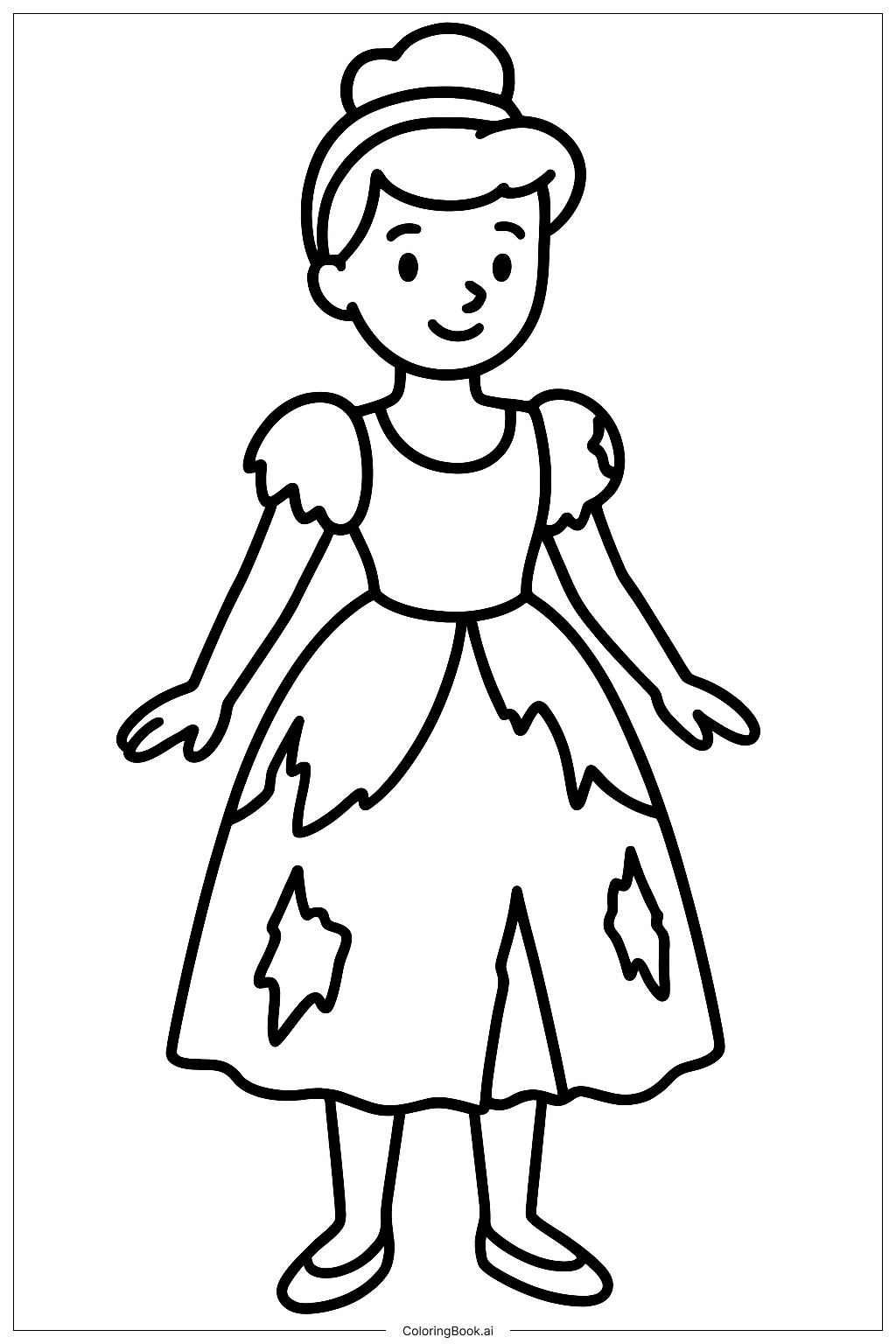
Coloring tips: How to color Cinderella's Torn Dress coloring page well?
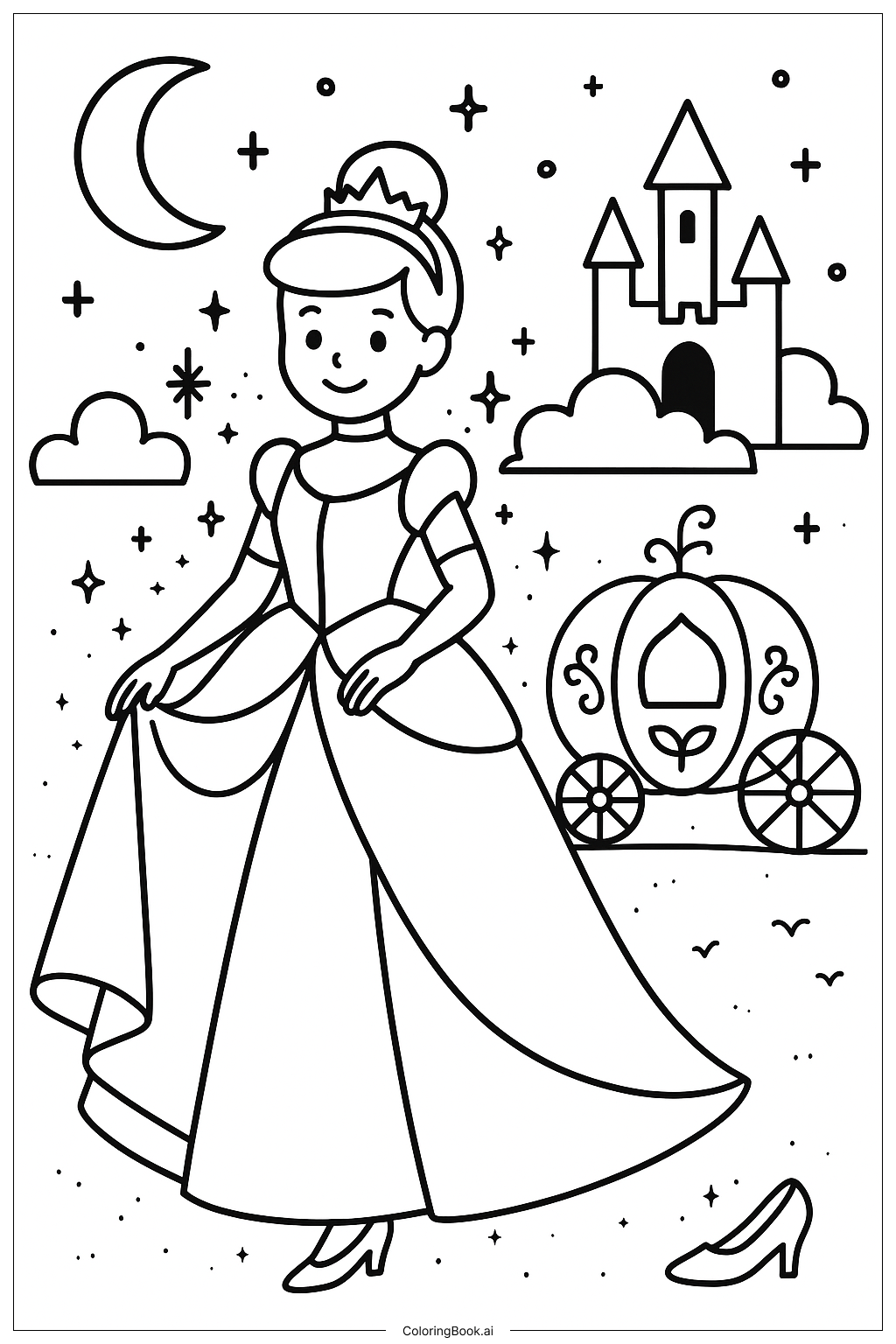
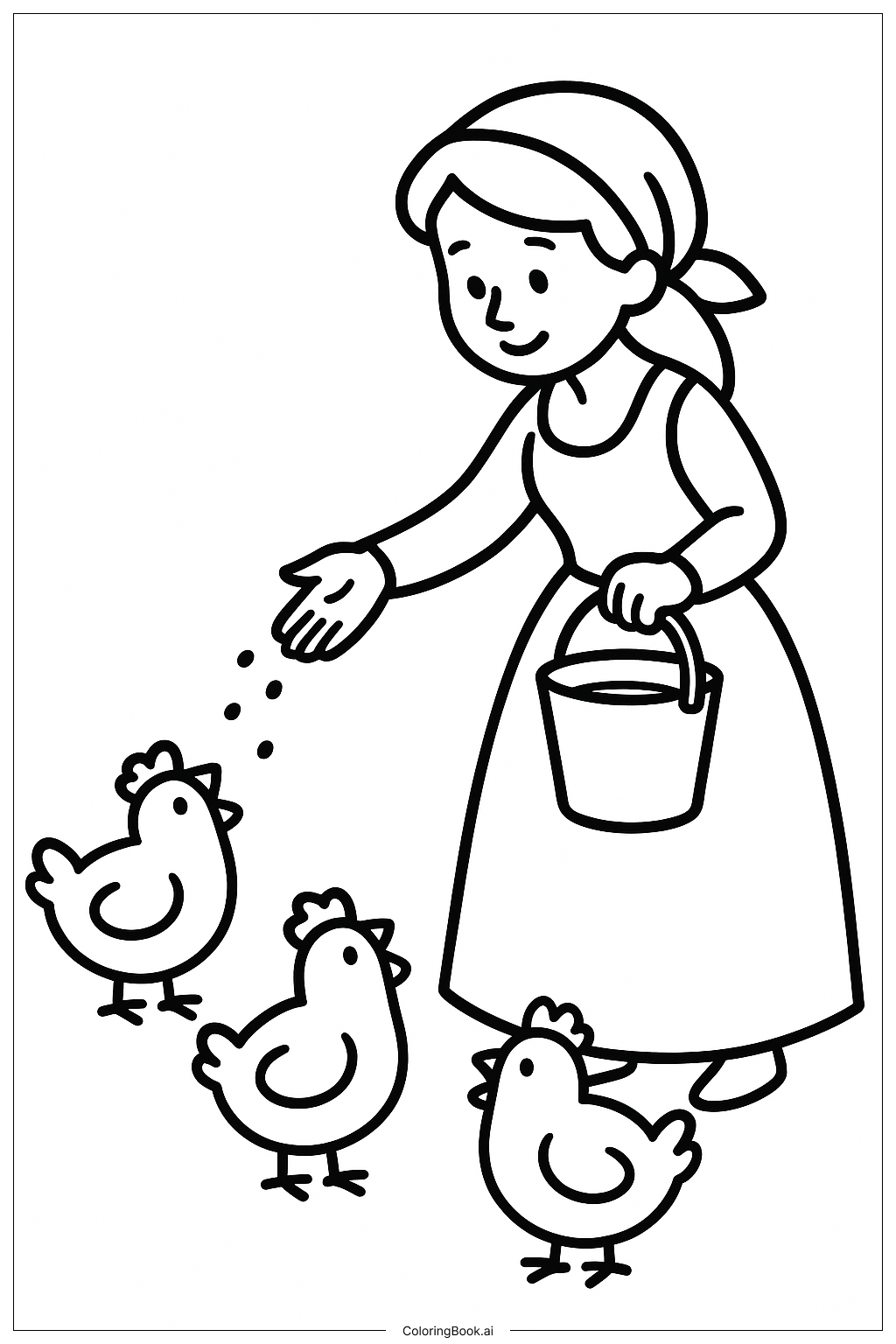
Start with Cinderella's skin using a soft peach or light tan color. Her torn dress is traditionally light blue or gray — use a pale blue for the main fabric and a slightly darker shade for the shadows and folds. The rips and torn edges can be left slightly lighter to show wear. Use a warm cream or white for her apron. Add brown or tan for the broom handle and darker shades for the bristles. The floor and background can be colored in muted earthy tones like beige or gray to keep the focus on Cinderella. Use soft, gentle colors throughout to match her kind and humble character. Try adding a little shading around the torn edges to make the rips look more realistic and three-dimensional. Keep the overall palette soft and warm to reflect the hopeful mood of the scene.
Coloring challenges: Which parts are difficult to color and need attention for Cinderella's Torn Dress coloring page?
• Torn and Ragged Fabric Edges: The torn parts of the dress have uneven, jagged lines that can be tricky to color neatly. You need to carefully follow the rough edges without going outside the lines. Using a sharp-tipped colored pencil or a fine marker will help you stay precise along these irregular shapes.
• Fabric Folds and Wrinkles: The dress and apron have many folds and wrinkles that require shading to look realistic. Coloring all the folds the same flat color will make the dress look dull. Try using two or three shades of the same color — a light shade for raised areas and a darker shade for the creases and shadows — to give the fabric depth and texture.
• Cinderella's Facial Features: Her face includes small, delicate details like eyes, eyebrows, lips, and a gentle smile. These areas are very small and close together, making them easy to accidentally smudge or color outside the lines. Take your time here and use the finest tip tool you have for the best results.
• Hair Details: Her loosely pulled-back hair has multiple strands and layers. Coloring hair realistically means using at least two tones — a base color and a highlight or shadow shade. Blending these smoothly can be challenging, especially in the smaller strand areas near her face and headband.
• Background Balance: The floor and wall background should be colored in a way that does not overpower Cinderella herself. Choosing tones that are too bright or too dark can draw attention away from the main character. Sticking to muted, neutral shades and applying light, even pressure will help the background stay in its supporting role.
Benefits of coloring books: Advantages of drawing Cinderella's Torn Dress coloring page
Coloring this page of Cinderella in her torn dress offers many wonderful benefits for children and young artists. First, it helps build fine motor skills. Following the detailed lines of the torn fabric, the folds, and Cinderella's facial features trains small hand muscles and improves pencil control — skills that are important for writing and everyday tasks.
Second, it encourages creativity and color exploration. Children get to make their own choices about shades, combinations, and how to bring the scene to life. This builds confidence and artistic thinking from an early age.
Third, coloring this page can spark imagination and storytelling. Cinderella's torn dress is part of a much bigger story. As children color, they may think about what happens next — the fairy godmother, the glass slipper, and the magical transformation. This kind of imaginative engagement supports language development and emotional understanding.
Fourth, focusing on a detailed coloring page like this helps children practice patience and concentration. Staying within the lines and taking time to blend colors builds the ability to focus on a task from start to finish.
Finally, completing a coloring page gives children a real sense of accomplishment. Seeing the finished artwork boosts self-esteem and encourages a love of creative activities that can last a lifetime.