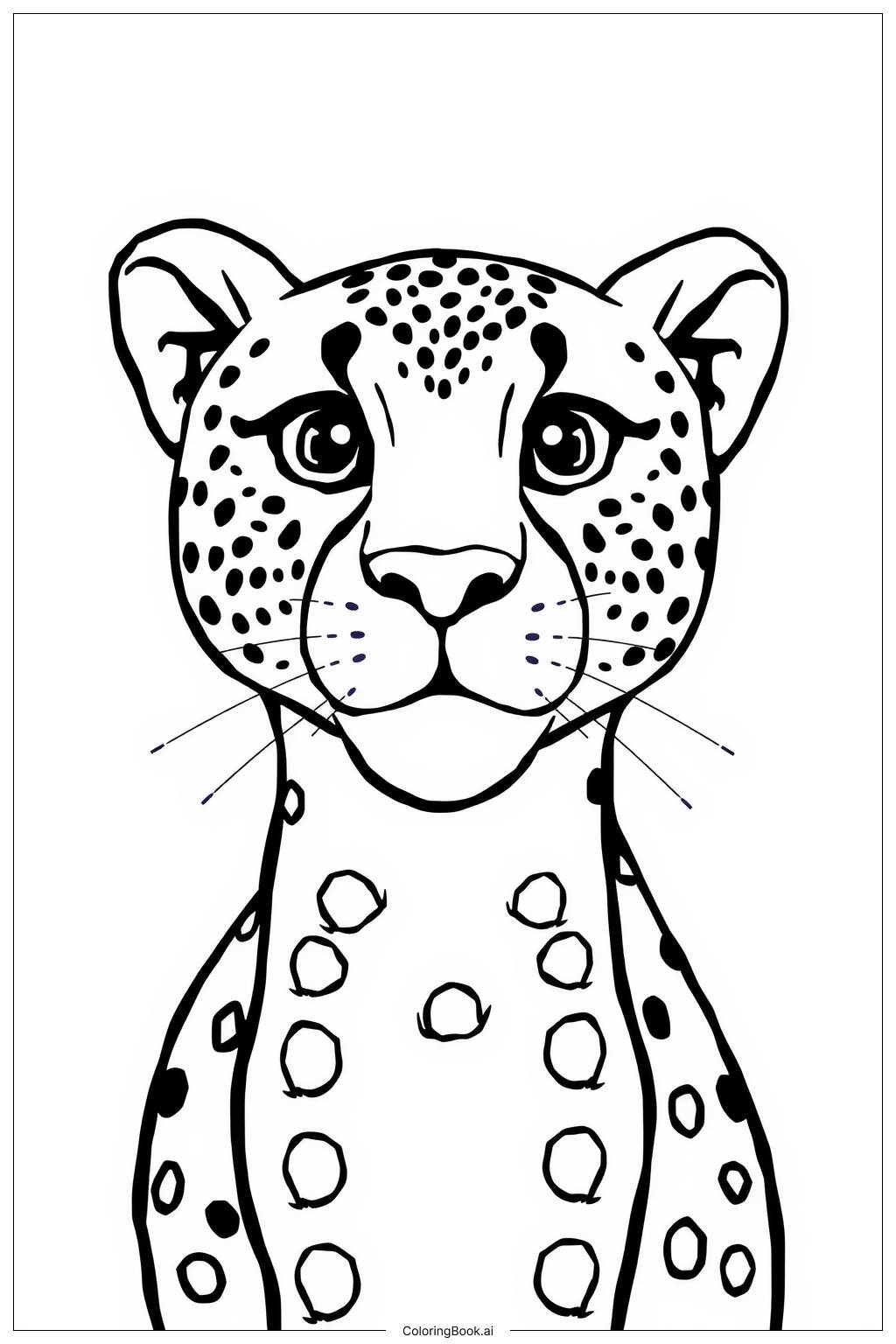
Coloring tips: How to color cheetah realistic portrait coloring page well?
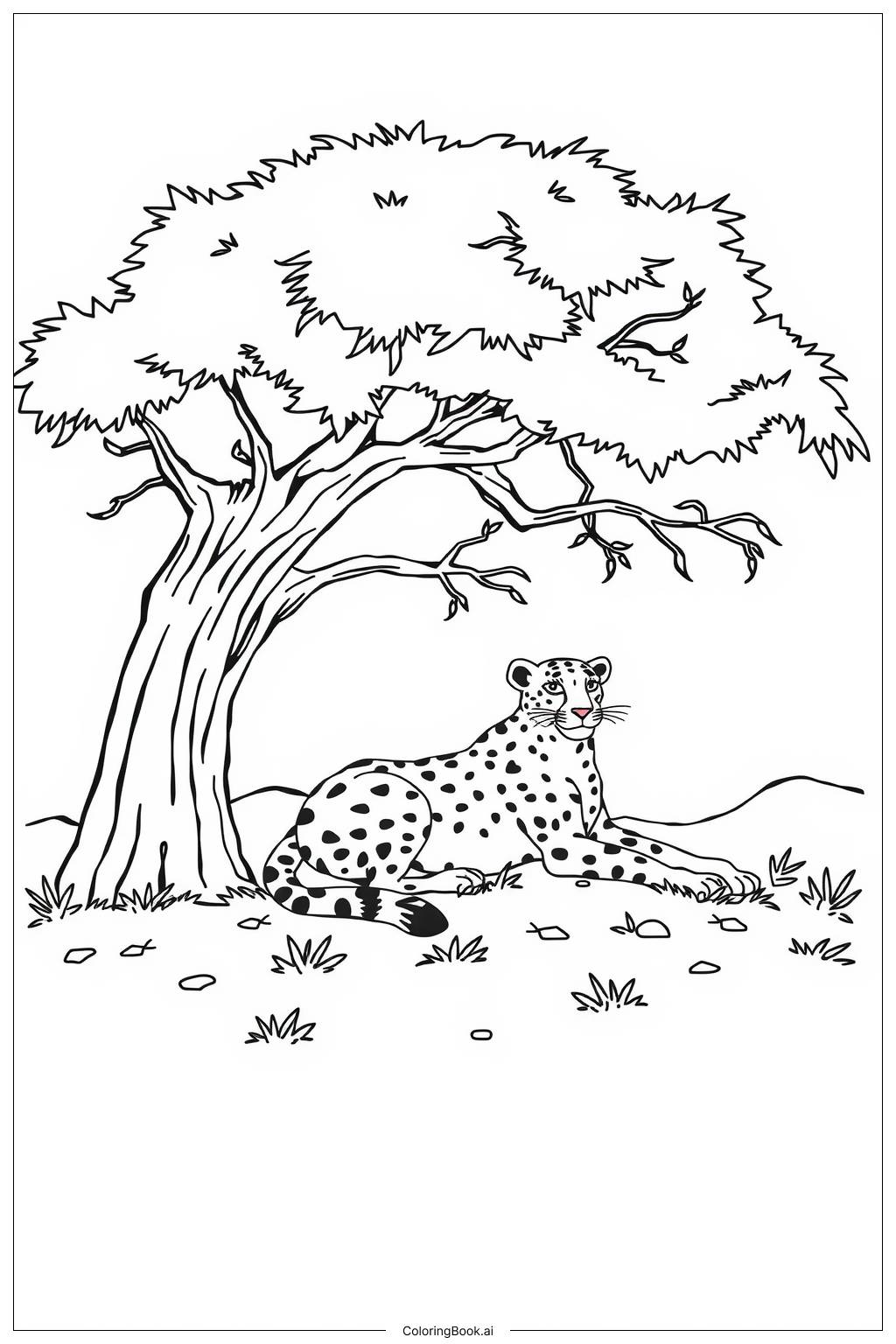
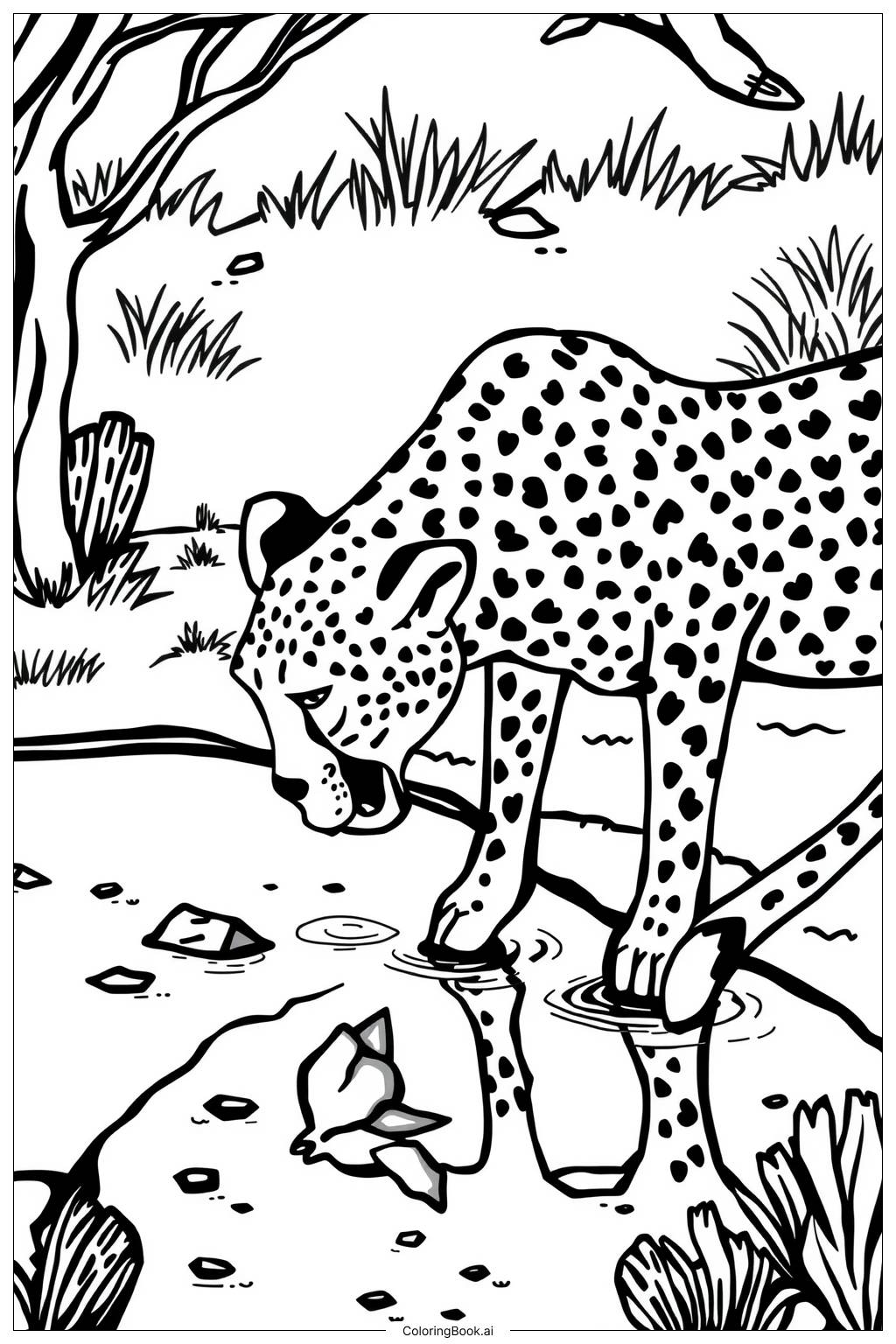
To color this cheetah realistic portrait, start with warm golden-yellow and light tan shades for the fur base. Use darker orange or brown to add depth and shadows to the cheeks and forehead. For the spots, try black or very dark brown to contrast nicely against the golden tones. The tear streaks under the eyes should be colored solid black for a bold, natural look. The eyes can be colored amber or a bright yellow with small white highlights to make them appear shiny and alive. The nose is usually dark gray or black. You can add hints of light cream or white on the chin and inside the ears to enhance realism. Using a smooth blend of colors will bring out the cheetah’s sleek, smooth fur texture. Have fun experimenting with colored pencils, crayons, or markers to make the portrait vivid and lifelike.
Coloring challenges: Which parts are difficult to color and need attention for cheetah realistic portrait coloring page?
• Fur Texture Complexity: Coloring the fine fur details requires careful blending of shades to avoid a flat look. It can be challenging to layer colors smoothly while keeping the spots clear and distinct.
• Spot Patterns: The cheetah’s spotted coat needs precise coloring to maintain the natural random pattern, which can be tricky to replicate evenly or avoid coloring outside the lines.
• Tear Streak Detailing: The thin black tear streaks running from the eyes to the mouth must be colored neatly and with a steady hand to capture the animal’s characteristic look.
• Eye Realism: Capturing the depth and shine in the eyes demands attention to small highlights and gradients, which can be difficult for younger children or beginners.
• Contrast and Shadows: Achieving a good balance between the light areas and darker shadows on the face helps the portrait appear three-dimensional, but managing this contrast takes some practice and patience.
Benefits of coloring books: Advantages of drawing cheetah realistic portrait coloring page
Coloring this cheetah realistic portrait helps develop fine motor skills by requiring careful control while coloring small spots and delicate details. It encourages attention to detail and patience, as children work on layering colors to create depth and texture. This activity also enhances understanding of animal anatomy and natural patterns, fostering an interest in wildlife and nature. Additionally, coloring realistic images can boost creativity by allowing children to experiment with different shades and color blends. It provides a rewarding experience as they see a lifelike animal come to life through their coloring efforts, building confidence and artistic skills.