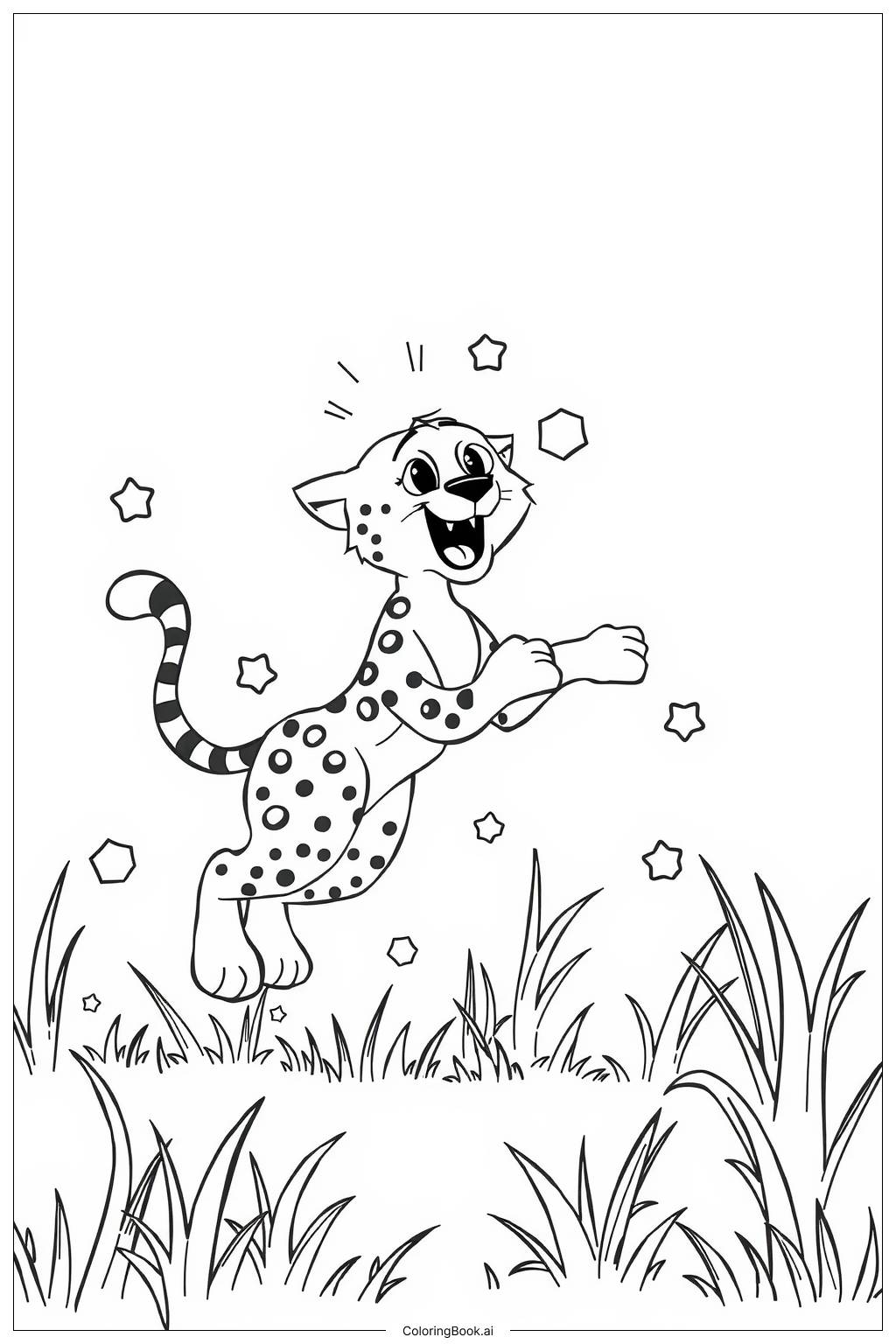
Coloring tips: How to color cheetah grass play coloring page well?
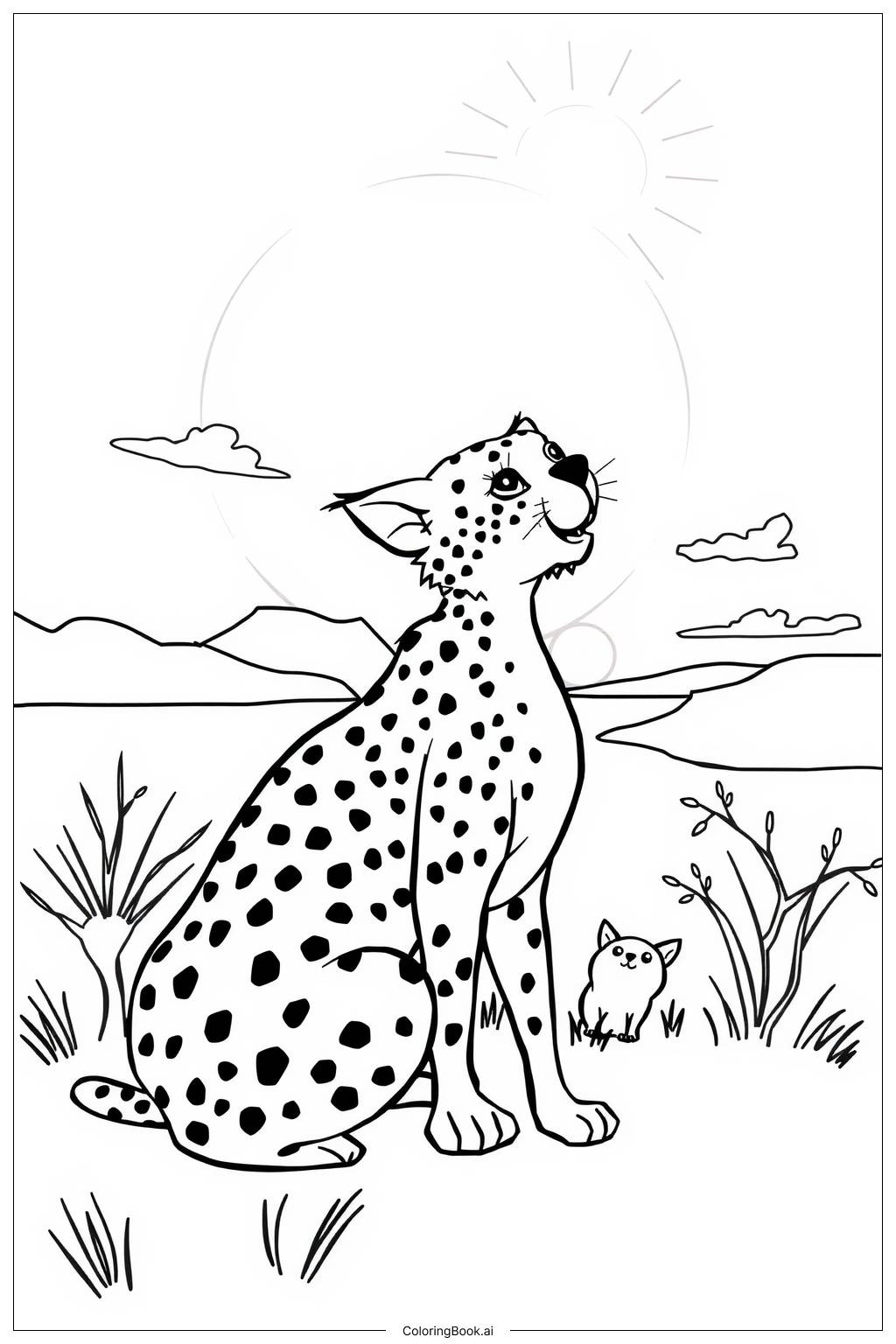
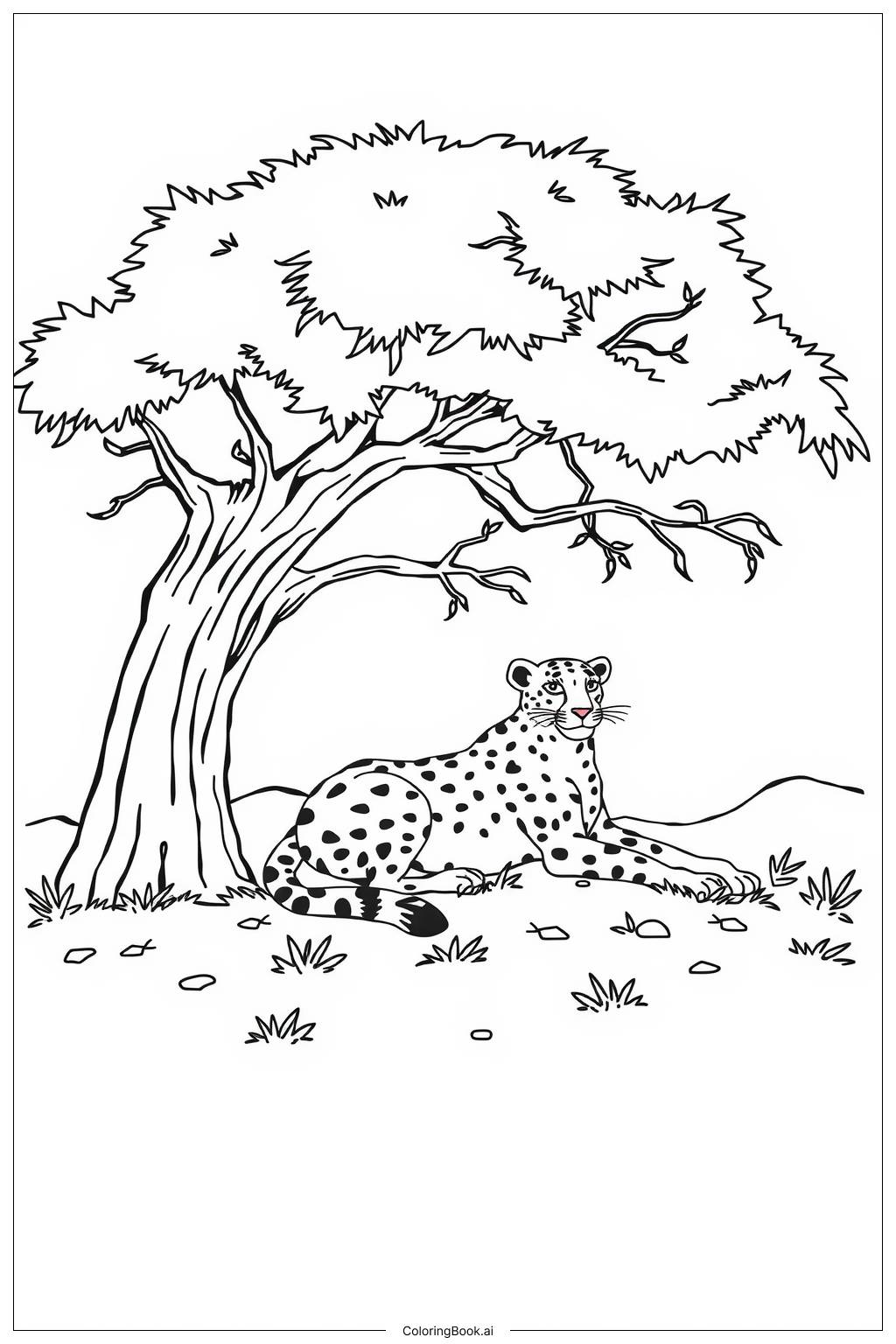
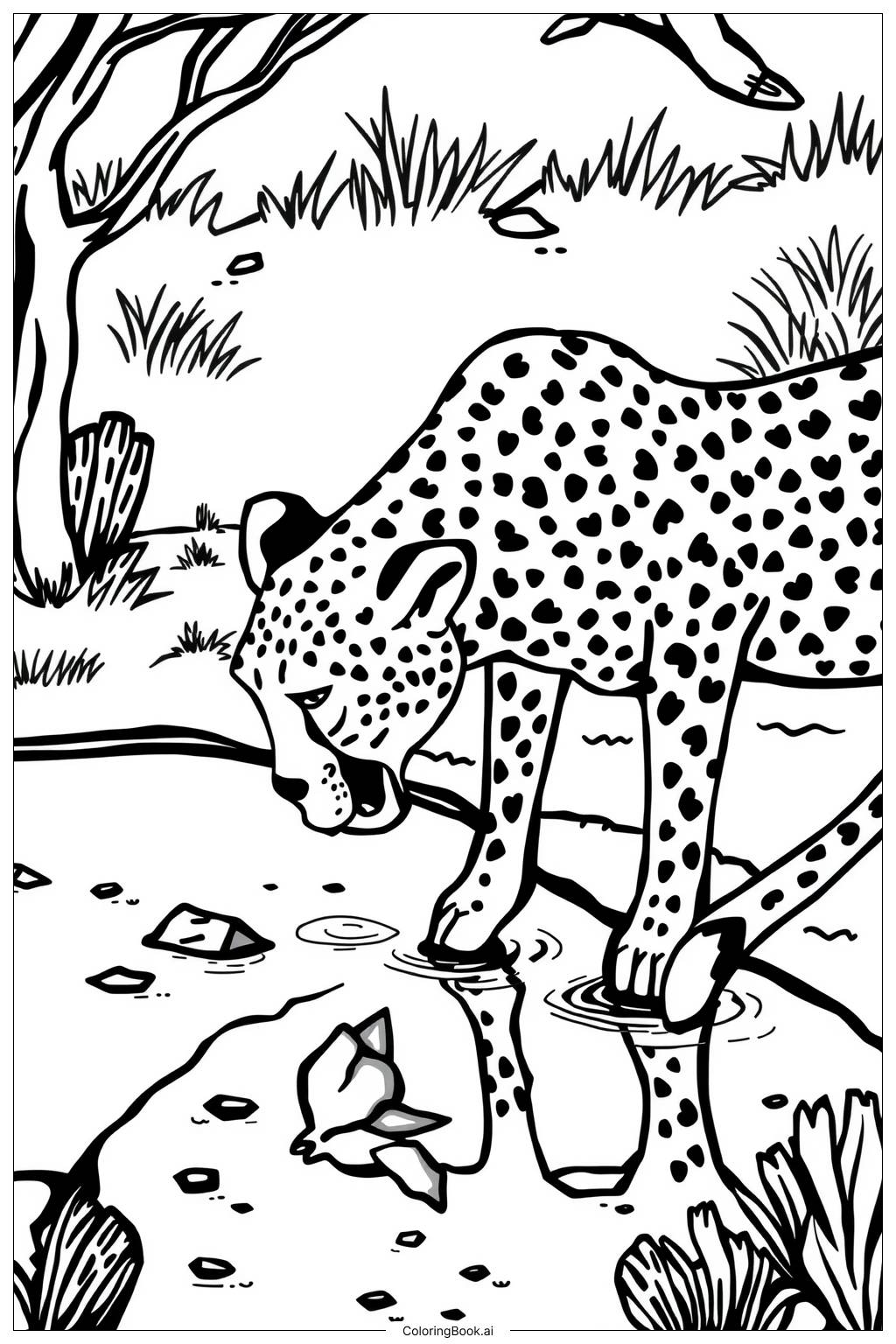
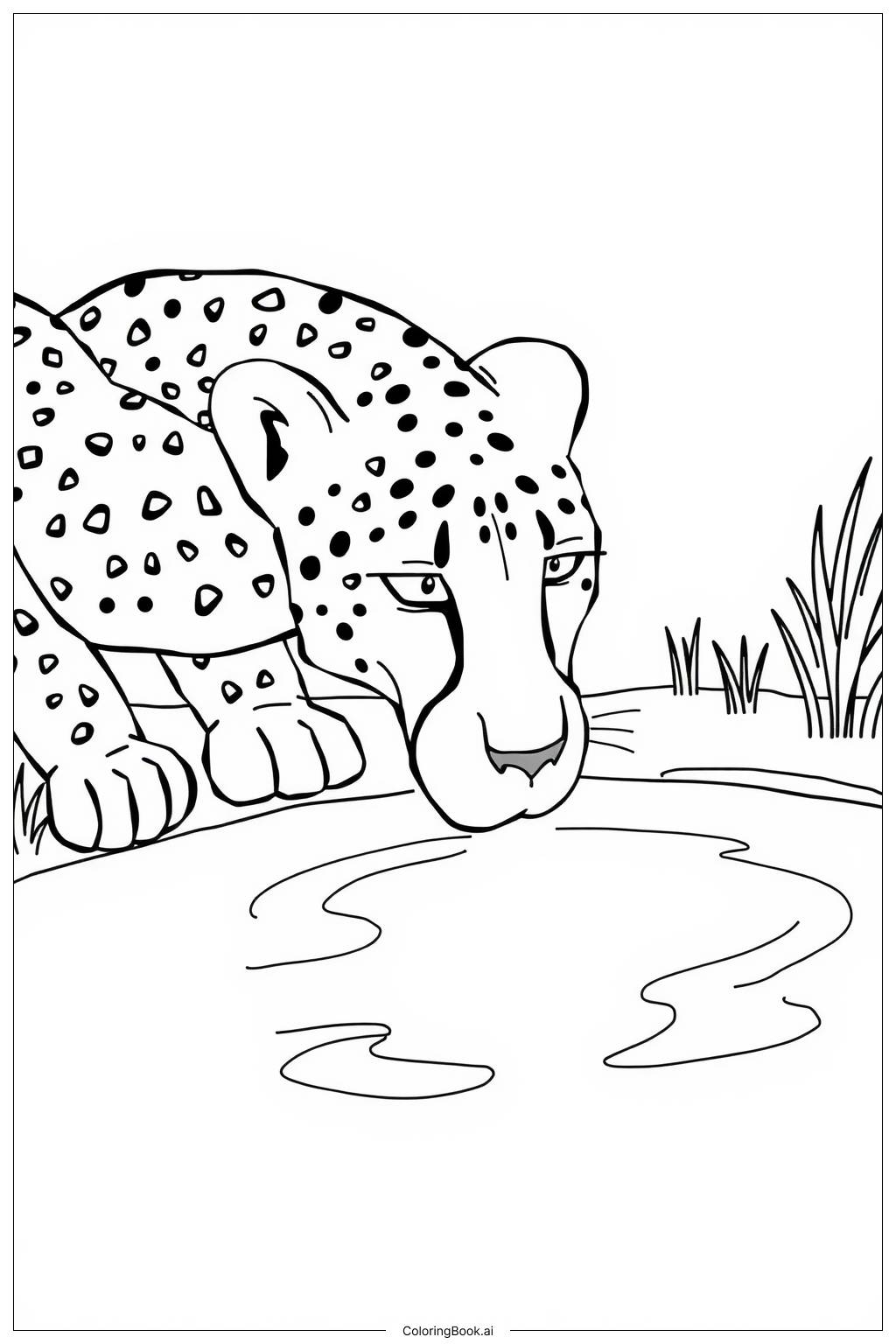
Use warm shades like golden yellow, sandy beige, and light brown for the cheetah's body to capture its natural fur color. Add darker brown or black spots on the cheetah to highlight its distinctive pattern. For the grass, mix different greens, such as light green, olive, and even some yellow-green tones, to give depth and realism. You can blend colors gently to show sunlight filtering through the grass. Try coloring the background with soft earth tones to emphasize the cheetah's environment. Feel free to add some sky blue at the top if you want to create a complete scene.
Coloring challenges: Which parts are difficult to color and need attention for cheetah grass play coloring page?
• Spot Pattern Complexity: The cheetah’s body has many small and irregular spots that need careful coloring to look natural and consistent. Avoid making the spots too uniform or too large. • Grass Texture Variation: The grass blades overlap and point in various directions, which can be challenging to color without making the scene look cluttered. Balancing different shades of green will help separate each blade visually. • Fine Details on Face and Eyes: The cheetah’s face requires precision, especially around the eyes and nose, where small lines and shading are important for expression. • Blending Colors: Smoothly blending the gradients of fur colors, from lighter shades on the belly to darker tones on the back, takes patience and control. This helps create the cheetah’s sleek and soft appearance. • Background Depth: Creating a sense of depth between the cheetah, nearby grass, and the distant savanna demands careful layering of color intensity, which can be tricky for beginners.
Benefits of coloring books: Advantages of drawing cheetah grass play coloring page
Coloring this cheetah grass play page helps improve focus and attention to detail, especially when working on the cheetah’s spot patterns and the texture of the grass. It encourages understanding of natural color variations and blending techniques. The activity also boosts creativity by inviting children to explore realistic and imaginative uses of color for a wild animal and its environment. Additionally, coloring scenes from nature can promote relaxation and a deeper connection to wildlife and outdoor settings. Overall, this page offers a fun way to develop fine motor skills and artistic confidence.