Coloring tips: How to color cheetah water drinking coloring page well?
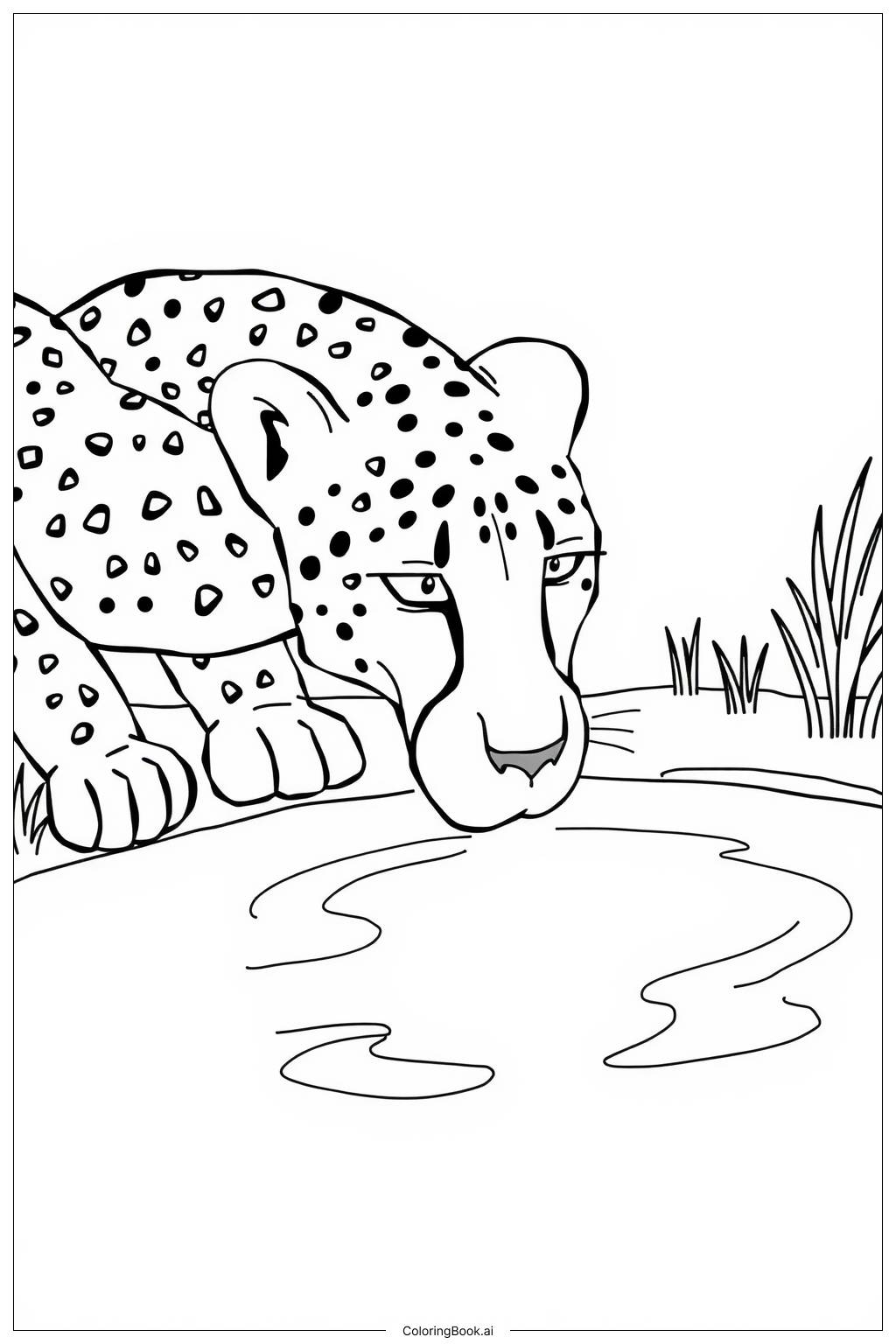
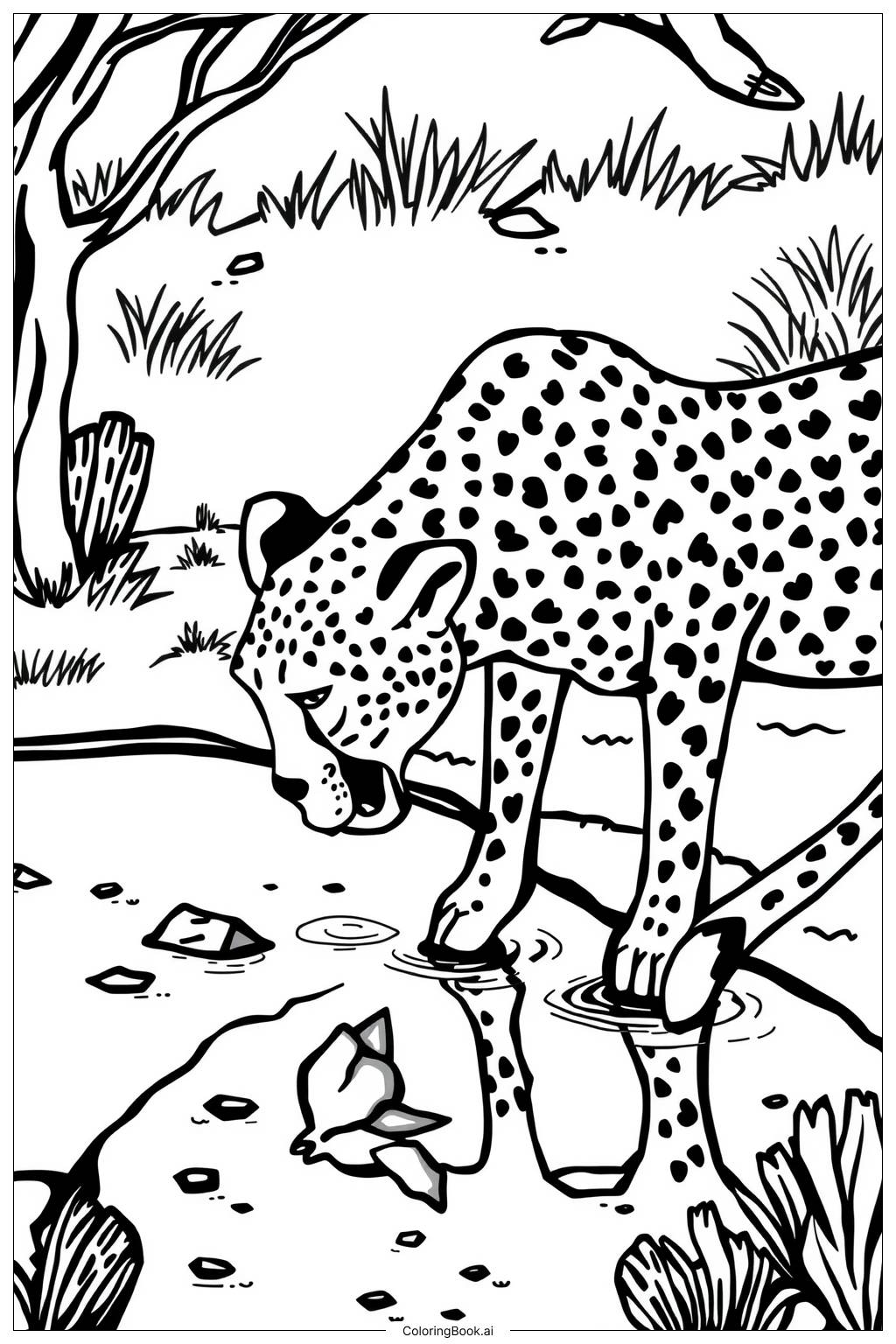
When coloring this image, you can use warm golden shades for the cheetah’s fur. Try yellows, tans, and light browns to show its sleek coat. Don’t forget to leave white or light cream areas for its underbelly and parts of the face. Use black or dark brown for the spots, nose, and eyes. For the water, soft blues and light grays work well to show reflection and ripples. You might add some green or brown for the grasses near the water. Feel free to add shadows beneath the cheetah to make it look more real. Use gentle blending to create smooth tones, especially on the water and fur.
Coloring challenges: Which parts are difficult to color and need attention for cheetah water drinking coloring page?
• Detailed Spot Patterns: The cheetah’s spots vary in size and shape, so maintaining consistency while coloring them can be tricky, especially keeping the spots distinct from the golden fur. • Reflections and Ripples: The water surface with its ripples requires careful shading to capture the subtle light reflections and movement, which may be challenging for beginners. • Fur Texture: Depicting the smooth yet slightly coarse texture of the cheetah’s fur demands a delicate balance between smooth coloring and visible strokes to suggest hair. • Natural Environment: Coloring the grass and plants realistically might be difficult because it involves different green tones and layering to create depth. • Balancing Contrast: Ensuring the cheetah stands out clearly against the background while keeping the scene natural requires attention to light and dark areas.
Benefits of coloring books: Advantages of drawing cheetah water drinking coloring page
Coloring this cheetah water drinking scene helps improve attention to detail through working on the spots and natural textures. It encourages color recognition and blending skills by using various shades of gold, black, blue, and green. This page also promotes focus and hand-eye coordination as children carefully fill in small areas like the spots and ripples. Creative expression is encouraged by choosing colors for the environment and experimenting with shading. Finally, it offers a fun way to learn about animals and nature in an engaging way that can boost patience and concentration.