Coloring tips: How to color cheetah face smile-2 coloring page well?
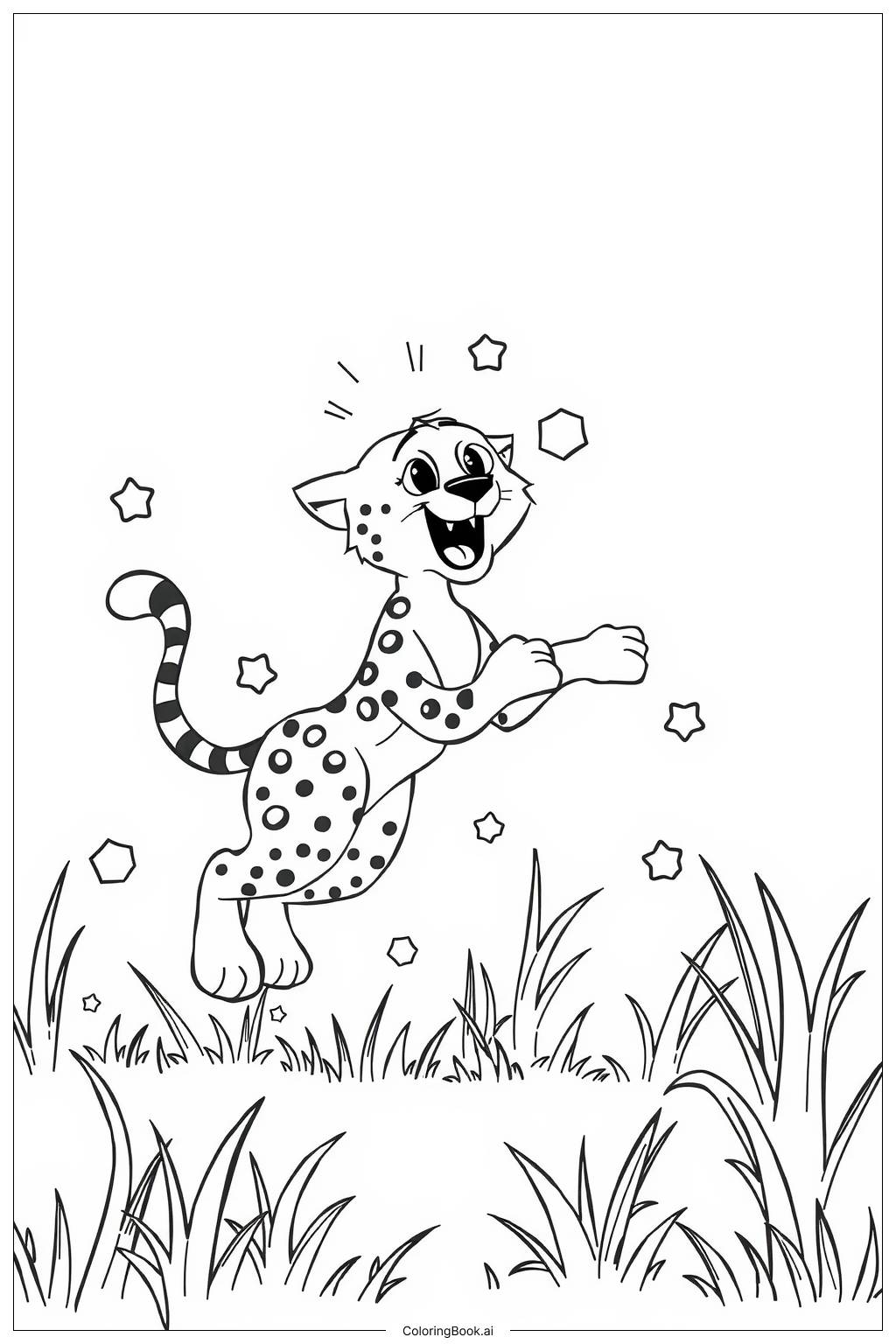
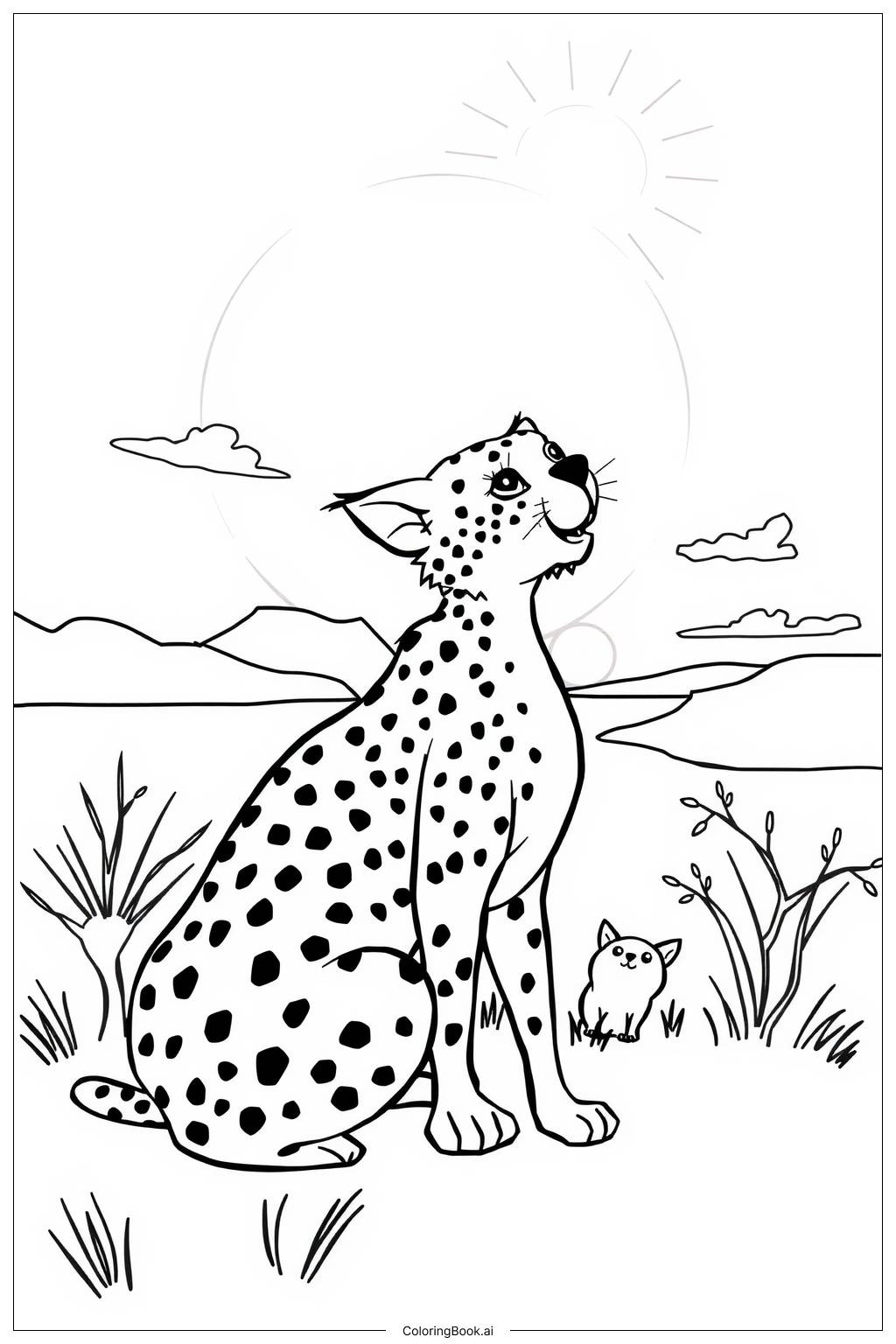
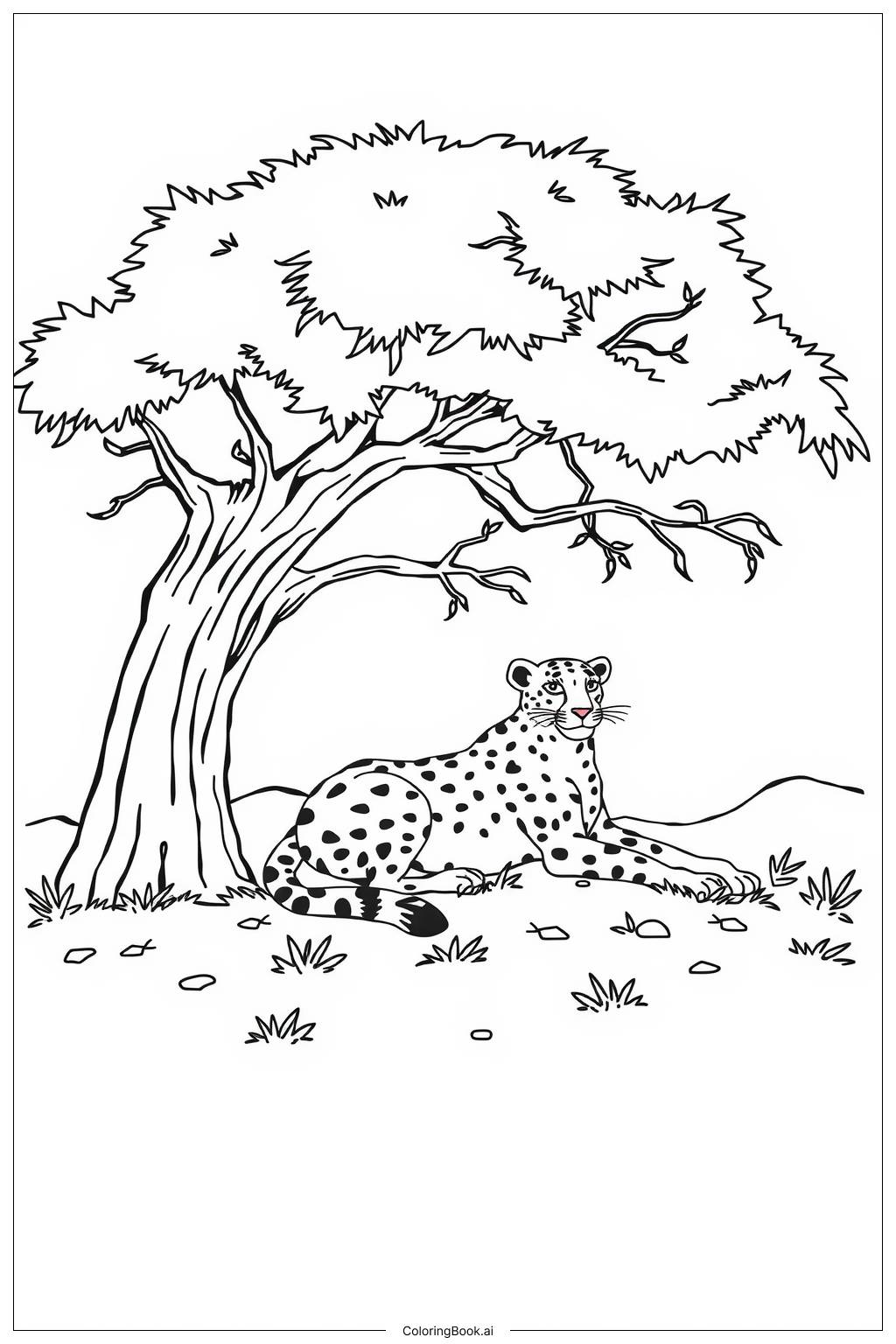
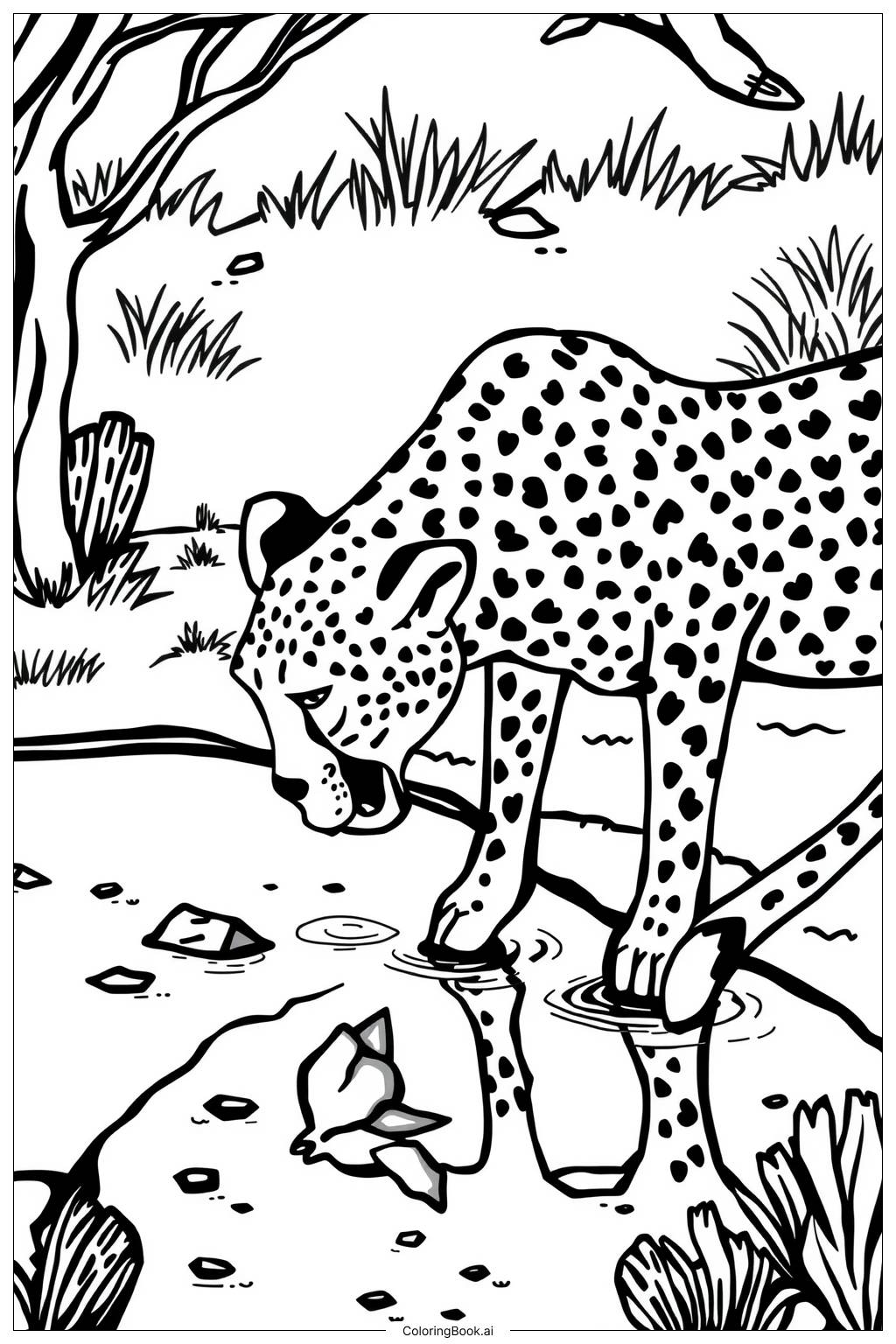
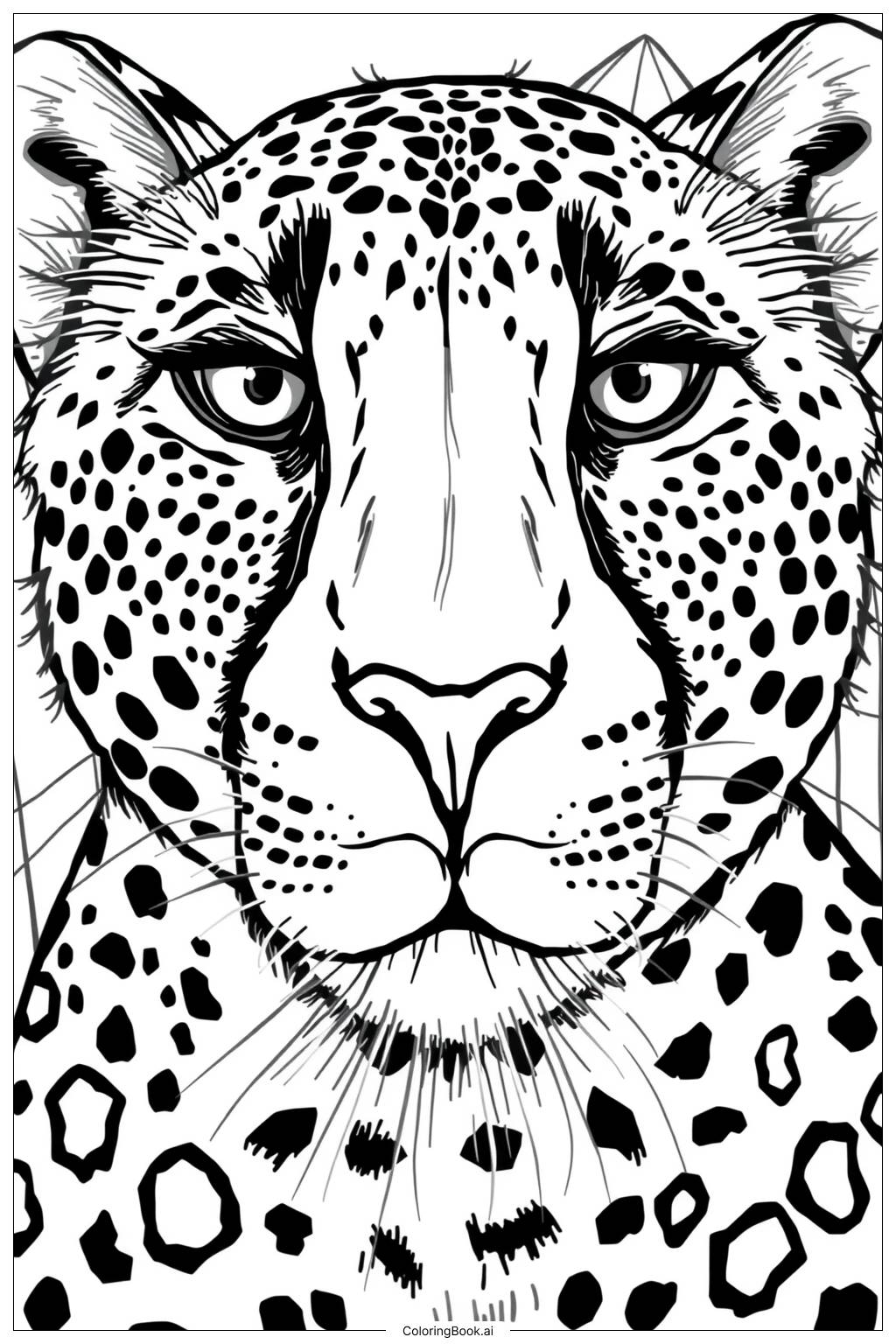
To color this cheetah face, use warm yellows, golds, and oranges for the fur. The spots should be colored dark brown or black, matching the natural patterns. The tear marks can be shaded with a soft black or gray to stand out nicely against the lighter fur. Color the eyes vibrant amber or deep brown to make them look lively. For the nose and mouth, use soft pinks or dark tones depending on your style. The background can be filled with green or light brown shades to represent the grasslands where cheetahs live. Try blending a few colors gently to give the fur a soft, natural look.
Coloring challenges: Which parts are difficult to color and need attention for cheetah face smile-2 coloring page?
• Spot Patterns: The cheetah’s face has many small and irregular spots. Keeping each spot distinct without smudging can be tricky. Careful coloring with a fine-tip pen or pencil is needed to maintain neatness.
• Tear Marks: These lines run down from the eyes and require precise coloring to keep them sharp and clear. Too much color overlap can blur these important markings.
• Facial Expression: Capturing the cheetah’s warm smile means shading the nose, mouth, and eyes carefully. Inconsistent coloring here might change the expression.
• Color Transitions: The fur on a cheetah’s face transitions from light to darker tones subtly. Achieving smooth blending to represent this natural gradient might be challenging for beginners.
• Small Details: The ears, whisker spots, and areas around the eyes have many tiny details that require patience and a steady hand to color inside the lines accurately.
Benefits of coloring books: Advantages of drawing cheetah face smile-2 coloring page
Coloring this cheetah face helps improve fine motor skills and hand-eye coordination as children carefully fill in the detailed spots and lines. It encourages attention to detail and patience while managing the small, intricate areas of the face. The project also stimulates creativity by allowing color choices for natural patterns and imaginative backgrounds. Engaging with this animal portrait can enhance knowledge about wildlife and inspire a love for nature. Overall, it promotes relaxation and focus, making it a fun and educational coloring activity for kids and young teens.