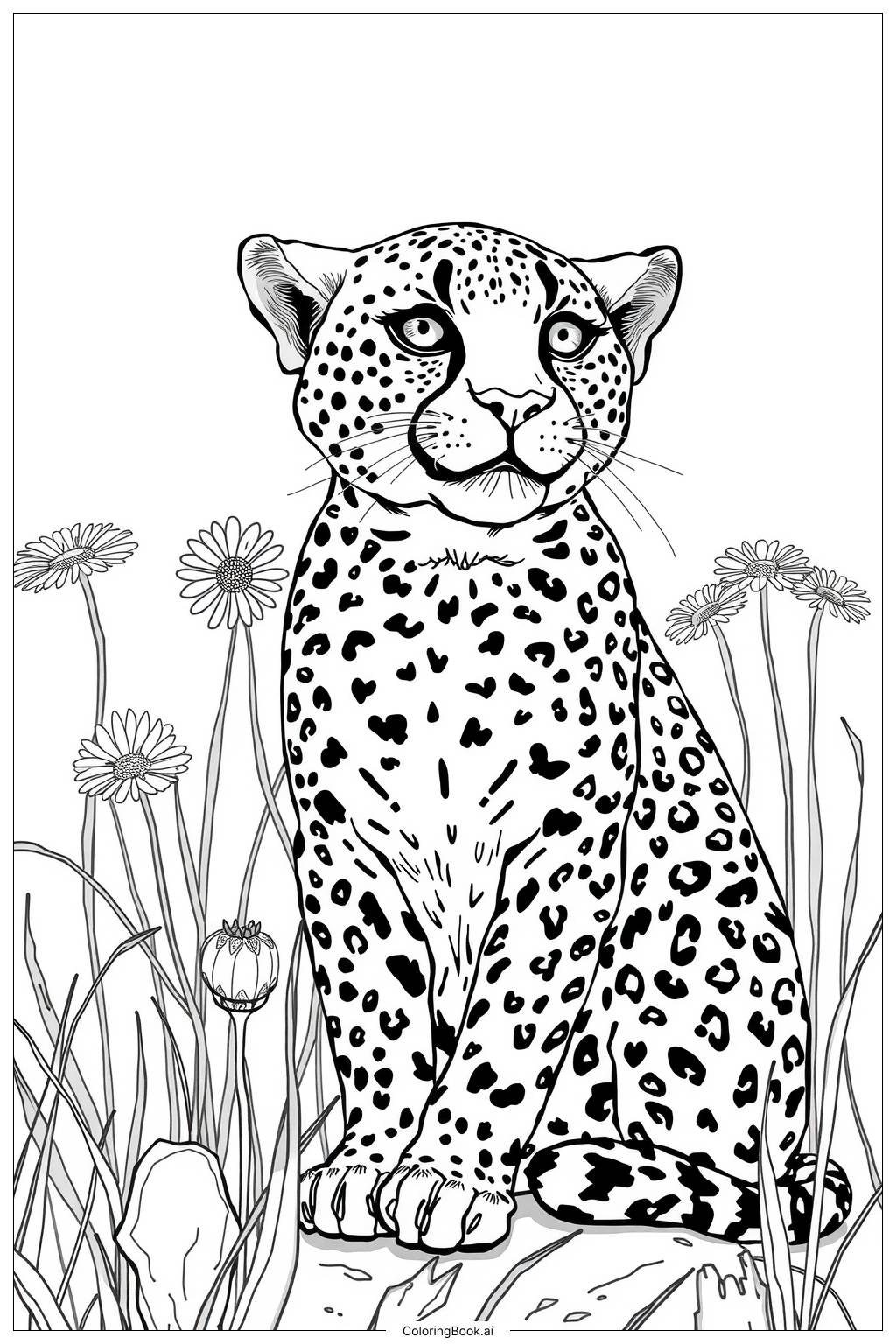
Coloring tips: How to color cheetah cute pose coloring page well?
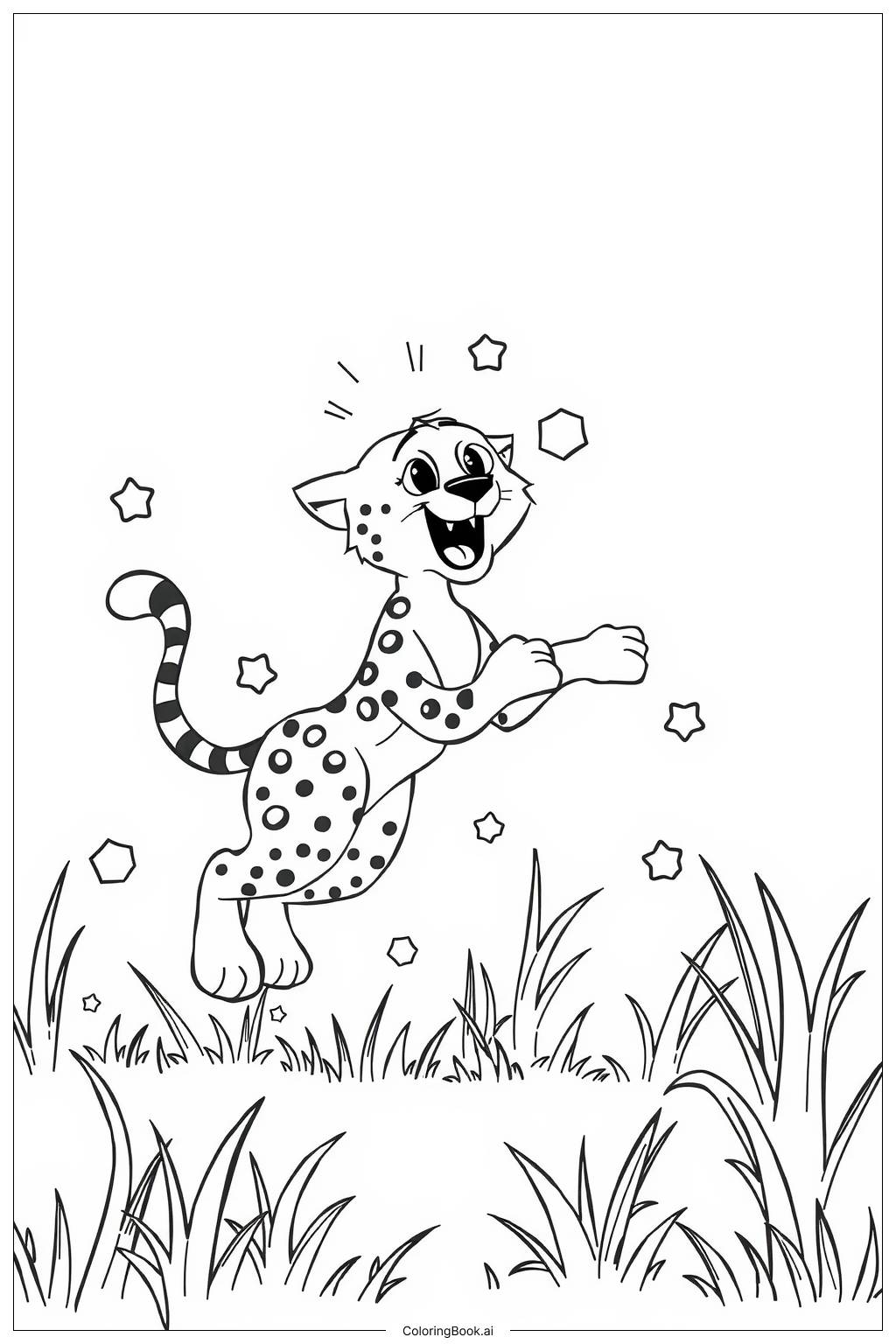
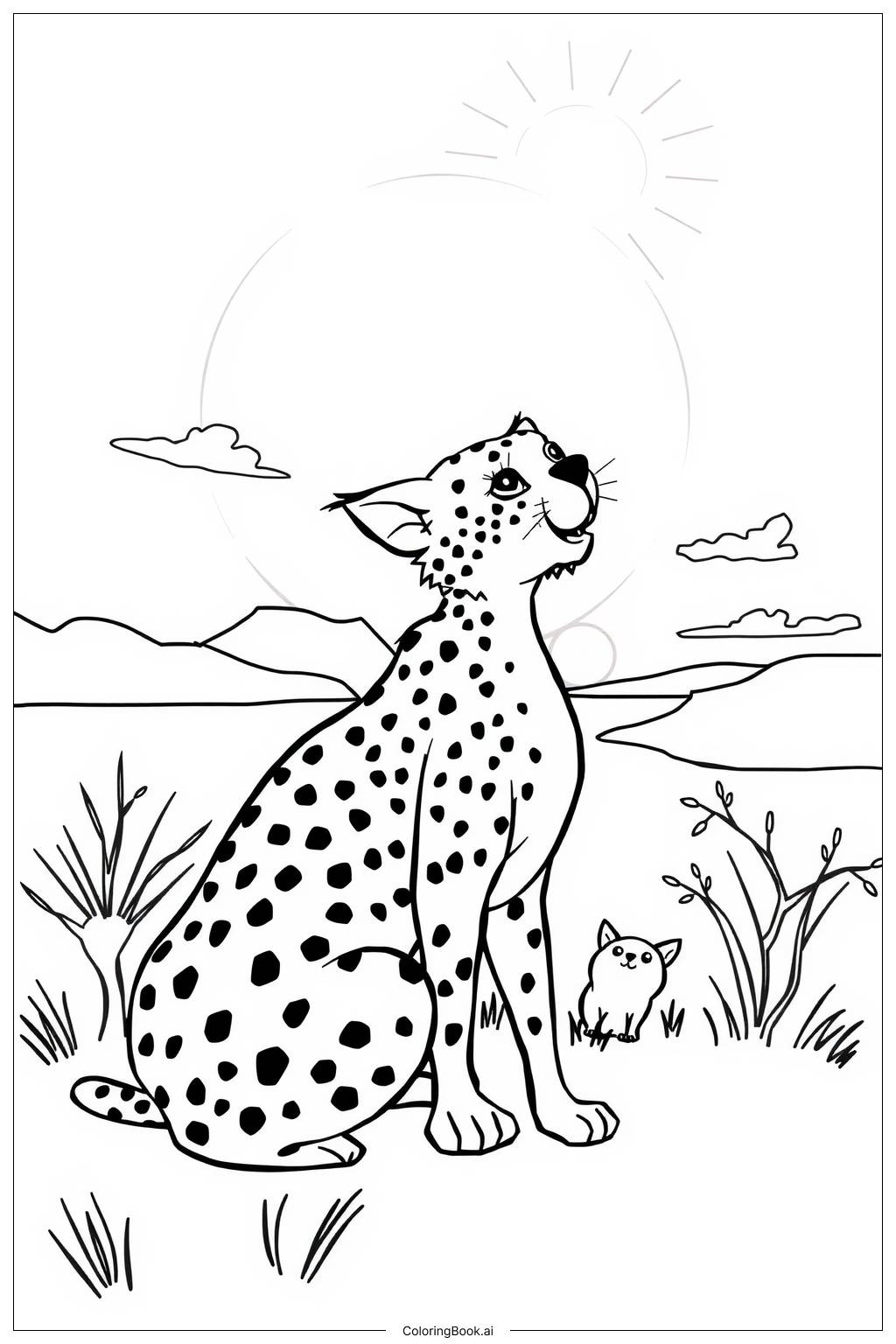
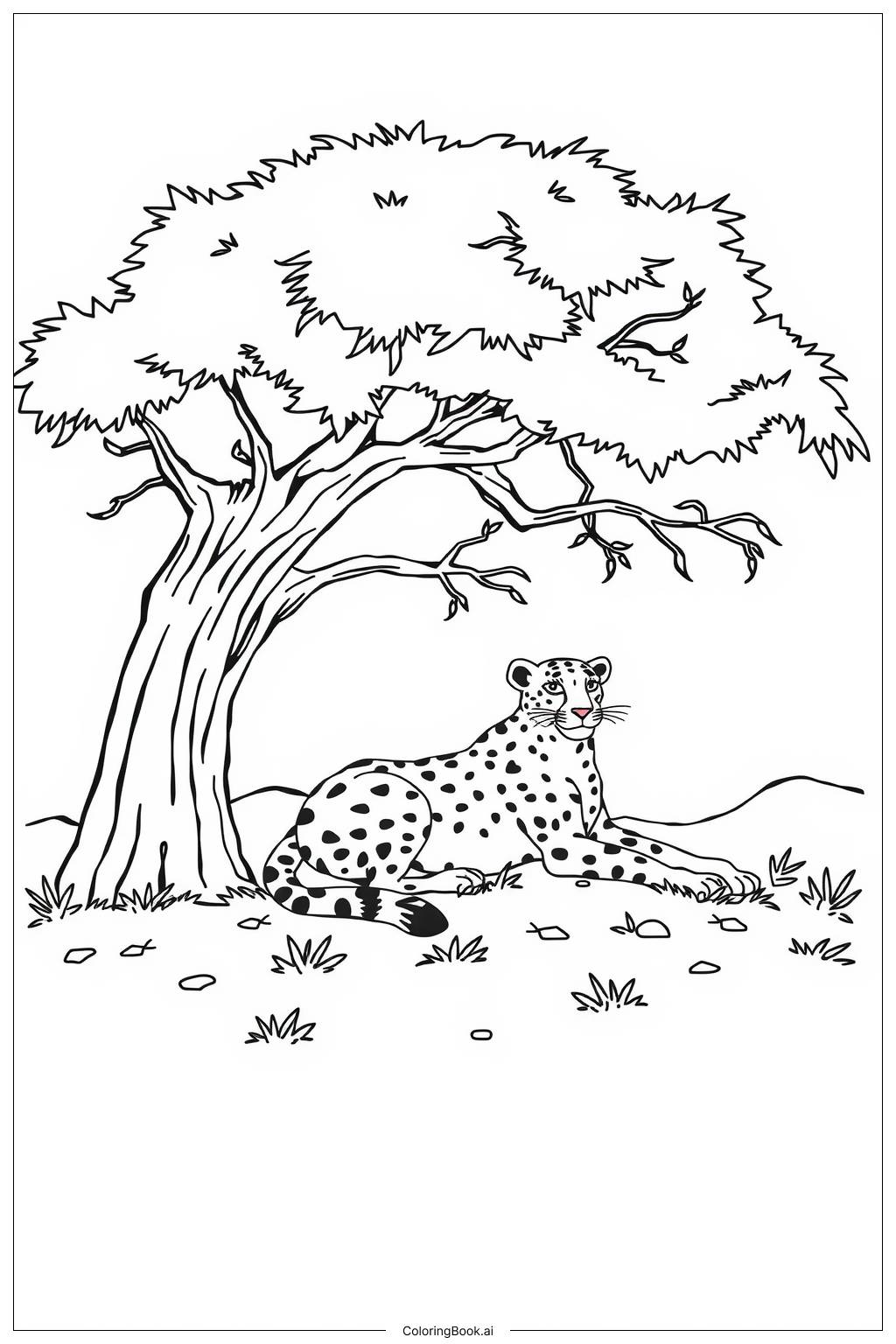
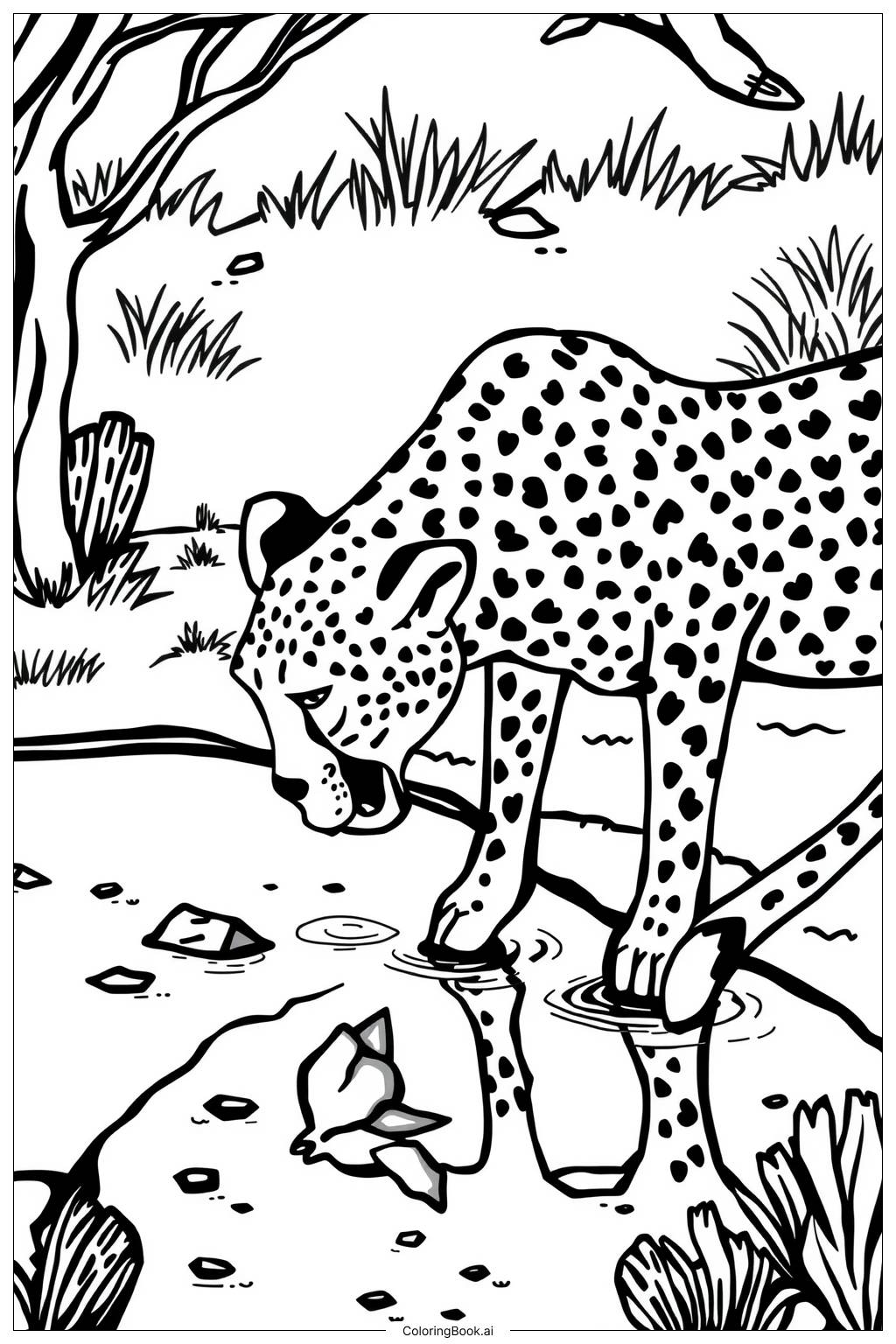
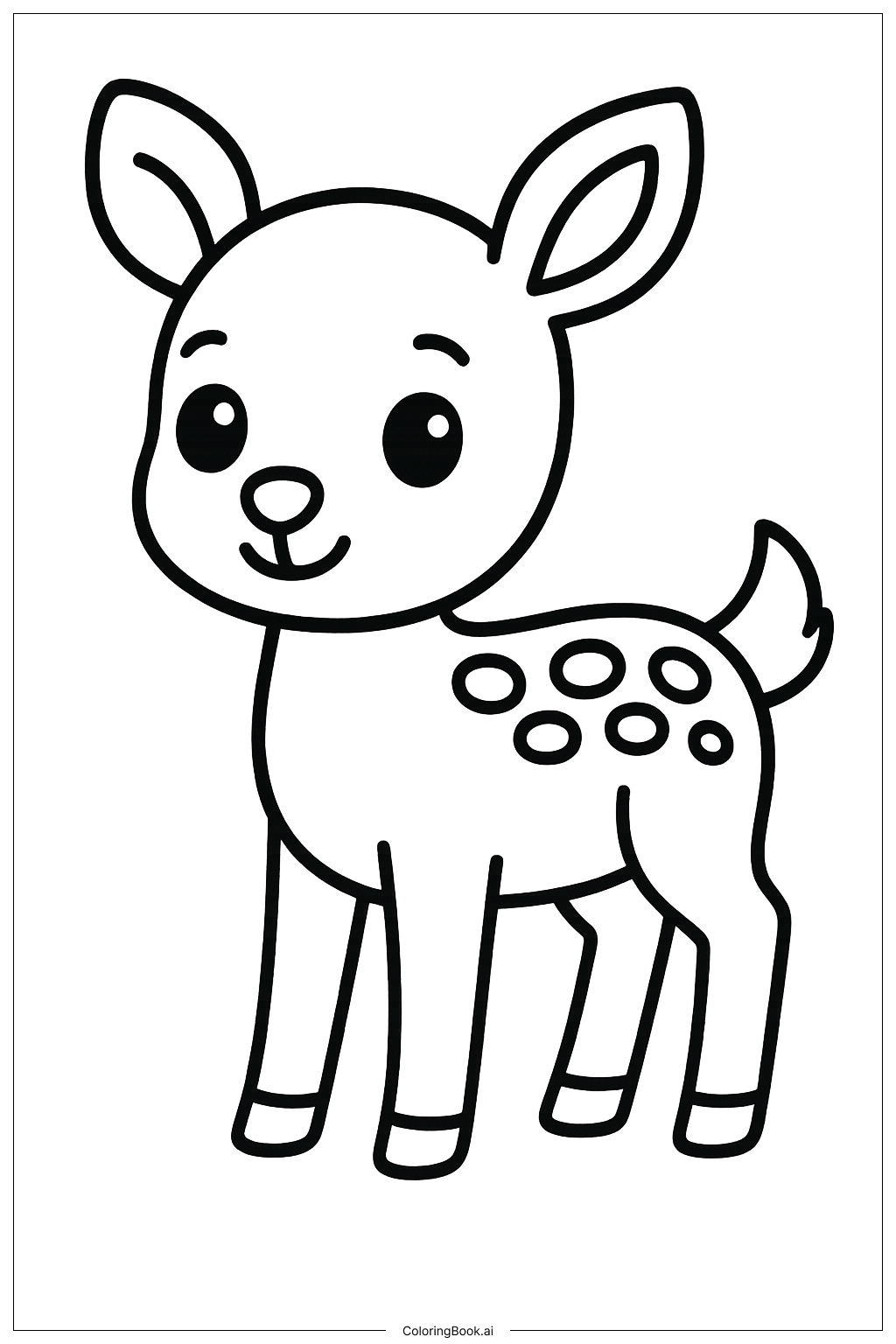
When coloring this image, start with a light golden yellow or tan shade for the cheetah’s main fur color. Use a slightly darker yellow or orange to add warmth and shading on the legs and back. For the spots, choose a dark brown or black to create contrast that stands out. You can add soft pink inside the ears and on the nose to highlight these cute details. To make the eyes sparkle, use a bright shade of green or amber, adding a little white for reflections. The tail should follow the same color pattern as the body, but feel free to make the tip a richer dark color. This picture invites you to experiment with soft blending for the fur to give the cheetah a smooth, silky look.
Coloring challenges: Which parts are difficult to color and need attention for cheetah cute pose coloring page?
• Detailed Spot Patterns: The cheetah’s coat is covered in many small spots that vary in size and shape. Coloring each spot carefully without going outside the lines can be challenging, especially for younger children.
• Shading the Fur: To make the cheetah look three-dimensional, subtle shading is needed on the legs, belly, and face. Using multiple shades of yellow and brown may require patience and blending skills.
• Facial Features: The eyes, nose, and mouth need precise coloring to express the cheetah’s cute and lively emotions. Mistakes here could change the friendly look.
• Tail Curling: The tail curves around the body with spots following the shape, which means the spots require consistent placement and sizing along a curved line.
• Small Details: The ears and whiskers have fine lines that demand a steady hand and controlled coloring to prevent overfilling or blurring the details.
Benefits of coloring books: Advantages of drawing cheetah cute pose coloring page
Coloring this cheetah cute pose helps children develop fine motor skills and hand-eye coordination through careful coloring of small spots and details. It encourages focus and patience as they practice shading to create depth and texture in the fur. The playful expression invites creativity by allowing children to choose different eye and fur shades, enhancing their color recognition and aesthetic sense. This image also sparks curiosity about wildlife, promoting an interest in animals and nature. Overall, it’s a fun and calming activity that builds confidence in young artists while nurturing their love for animals.