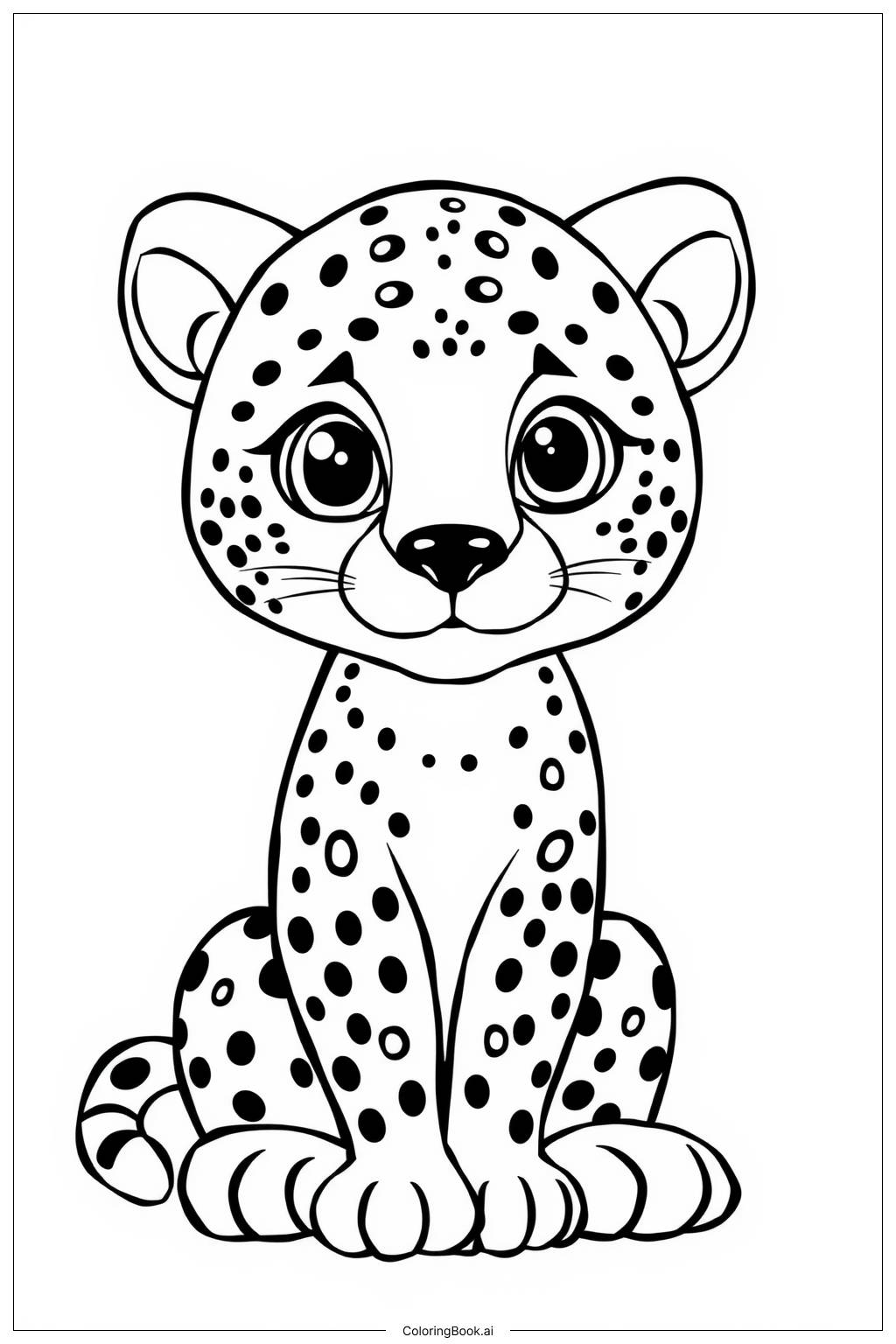
Coloring tips: How to color cheetah cute pose coloring page well?
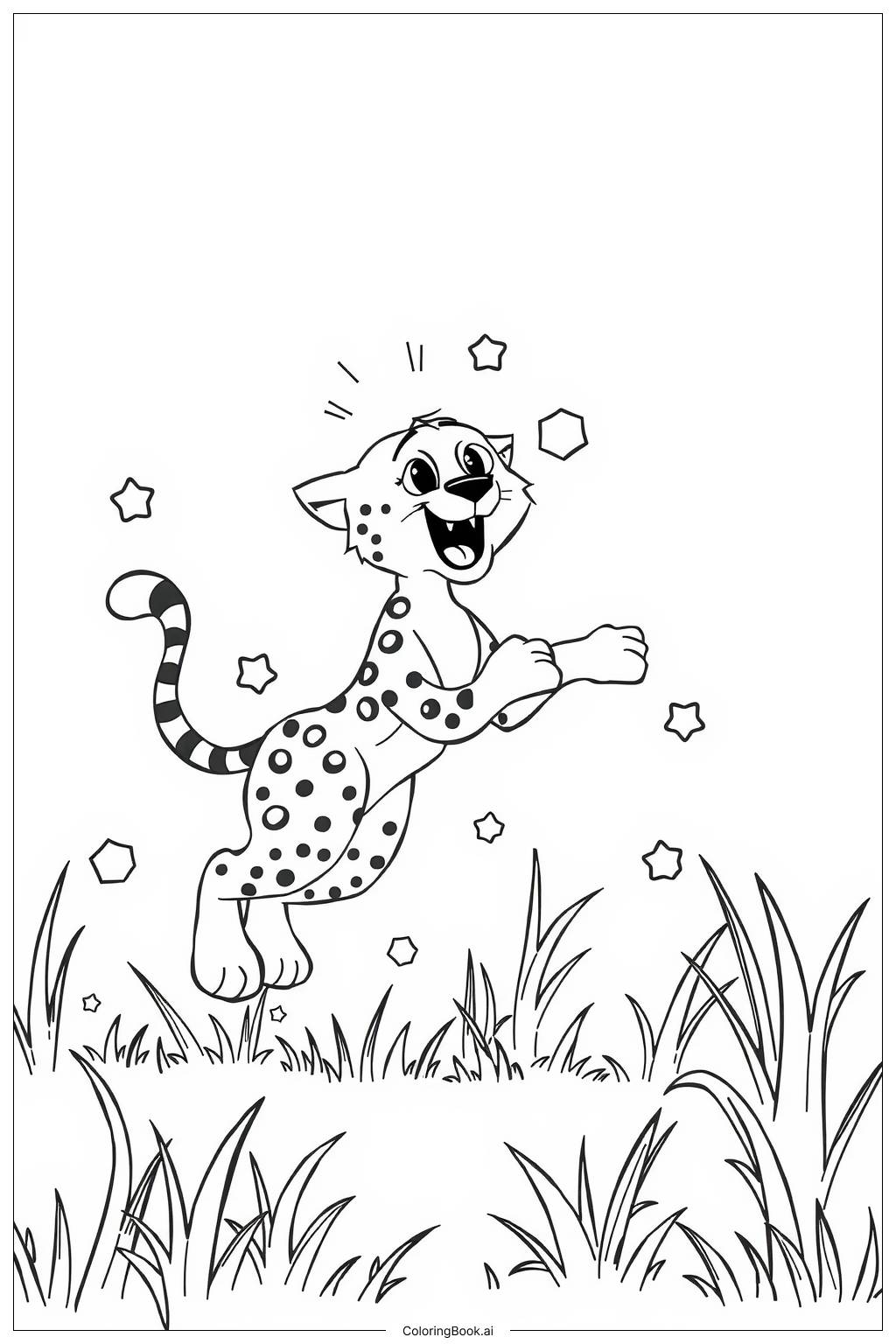
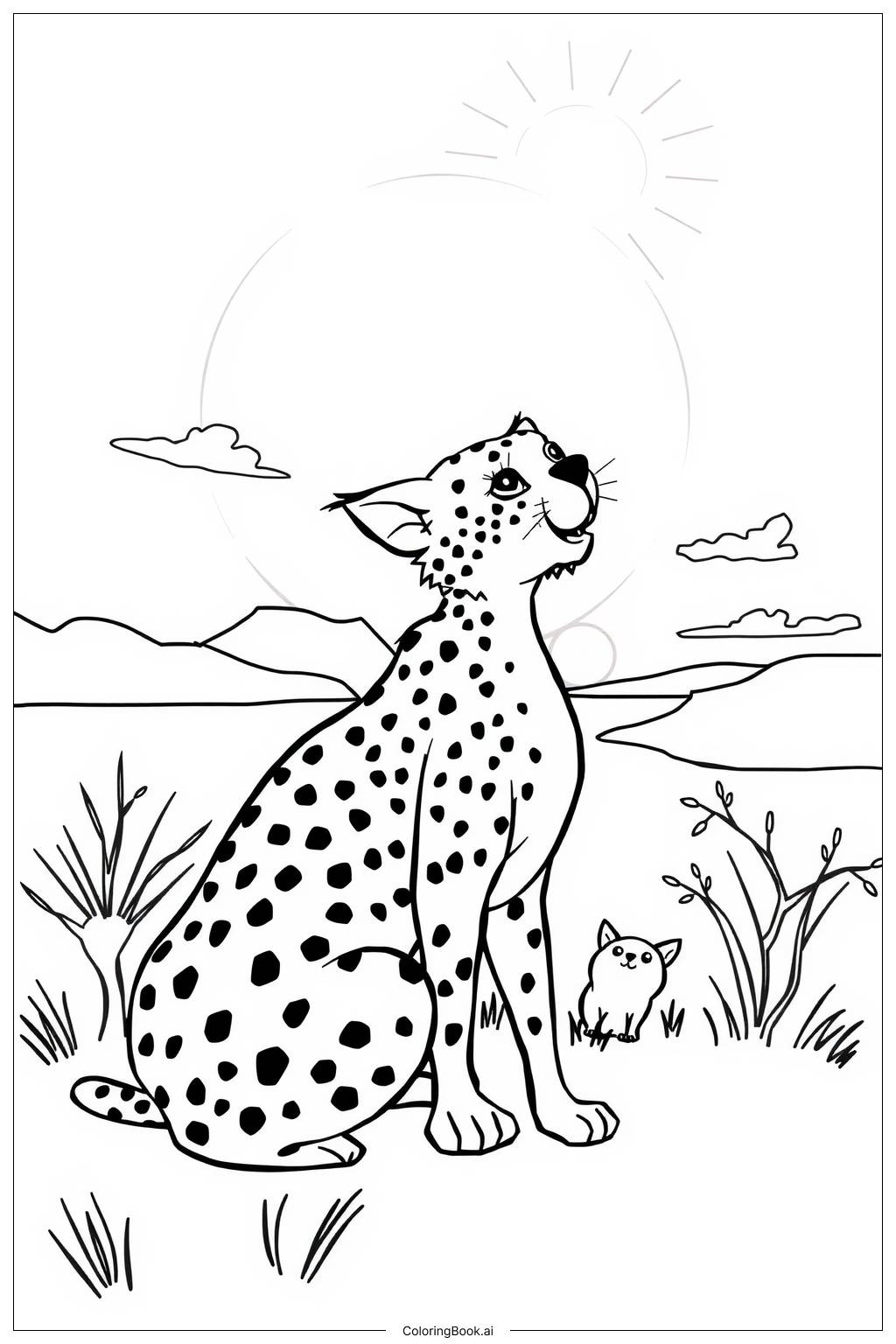
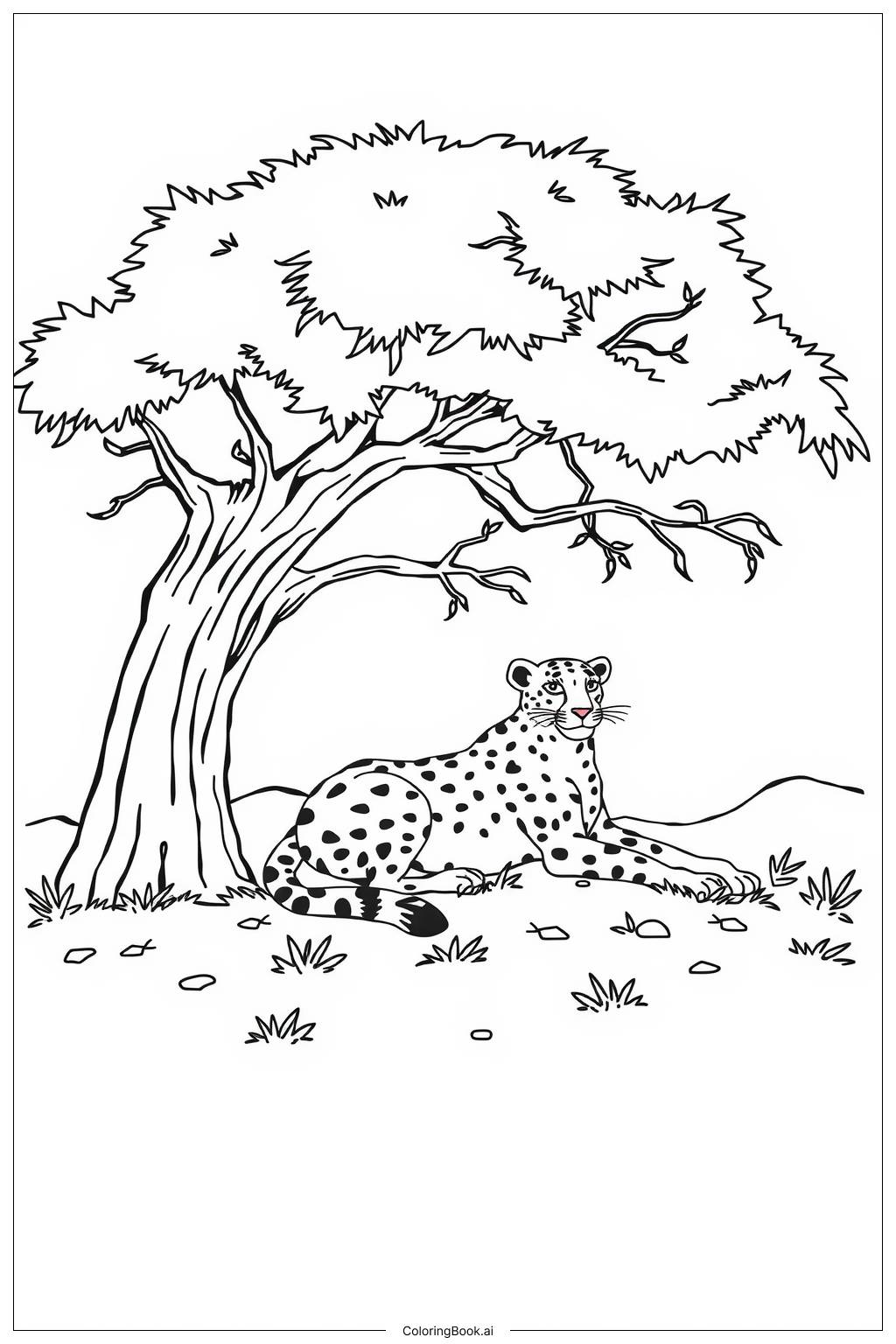
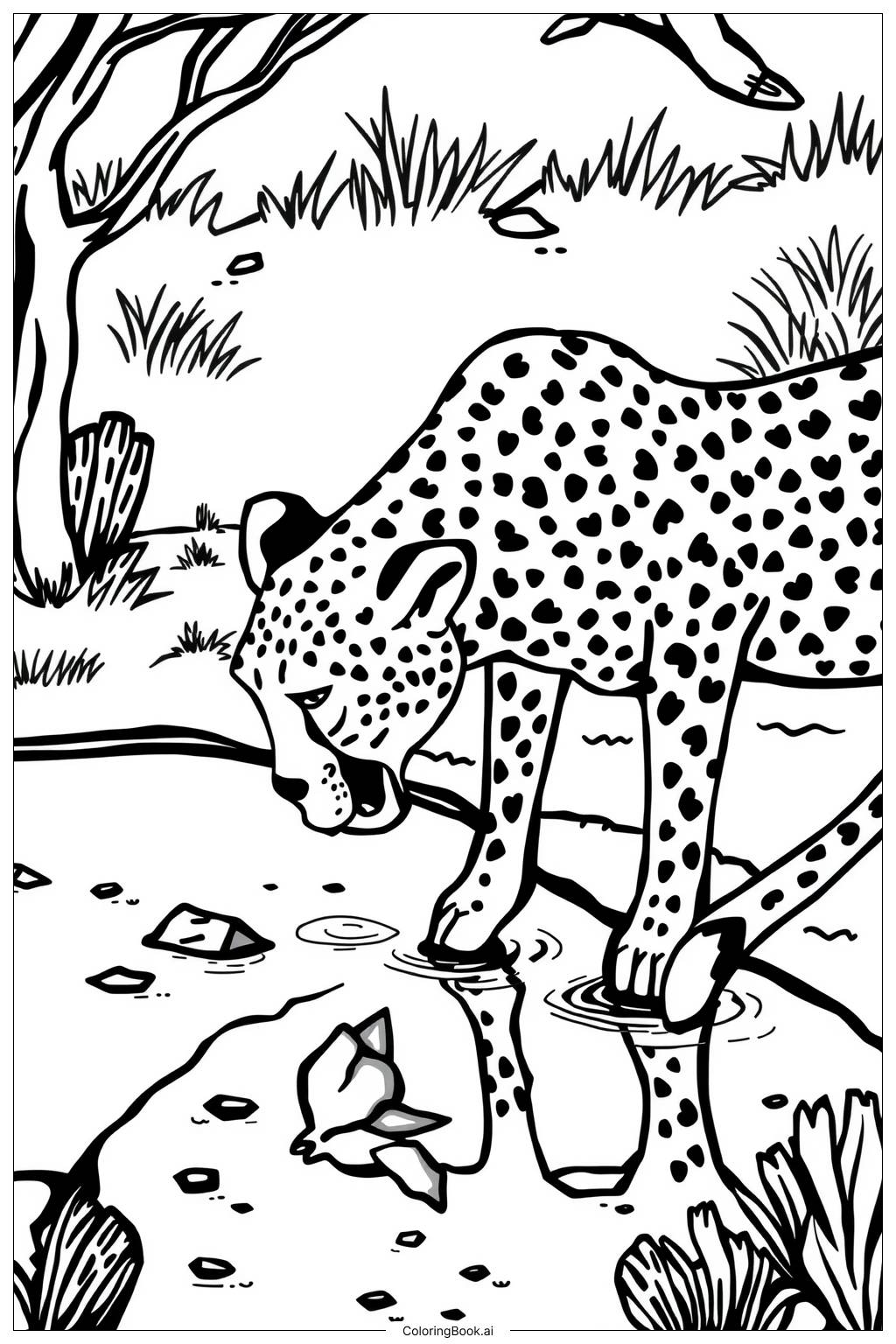
Use warm colors like golden yellow or light orange for the cheetah’s fur to make it look bright and natural. Add brown or black for the distinctive spots and the tip of the tail. Soft pink or peach can be used for the nose and inside the ears. For the eyes, try shades of amber or soft brown to bring them to life. The background can be filled with light green or sandy beige to suggest grass or dry earth. Feel free to add touches of blue or white to highlight the light reflecting on the fur. To make the cheetah stand out, color the ground with subtle shades that contrast with the animal’s fur. Children can experiment with blending colors lightly to show the soft fur texture.
Coloring challenges: Which parts are difficult to color and need attention for cheetah cute pose coloring page?
• Spot Patterns: The cheetah’s many small spots must be colored carefully to keep their distinctive shapes and avoid coloring outside the lines. This requires steady hand control. • Fur Gradient: Showing the natural fur color that gradually changes from light to darker tones can be tricky for young colorers who may find blending colors challenging. • Facial Features: Coloring the expressive eyes, nose, and ears with fine detail demands patience because these areas are smaller and sensitive to color placement. • Tail and Legs: The curling tail and the thin legs have narrow spaces and curves that can be difficult to fill with color evenly. Missing or uneven coloring may affect the overall look. • Background Balance: Coloring the simple background while ensuring the cheetah remains the focus requires thoughtful color choices so the picture does not become overcrowded or lose its natural feel.
Benefits of coloring books: Advantages of drawing cheetah cute pose coloring page
Coloring this cute cheetah pose helps children develop their fine motor skills through careful coloring inside small shapes like spots and facial areas. It encourages observation as they choose colors matching the animal’s natural look and patterns. The activity also stimulates creativity when deciding how to color the background and highlights. Working on this image can improve concentration and patience, as children focus on completing detailed parts. Additionally, it offers an opportunity to learn about wildlife and appreciate the beauty of animals, deepening empathy and curiosity about nature.