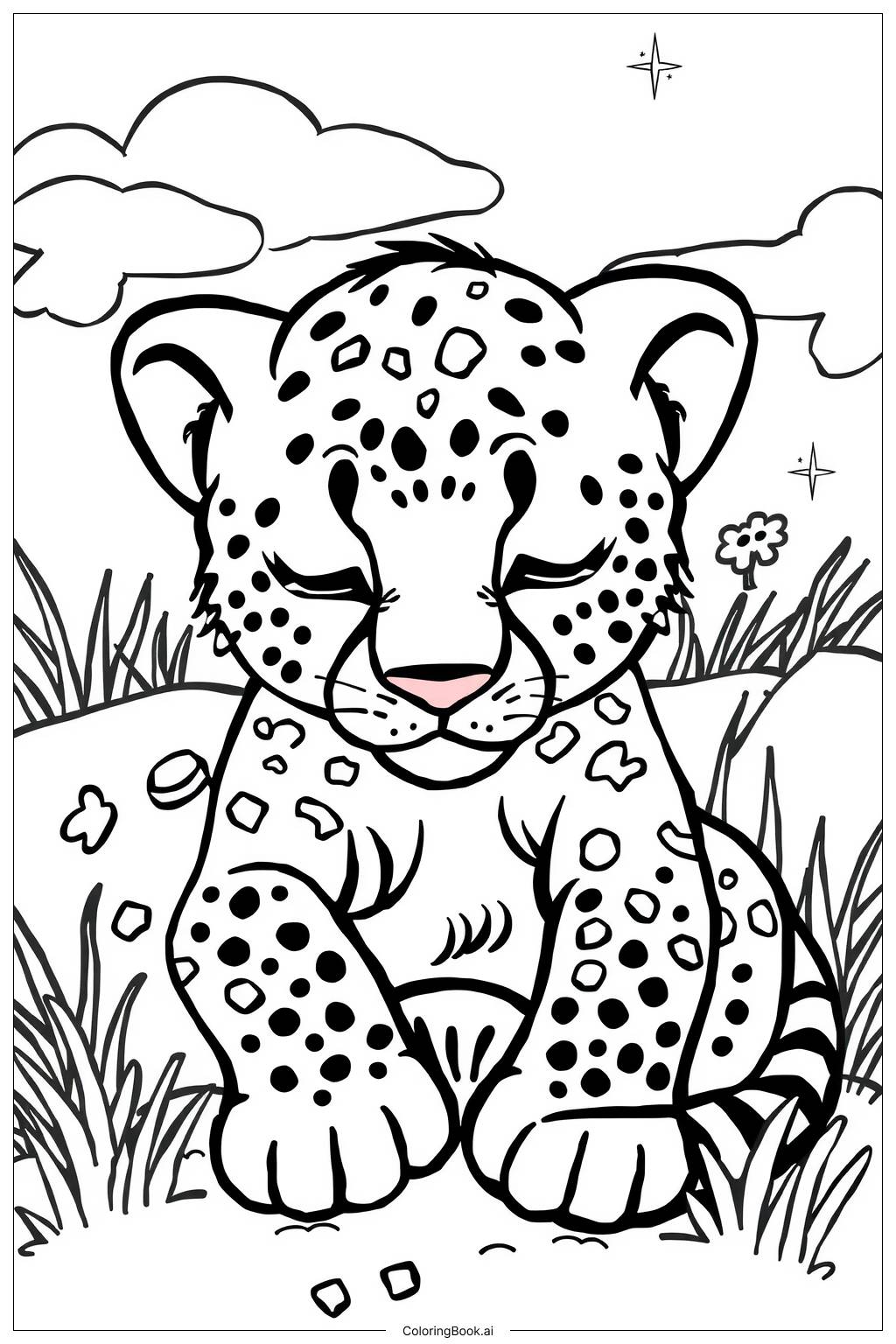
Coloring tips: How to color cheetah cub playing coloring page well?
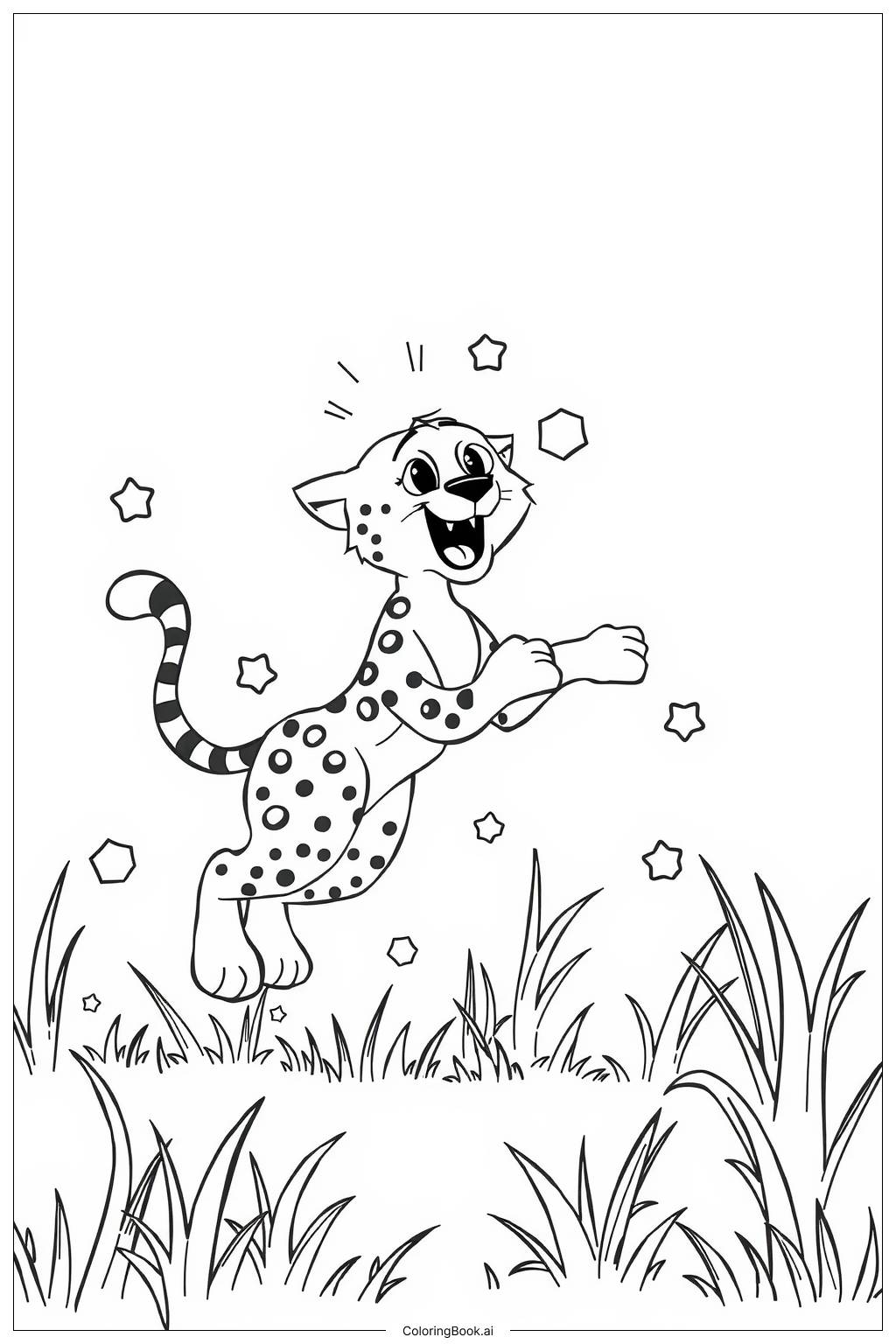
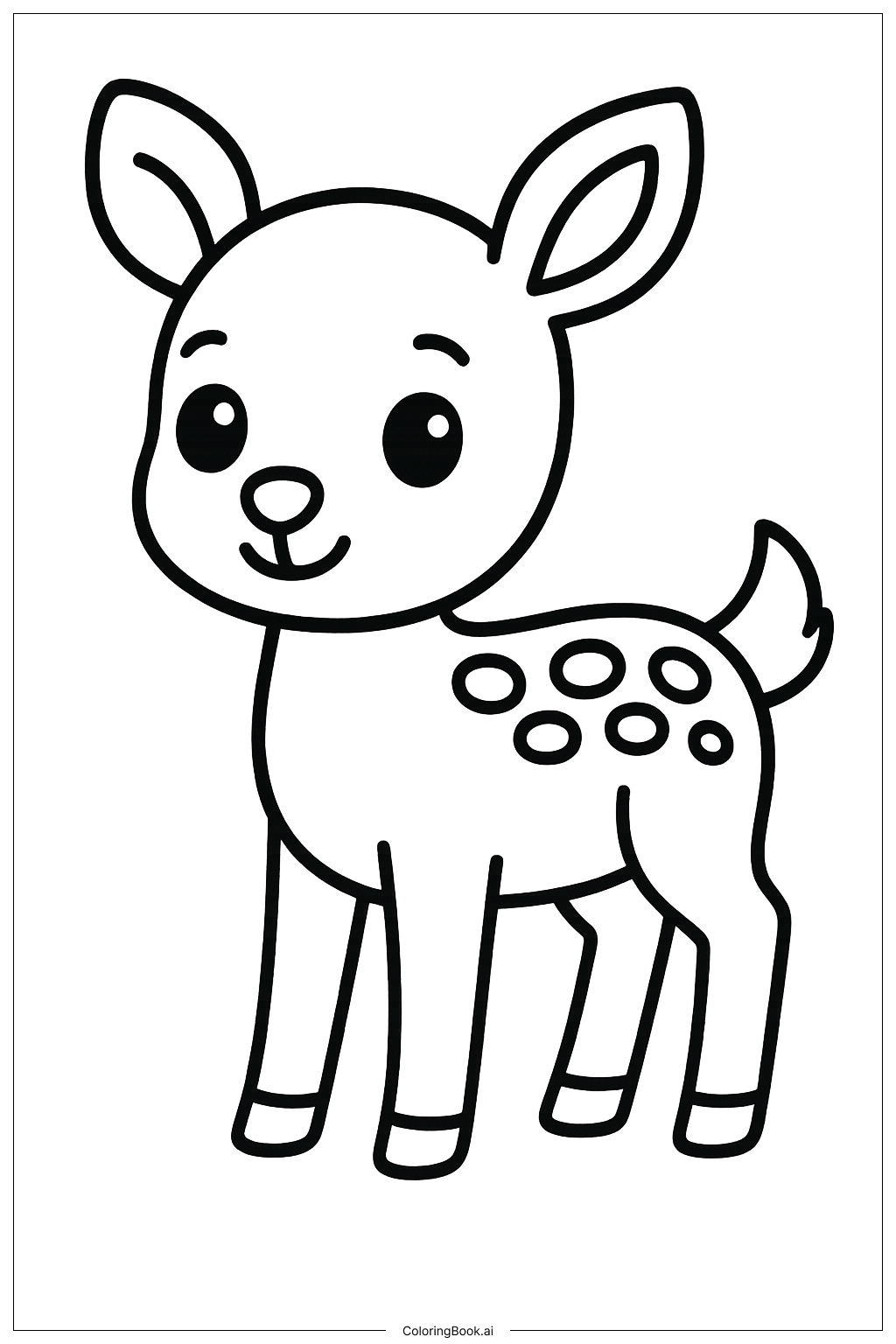
When coloring this cheetah cub playing, try using warm yellows and oranges for the body to capture the natural colors of a cheetah's fur. For the spots, use dark brown or black to make them stand out. You can color the eyes a bright amber or golden shade to bring life to the cub’s curious gaze. The tail tip usually has a darker color, so consider a deep brown or black there as well. Use soft green or light brown for the ground or background to keep the focus on the cub. Adding light shading with a gentle orange or tan can make the cub look more three-dimensional and lively. Keep the colors cheerful and bright to match the fun mood of the image.
Coloring challenges: Which parts are difficult to color and need attention for cheetah cub playing coloring page?
• Spot Pattern Complexity: Coloring the many small spots on the cub’s fur can be challenging, requiring careful attention to detail to keep each spot neat and consistent.
• Fur Texture Representation: Capturing the soft, fluffy texture of a young cheetah’s coat needs light and smooth coloring strokes rather than harsh lines.
• Movement and Positioning: The cub’s playful pose has overlapping paws and curved tail that may confuse the child about where to color certain parts correctly.
• Contrast Balancing: Making sure the dark spots contrast well against the yellow-orange fur without overpowering the coloring takes some control over color intensity.
• Background Simplicity: While the background is plain, children might find it tricky to choose colors that don’t clash with or distract from the cub itself.
Benefits of coloring books: Advantages of drawing cheetah cub playing coloring page
Coloring this image of a cheetah cub playing helps develop fine motor skills as children carefully fill in detailed spots and small areas. It encourages patience and concentration to complete the fun but detailed fur patterns. Choosing colors also nurtures creativity and understanding of natural animal colors. The joyful pose invites positive emotions and imagination about wildlife, helping children connect with nature and animals. Completing the coloring can boost confidence and satisfaction from finishing a charming artwork. It’s a great way to combine fun with learning about the beautiful features of a young cheetah.