Coloring tips: How to color cheetah cub playing coloring page well?
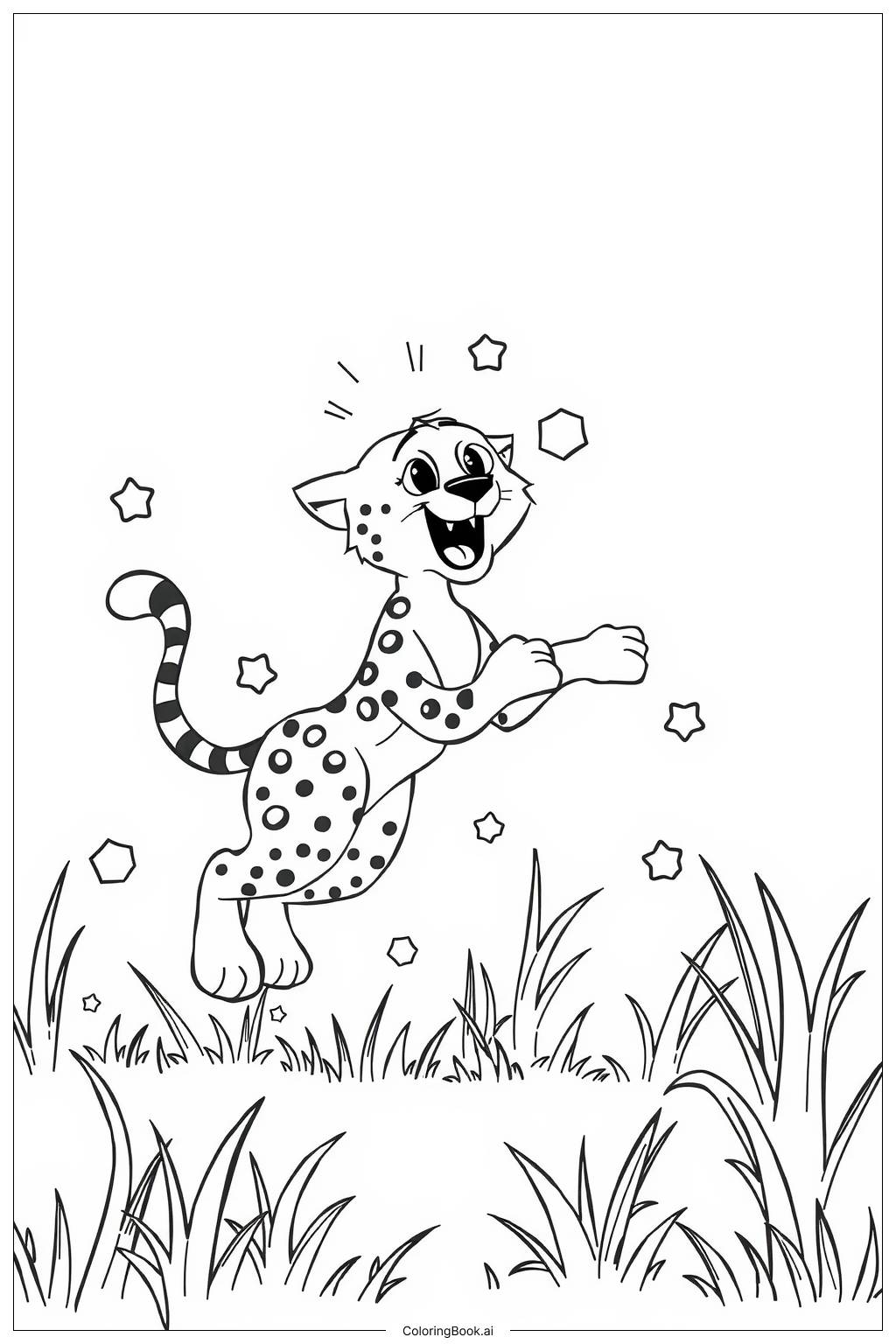
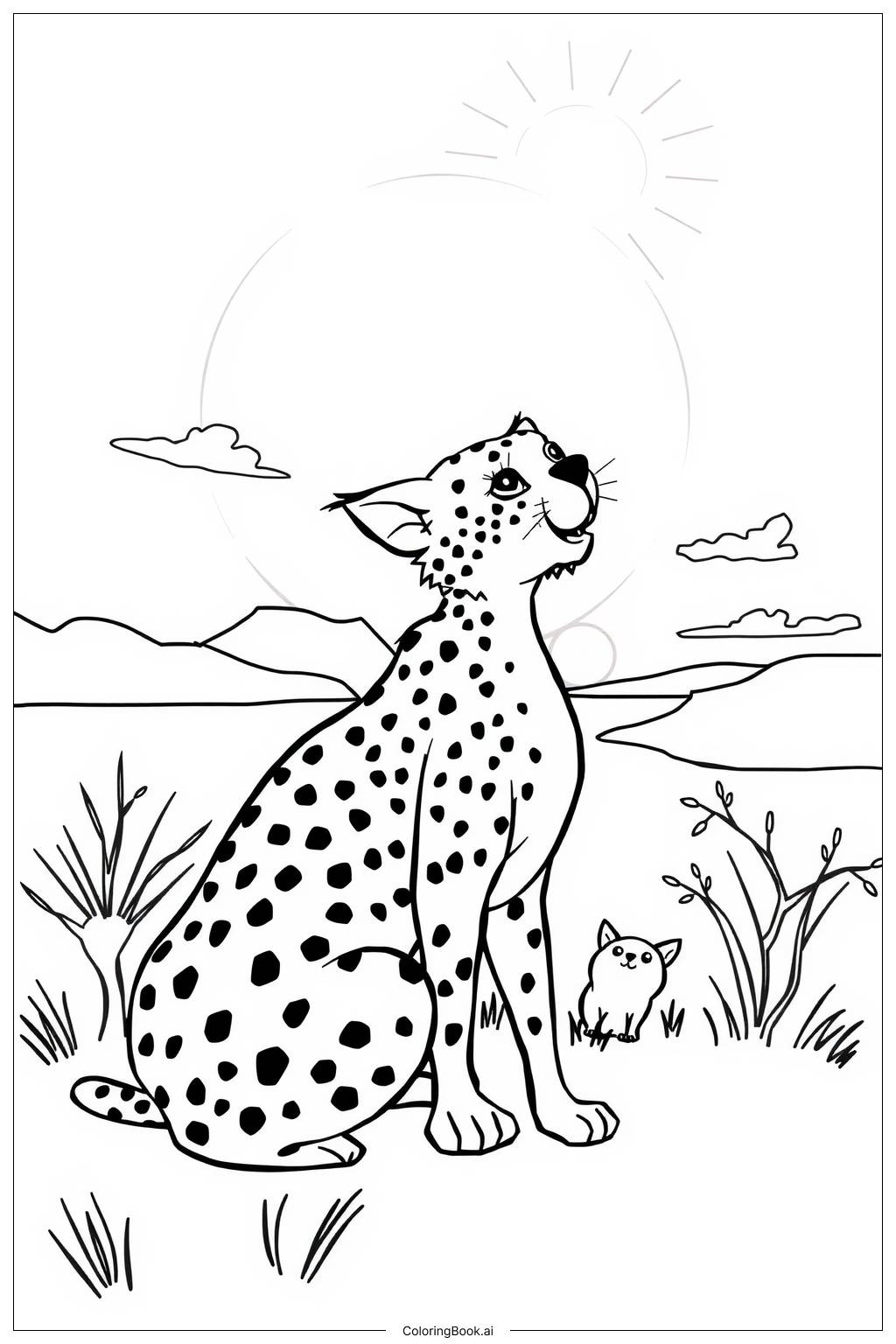
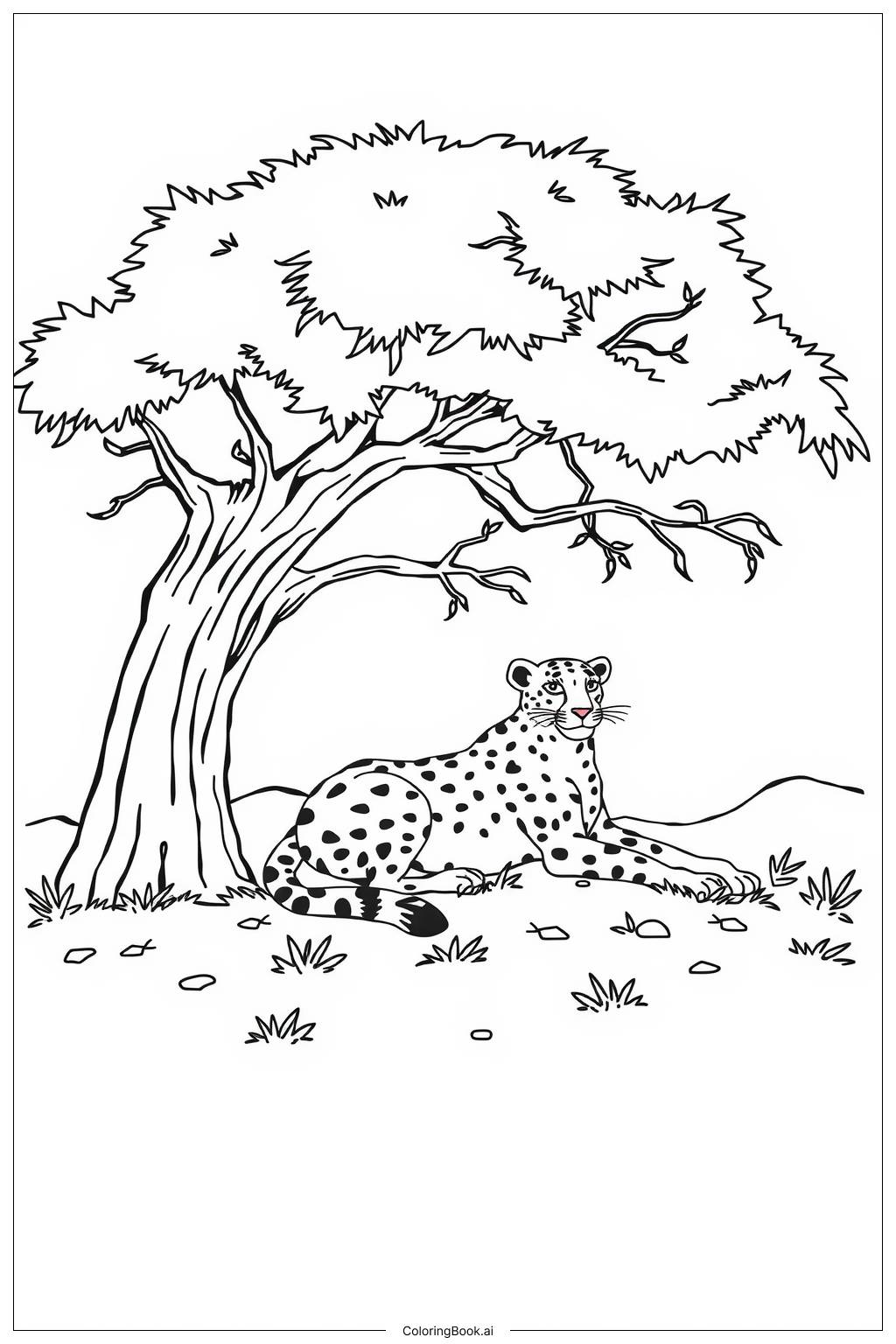
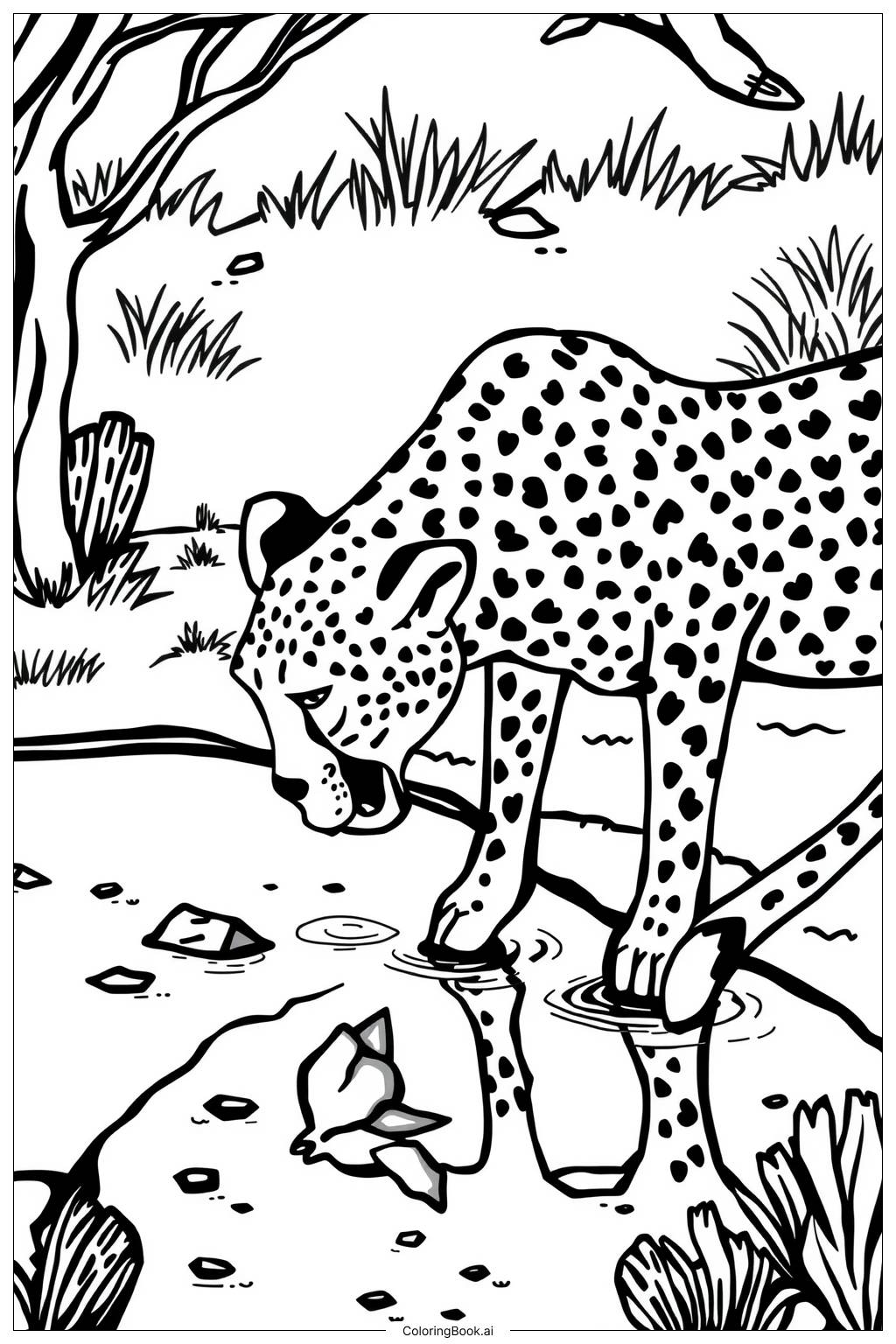
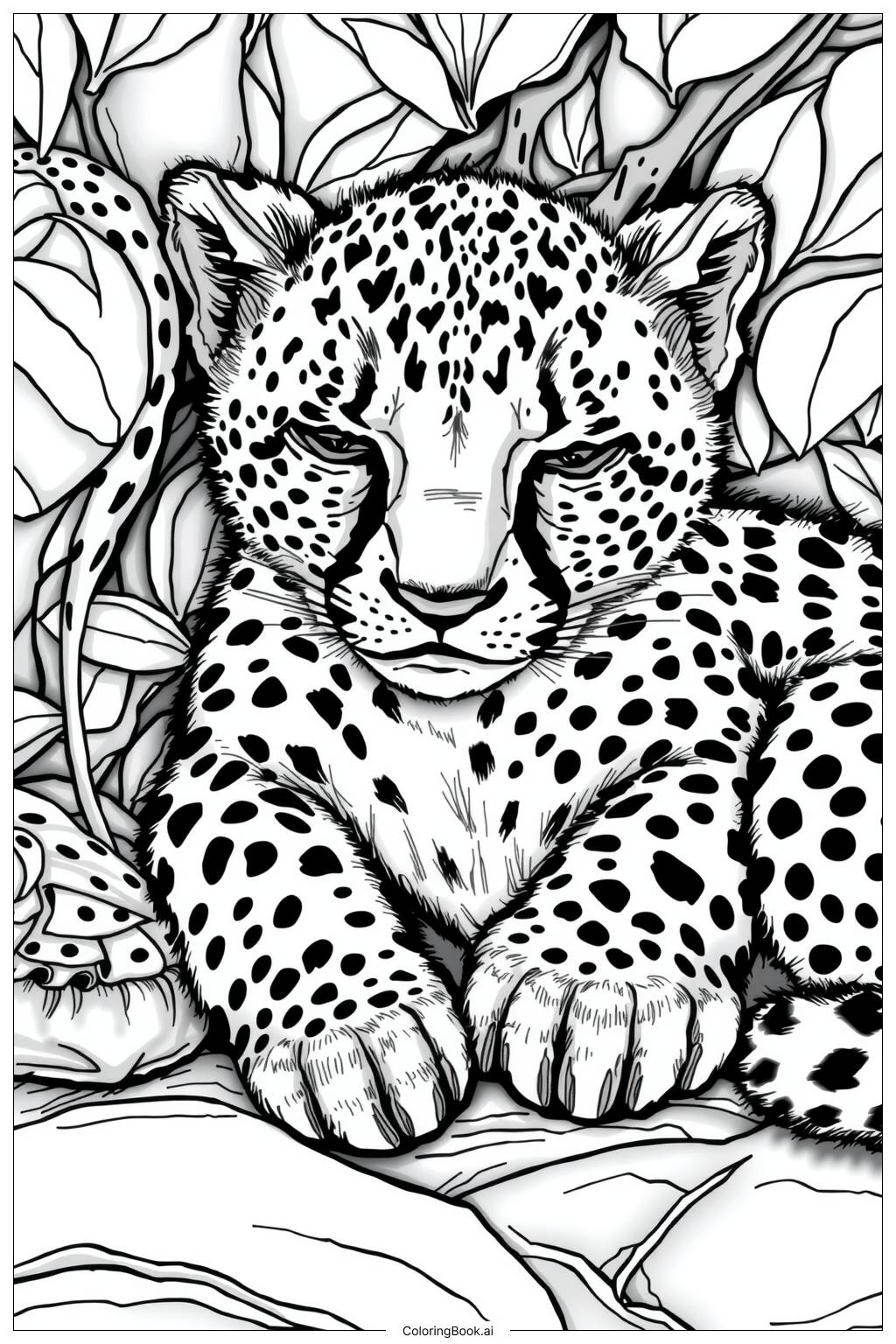
For this image, use warm shades of yellow, gold, and light orange to color the cheetah cub’s fur. The spots on the fur should be dark brown or black to make them stand out. Add some soft beige or cream colors for the cub’s underside and face areas. The eyes can be a bright amber or golden hue to give life to the cub’s gaze. For the background, use different greens for the grass and plants, and light brown or sandy tones for the ground. Try blending colors gently to show the softness of the cub’s fur and the texture of the natural environment. Feel free to experiment with shadows and highlights to create depth and realism.
Coloring challenges: Which parts are difficult to color and need attention for cheetah cub playing coloring page?
• Fur Pattern Precision: The cheetah cub’s many small spots require careful coloring to avoid mixing colors and to keep the spot shapes distinct. It can be tricky for younger artists to stay within the lines around these tiny details.
• Facial Expression: Coloring the eyes, nose, and mouth correctly is important to capture the cub’s playful expression, but these features are small and need attention to detail.
• Texture Variation: The contrast between the smooth grass and the soft, fluffy fur asks for different coloring techniques, which may challenge children learning to vary their strokes.
• Background Detail: The natural elements around the cub contain many small lines and shapes. Balancing the background colors so they don’t overpower the cub takes careful planning.
• Shadow and Light Effects: Showing the direction of light and subtle shading on the cub’s body and the environment requires patience and some understanding of light sources for a realistic effect.
Benefits of coloring books: Advantages of drawing cheetah cub playing coloring page
Coloring this cheetah cub playing image helps children develop fine motor skills as they carefully color the detailed spots and expressive features. It encourages observation and patience by requiring attention to small shapes and patterns. Engaging with an animal in its natural habitat can also inspire interest in wildlife and nature. Coloring such images promotes creativity by allowing the use of different shades and blending techniques. Additionally, this activity can be calming and boost confidence as children complete a complex picture and see their artistic progress.