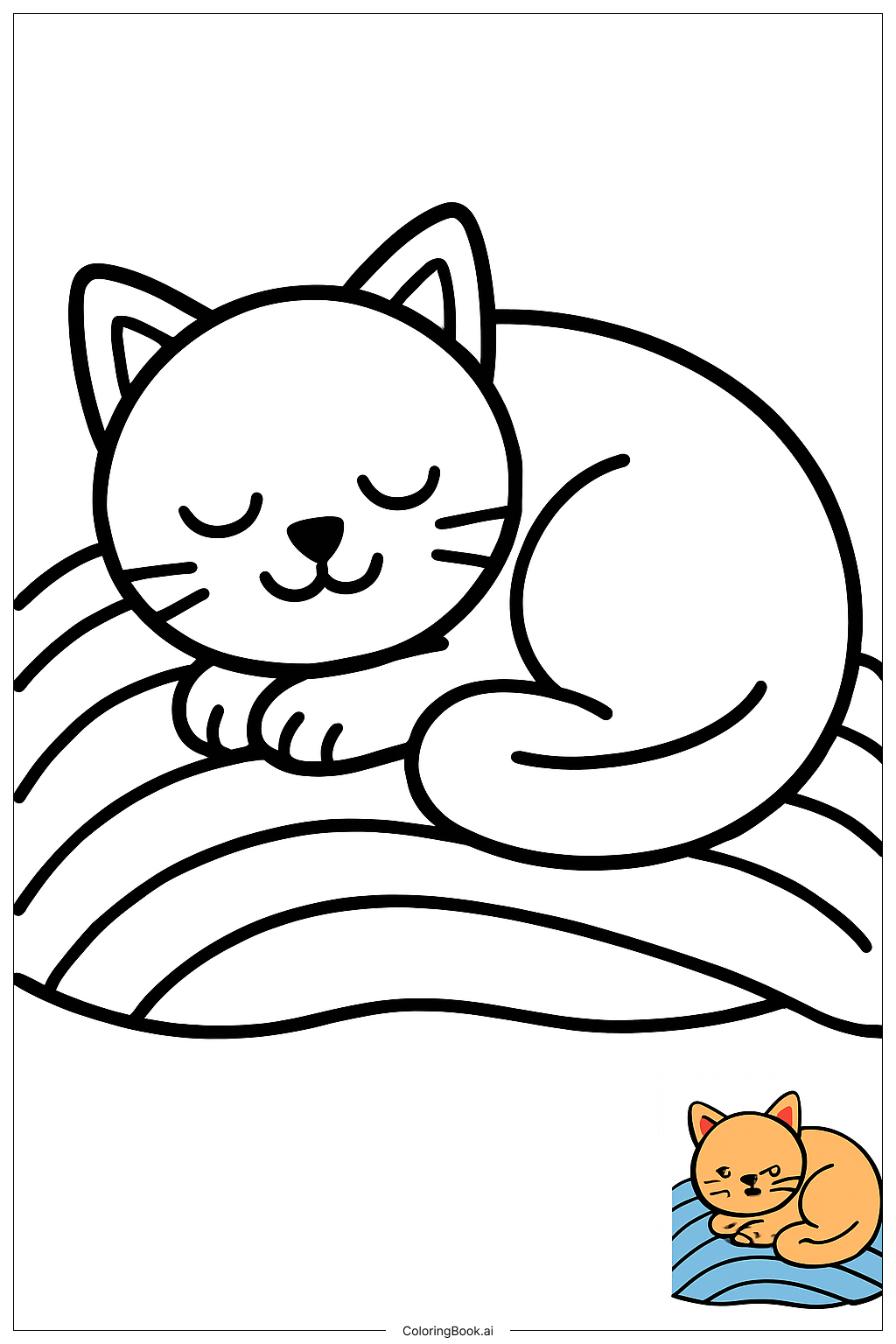
Coloring tips: How to color Sleeping Cat Curled In Blanket coloring page well?
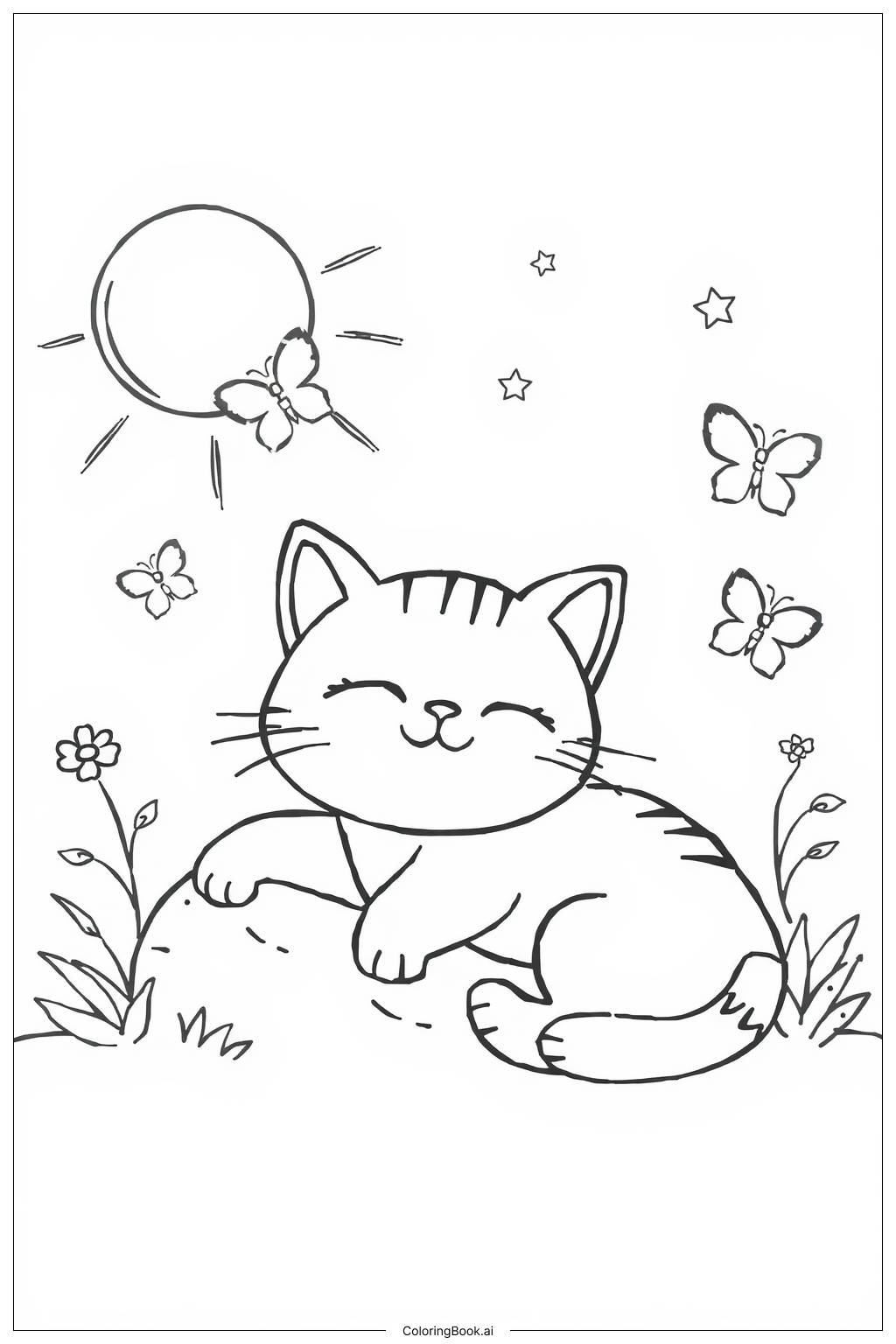
Start with the cat's fur. A classic tabby look works great — use warm orange, brown, and cream tones with light stripes. You can also try a soft gray or white for a more dreamy feel. For the blanket, pick cozy, warm colors like deep red, soft purple, navy blue, or golden yellow. Use slightly darker shades along the folds and edges of the blanket to show depth. For the cat's face, use a light pink for the nose and inner ears. Add a soft warm tone to the paw pads. Keep the background simple — a pale cream or light blue works well. Blend colors gently wherever fur meets fabric to keep things soft and natural. Have fun mixing shades to make the scene feel warm and snuggly!
Coloring challenges: Which parts are difficult to color and need attention for Sleeping Cat Curled In Blanket coloring page?
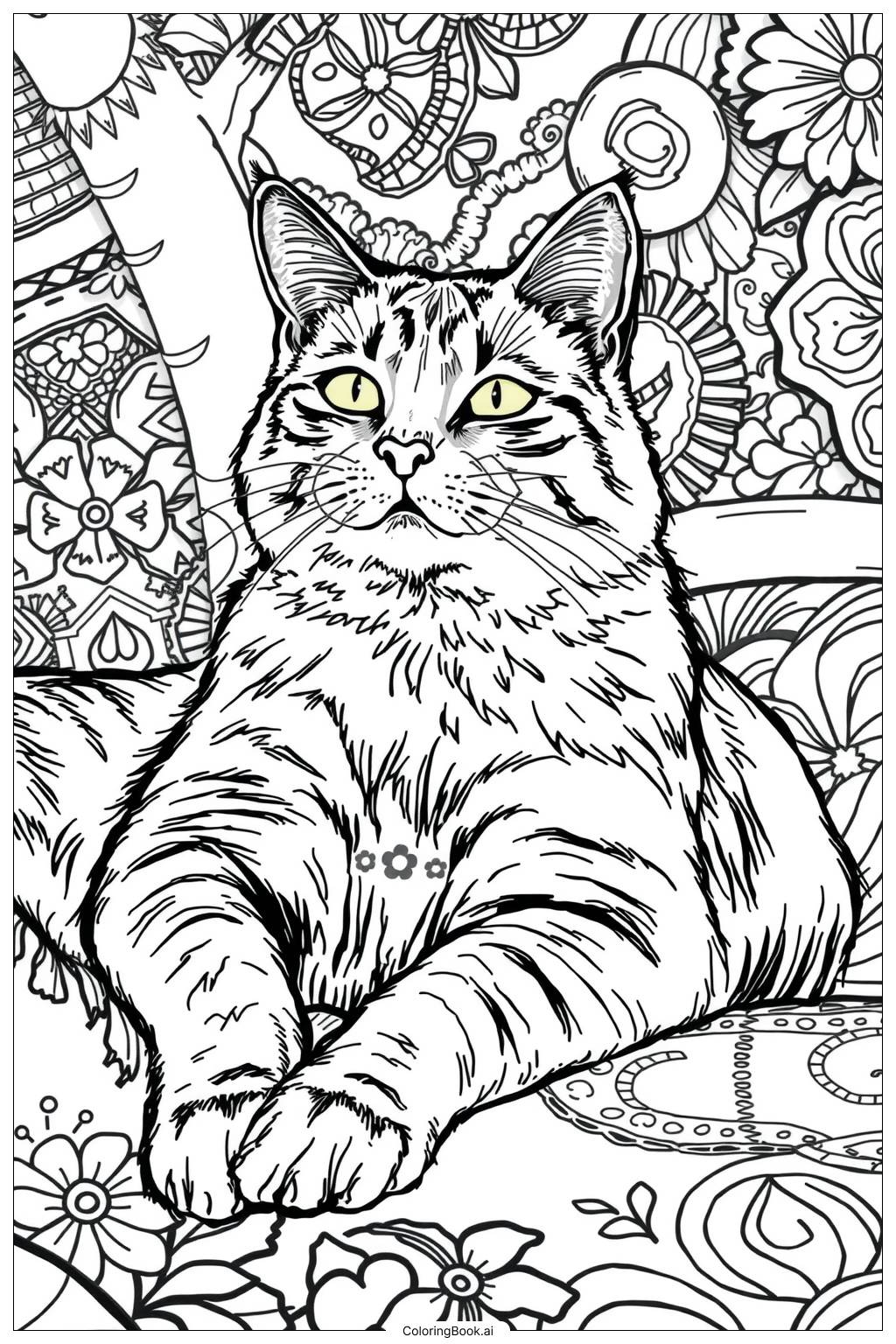
• Fur Texture Details: The cat's body is covered in fine, short lines that suggest soft fur. Coloring within these tiny lines takes patience. Use a sharp colored pencil or a fine-tip marker to stay inside the small fur strokes. Layering light colors first, then adding darker shades on top, can help bring out a realistic fluffy look.
• Blanket Folds and Shadows: The blanket has many curved folds and overlapping layers. Each fold needs a lighter and darker version of the same color to look three-dimensional. It can be tricky to figure out where the light hits and where the shadows fall. Take your time studying each fold before you color it.
• Small Facial Features: The cat's face has tiny details like a small nose, closed eyes with thin lash lines, and delicate whisker dots. These areas are very small and easy to accidentally color over. Use a very fine-tipped tool and work slowly when coloring the face.
• Transition Between Cat and Blanket: Where the cat's fur meets the blanket fabric, the colors need to blend naturally without looking too harsh or sudden. Choosing colors that complement each other and softly blending at the edges will make the cat look like it truly belongs inside the cozy blanket.
• Keeping Consistent Light Direction: This image works best when all the shading follows the same light source. If you imagine light coming from one side, keeping all your darker tones on the opposite side across both the cat and blanket will make the whole picture look polished and unified.
Benefits of coloring books: Advantages of drawing Sleeping Cat Curled In Blanket coloring page
Coloring this peaceful sleeping cat image offers many wonderful benefits for kids and adults alike. The gentle, rounded shapes of the curled cat and soft blanket folds are very calming to color. Working through this image helps children practice staying focused and paying attention to small details, which builds patience and concentration over time. The flowing lines of the blanket encourage smooth, steady hand movements that improve fine motor skills and pencil control. Choosing colors for the fur and fabric sparks creativity and helps children learn about color combinations and shading. The cozy, quiet mood of the image also has a relaxing, stress-relieving effect — similar to how it feels to watch a real cat sleep. For older kids and adults, the layered blanket folds provide a satisfying challenge that builds confidence when completed well. Coloring scenes like this one can also help children connect with feelings of warmth, safety, and calm, supporting emotional awareness in a fun and gentle way. Overall, this image is a perfect blend of relaxing and rewarding for colorists of all ages and skill levels.