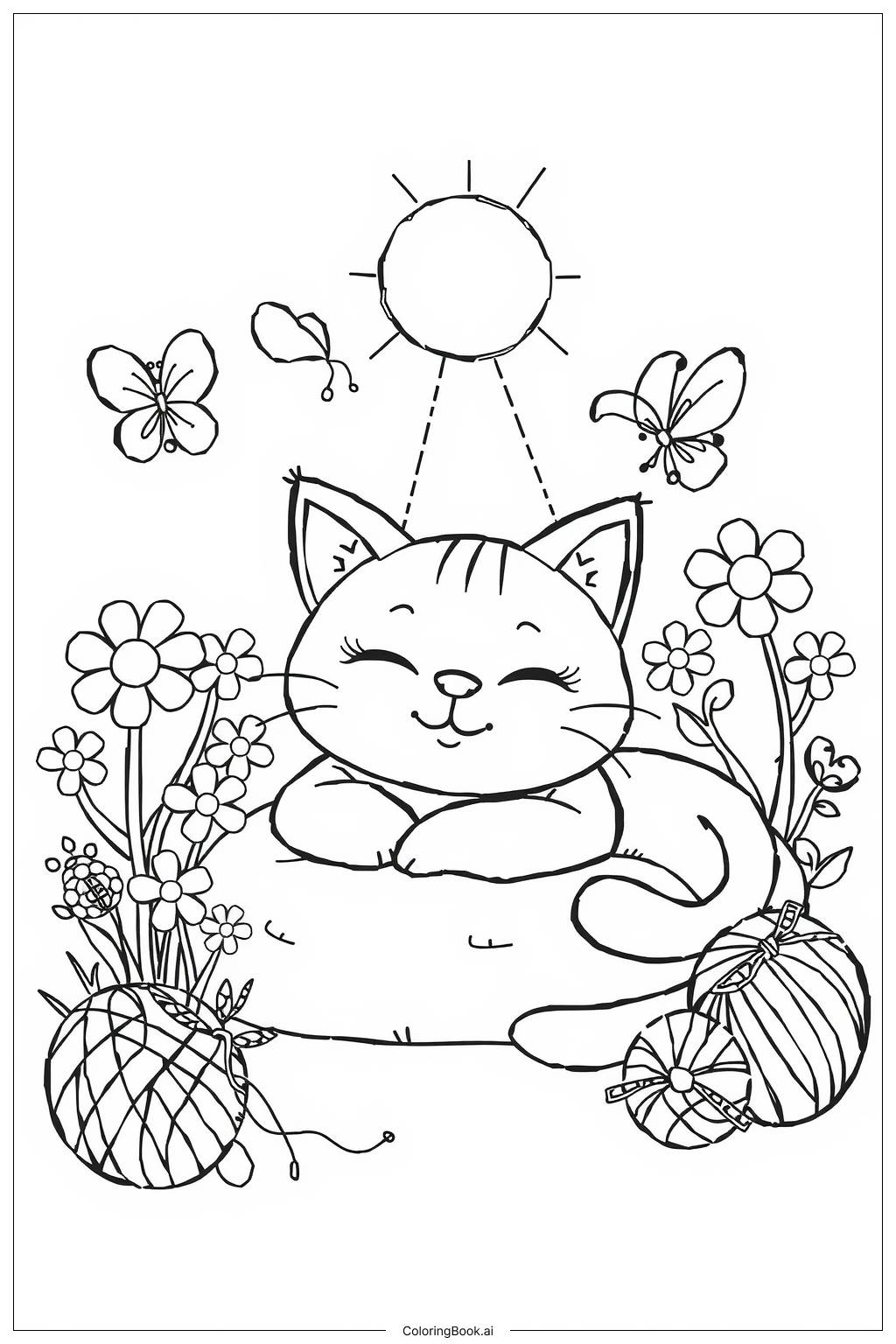
Coloring tips: How to color Happy Cat Sleeping coloring page well?
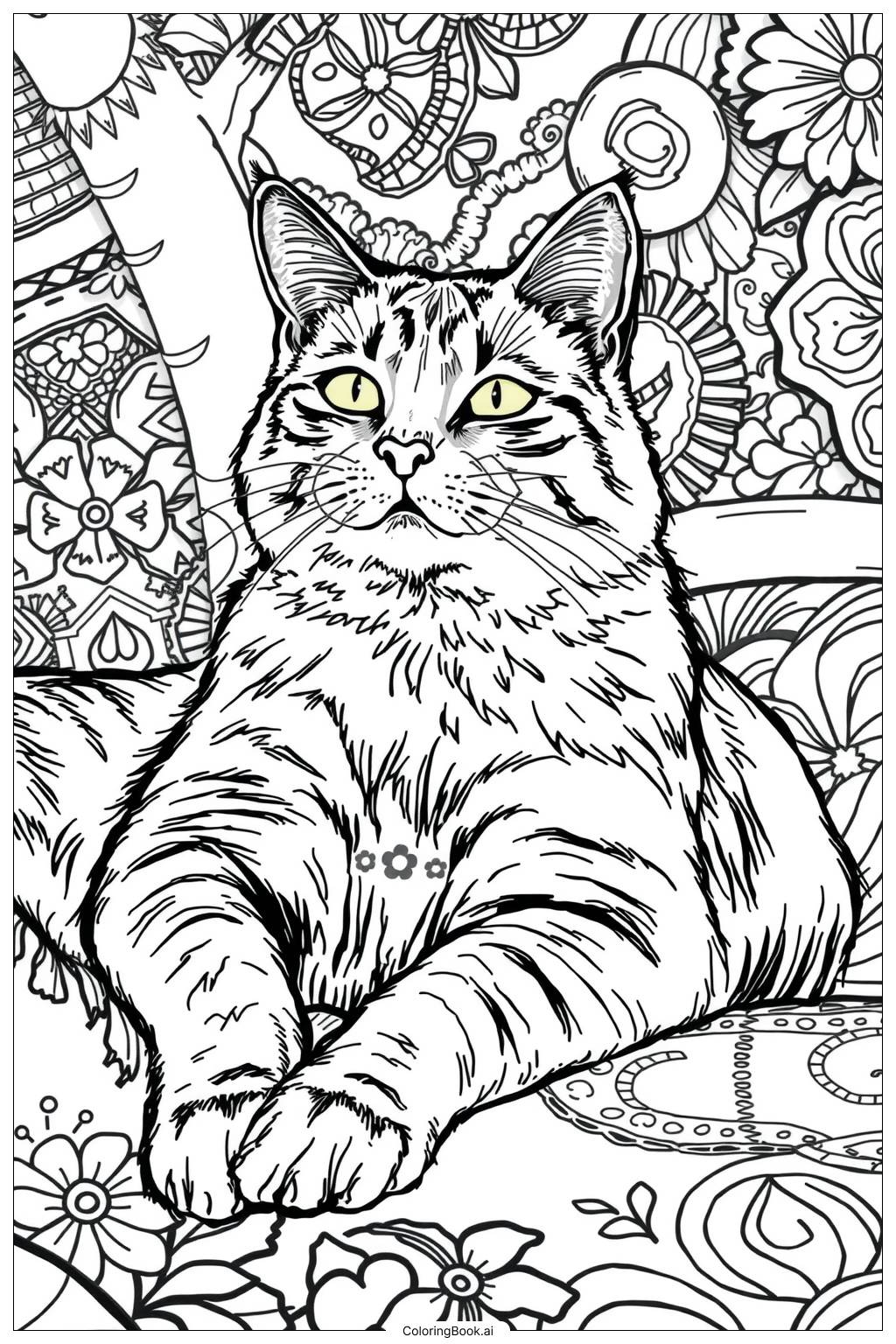
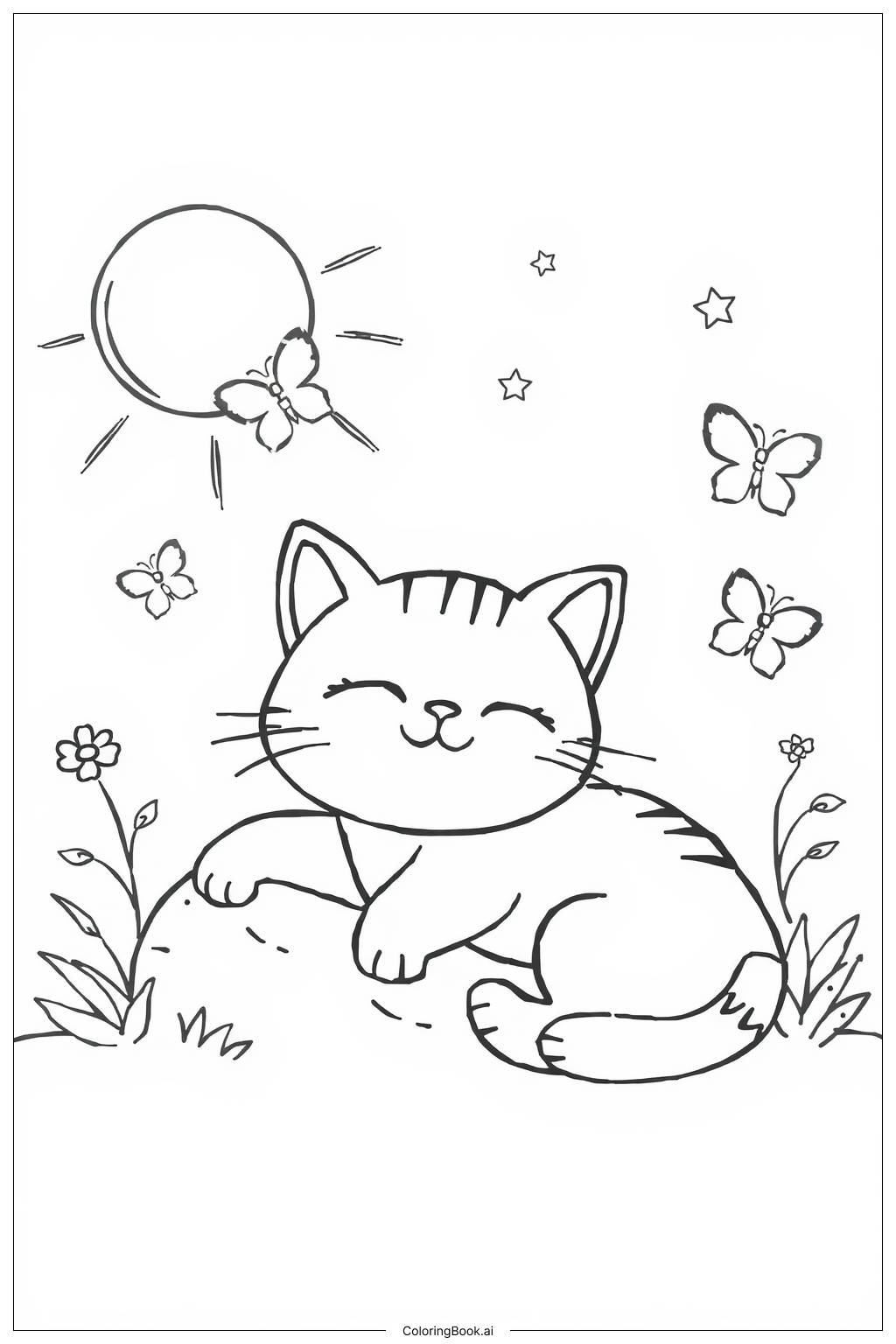
Start with the cat's body using a warm base color. Orange tabby, soft gray, creamy white, or golden yellow all work beautifully. Use a slightly darker shade of the same color to add shading along the edges of the body, tail, and paws. This gives the fur a fluffy, three-dimensional look. For the face, keep the cheeks light and rosy. Use a soft pink for the nose and inner ears. The whiskers can stay white or be left uncolored. If the cat is resting on a surface like a cushion or bed, try soft pastel tones such as lavender, light blue, or warm beige. Adding a gentle shadow beneath the cat helps it look grounded and cozy. Feel free to add small patterns to the fur using colored pencils for extra texture and fun.
Coloring challenges: Which parts are difficult to color and need attention for Happy Cat Sleeping coloring page?
• Fur Texture and Shading: One of the biggest challenges is making the cat's fur look soft and realistic. The flowing lines that represent the coat require careful blending. Using two or three shades of the same color and blending them gradually from light to dark will help create a fluffy, dimensional effect. Rushing this step can make the fur look flat or streaky.
• Small Facial Details: The cat's face has tiny but important features — closed eyes with gentle curved lines, a small nose, and a subtle smile. These areas are very small and easy to accidentally color outside of. Using a fine-tipped colored pencil or marker will help you stay precise and keep the expression looking peaceful and sweet.
• Curved Body Outline: The cat is curled into a round sleeping shape, which means the outline curves in many directions. Following these curves smoothly without pressing too hard on the paper can be tricky, especially for younger colorists. Taking your time and using light strokes along the curves will give a cleaner result.
• Tail and Paw Separation: The tail wraps around the body and overlaps with the paws, making it easy to confuse which area belongs to which body part. Using slightly different shades or tones for the tail versus the paws will help visually separate them and make the overall shape easier to read.
• Background Balance: Choosing a background color that complements the cat without overpowering it is a subtle but real challenge. Light, muted tones work best so the cat remains the clear focal point of the image.
Benefits of coloring books: Advantages of drawing Happy Cat Sleeping coloring page
Coloring this happy sleeping cat offers a wide range of benefits for kids and beginners alike. The peaceful subject matter naturally encourages a calm and focused mindset, making it a great activity before bedtime or during quiet time. Working carefully within the soft curves of the cat's body helps build fine motor skills and steady hand control, which are important for writing and drawing. Choosing fur colors, blending shades, and picking a background all encourage creative thinking and color awareness. For younger children, this image introduces basic concepts like light and shadow in a fun, hands-on way. The simple but detailed design also builds patience and attention to detail, since small areas like the face and paws require careful coloring. Completing the page gives a strong sense of achievement and pride. Overall, this cozy cat coloring page is a relaxing, rewarding, and skill-building experience that children of all ages can enjoy.