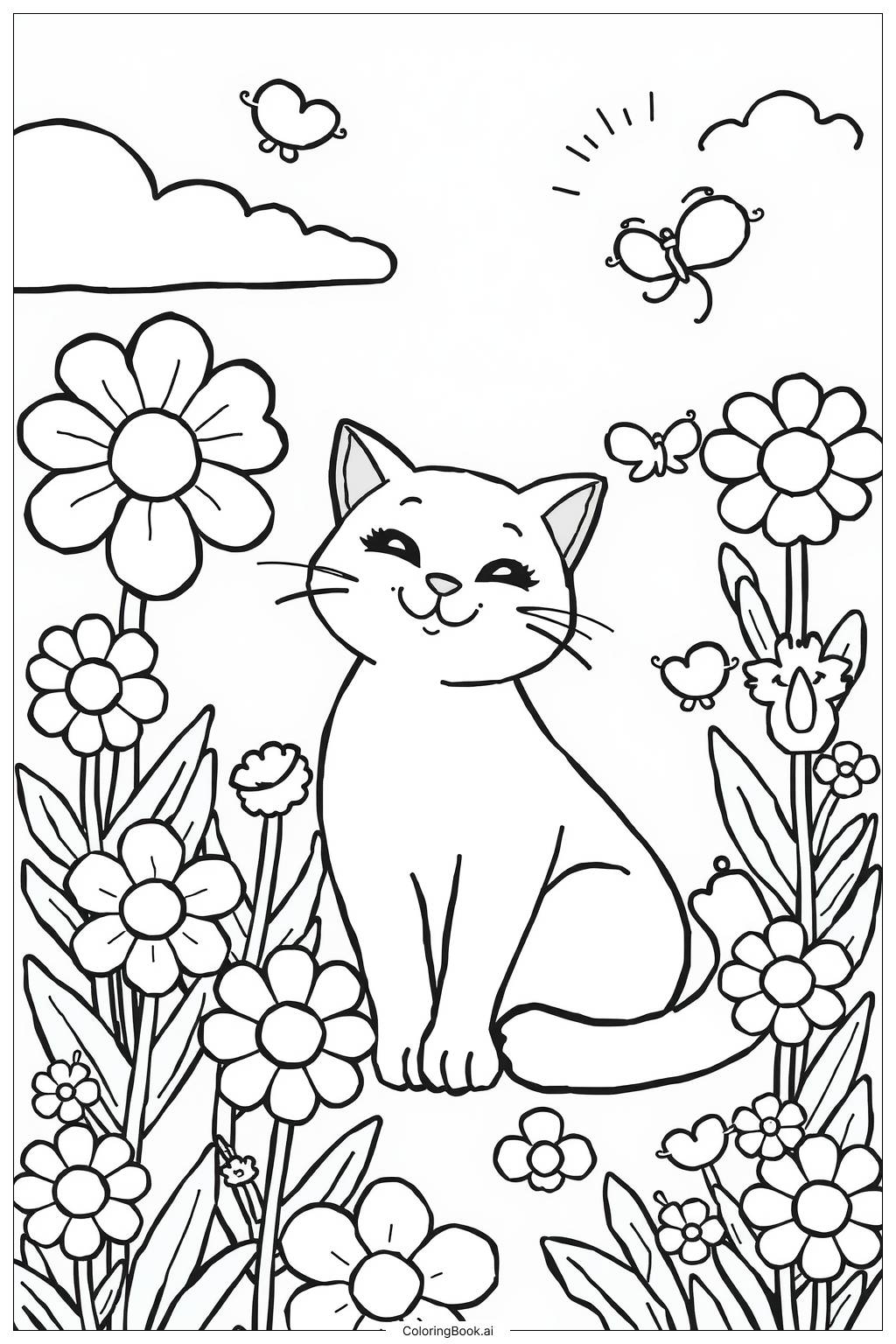
Coloring tips: How to color Cat In Flower Garden coloring page well?
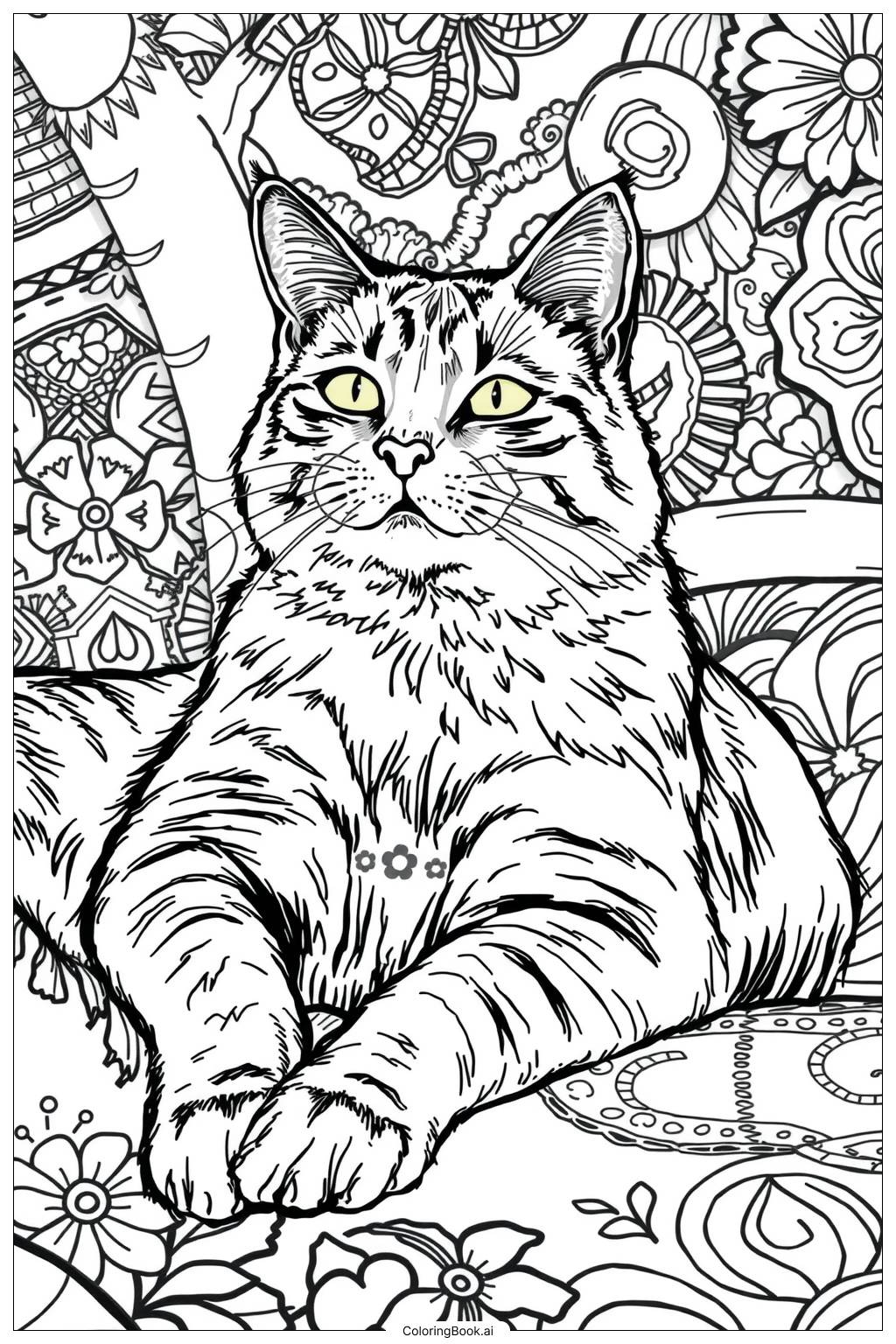
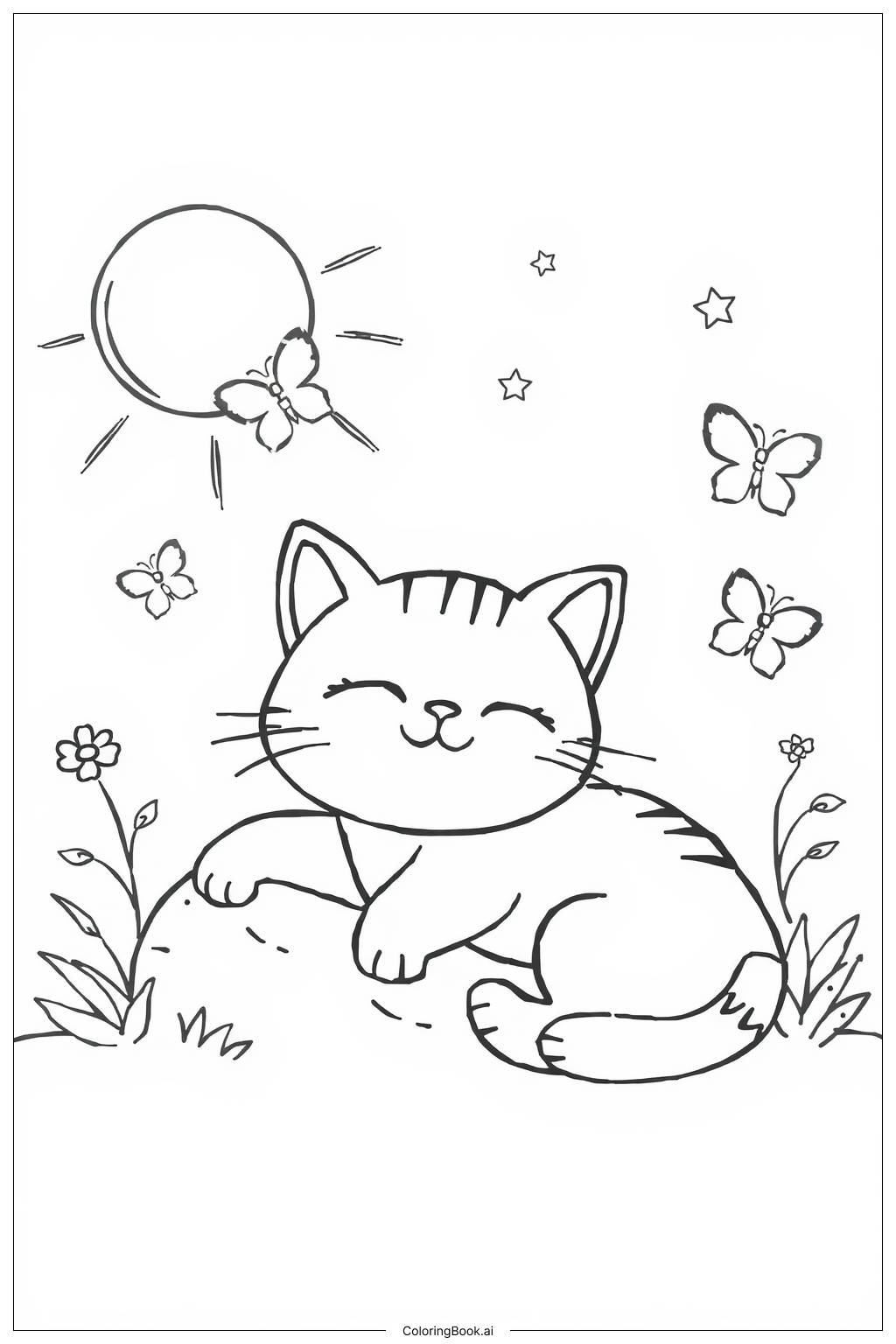
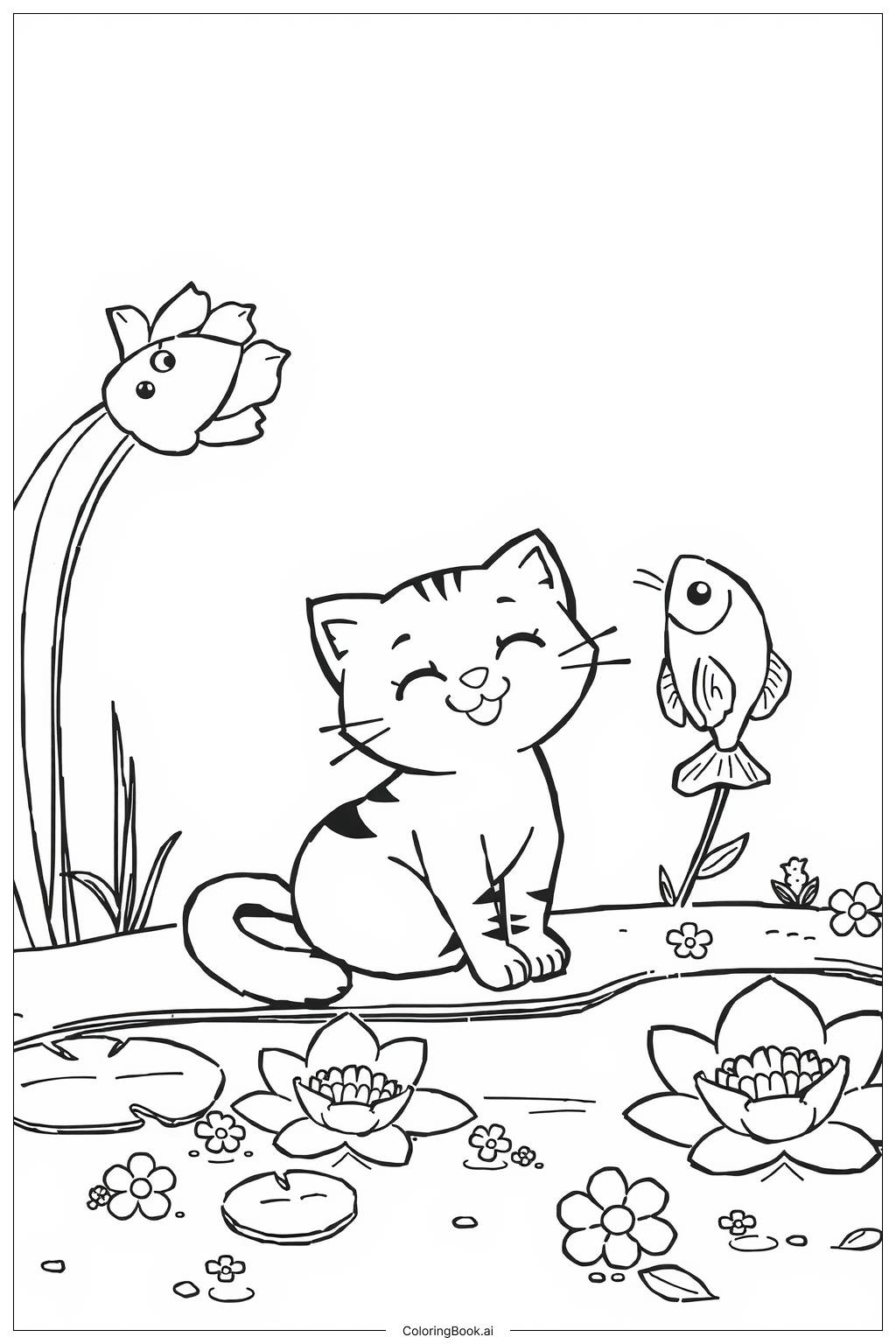
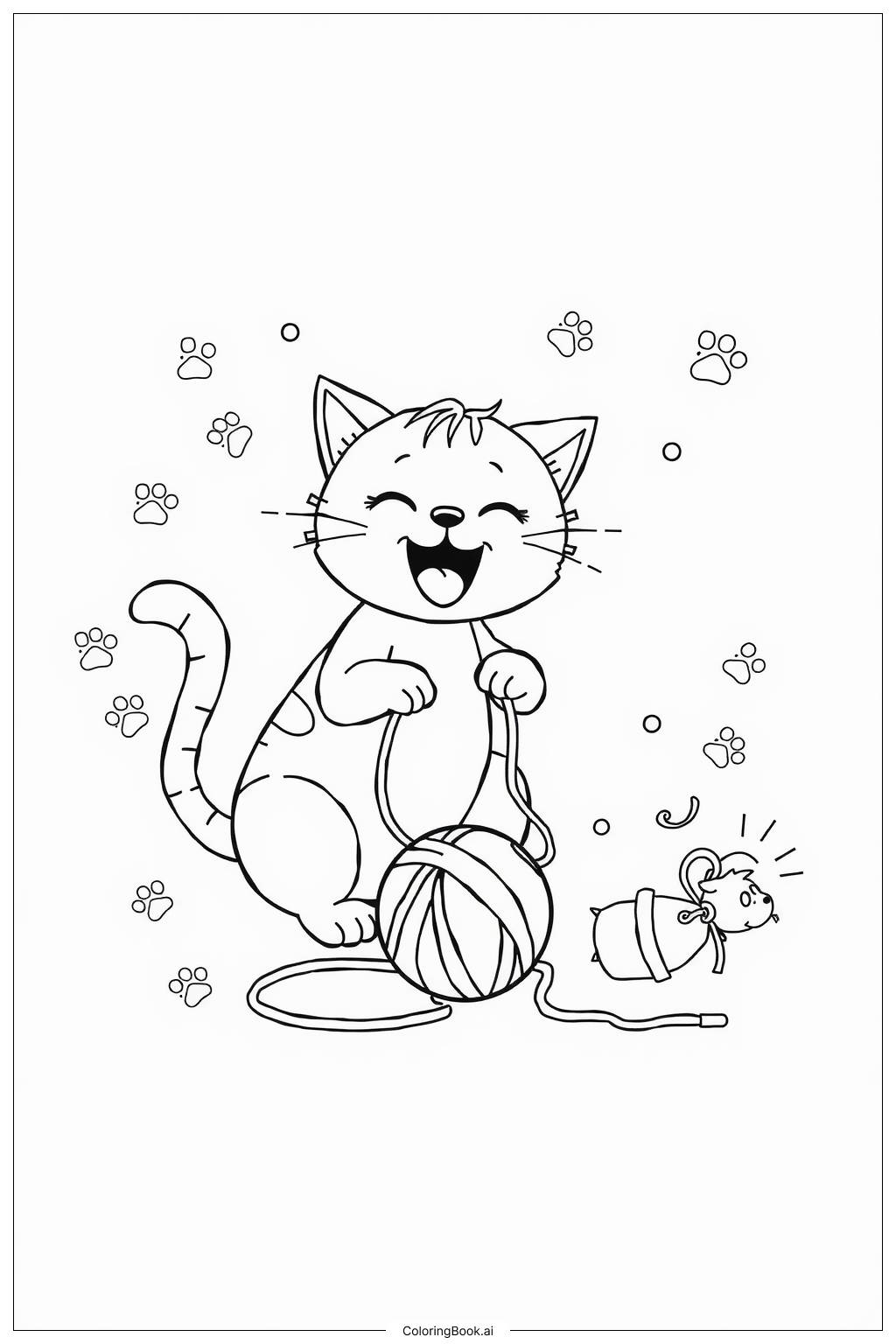
Start with the cat before moving on to the garden. Use soft shades like cream, orange, or gray for the cat's fur. Add subtle stripes or spots to give the coat more texture and personality. For the flowers, pick bright, cheerful colors. Try red or pink for the roses, yellow for the daisies, and purple or orange for the tulips. Use different shades of green for the leaves to make them feel lush and layered. Color the butterflies in vibrant tones like blue, yellow, or orange to help them stand out. Leave some flowers in lighter pastel shades to create contrast with the bolder blooms. Fill the background with a soft sky blue or light yellow to add warmth and depth. Take your time with the small details like the whiskers, petals, and leaf veins. These little touches will make the finished page look really special.
Coloring challenges: Which parts are difficult to color and need attention for Cat In Flower Garden coloring page?
• Cat Fur Texture: Giving the cat's fur a natural, realistic look can be tricky. The key is to use short, light strokes that follow the direction of the fur. Layering two or three shades of the same color family adds depth and makes the coat look soft and fluffy rather than flat.
• Flower Variety and Consistency: The garden contains many different flower types, each with its own petal shape and size. Keeping a consistent color scheme across so many different blooms takes planning. It helps to decide on a limited palette before you start so the garden looks harmonious rather than chaotic.
• Layered Background Depth: The flowers, leaves, and vines overlap in multiple layers. Coloring overlapping elements so they still look separate from each other requires careful shading and smart color choices. Using lighter shades for background elements and darker ones for foreground details helps create a natural sense of depth.
• Tiny Decorative Details: Small features like the cat's whiskers, the butterfly wing patterns, and the veins on the leaves are very fine and easy to accidentally color over. Using a sharp pencil or a fine-tipped marker for these areas will help you stay precise and keep the detail clean.
• Color Balance Across the Scene: With so many colorful elements competing for attention, keeping the overall image balanced is a real challenge. The cat should remain the clear focal point. Keeping the area around the cat slightly less saturated than the rest of the flowers helps guide the eye naturally toward the center of the scene.
Benefits of coloring books: Advantages of drawing Cat In Flower Garden coloring page
Coloring this Cat In Flower Garden page offers a wide range of benefits for kids and adults alike. For younger children, tracing the outlines of the cat and flowers helps develop fine motor skills and hand-eye coordination. Choosing colors for the petals and fur encourages creativity and self-expression in a fun, low-pressure way.
For older kids and teens, the detailed line work provides a satisfying challenge that builds patience and focus. Planning a color scheme for a complex scene like this also strengthens visual thinking and artistic decision-making.
For adults, this page offers a wonderful way to unwind. Spending time on a detailed image like this promotes mindfulness by encouraging you to slow down and focus on one small area at a time. Many people find this kind of repetitive, creative activity helps reduce stress and quiet a busy mind.
The garden theme itself adds an extra layer of calm. Flowers and nature imagery are known to have a soothing effect, making this page especially good for relaxation. Whether you are coloring alone or with a child, this page creates a peaceful, joyful experience that leaves you with a beautiful piece of art to be proud of.