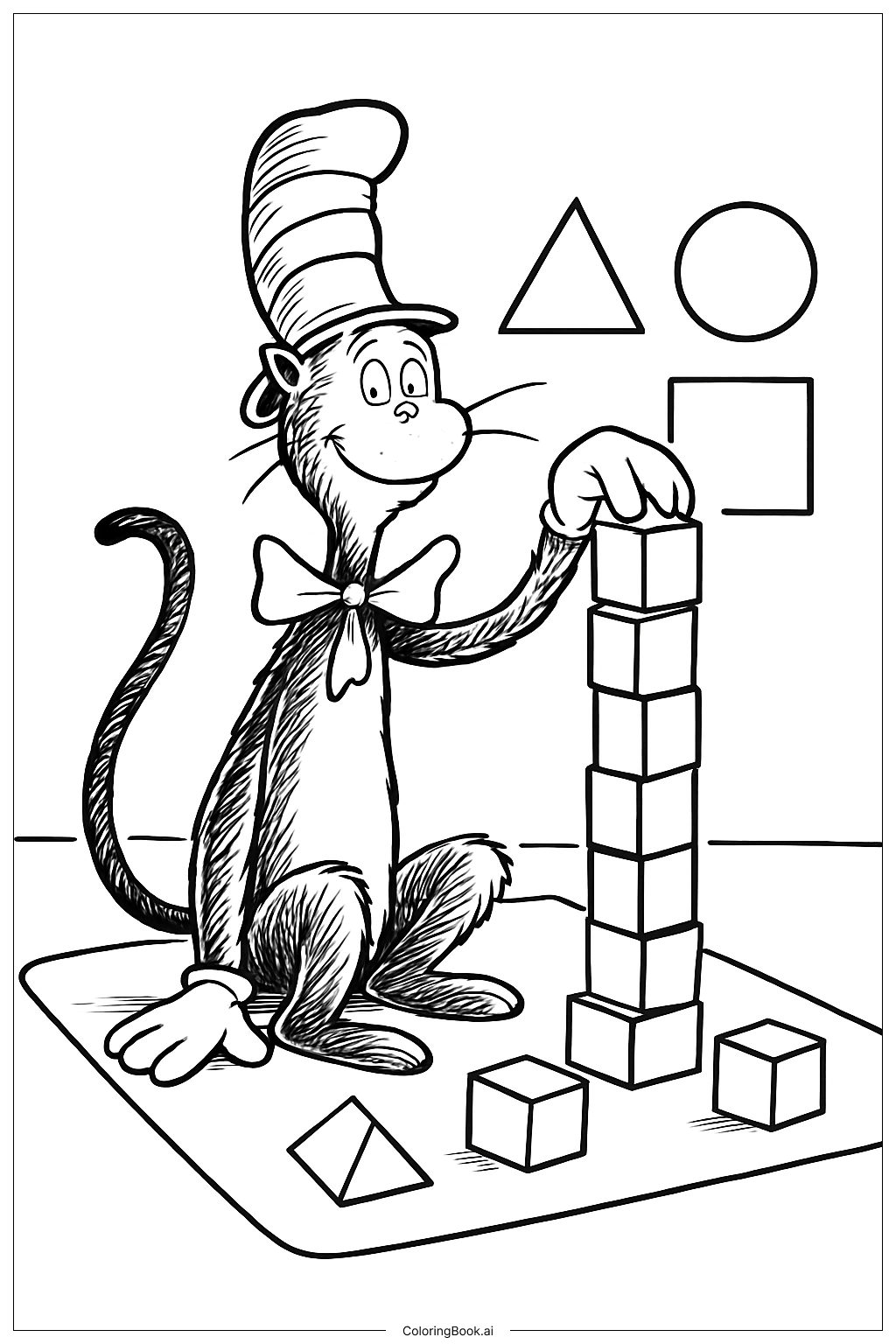
Coloring tips: How to color Cat In The Hat Building Blocks coloring page well?
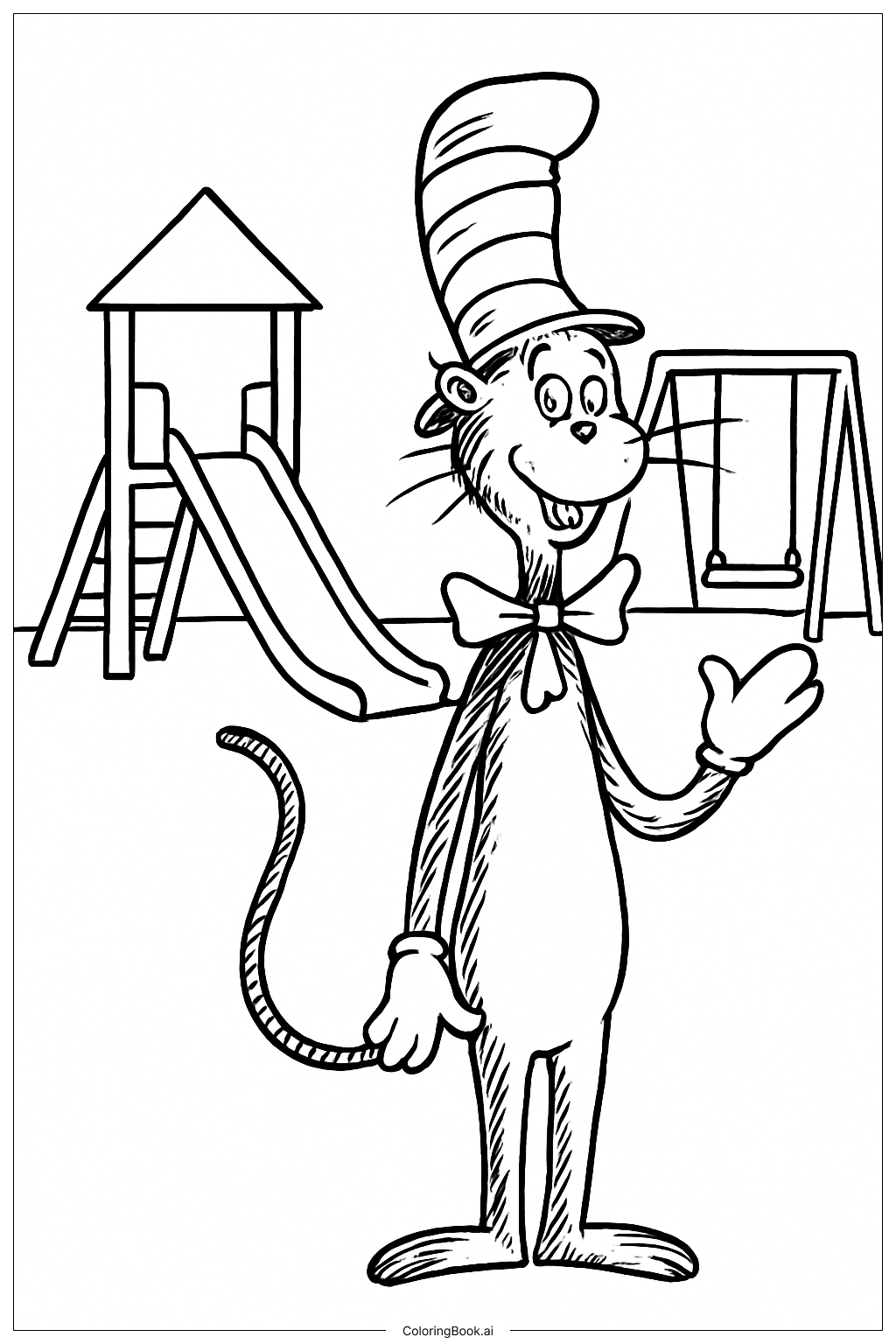
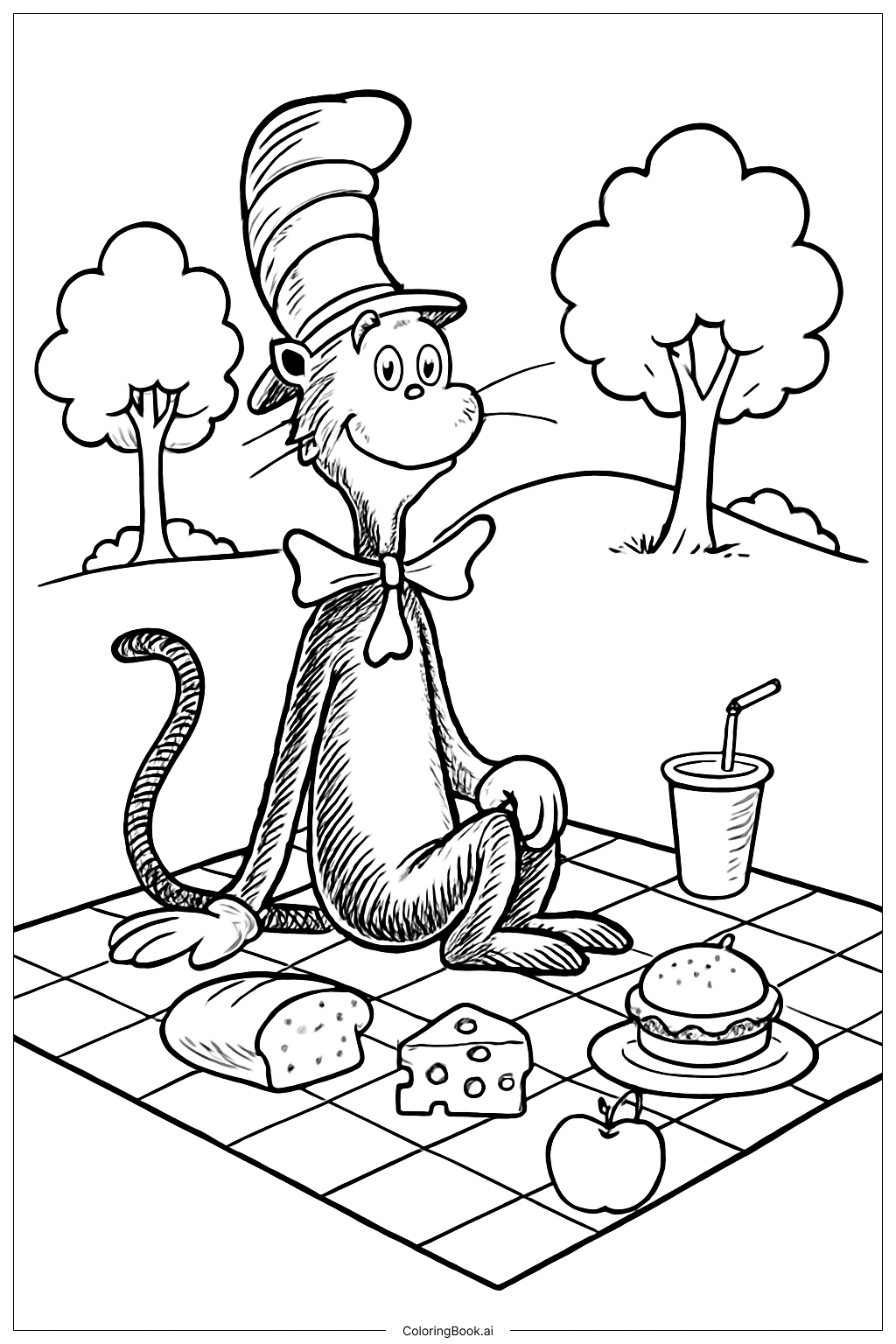
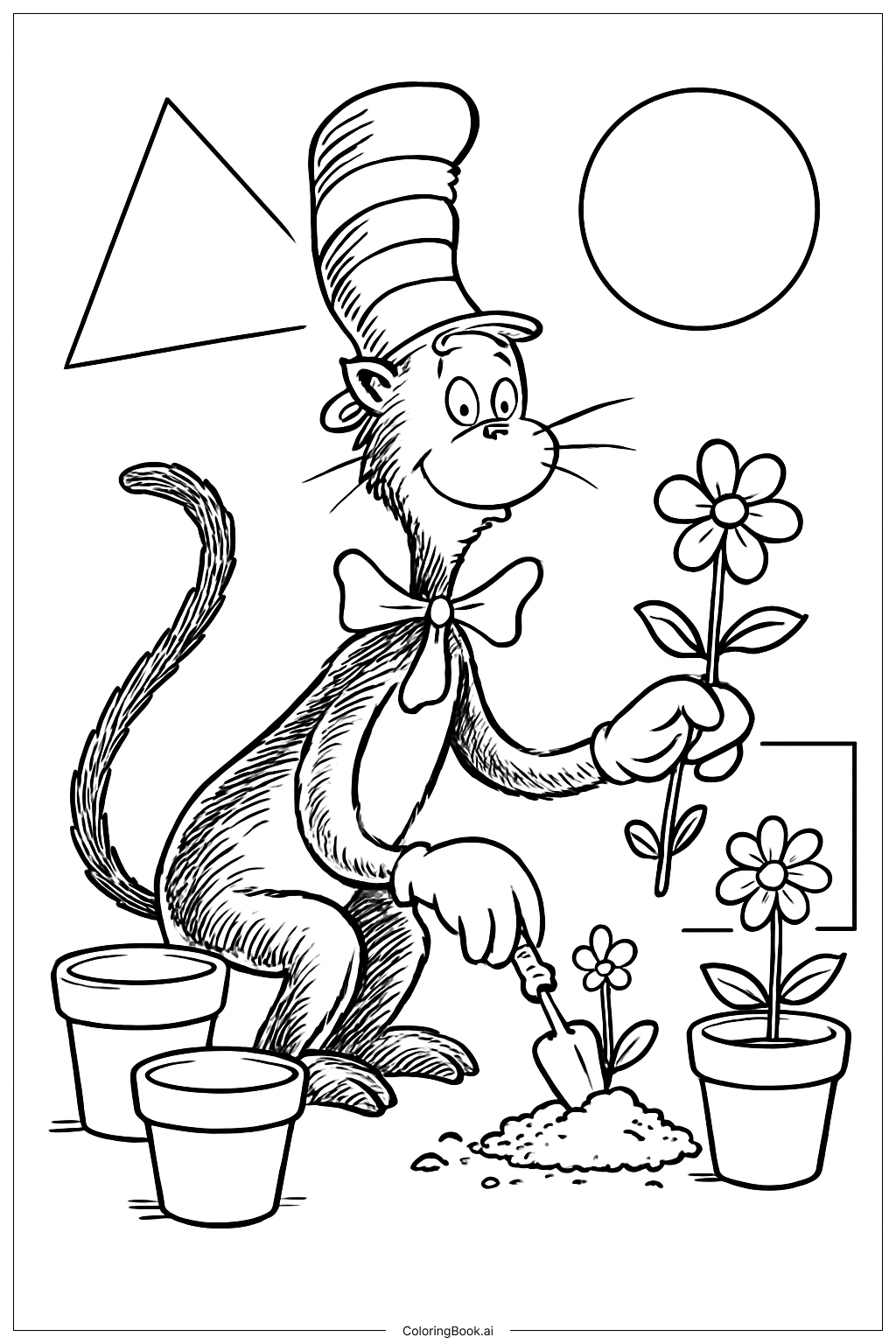
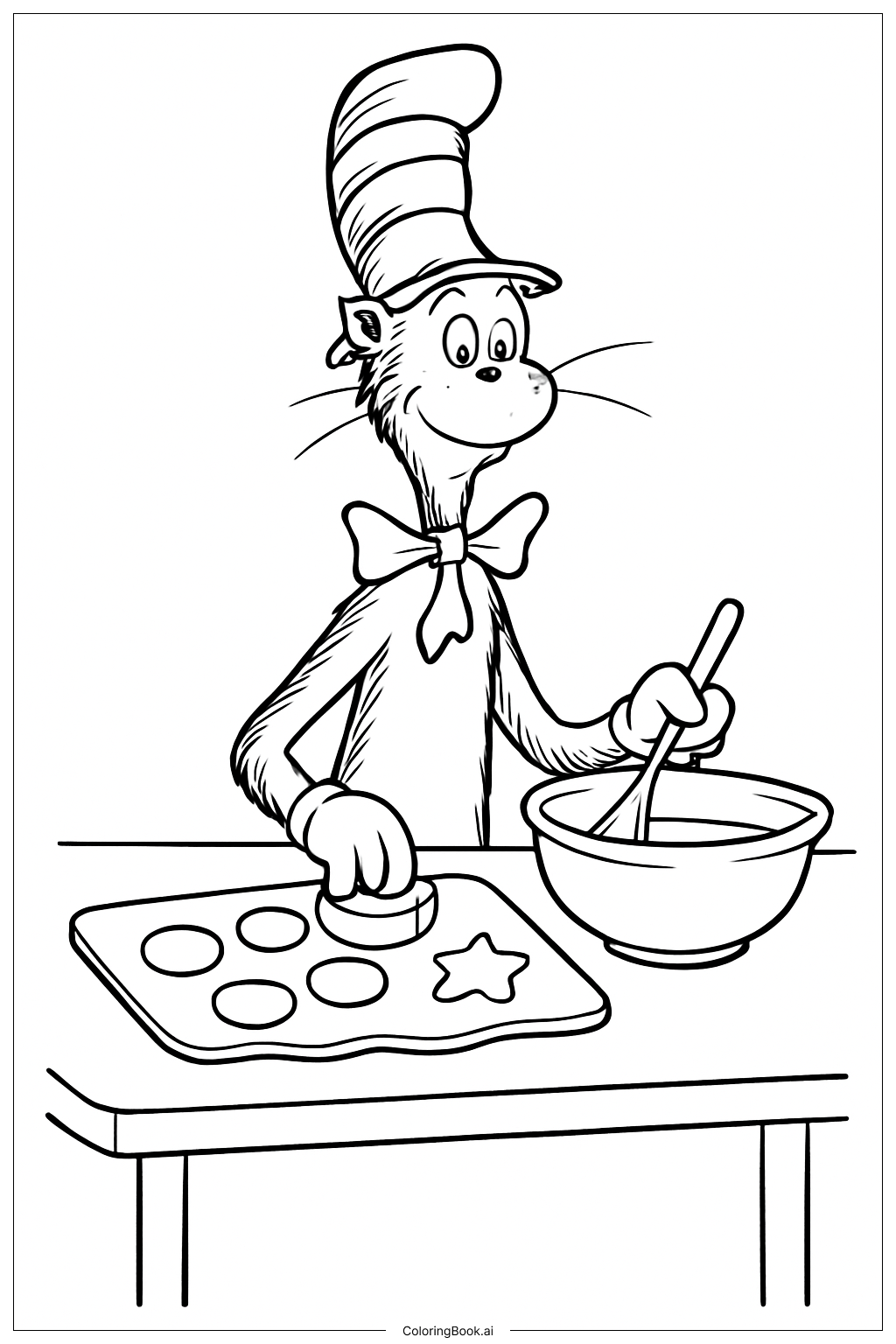
Start with the Cat's signature tall striped hat. Use bold red and white stripes to make it pop. His fur is classic white, so leave those areas light or add a very soft gray for depth. The bow tie looks great in red to match the hat. For the building blocks, have fun with bright, cheerful colors — use yellow, blue, green, orange, and purple to make each block stand out from the others. Letters and numbers on the blocks can be colored in a contrasting shade so they are easy to read. The background can be kept simple with a light sky blue or soft yellow to let the main characters shine. Don't worry about staying perfectly inside the lines — the Seuss style is all about joy and creativity. Use crayons, colored pencils, or markers depending on your comfort level. Younger kids can use chunky markers for the big open areas, while older kids can try shading the blocks to make them look more three-dimensional.
Coloring challenges: Which parts are difficult to color and need attention for Cat In The Hat Building Blocks coloring page?
• The Cat's Striped Hat: The tall hat is covered in evenly spaced horizontal stripes. Keeping the red and white stripes clean and consistent all the way up the hat takes patience and a steady hand. Using a ruler or coloring slowly along the lines can help keep each stripe neat and even.
• Small Facial Details: The Cat's face includes expressive eyes, whiskers, a nose, and a wide grin. These features are small and close together, making them tricky to color without accidentally going outside the lines. Fine-tipped colored pencils or thin markers work best for this area.
• Individual Block Colors: There are many building blocks in the scene, each with flat sides and printed letters or numbers. Deciding on a different color for each block while keeping the letters visible requires planning ahead. It helps to lightly sketch out your color choices before committing.
• Block Shading and Depth: The blocks are three-dimensional shapes, meaning each face of a block catches light differently. Trying to shade the sides to make the blocks look round and solid is a fun challenge but requires blending skills. Older kids and more experienced colorists can practice light and shadow here.
• Busy Background Composition: The overall image has many overlapping elements — the cat, the blocks, and surrounding details. Keeping each section clearly separated with distinct colors so the image does not look muddy takes careful color planning and patience throughout the whole coloring process.
Benefits of coloring books: Advantages of drawing Cat In The Hat Building Blocks coloring page
Coloring this Cat in the Hat Building Blocks page offers a wonderful mix of fun and learning for kids of all ages. Working through the detailed stripes and small facial features helps build fine motor skills and improves hand-eye coordination. Choosing colors for each building block encourages creative thinking and decision-making, which are important skills both inside and outside the classroom. Recognizing the letters and numbers on the blocks while coloring also reinforces early literacy and numeracy in a playful, pressure-free way. For younger children, the big bold outlines make it easy to practice staying inside the lines, which builds focus and concentration over time. For older kids, the challenge of shading the blocks and balancing colors across a busy scene develops a stronger sense of visual composition and artistic confidence. Spending quiet time with a coloring page also helps reduce stress and anxiety, giving kids a healthy way to unwind and express themselves. Sharing the finished page with family or friends brings a sense of pride and accomplishment. Most of all, revisiting a beloved character like the Cat in the Hat makes the whole experience joyful, sparking imagination and a love of stories alongside a love of art.