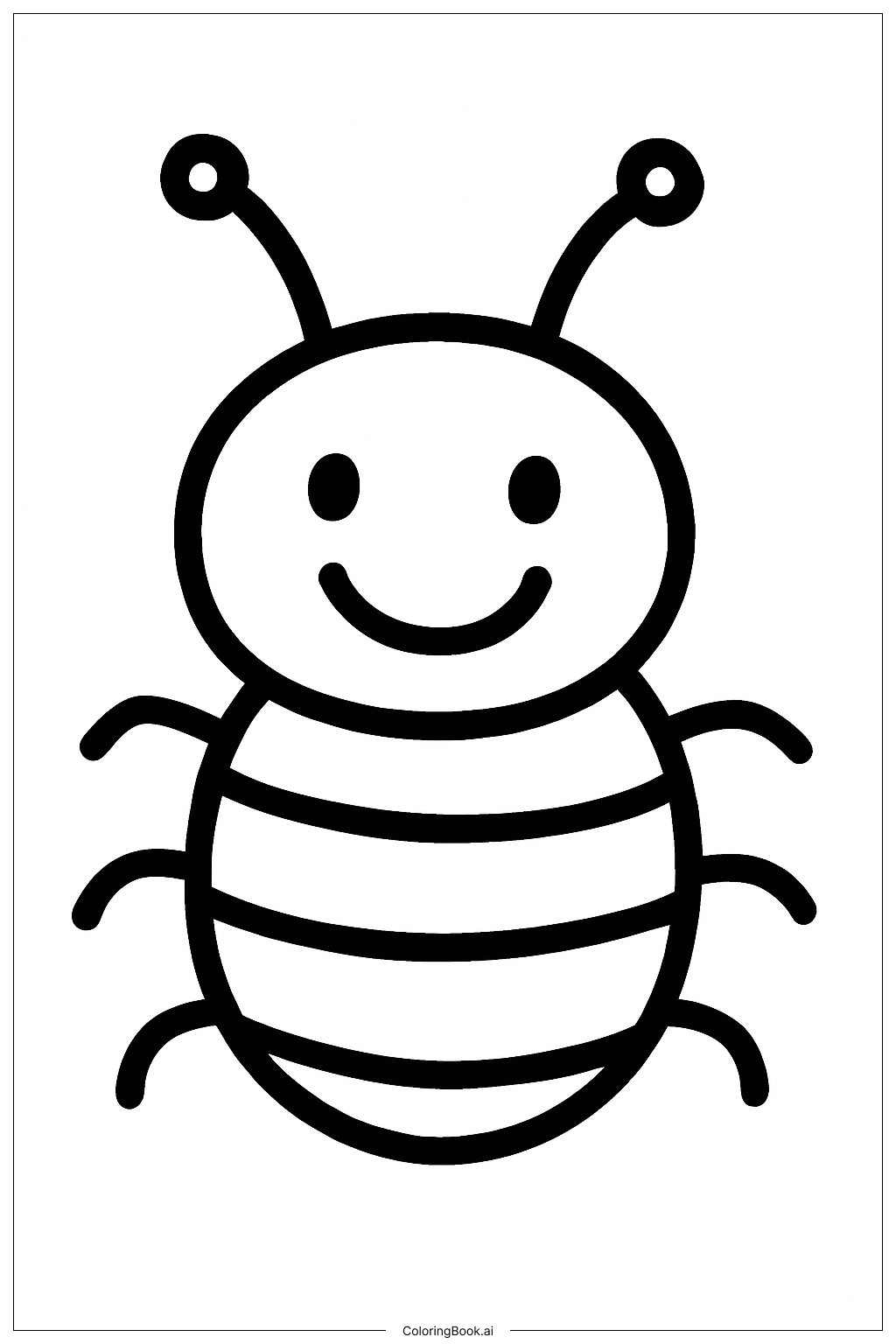
Coloring tips: How to color Bug With Smiling Face coloring page well?
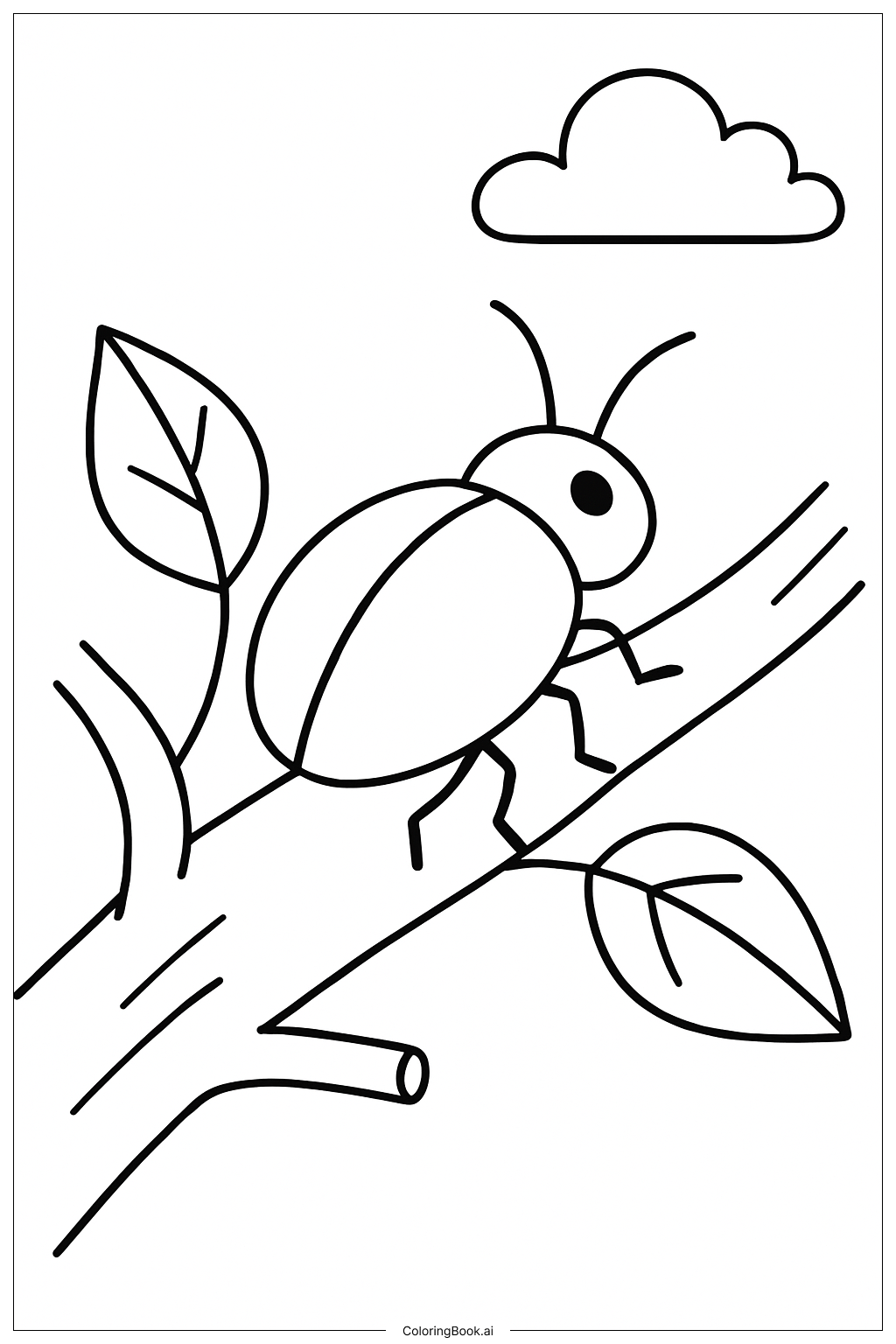
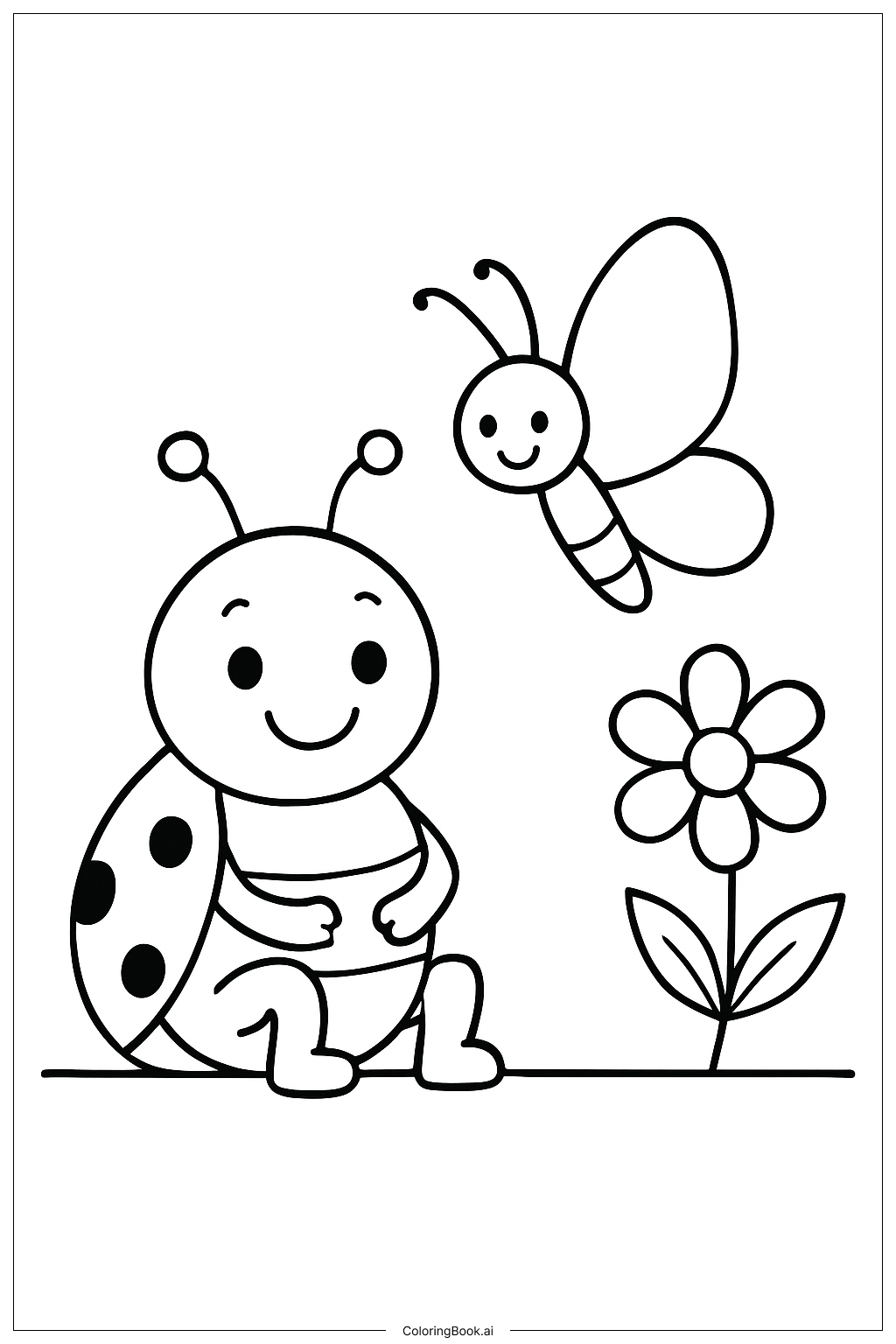
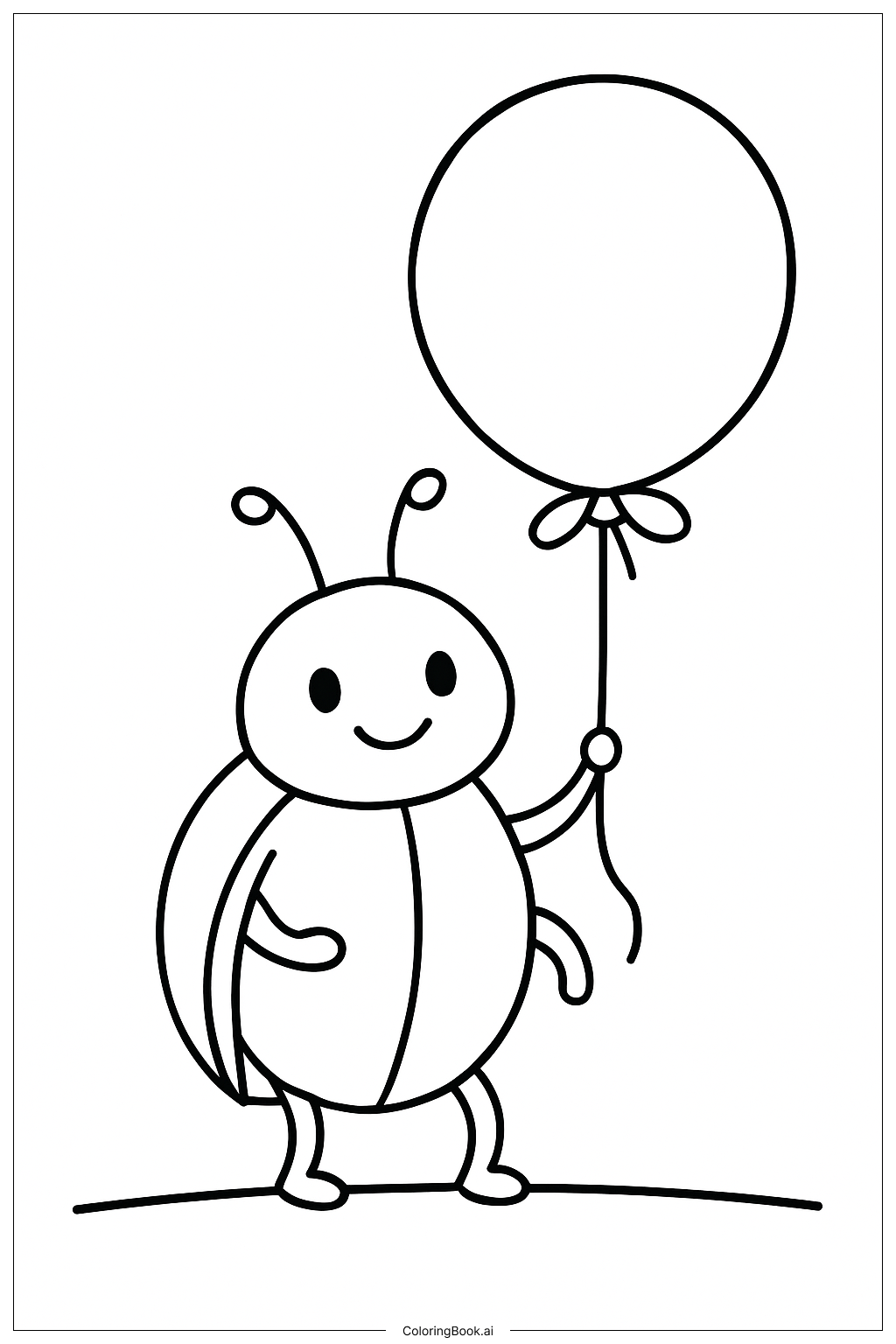
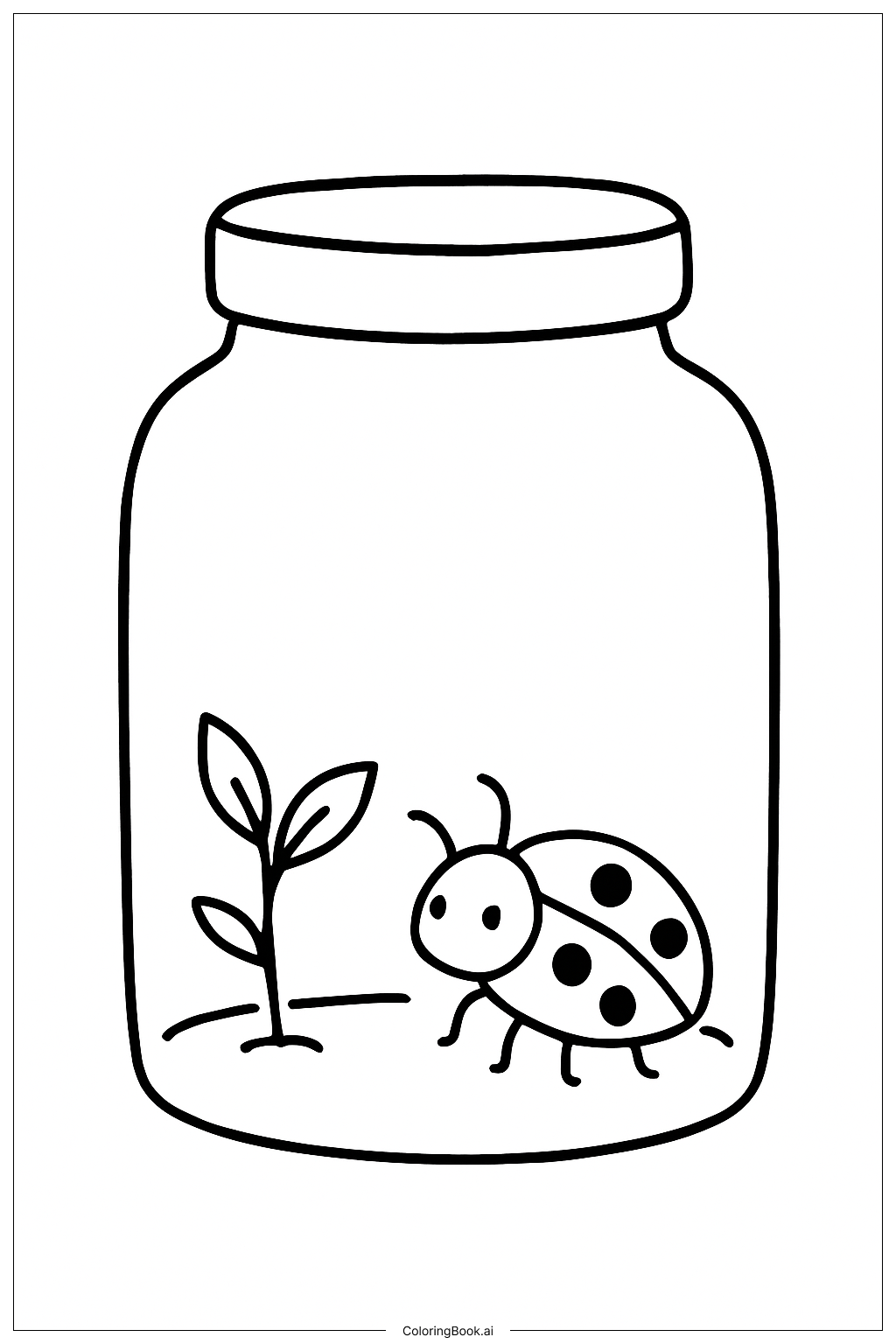
Try using bright and cheerful colors to match the bug’s smiling face. You could color the body in shades of green, red, or orange, which are common and fun for bugs. Make the eyes stand out with a bright white base and colorful irises, like blue or green. The antennae and legs can be darker colors like black or brown to create contrast. You might add colorful patterns or dots on the body to make the bug look more playful and unique. Don’t be afraid to try different colors and styles—this bug is ready to smile in any palette you choose!
Coloring challenges: Which parts are difficult to color and need attention for Bug With Smiling Face coloring page?
• Small Curved Legs: The bug’s legs are thin and curved, which may require careful coloring to stay within the lines and avoid overlapping with the body area. • Expressive Eyes: Keeping the eyes neat can be tricky because their large size calls for precise coloring to show the cheerful expression clearly. • Antennae Shape: The narrow antennae need attention to maintain a smooth, even color without skipping or smudging. • Body Patterns: If you add dots or designs on the bug’s body, making them symmetrical and balanced might be challenging, especially for younger children. • White Space Balance: Coloring the bug while leaving enough white space for highlights or shine will help maintain a lively and three-dimensional look but requires patience and planning.
Benefits of coloring books: Advantages of drawing Bug With Smiling Face coloring page
Coloring this smiling bug helps develop fine motor skills by encouraging control over coloring small, detailed parts such as the legs and eyes. It also promotes creativity, as children can choose any colors they like and even invent new patterns for the bug’s body. The friendly, happy expression of the bug supports positive emotions and makes coloring a joyful experience. This activity teaches focus and patience, as coloring within the lines requires care and attention. Overall, it is a fun way for children to practice art skills while connecting with nature’s friendly little creatures.