Coloring tips: How to color Schoolchildren Raising Hands Black History Month coloring page well?
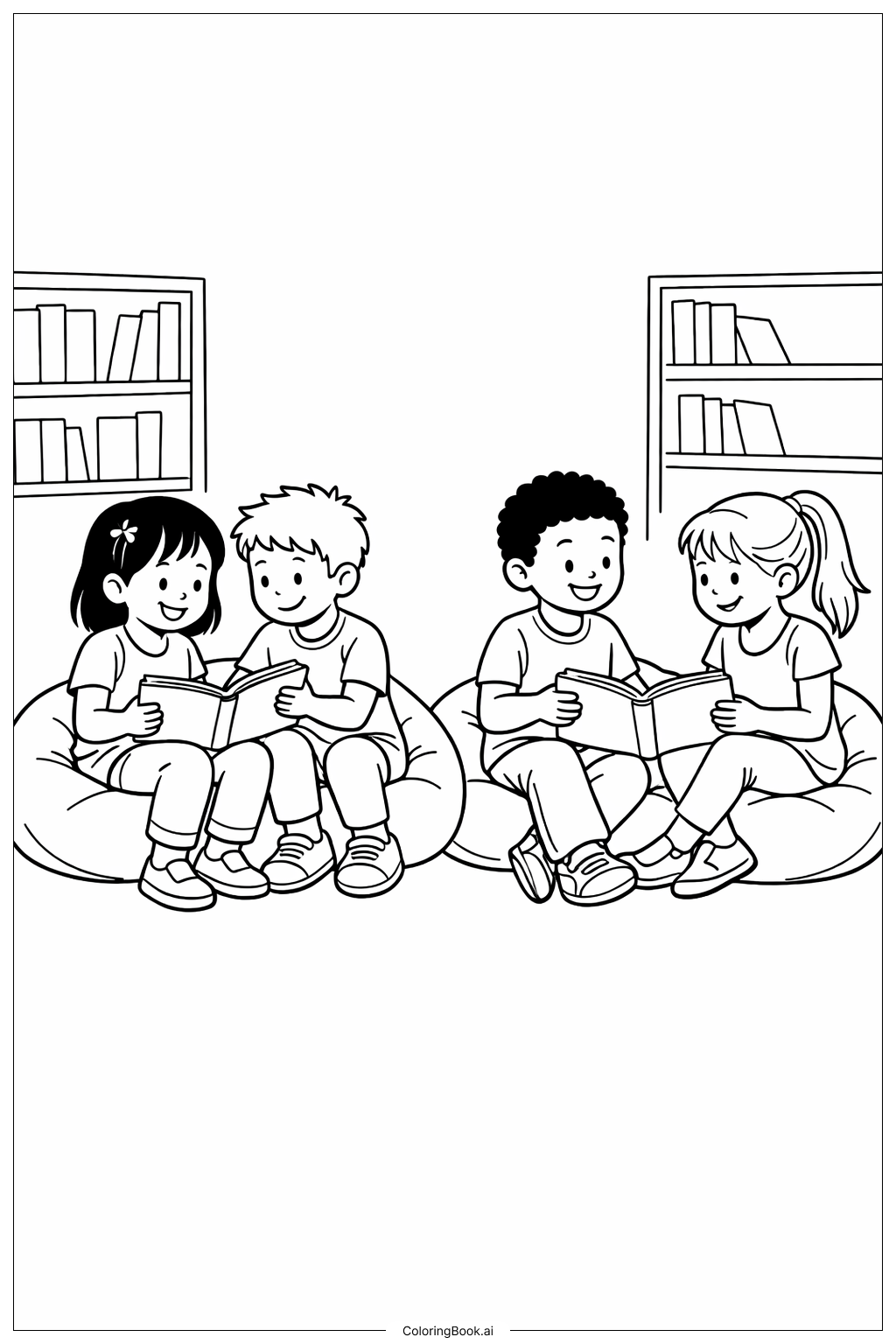
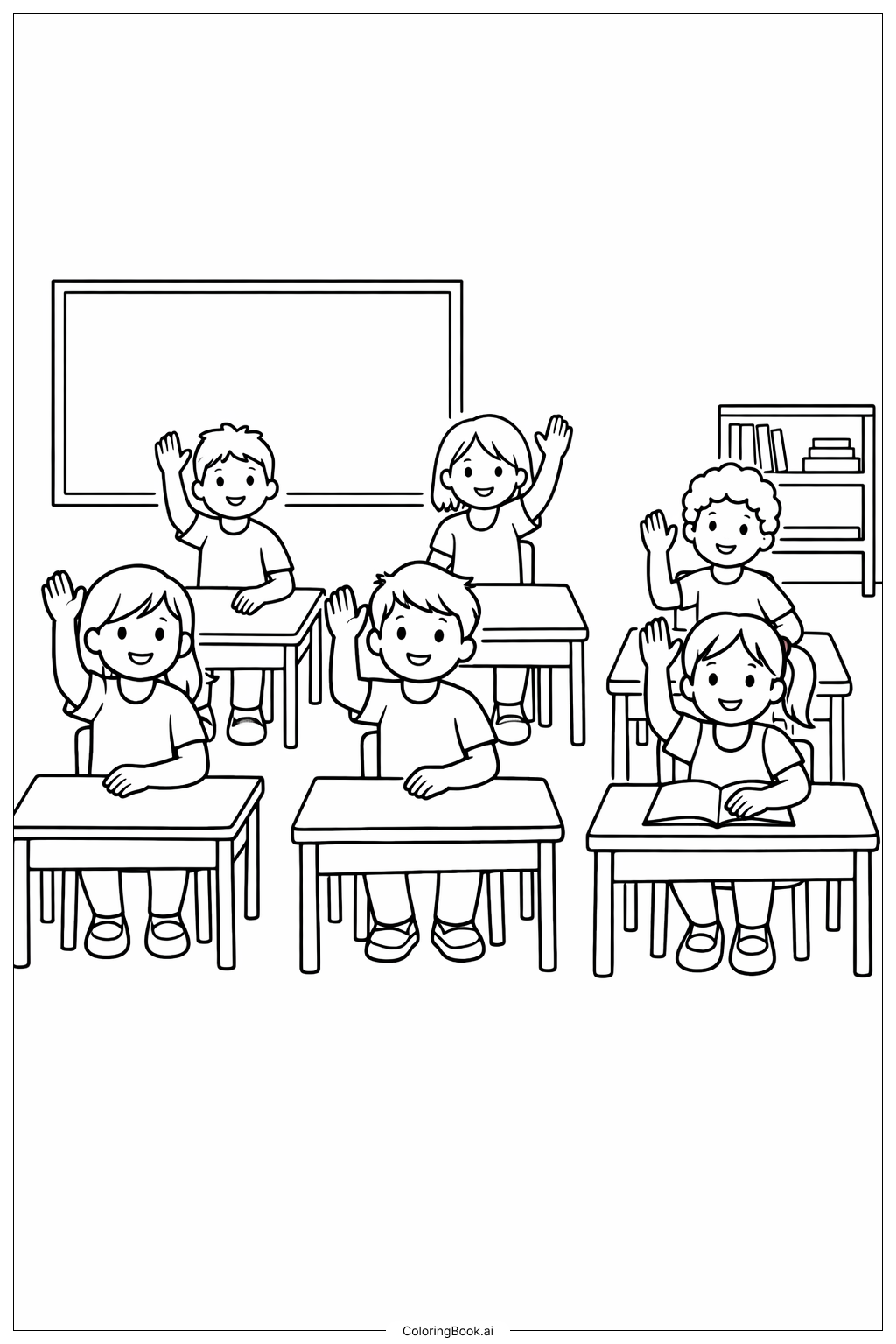
Use bright colors for the children’s clothes to make them stand out and show their different personalities. Color the skin tones in various shades to represent diversity. Use warm colors like yellow, orange, or light brown for the classroom walls to create a welcoming atmosphere. The desks and chairs can be shaded in natural wood colors like brown or tan. Don't forget to add colors to the books on the shelf, using a mix of reds, blues, and greens to make the background lively. Keep the board a soft green or black to maintain its classic look.
Coloring challenges: Which parts are difficult to color and need attention for Schoolchildren Raising Hands Black History Month coloring page?
1. Coloring multiple children with different skin tones can be challenging; it requires careful choice of colors to show diversity accurately. 2. The raised hands have many small parts and edges that need careful coloring to stay inside the lines. 3. The bookshelf has many small books, which can be tricky to color without blending colors together. 4. The desks and chairs have straight lines and angles that require steady hand control to color neatly. 5. Keeping the classroom background simple but lively needs balance between too bright and too dull colors to avoid distraction from the children.
Benefits of coloring books: Advantages of drawing Schoolchildren Raising Hands Black History Month coloring page
Coloring this image helps kids learn about teamwork and participation, as the children are all raising their hands together. It encourages understanding and respect for diversity by using different skin tones. It also improves fine motor skills by requiring careful coloring between small lines and shapes. Coloring a classroom setting helps children feel more connected to their own learning experiences. Finally, it promotes creativity by letting children choose colors that make the picture bright and happy.