Coloring tips: How to color Portrait of Rosa Parks coloring page well?
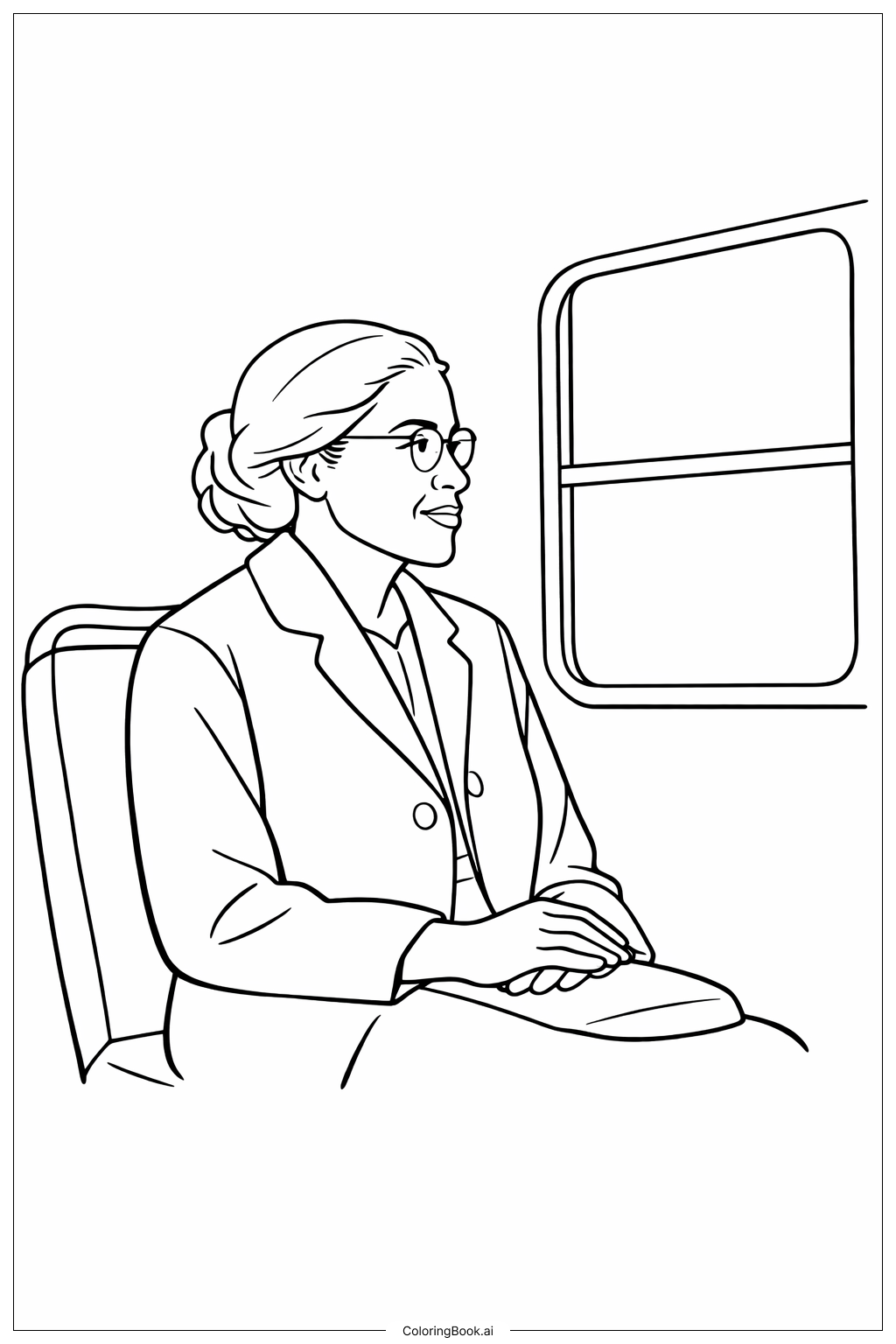
Start with Rosa Parks' skin tone using warm shades of brown. Light brown and golden-brown pencils work well for a natural, glowing look. Her dress can be colored in soft, dignified colors like deep navy, forest green, or burgundy to reflect her quiet elegance. Use dark brown or black for her hair, which is neatly styled. Her glasses can be colored silver or gold for a classic look. For the background, choose warm, celebratory tones like gold, amber, or deep red to honor the spirit of Black History Month. Add soft shading around her face and neck to give the portrait depth and dimension. Use lighter strokes for highlights on her forehead and cheeks. Take your time with her facial features — gentle, careful coloring will bring out her kind and determined expression. This portrait is a wonderful way to celebrate a hero through art.
Coloring challenges: Which parts are difficult to color and need attention for Portrait of Rosa Parks coloring page?
• Facial Features and Expression: Rosa Parks' face is the heart of this portrait. Capturing her calm and determined expression requires careful coloring around her eyes, lips, and cheeks. Small areas like the corners of her eyes and the curve of her mouth need a light hand and a fine-tipped pencil or marker to avoid smudging or coloring outside the lines.
• Skin Tone Blending: Achieving a realistic and respectful skin tone takes practice. You will need to layer multiple shades of brown, from light tan to medium and deep brown, and blend them smoothly. Uneven blending can make the face look patchy, so take your time and use gentle, circular strokes to build up color gradually.
• Glasses Details: The glasses frames are small and precise. Coloring them neatly without bleeding into the surrounding skin or background requires a very fine tool. Choosing the right metallic or neutral color and staying within the thin lines of the frame is one of the trickier parts of this page.
• Hair Texture and Shading: Rosa Parks' neatly styled hair should have a sense of volume and texture. Using dark brown and black tones with directional strokes that follow the hair's natural flow helps create a realistic effect. Leaving small highlights uncolored or using a lighter brown adds depth without overcomplicating the process.
• Background Composition: The background should complement Rosa Parks without overpowering her portrait. Balancing color intensity between the figure and the background so that she remains the clear focal point requires thoughtful color choices and controlled shading across the entire page.
Benefits of coloring books: Advantages of drawing Portrait of Rosa Parks coloring page
Coloring this portrait of Rosa Parks is both a creative and educational experience, especially during Black History Month. It gives children and Adults alike a chance to connect with an important piece of American history in a personal and meaningful way.
For younger children, the act of carefully coloring a real historical figure builds focus, fine motor skills, and patience. Staying within the lines and blending colors strengthens hand-eye coordination and attention to detail.
For older children and teens, this page encourages reflection. As they color Rosa Parks' face and clothing, they can think about her courage and the impact she had on civil rights in America. Art becomes a way to honor and remember her story.
For Adults, this portrait offers a meditative coloring experience. The detailed facial features and thoughtful composition invite slow, intentional coloring that can reduce stress and promote a sense of calm.
Across all ages, coloring this image sparks curiosity and conversation about history, equality, and bravery. It is a simple but powerful way to pay tribute to Rosa Parks and celebrate the spirit of Black History Month through creativity and art.