Coloring tips: How to color Little Girl With Afro Black History Month coloring page well?
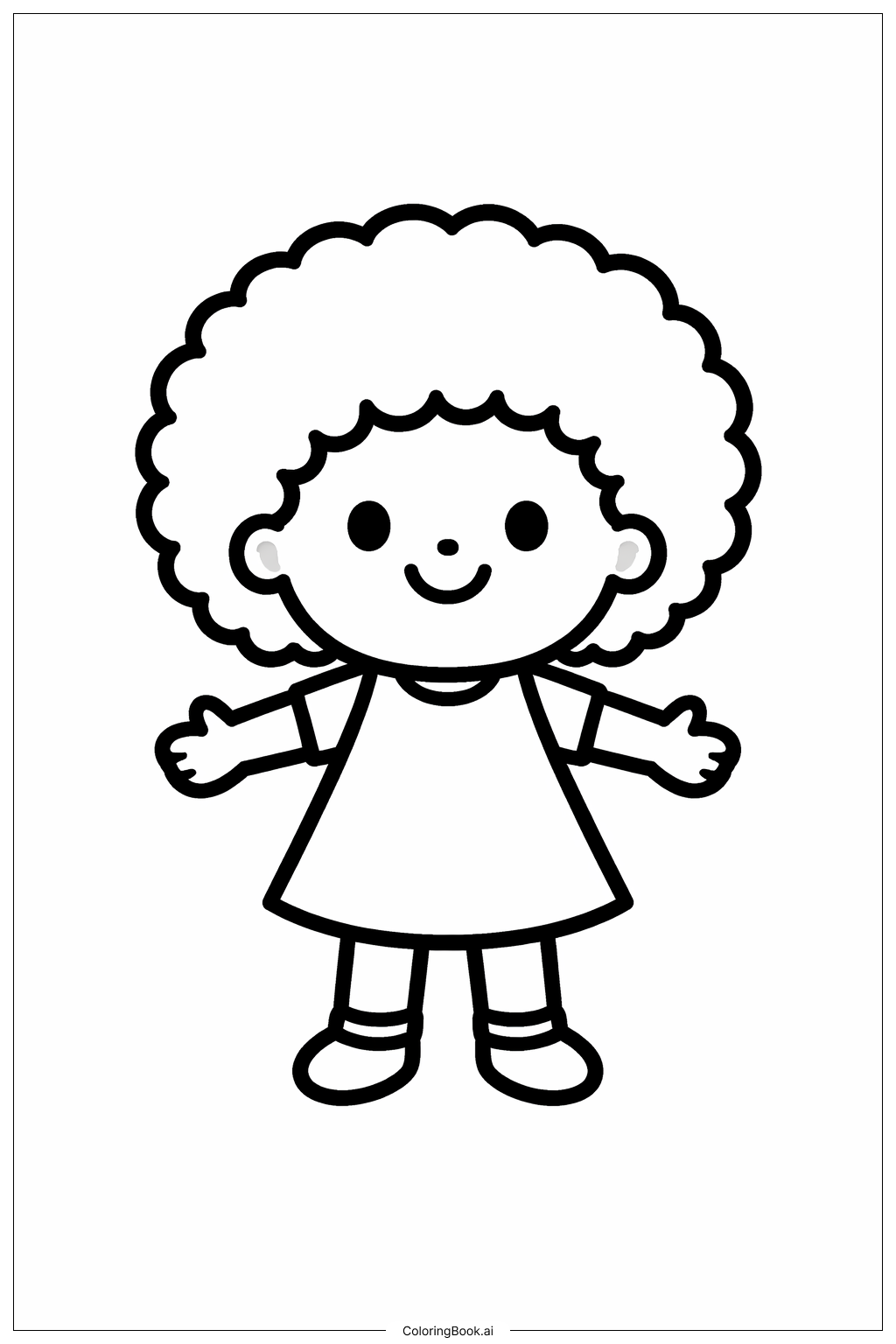
For coloring this image, start with warm skin tones like shades of brown to represent the girl’s skin color. Use darker shades of brown or black for the Afro hair to show its texture. The dress can be bright and cheerful, such as red, yellow, or blue, to make it stand out. Socks and shoes can be lighter colors for contrast, such as white or pastel shades. Feel free to add colorful details or patterns on the dress for extra fun. Use light shading around the face to add depth, but keep the colors vibrant to keep the image lively and joyful.
Coloring challenges: Which parts are difficult to color and need attention for Little Girl With Afro Black History Month coloring page?
1. Coloring the Afro hair can be tricky due to its round and fluffy shape. It requires careful coloring to show texture without going outside the lines. 2. The small facial features like eyes, nose, and mouth need precision to avoid coloring outside the lines and keep the expressions clear. 3. Coloring the hands and fingers evenly can be a challenge because of the small, detailed shapes. 4. The dress has smooth edges but large open areas, which may be tempting to rush through, so careful coloring is needed to avoid color streaks. 5. Balancing colors that complement each other well can be difficult for younger children learning to blend and match colors.
Benefits of coloring books: Advantages of drawing Little Girl With Afro Black History Month coloring page
Coloring this picture helps children develop fine motor skills as they carefully fill in different areas. It encourages creativity because kids can choose their own color combinations for the dress, shoes, and hair. It also promotes cultural awareness by celebrating natural Afro hair and Black identity. The simple, happy image boosts confidence and pride in diverse beauty. Through coloring, children learn patience, focus, and coordination while having fun. This image is not only enjoyable but also educational, fostering respect and understanding for cultural heritage.