Coloring tips: How to color Child With Musical Notes Black History Month coloring page well?
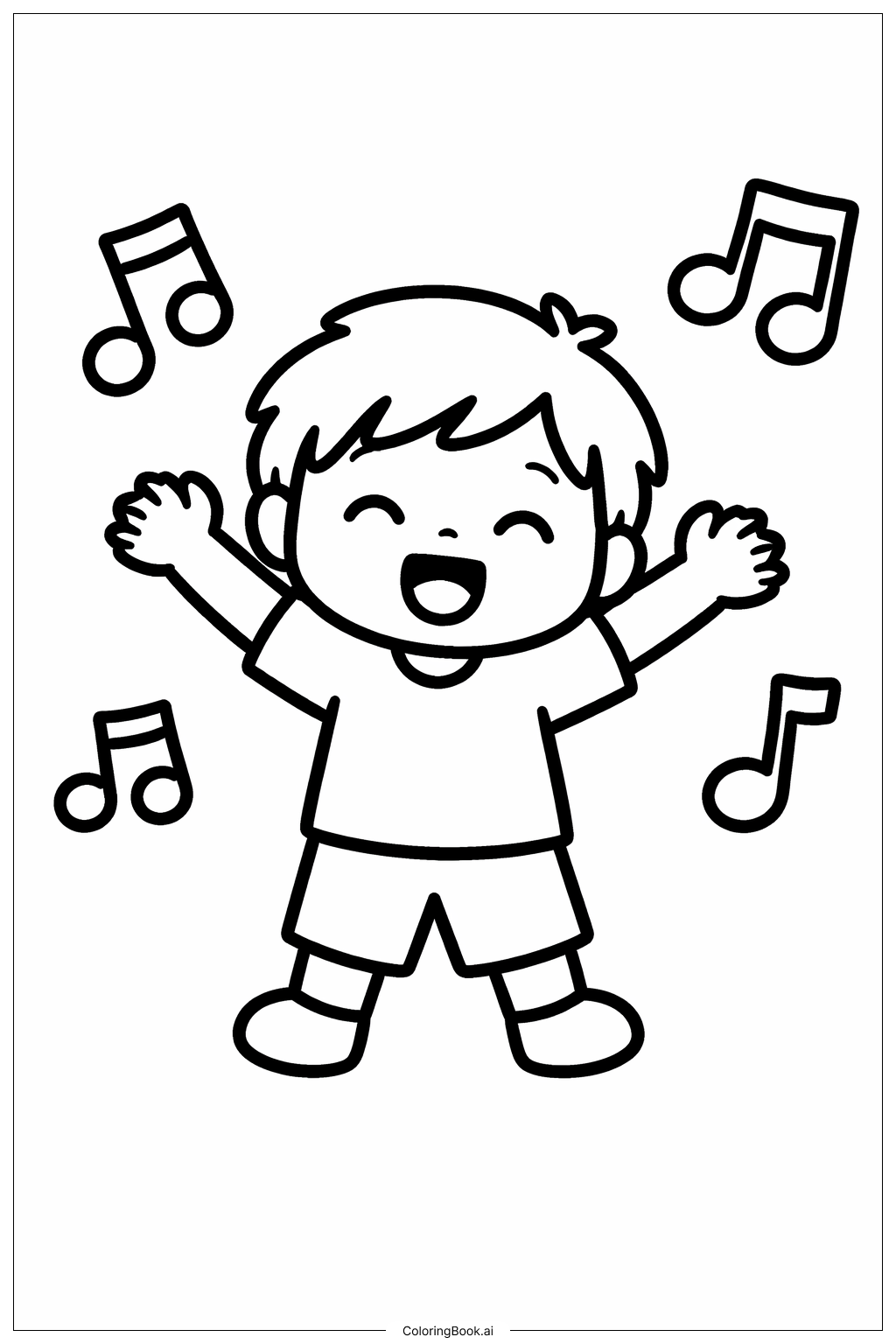
Use bright and cheerful colors for the child's clothes like red, blue, or yellow to make the picture lively. For the skin tone, choose a color that reflects diversity and can be personalized. The hair can be colored in shades of black, brown, or even playful colors like blue or purple. Use different colors for each musical note to make them stand out and add more fun to the image. Consider coloring the background light blue or green to make the child and music notes pop. Use crayons, markers, or colored pencils for smooth and even coloring.
Coloring challenges: Which parts are difficult to color and need attention for Child With Musical Notes Black History Month coloring page?
1. Coloring the hands and fingers can be tricky because of their small size and close details. 2. The musical notes are spaced apart, and coloring within the lines carefully is important to keep them neat. 3. The child’s hair has few small sections that might be hard to color evenly. 4. Choosing skin tones can be challenging for children who want to represent different ethnicities but are unsure about colors. 5. Coloring the space between the child's legs and arms may be difficult because of the tight lines and curves.
Benefits of coloring books: Advantages of drawing Child With Musical Notes Black History Month coloring page
Coloring this picture helps children learn about expressing emotions through colors. It encourages creativity by letting them choose colors for different elements like clothes, hair, and musical notes. Filling in the musical notes can improve focus and hand control because of their small size. The happy child encourages positive feelings and can inspire children to think about joy and music in their own lives. Coloring also helps develop fine motor skills and patience, making it a fun and educational activity.