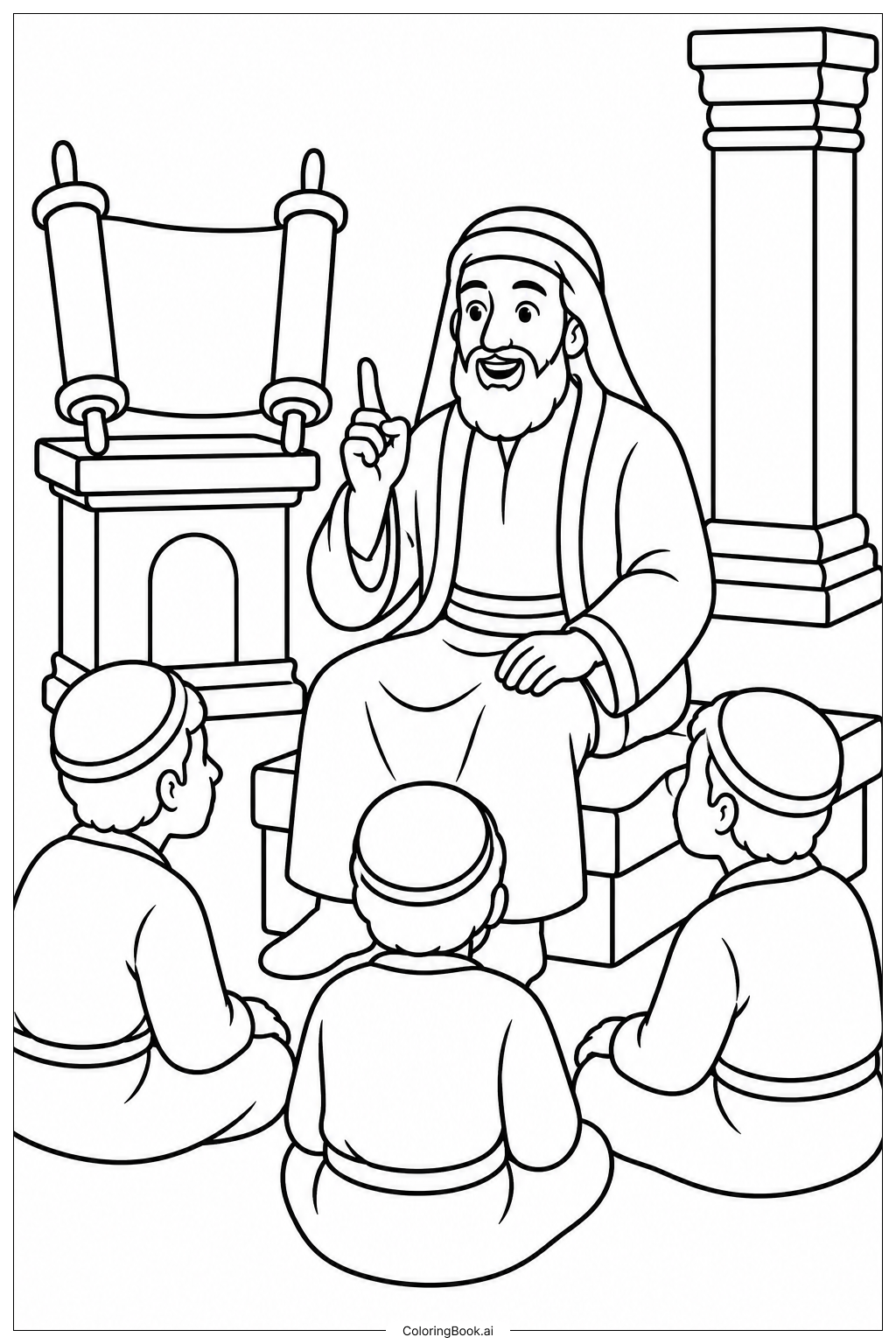
Coloring tips: How to color Teaching At Beis Hamikdash coloring page well?
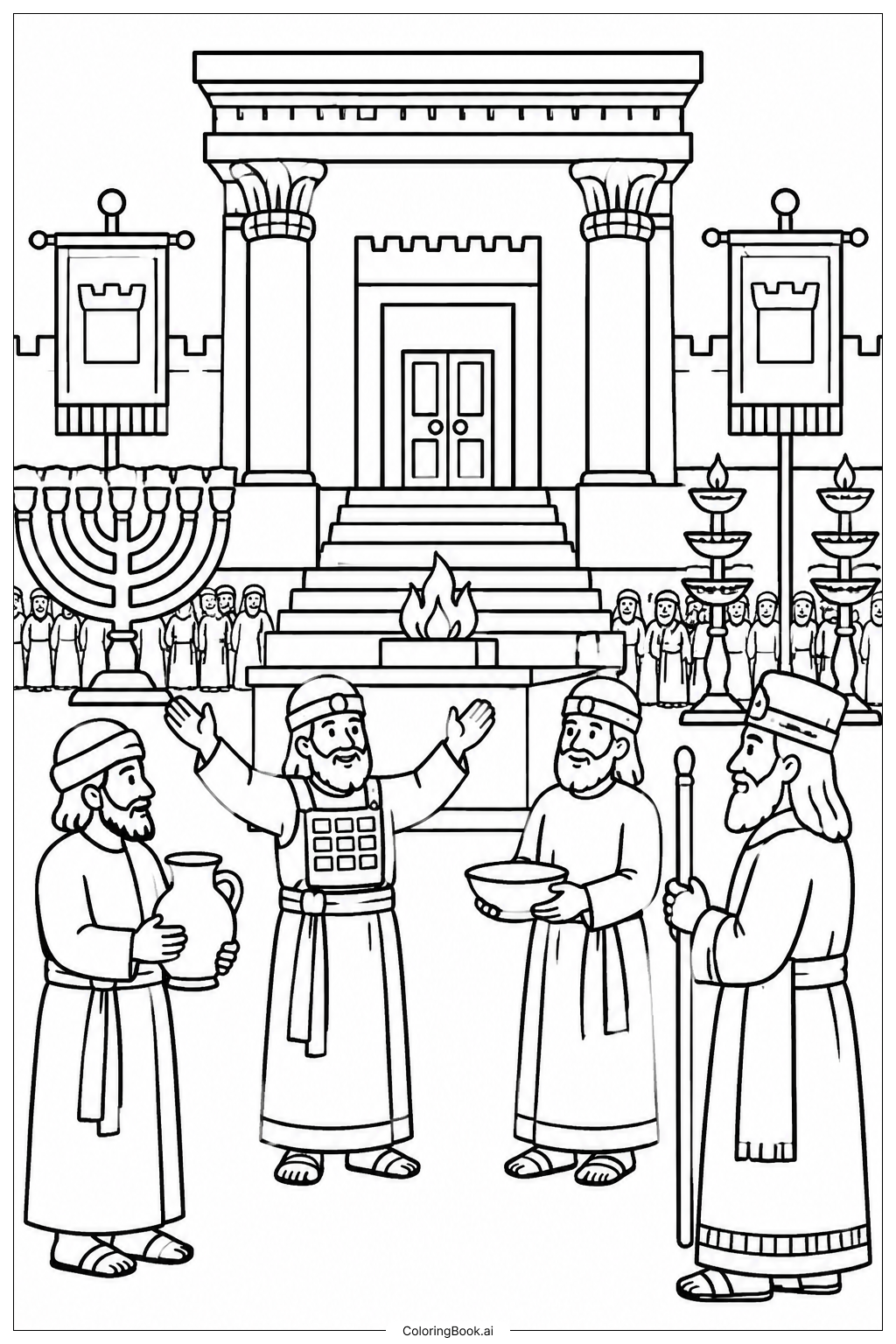
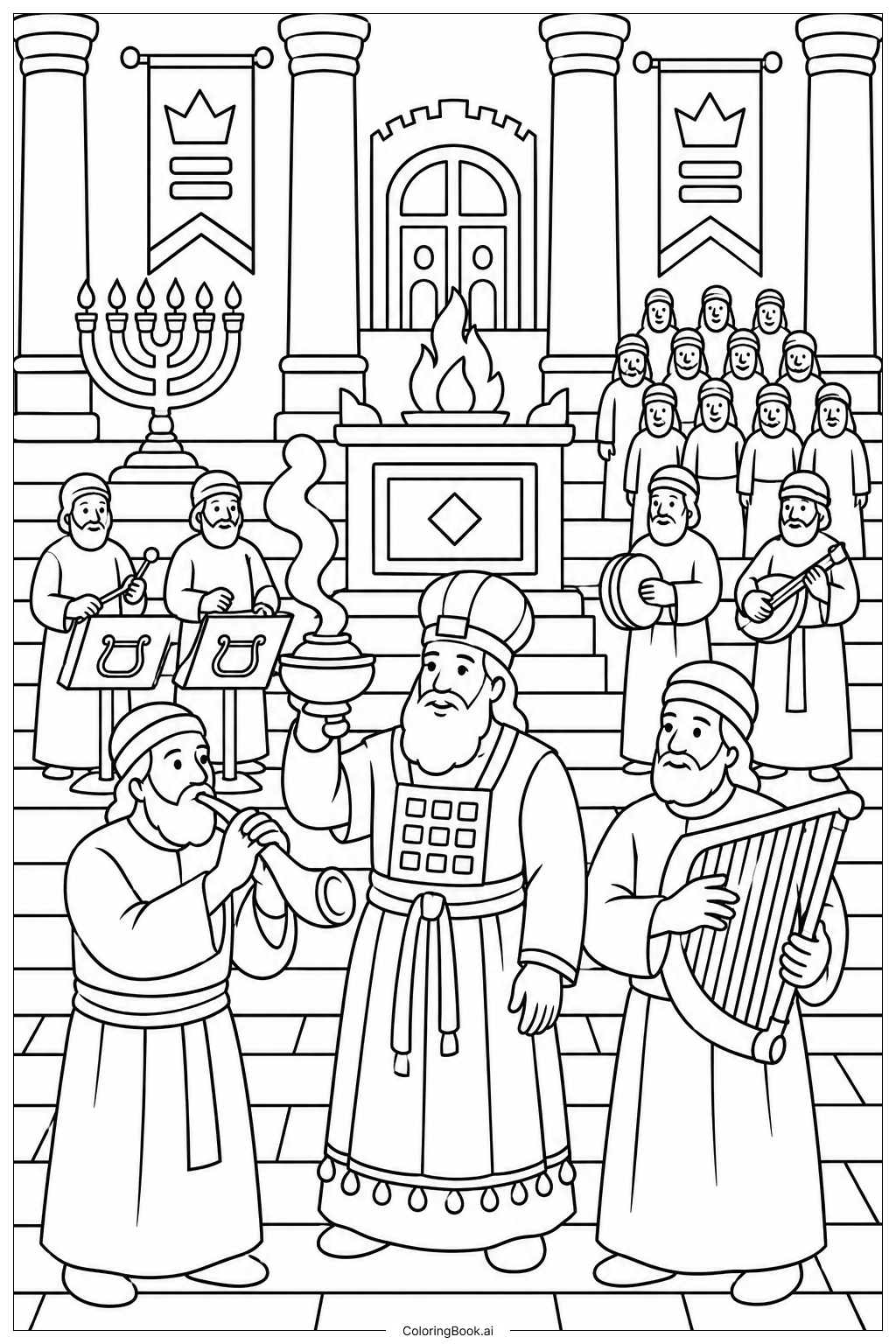
Start with the background architecture of the Beis Hamikdash. Use warm stone tones like tan, beige, and soft gold for the columns and walls to give the temple a grand, ancient feel. For the teacher figure, choose deep blues, purples, or rich burgundy robes to show wisdom and authority. Dress the students in lighter colors like soft greens, yellows, and sky blue to reflect their youth and openness. Use warm golden or amber tones for the lampstands and sacred objects. The scrolls can be colored in parchment and warm brown shades. Add soft warm lighting effects in the background, using pale yellow or cream to suggest the glow of the holy space. Take your time with the detailed stone carvings and decorative borders. Use a light hand with shading to make the scene feel alive and full of meaning.
Coloring challenges: Which parts are difficult to color and need attention for Teaching At Beis Hamikdash coloring page?
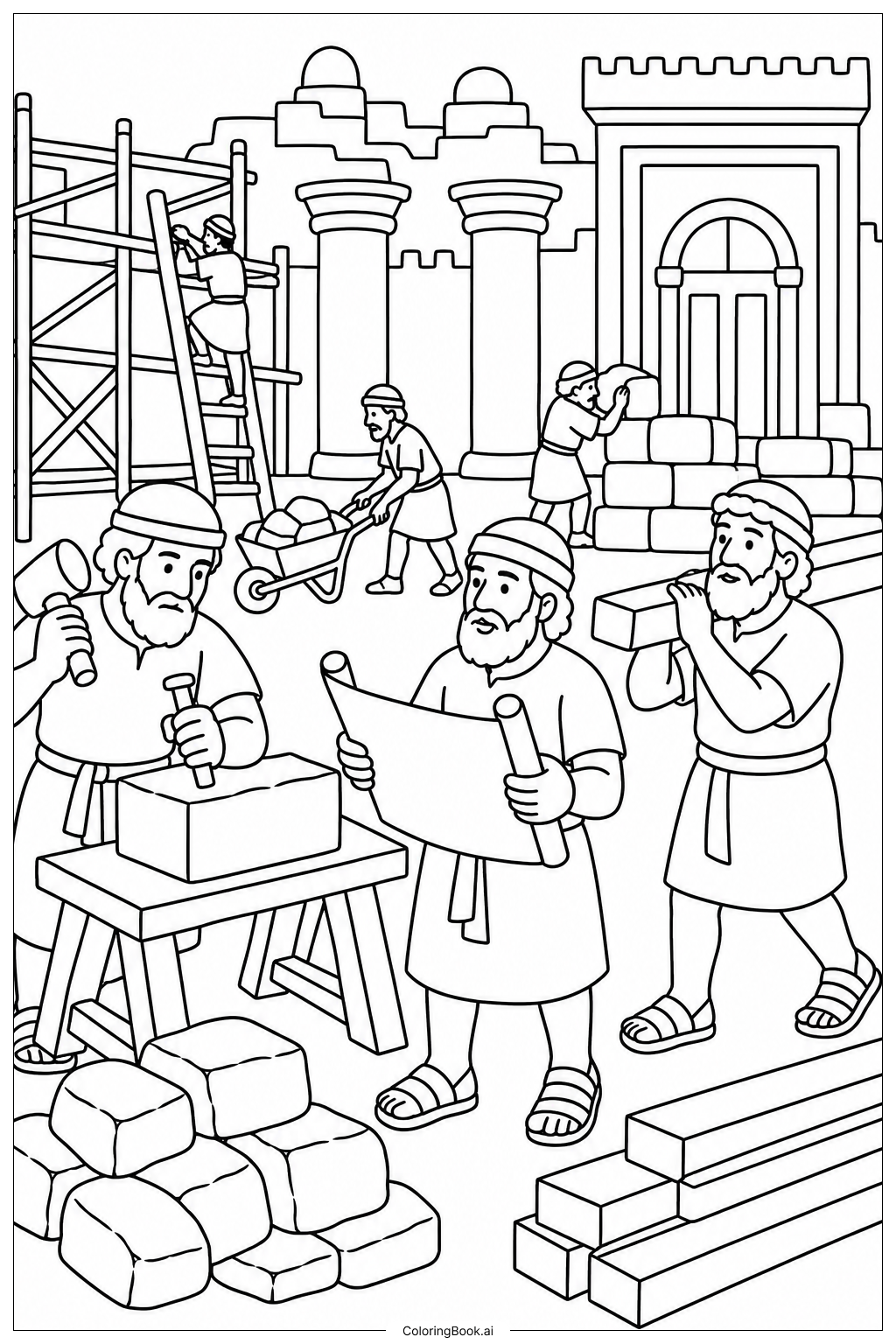
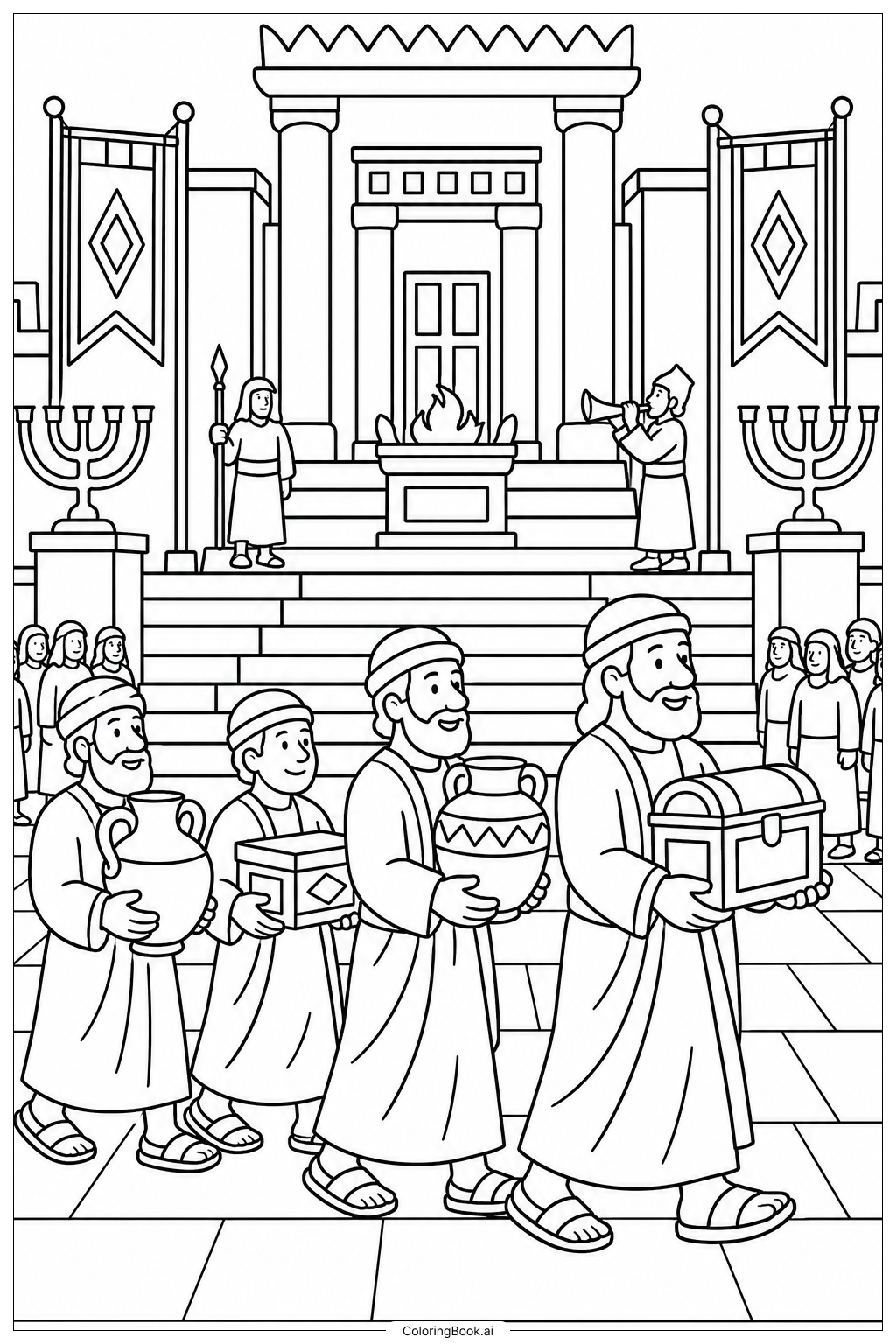
• Architectural Details: The Beis Hamikdash background features tall columns, arched doorways, and intricate stonework. These fine lines require careful control of your coloring tool to stay within the borders without smudging. Younger colorists may find it helpful to use thin-tipped markers or sharpened colored pencils for these areas.
• Multiple Figures and Clothing Folds: The scene includes both the teacher and several students, each wearing layered robes with folds and creases. Capturing the depth and dimension of fabric through shading can be tricky, especially for beginners. Try using two shades of the same color, one lighter and one darker, to suggest the folds naturally.
• Sacred Objects and Fine Ornamental Elements: Items like lampstands, scrolls, and decorative borders contain small, highly detailed designs. These tiny spaces can be difficult to fill neatly. A fine-tipped tool is strongly recommended, and it is fine to leave very small areas white rather than risk smearing.
• Balancing Light and Shadow: The holy setting calls for a sense of warm, glowing light. Deciding where to place lighter tones and where to add shadow throughout the scene requires planning. Consider sketching a quick color plan before starting to avoid uneven or mismatched tones across the page.
• Color Cohesion Across the Scene: With many elements including figures, architecture, and objects all present at once, keeping the overall color palette harmonious can be challenging. Choose a warm, earthy base palette early on and stick to it throughout to create a unified and visually pleasing result.
Benefits of coloring books: Advantages of drawing Teaching At Beis Hamikdash coloring page
Coloring this scene from the Beis Hamikdash offers a wonderful mix of creative and educational benefits for children and adults alike. As you color, you naturally learn about the beauty and significance of the holy Temple and the tradition of Jewish learning passed down through generations. This makes the activity both fun and meaningful.
For younger children, the act of choosing colors and staying within the lines helps develop fine motor skills, hand-eye coordination, and concentration. Focusing on a detailed scene also builds patience and attention to detail, skills that carry over into school and everyday life.
For older children and teens, the scene invites reflection on themes of wisdom, tradition, and respect for teachers. Coloring becomes a quiet, meditative activity that can reduce stress and support emotional well-being.
For adults, working through the intricate architectural details and layered figures is a satisfying creative challenge. It encourages mindfulness and offers a screen-free way to relax and reconnect with heritage and values.
Coloring this image together as a family can also spark meaningful conversations about the Beis Hamikdash, Jewish history, and the importance of learning. It turns a simple art activity into a shared cultural and spiritual experience that everyone can enjoy and remember.