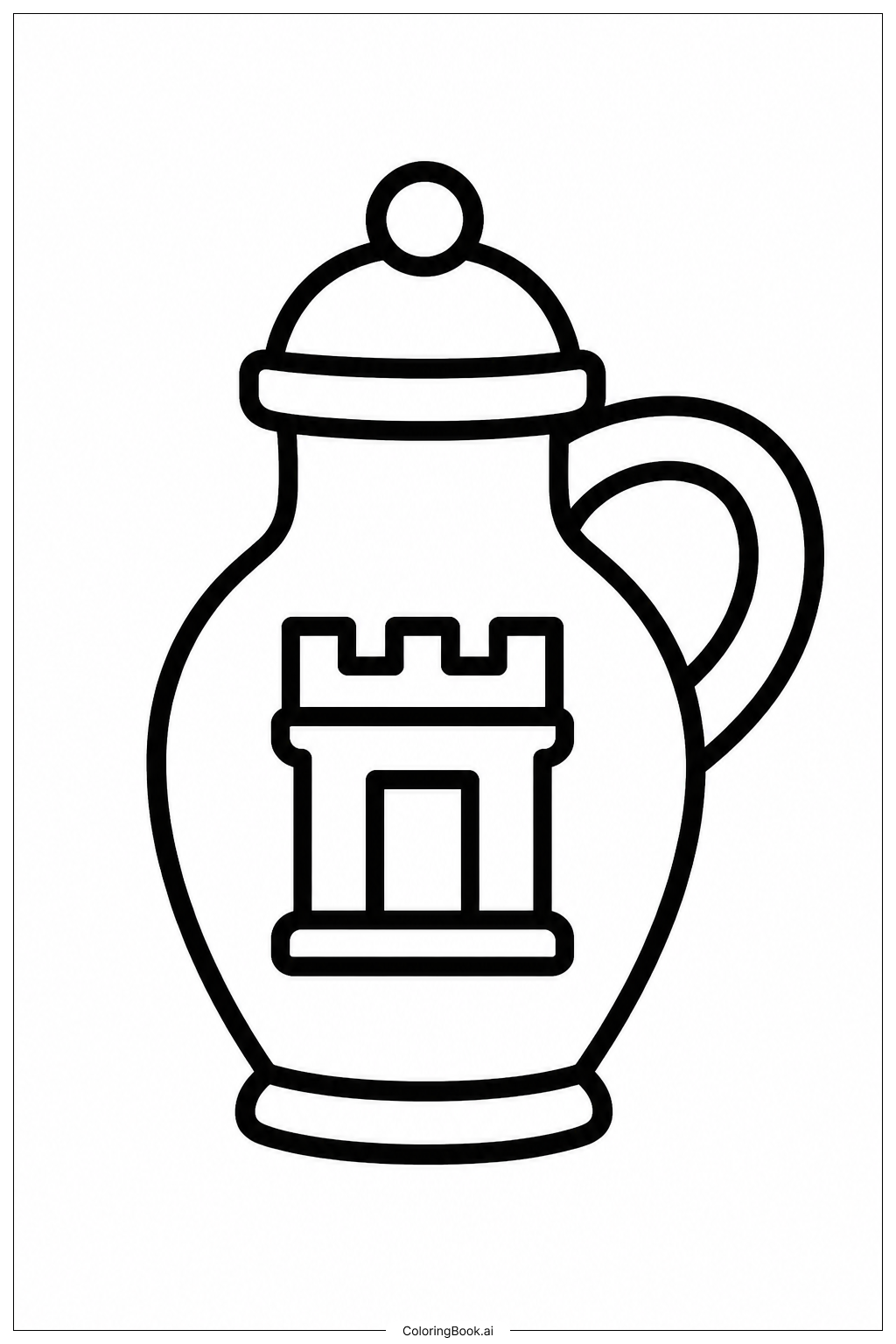
Coloring tips: How to color Oil Jar Beis Hamikdash coloring page well?
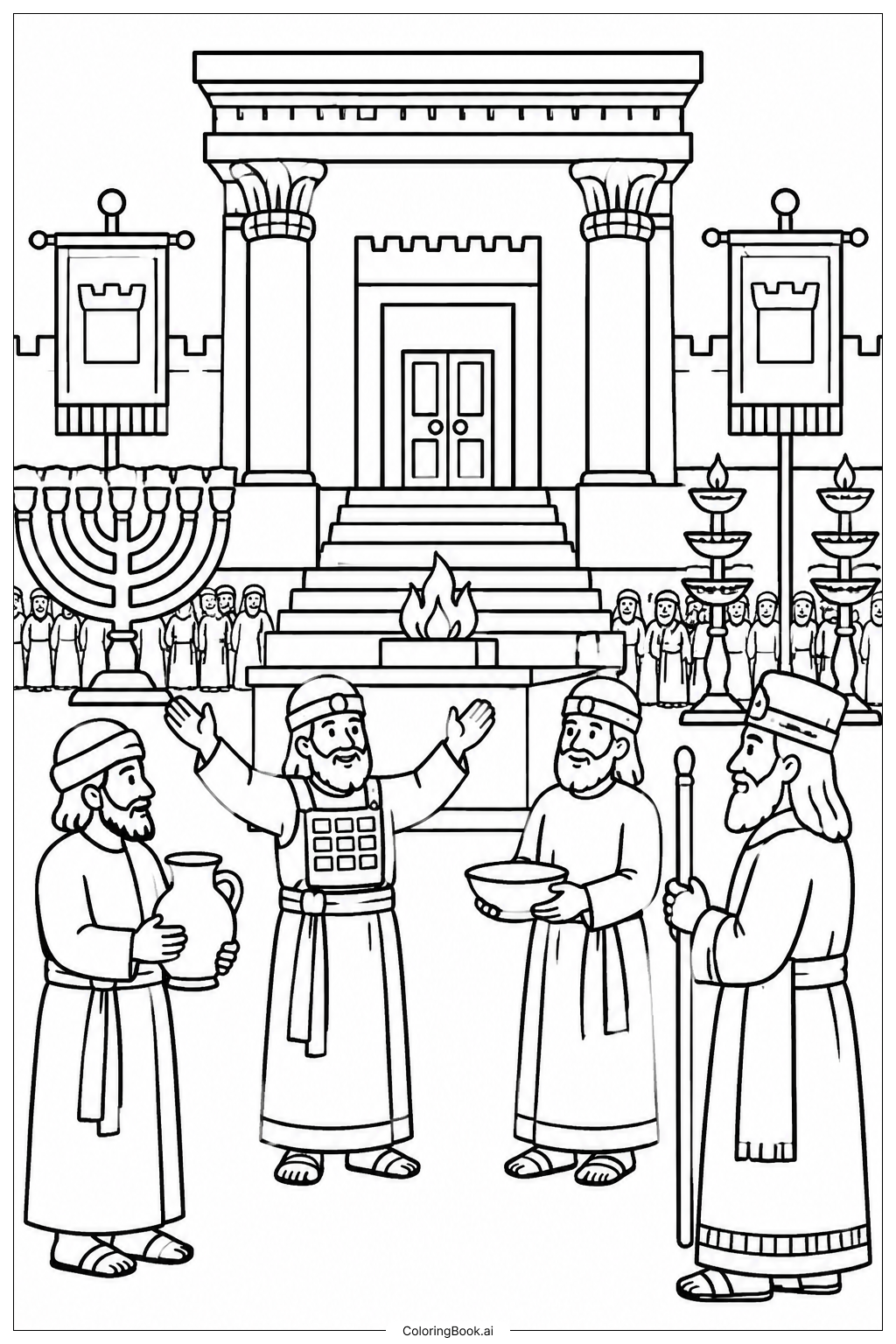
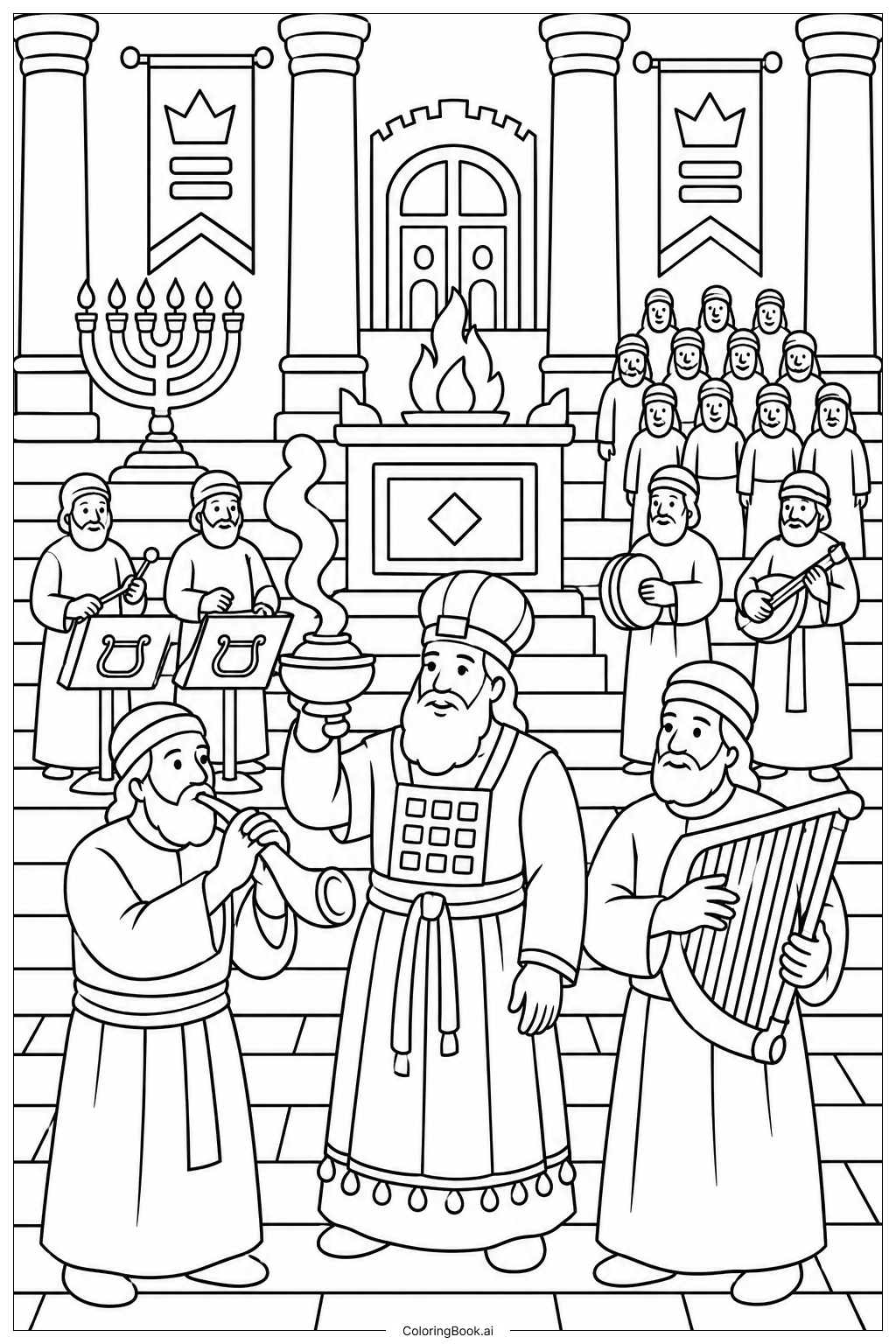
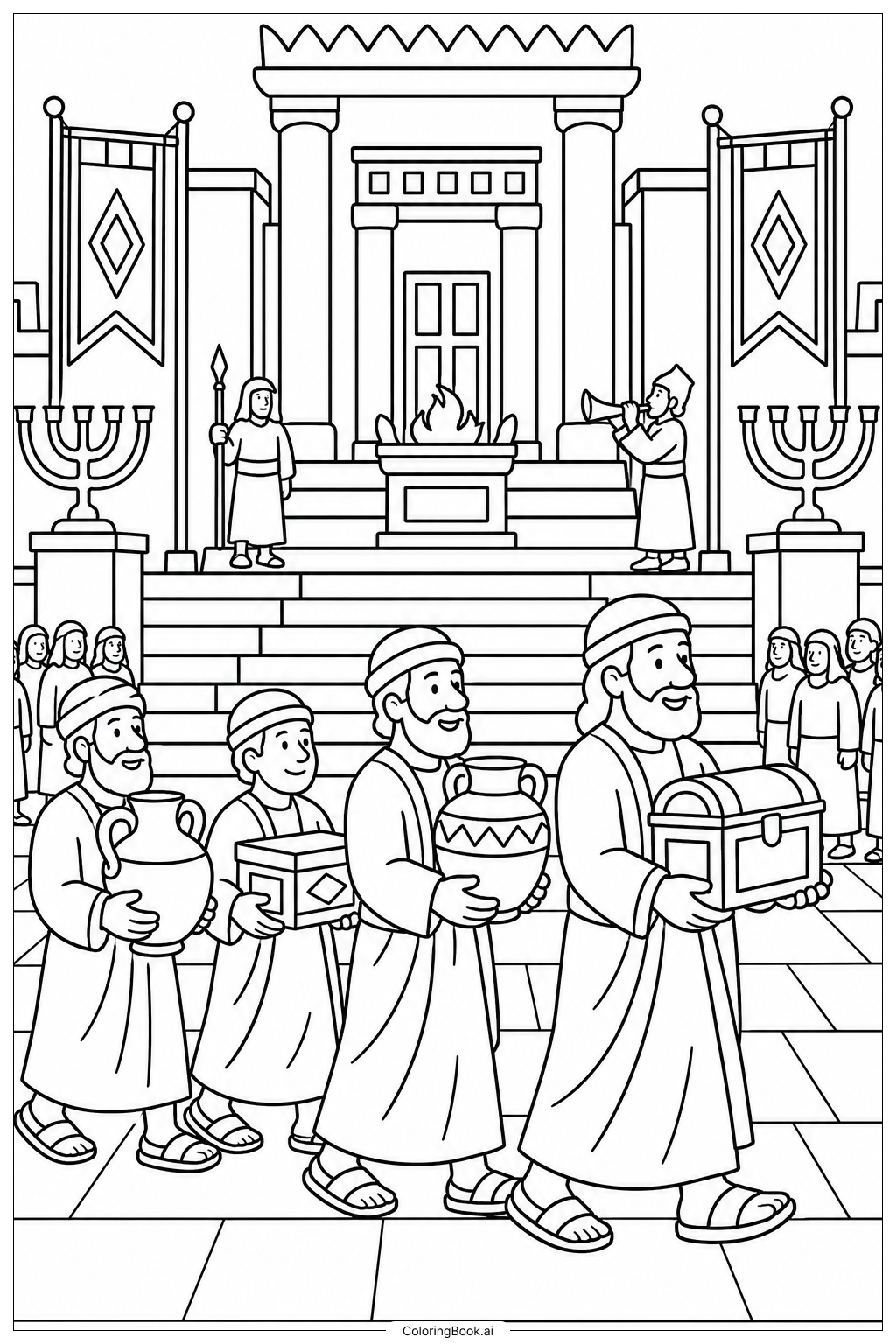
Start by coloring the oil jar in warm, earthy tones like golden yellow, tan, or terracotta to give it an ancient clay look. Use a deep amber or golden hue for the oil inside the jar to make it look pure and glowing. For the Temple background and columns, try soft beige, ivory, or pale stone gray to reflect the grand marble appearance of the Beis Hamikdash. Add gold and rich yellow accents on the decorative borders and sacred details to bring out their importance. Use shades of brown for any wooden elements. Keep the overall palette warm and bright to reflect the joy and holiness of the scene. Children can experiment with lighter shades first and then layer darker tones to add depth. There are no wrong color choices, so feel free to be creative and make the image feel special and meaningful.
Coloring challenges: Which parts are difficult to color and need attention for Oil Jar Beis Hamikdash coloring page?
• Jar Surface Details: The oil jar features fine curved lines, ridges, and surface textures that can be tricky to color neatly. Staying within the small curved sections requires a sharp colored pencil or a fine-tipped marker. Take your time and work in smooth, gentle strokes that follow the shape of the jar.
• Tiny Decorative Borders: The image includes intricate border patterns and repeating ornamental designs inspired by the Temple. These small, closely spaced details are challenging because the coloring areas are very narrow. Using thin tools and moving carefully will help keep colors clean and separate.
• Temple Architecture Elements: The columns, archways, and structural details of the Beis Hamikdash in the background require attention to shading and consistency. Keeping the stone or marble tones even across multiple sections without muddying them takes patience and a steady hand.
• Oil and Light Effects: Coloring the oil inside the jar to look luminous and warm is a creative challenge. Blending golden yellow with a hint of orange or amber can create a glowing effect, but achieving smooth color transitions requires practice, especially for younger colorists.
• Symbolic Details: Sacred symbols and small inscriptions or motifs within the design carry meaning and deserve careful, respectful coloring. These fine elements sit in tight spaces and require precision to avoid coloring outside the lines, making them some of the most rewarding yet demanding parts of the page.
Benefits of coloring books: Advantages of drawing Oil Jar Beis Hamikdash coloring page
Coloring this Oil Jar Beis Hamikdash page offers wonderful benefits for kids and families alike. First, it helps children connect with Jewish history and tradition in a fun, hands-on way. As they color, they can learn about the miracle of the oil and the importance of the Holy Temple. This makes the activity both educational and meaningful.
The detailed linework in the image helps children develop fine motor skills and hand-eye coordination. Staying within the lines, blending colors, and working through small sections all strengthen the muscles and control needed for writing and other tasks.
Coloring also encourages focus and patience. The intricate patterns and sections require children to slow down, concentrate, and work thoughtfully, which builds great habits for learning.
For older kids and Adults, this page provides a calming, meditative experience. Focusing on color choices and carefully filling in details can reduce stress and bring a sense of peace and accomplishment.
Finally, completing the page gives colorists a sense of pride. Displaying the finished artwork is a wonderful way to celebrate creativity and cultural heritage together. This page is a meaningful keepsake that connects art, history, and faith in one beautiful activity.