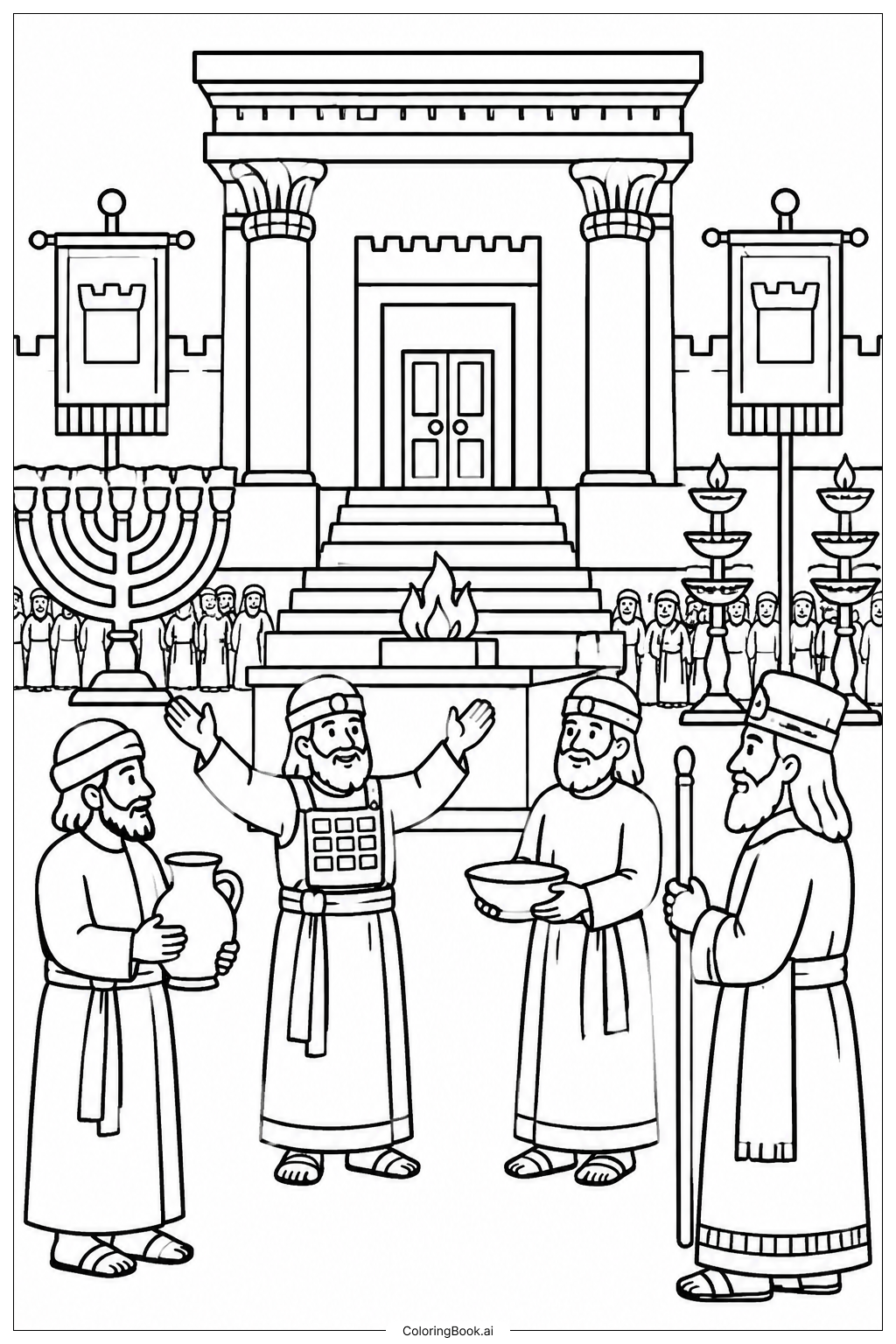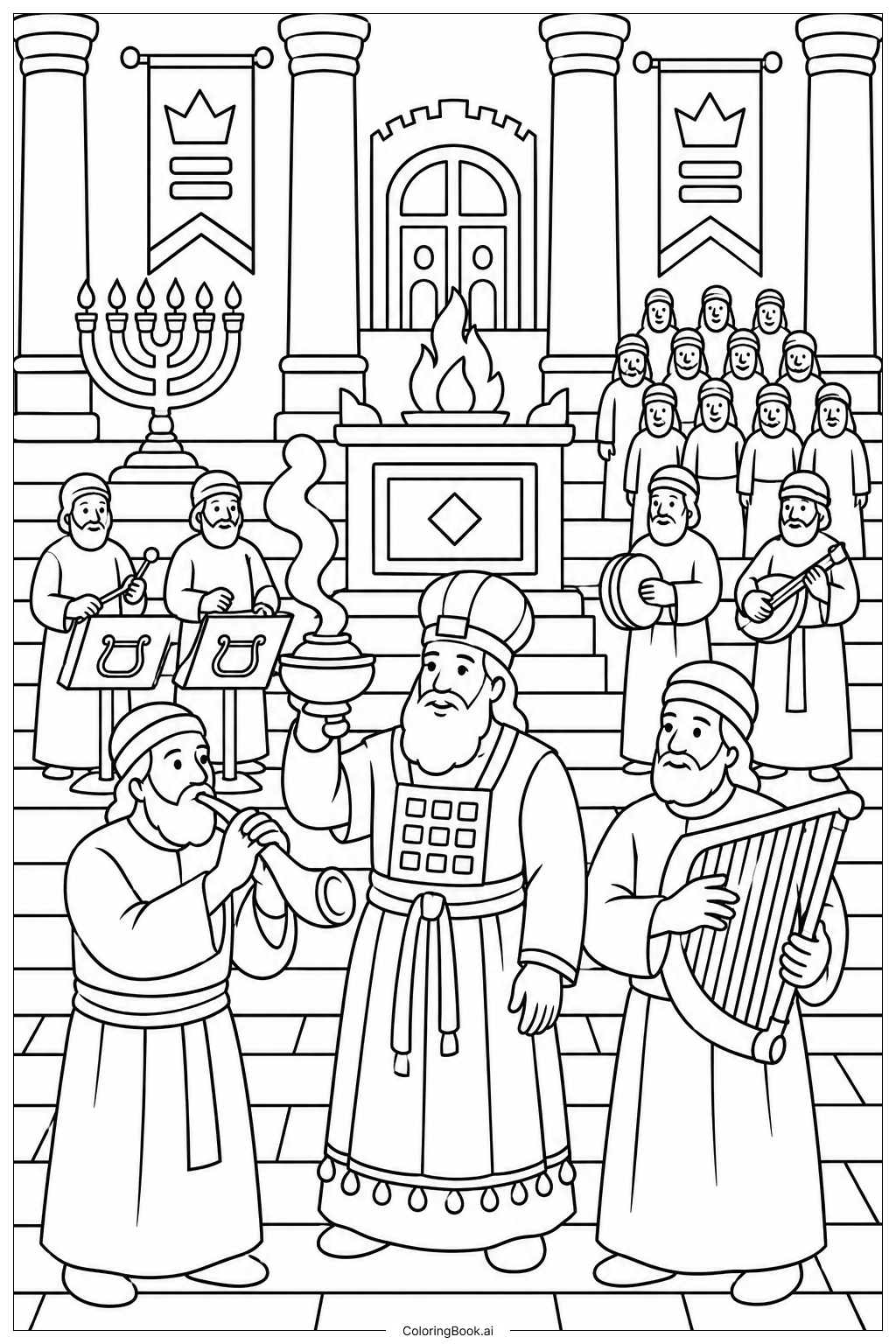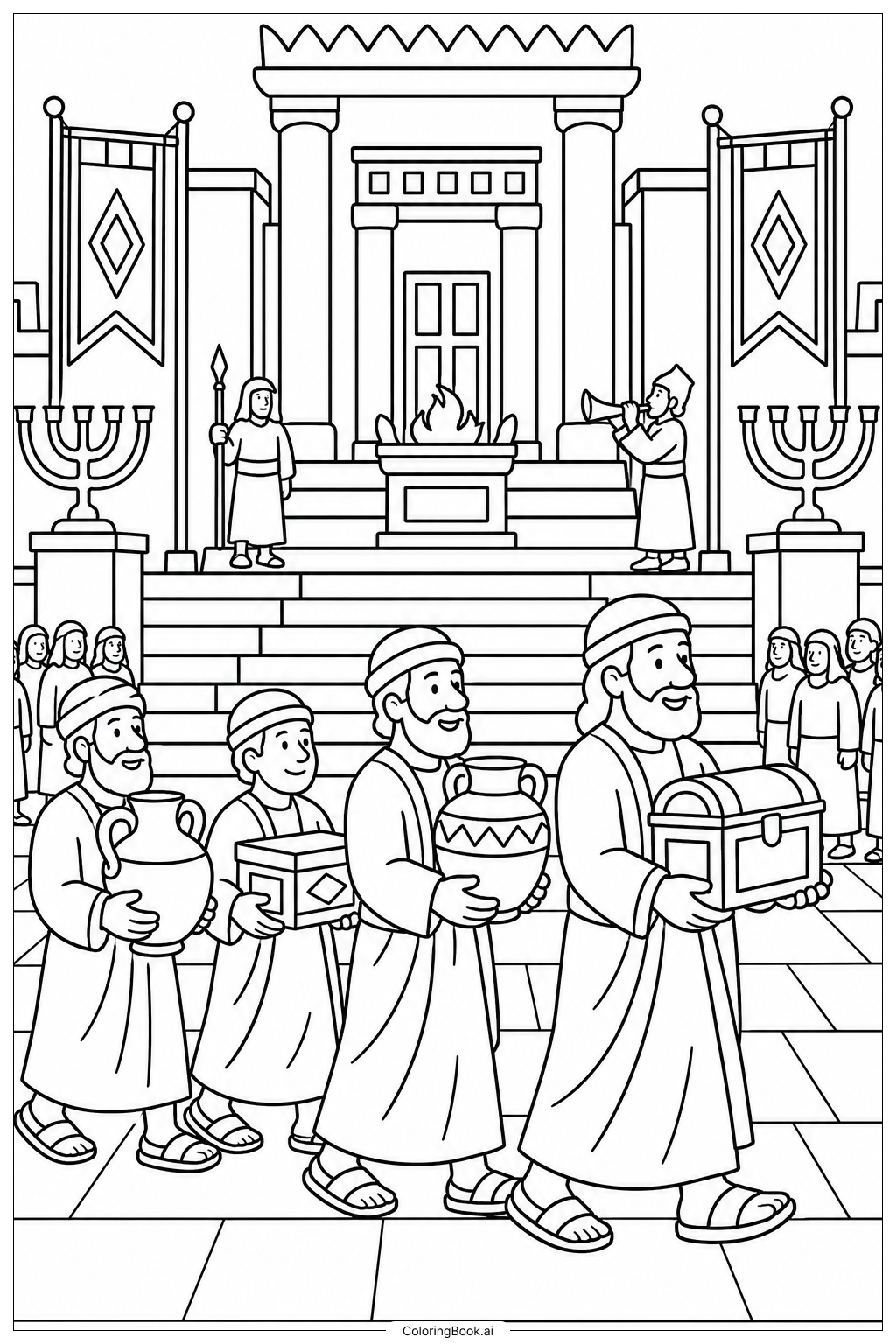
Coloring tips: How to color Golden Altar Of Beis Hamikdash coloring page well?
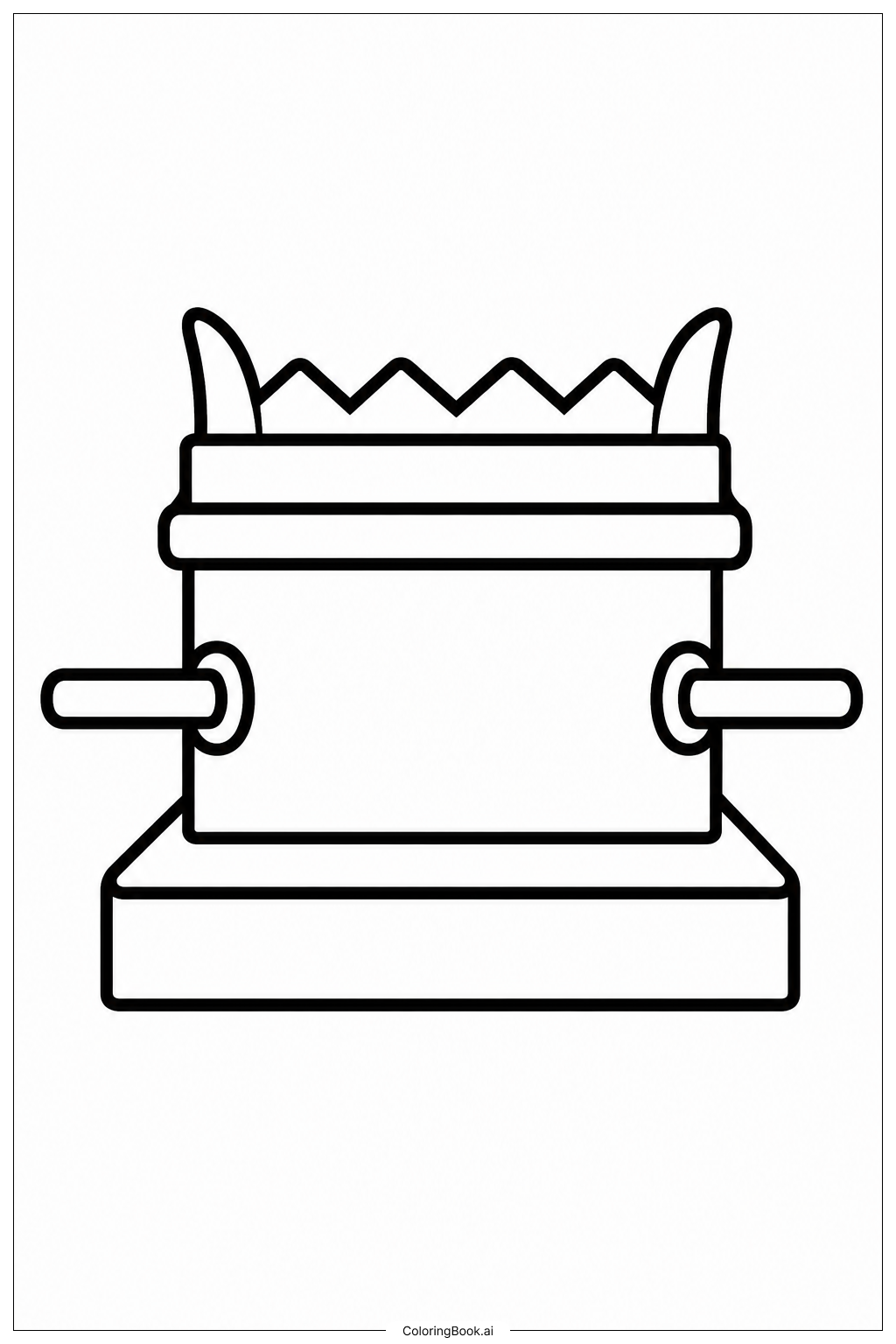
Start with the main body of the altar using rich, warm gold and amber tones. You can use a lighter yellow for the flat surfaces and a deeper orange-gold for the edges and raised details to create a sense of depth. The four horns at the top corners can be colored in a slightly darker gold to make them stand out. Use soft grays or pale whites for the wisps of incense smoke rising from the altar, blending them gently so they look light and airy. The decorative border along the top can be highlighted with a bright gold or even a touch of warm copper. The base can be shaded with a slightly darker tan or brown to show it resting on a solid surface. For older colorists, try adding gentle shading on the side panels to give the altar a three-dimensional, polished look. Take your time with the small carved details, using fine-tipped colored pencils for the best results.
Coloring challenges: Which parts are difficult to color and need attention for Golden Altar Of Beis Hamikdash coloring page?
• Intricate Decorative Panels: The sides of the altar are covered in detailed carved patterns and molding. These small, closely spaced designs require a steady hand and precise coloring tools such as fine-tipped colored pencils or thin markers. Staying within the fine lines without smudging neighboring areas can be quite challenging, especially for younger colorists.
• Consistent Gold Toning: Achieving a realistic and consistent golden appearance across the entire surface of the altar is tricky. Gold is made up of several shades, from bright yellow to deep amber and warm copper. Blending these tones smoothly and evenly across large flat areas while keeping the highlights and shadows looking natural takes patience and practice.
• The Four Corner Horns: The small horns projecting from each corner of the altar are narrow and detailed. Coloring them carefully without going outside their outlines while still distinguishing them from the main altar body requires careful attention and control, particularly when using broader coloring tools.
• Incense Smoke Wisps: The curling trails of smoke rising from the altar are delicate and flowing. Coloring smoke convincingly means using very light pressure and soft blending techniques to keep it looking transparent and wispy rather than solid or heavy. This subtle effect can be hard to achieve without experience with blending.
• Crown Border at the Top: The decorative crown-like border running along the upper edge of the altar contains repeated ornamental shapes. Keeping the color uniform and clean across this detailed border while maintaining visual contrast against the main altar body requires careful color selection and a patient, methodical approach.
Benefits of coloring books: Advantages of drawing Golden Altar Of Beis Hamikdash coloring page
Coloring the Golden Altar Of Beis Hamikdash offers a wonderful mix of creative, educational, and calming benefits for children and adults alike. As you fill in each section of this sacred image, you connect with a piece of ancient Jewish history and tradition, making learning feel engaging and meaningful. For younger children, working through the shapes and borders of the altar helps develop fine motor skills and hand-eye coordination. Choosing and blending gold tones encourages color awareness and artistic thinking. For older kids and adults, the intricate details of the altar offer a focused, meditative experience that can help reduce stress and improve concentration. The process of carefully coloring each carved panel and decorative border trains patience and attention to detail, skills that are valuable far beyond the coloring page. This image also sparks curiosity about the Beis Hamikdash and its significance, opening doors to meaningful conversations about history, faith, and culture. Whether you are coloring alone or with family, this page creates a calm, reflective moment that combines creativity with learning in a truly special way.