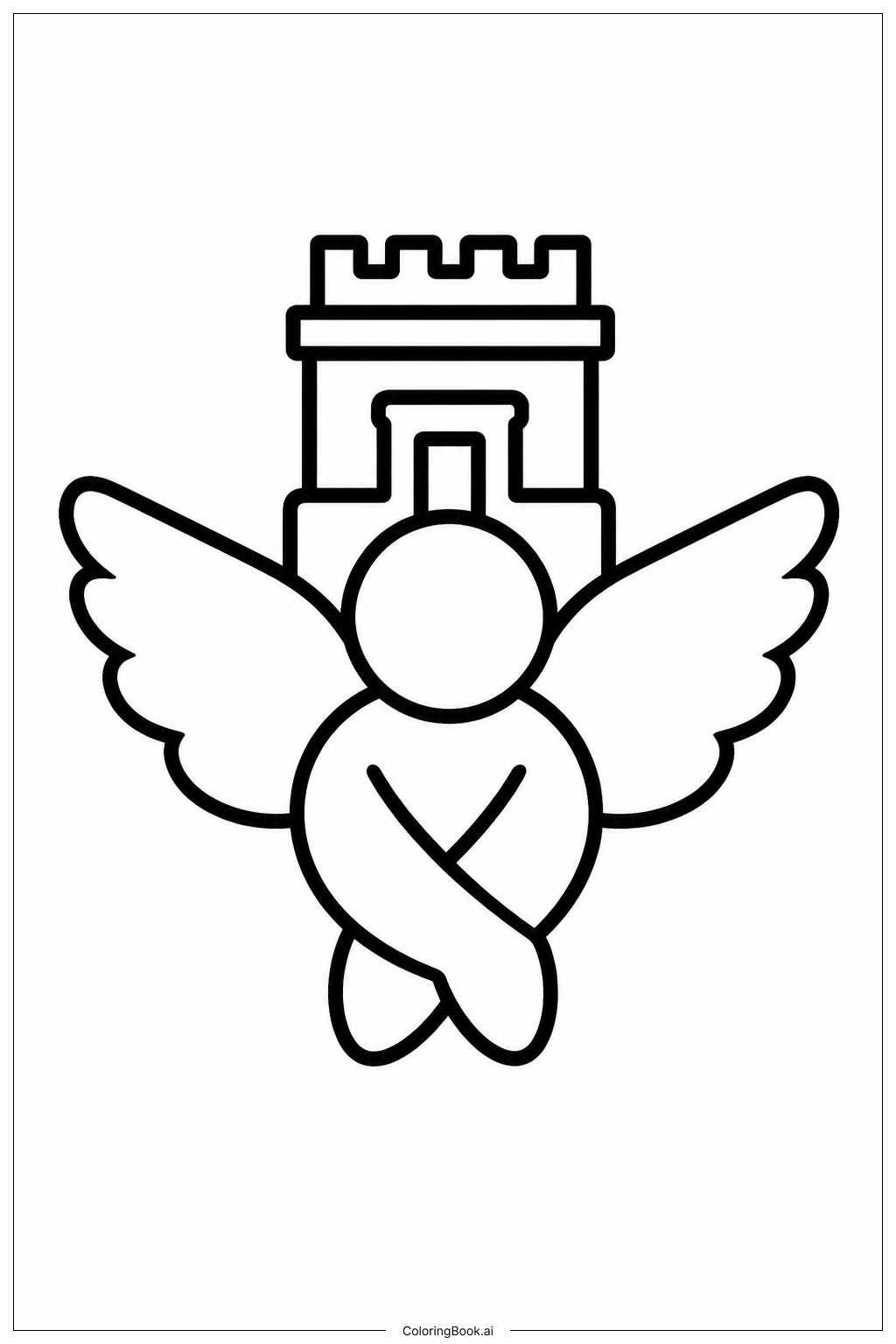
Coloring tips: How to color Cherubim Figure Beis Hamikdash coloring page well?
Start with the cherubim's wings using rich golden yellows or warm bronze tones to reflect their divine nature. Consider adding subtle shading by layering deeper golds near the base of each feather. The cherubim's face and hands can be colored with soft peach or light tan shades. For the robes, traditional white, cream, or soft blue would be appropriate, with optional silver accents along the edges. The architectural background elements work well in sandy beige, light gray, or pale stone colors. You might add touches of deep blue or purple to decorative patterns to represent royalty and holiness. Young artists can use simple, bold colors, while older colorists can experiment with blending techniques and metallic markers to create depth and luminosity that captures the sacred atmosphere of the Beis Hamikdash.
Coloring challenges: Which parts are difficult to color and need attention for Cherubim Figure Beis Hamikdash coloring page?
• Wing Feather Details: The expansive wings contain numerous individual feathers with fine lines and overlapping layers. Each feather requires careful attention to avoid colors bleeding together. Younger children may find it challenging to stay within these small spaces, while older colorists can use this complexity to practice shading techniques and create realistic feather textures by varying pressure and tone.
• Facial Features and Expression: The cherubim's face includes delicate features such as eyes, nose, and mouth that require precision coloring. Getting the expression right with appropriate skin tones and subtle shading around the eyes and cheeks can be tricky. This small detailed area demands steady hands and patience, especially when trying to maintain the serene, holy appearance of the guardian figure.
• Robe Folds and Draping: The flowing garments contain multiple folds, creases, and overlapping fabric sections. Understanding where light and shadow would naturally fall requires spatial awareness. Colorists need to decide which areas should be lighter and which darker to create realistic depth and dimension in the draped clothing.
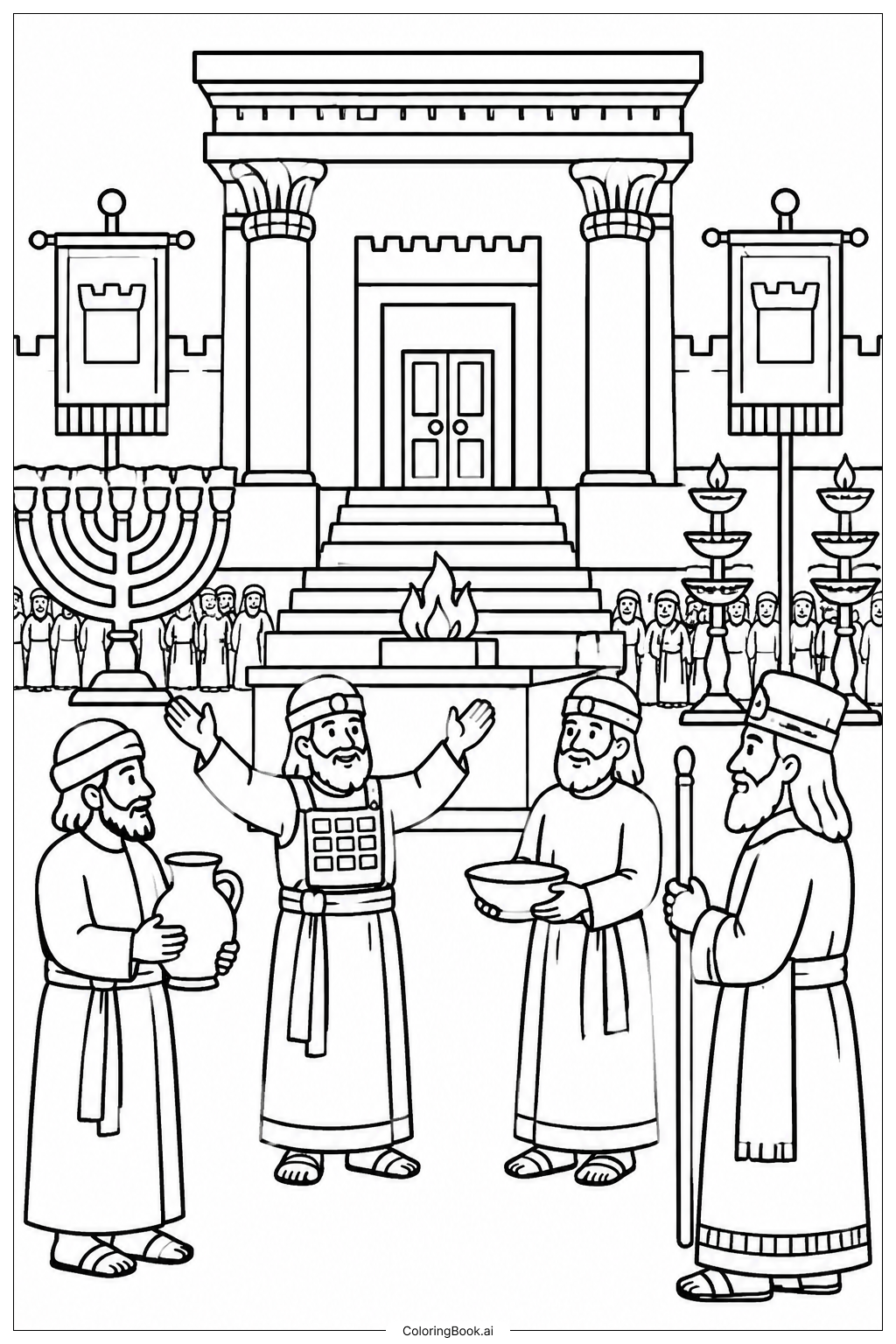
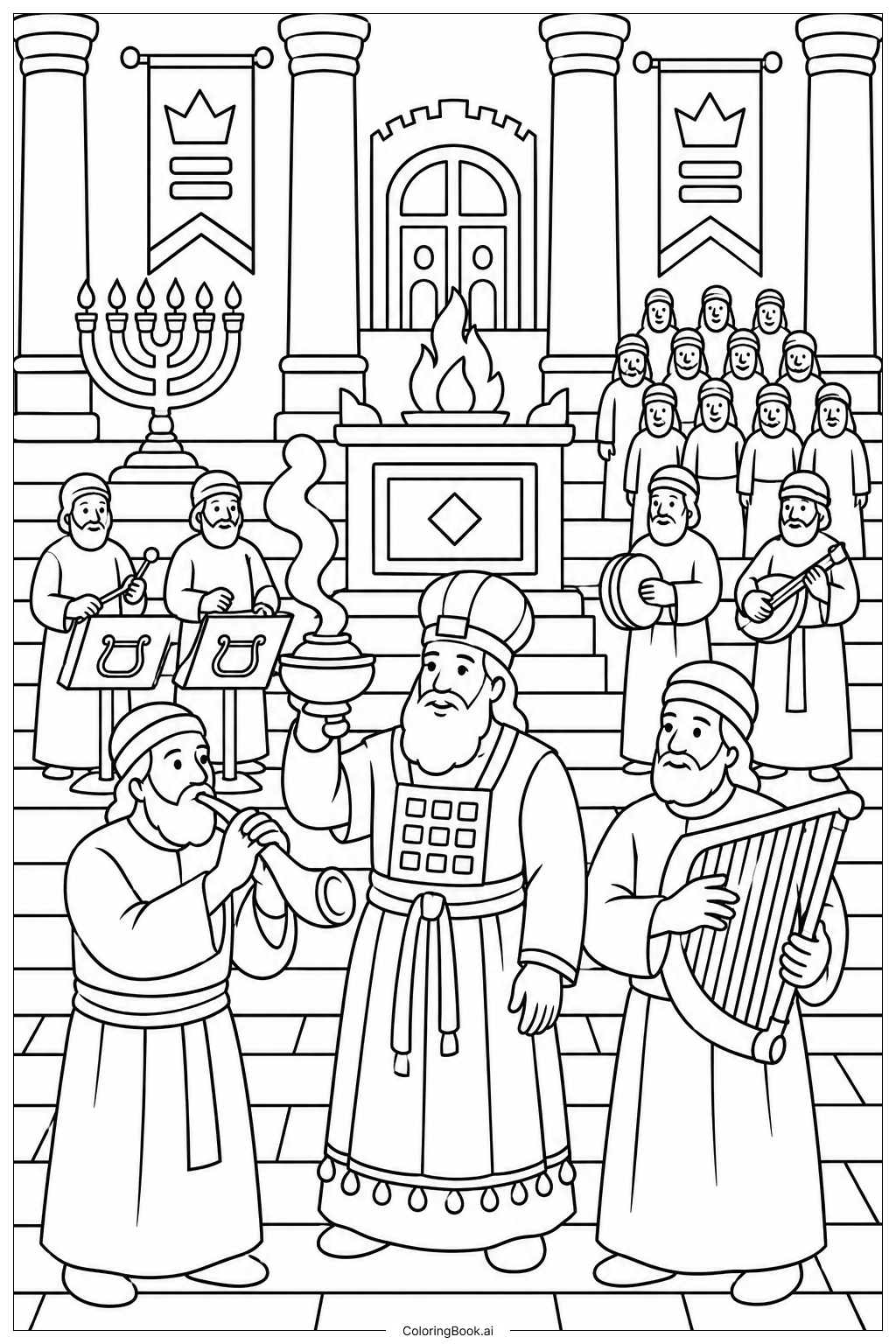
• Background Architectural Elements: The Temple-related decorative patterns and columns in the background present their own challenge. These elements require coordination with the main figure to ensure the cherubim stands out while the background complements rather than overwhelms. Balancing detail in both foreground and background requires planning and color coordination skills.
Benefits of coloring books: Advantages of drawing Cherubim Figure Beis Hamikdash coloring page
Coloring this cherubim figure offers wonderful educational value, helping children learn about the Beis Hamikdash and its sacred history while developing artistic skills. The intricate wing patterns provide excellent fine motor practice, strengthening hand-eye coordination and pencil control. Working through the detailed feathers teaches patience and focus, as young artists must concentrate for extended periods. The image encourages color theory exploration as children decide how to represent something holy and majestic. This coloring activity can spark meaningful conversations about history, faith, and tradition within families. The meditative nature of coloring detailed religious imagery promotes calmness and mindfulness. Successfully completing such an intricate design builds confidence and pride in accomplishment. The combination of artistic expression with spiritual subject matter creates a unique opportunity for reflection and connection to heritage.