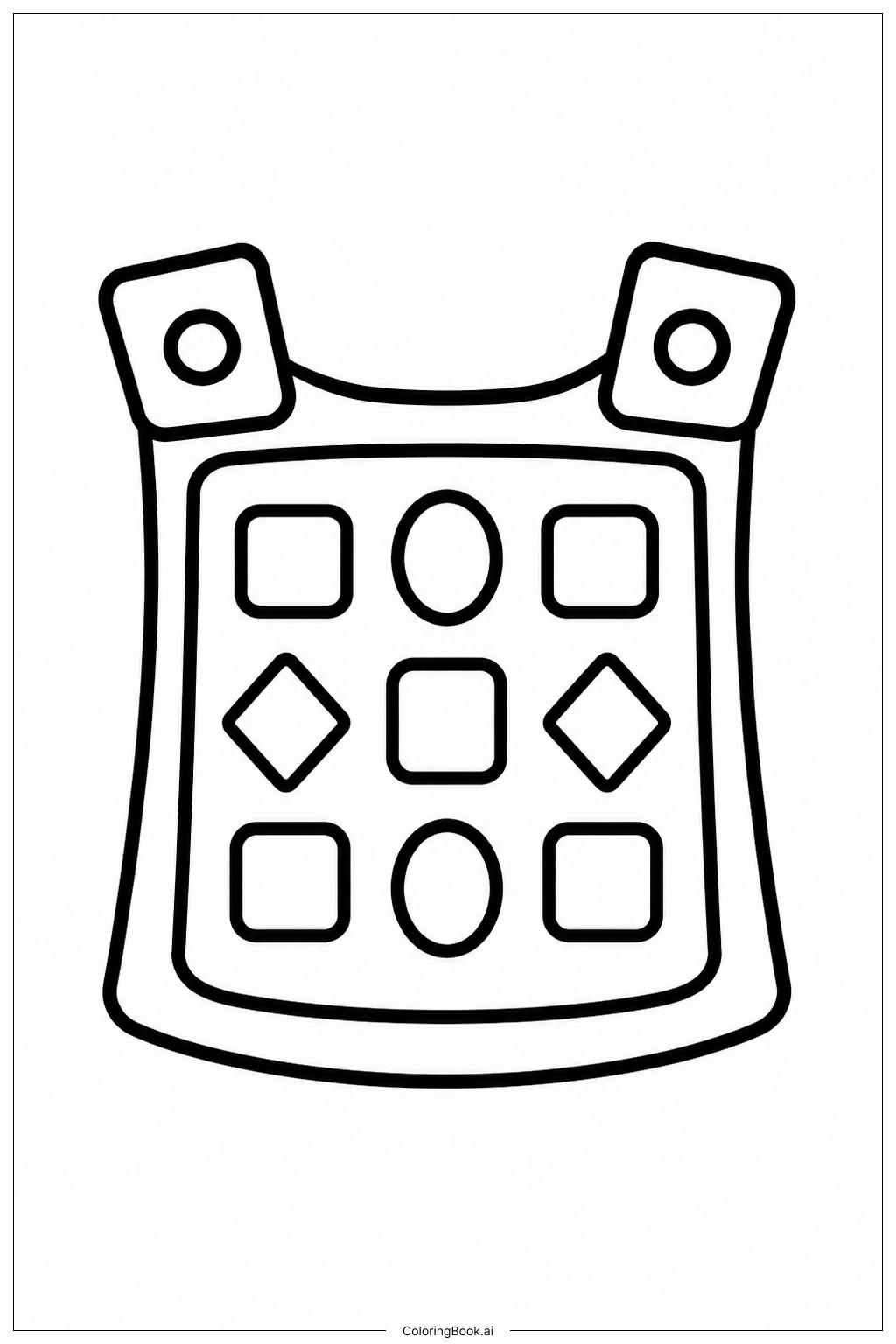
Coloring tips: How to color Breastplate Of Beis Hamikdash coloring page well?
Start by coloring the golden frame and chains with bright yellow or metallic gold. This helps the breastplate look rich and special. Next, fill in each of the twelve gemstones with a different color. Use red for ruby, blue for sapphire, green for emerald, and purple for amethyst. You can look up the traditional colors of the twelve tribes for a more authentic look. Use lighter shades first, then add darker tones to make the gems shine. For the background of the breastplate, try a warm tan or cream color to represent ancient cloth or leather. Add light shading around the borders to give the piece depth. Take your time with each stone. Even young colorists can enjoy this page by picking their favorite colors for each gem. There is no wrong way to color it. Have fun and make it your own.
Coloring challenges: Which parts are difficult to color and need attention for Breastplate Of Beis Hamikdash coloring page?
• Gemstone Details: Each of the twelve gemstones has its own small frame and individual design. Coloring them neatly requires a fine-tipped marker or a sharpened colored pencil. Staying inside each small bordered section can be tricky, especially for younger children. Take your time with each gem and use slow, careful strokes to avoid going outside the lines.
• Chain and Ring Sections: The golden chains and connecting rings that hold the breastplate are made up of many small, interlocking shapes. These tiny linked pieces are close together and require steady hands to color without smudging or overlapping. Using a very fine tool works best here. Adults and older children will find this part especially challenging.
• Tribal Inscriptions: Each gemstone has a tribal name inscribed on it. These letters are very small and sit inside the gemstone space. Coloring around them without covering the text is difficult. You may choose to leave the inscription area white or use a very light color so the letters remain visible after coloring.
• Border and Ornamental Patterns: The outer edges of the breastplate feature detailed decorative patterns and borders. These repeat across the design and require consistent coloring to look clean and polished. Keeping the same color or shade throughout each border section helps the overall image look balanced and harmonious.
• Shading and Depth: To make the gemstones look three-dimensional and truly precious, adding light and shadow is important. This technique requires some experience with blending colors. Beginners can skip shading entirely, but older or more advanced colorists may want to practice gradient coloring to bring the gems to life.
Benefits of coloring books: Advantages of drawing Breastplate Of Beis Hamikdash coloring page
Coloring the Breastplate of the Beis Hamikdash offers a wonderful mix of creative, educational, and spiritual benefits for children and adults alike.
For younger children, this page builds fine motor skills as they carefully navigate the small gemstone sections and detailed borders. Practicing precision inside tight spaces improves hand-eye coordination over time.
For older children and teens, this coloring page opens a doorway into Jewish history and tradition. Learning about the twelve tribes of Israel through color makes the subject memorable and engaging. It turns a history lesson into a hands-on creative experience.
For adults, coloring this sacred image can be a meditative and calming activity. Focusing on small details clears the mind and reduces stress. Many people find that working on detailed, meaningful artwork gives them a sense of peace and accomplishment.
The image also sparks curiosity. Children may ask questions about the gemstones, the tribal names, or the role of the Choshen in the Beis Hamikdash. This naturally leads to rich conversations and deeper learning about heritage and faith.
Finally, completing this page gives colorists of all ages a sense of pride. The finished artwork is beautiful and carries deep meaning, making it worthy of display and a wonderful keepsake.