Coloring tips: How to color Ark Of Beis Hamikdash coloring page well?
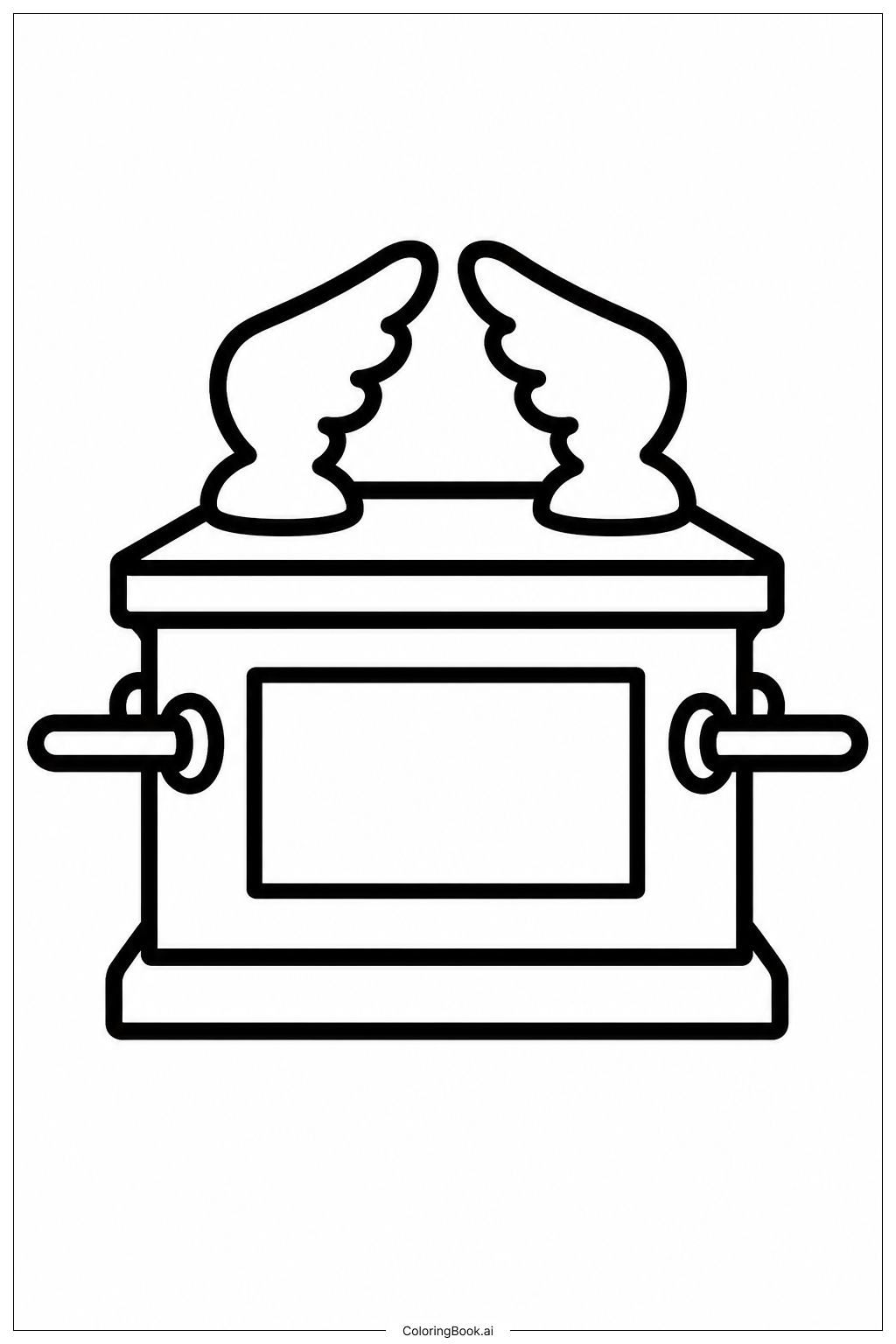
When coloring the Ark Of Beis Hamikdash, try using gold and yellow shades to show its sacred and valuable nature. The cherubim can be colored in soft tones like creamy white or light beige. Use bright blue or purple for the curtains behind to give a royal feeling. For the wooden parts, warm browns work well to show rich wood textures. You can add some green or red accents on the borders to bring out the details. Remember to stay inside the lines gently to keep the design neat. Feel free to experiment with light and dark colors to make the Ark look shiny and three-dimensional.
Coloring challenges: Which parts are difficult to color and need attention for Ark Of Beis Hamikdash coloring page?
• Fine Details: The Ark has many small and intricate patterns, especially on the cherubim and borders, which require careful coloring. Staying inside these tiny areas can be challenging for younger children.
• Symmetry: The two cherubim on top are mirror images. Matching colors and shading evenly on both sides needs attention to detail.
• Curved Lines: The rounded shapes of the cherubim’s wings and the arch of the Ark require smooth coloring without overlapping outside the lines.
• Background Elements: The curtains and pillars in the background have layered sections that may confuse novice colorers as to where one part ends and another begins.
• Shading for Depth: To make the Ark look realistic, shading is suggested. This can be difficult because it asks children to control the pressure and direction of their coloring tools carefully.
Benefits of coloring books: Advantages of drawing Ark Of Beis Hamikdash coloring page
Coloring this image of the Ark Of Beis Hamikdash helps develop fine motor skills and hand-eye coordination as children focus on small areas and detailed shapes. It encourages patience and attention to detail through symmetrical and repetitive patterns. By bringing the Ark to life with colors, kids also connect with an important part of Jewish history and heritage, deepening their cultural understanding. Additionally, the art process stimulates creativity and imagination, allowing children to express their own style while learning about sacred symbols. Overall, coloring this page is both educational and fun for children aged 4 to 16.