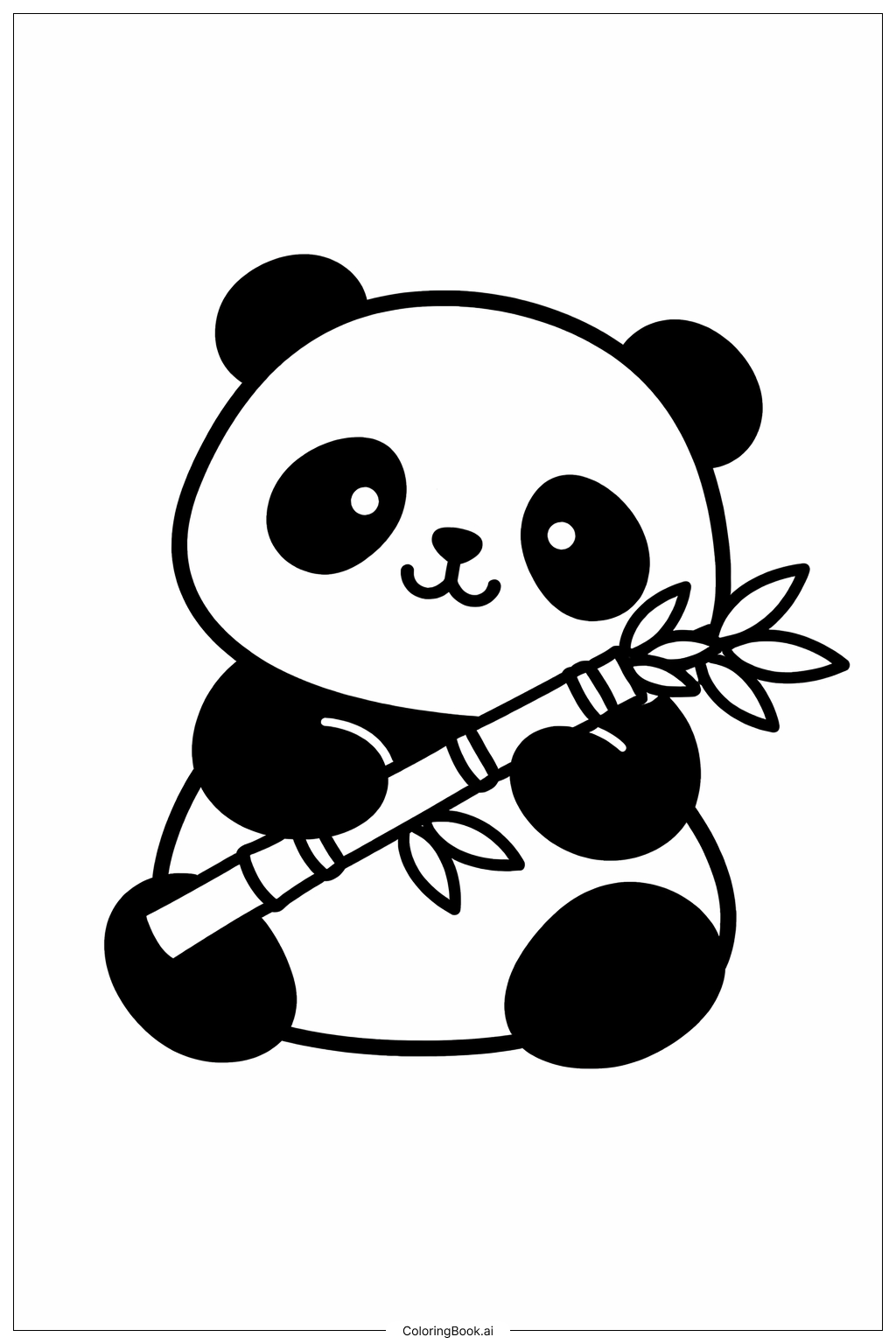
Coloring tips: How to color Zoo Panda Hug coloring page well?
When coloring this Zoo Panda Hug image, consider using classic black and white for the pandas’ fur to keep their natural look. You can use bright green shades for the bamboo to add freshness and life to the background. Try using soft pink or light red for the pandas’ cheeks or tongues to add a cute touch. For the leaves and plants, mix different greens to create a lively forest feel. Feel free to also add a blue sky or colorful flowers around the pandas to make the scene more cheerful and fun. Remember to color gently inside the lines to keep the pandas’ fuzzy texture looking neat.
Coloring challenges: Which parts are difficult to color and need attention for Zoo Panda Hug coloring page?
• Panda Fur Patterns: The pandas feature distinct black patches around their eyes, ears, and limbs. Coloring these areas neatly while preserving the white of the rest of their fur requires careful attention to avoid coloring outside the lines.
• Close Interaction: The pandas overlap as they hug, so coloring the boundaries where their bodies meet without merging their colors can be tricky.
• Bamboo Details: The bamboo stalks and leaves contain several thin shapes that require precise coloring within small spaces to look natural.
• Background Simplicity: While the background is simple, balancing empty spaces with colors that do not overpower the main focus—the pandas—can be a challenge.
• Facial Expressions: The pandas’ gentle eyes and smiles need subtle shading to keep their friendly and warm appearance while coloring.
Benefits of coloring books: Advantages of drawing Zoo Panda Hug coloring page
Coloring this Zoo Panda Hug image helps children improve their fine motor skills by practicing precise coloring within small details like the panda fur patches and bamboo leaves. It encourages focus and patience as they carefully bring the pandas and their environment to life. The love and warmth shown in the image inspire emotional connection and creativity, making the coloring experience more meaningful. Using different shades of green for bamboo and experimenting with soft colors for pandas’ cheeks promotes color recognition and blending skills. Overall, this image provides a calming and joyful activity suitable for a wide range of ages.