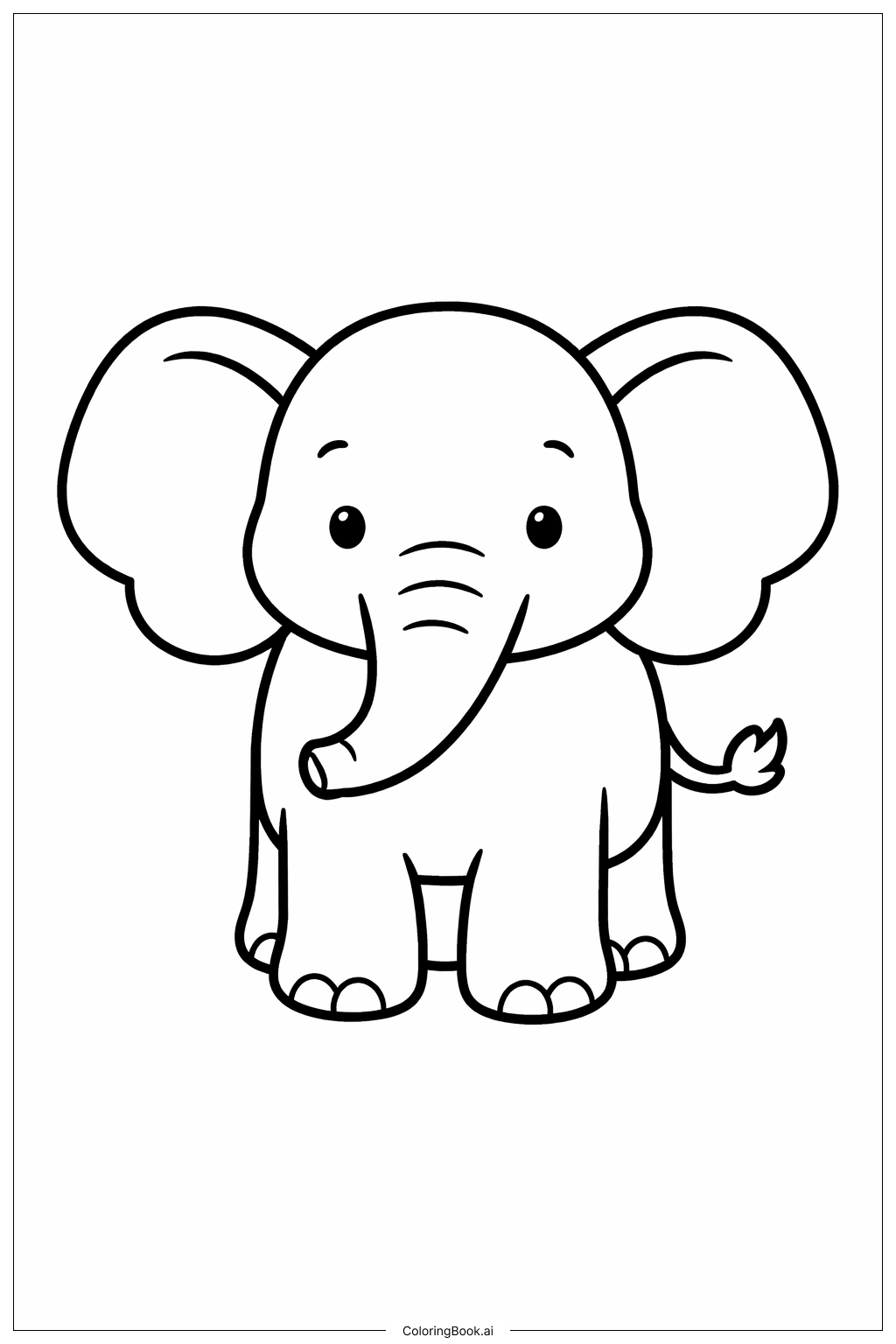
Coloring tips: How to color Zoo Elephant coloring page well?
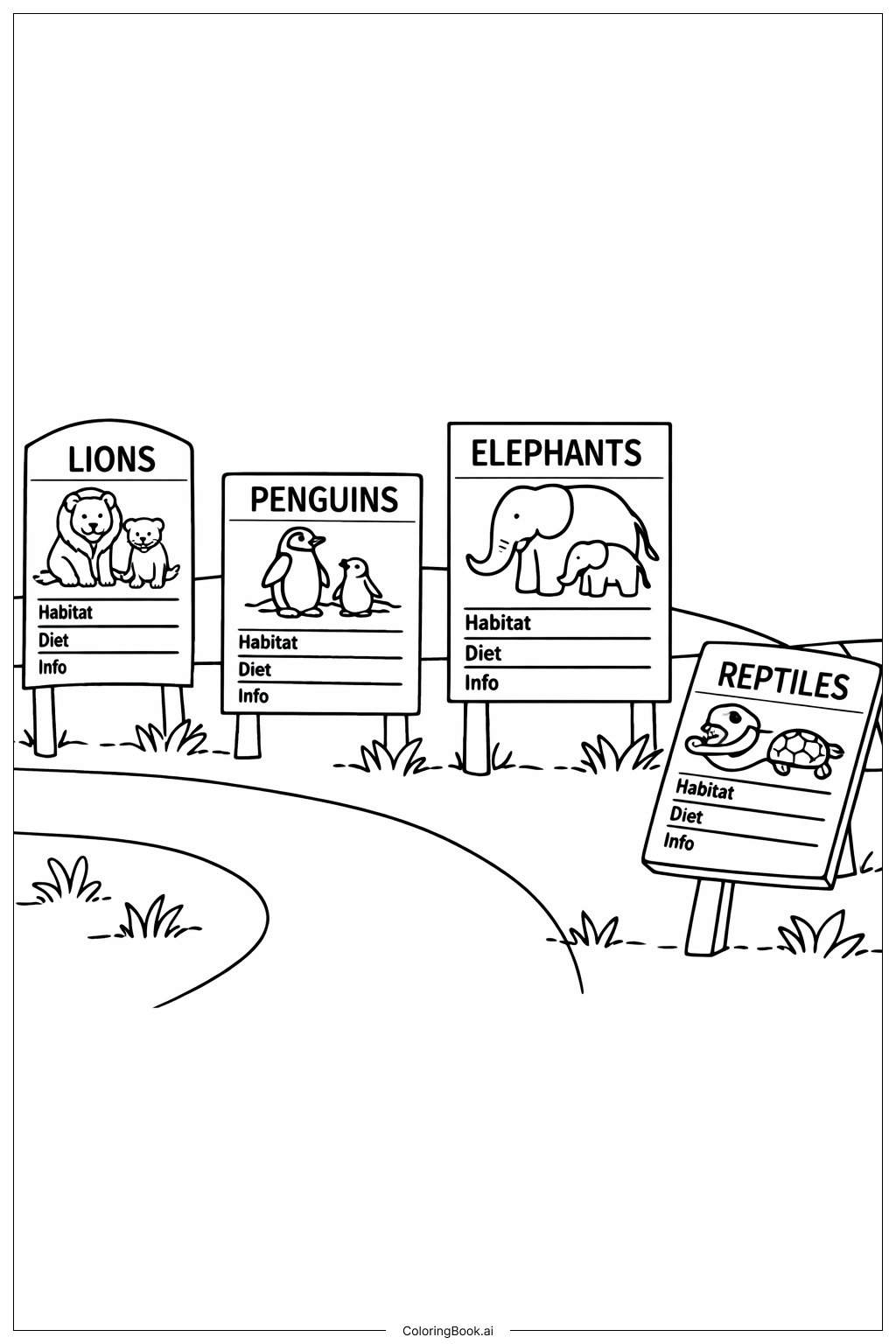
Use soft gray tones for the elephant’s body to give it a natural look. The ears can be colored with a slightly pinkish or lighter shade of gray to add contrast. You can make the eyes shiny by leaving small white spots uncolored. The toenails can be a darker gray or even a light brown. For extra creativity, children can add backgrounds such as green grass, blue sky, or colorful flowers around the elephant. Encourage using crayons, colored pencils, or markers to create different textures and shading effects.
Coloring challenges: Which parts are difficult to color and need attention for Zoo Elephant coloring page?
1. Coloring large ears evenly can be tricky; kids might need to use smooth, consistent strokes to avoid patchy color. 2. The small toenails require careful coloring to stay within the lines without smudging. 3. The elephant's trunk has curves that may be challenging to color precisely. 4. Adding shadows or tones to make the elephant look three-dimensional might be difficult for younger children. 5. Coloring the eyes carefully to keep them bright and lively takes patience and attention to detail.
Benefits of coloring books: Advantages of drawing Zoo Elephant coloring page
Coloring this elephant helps children learn about animals and their features. It improves hand-eye coordination and fine motor skills as they carefully color different parts. Using gray and pink shades can teach children about color blending and shading. It also encourages creativity by letting kids decide how to decorate the background or use different coloring techniques. Overall, coloring this picture is both fun and educational, helping build confidence and focus.