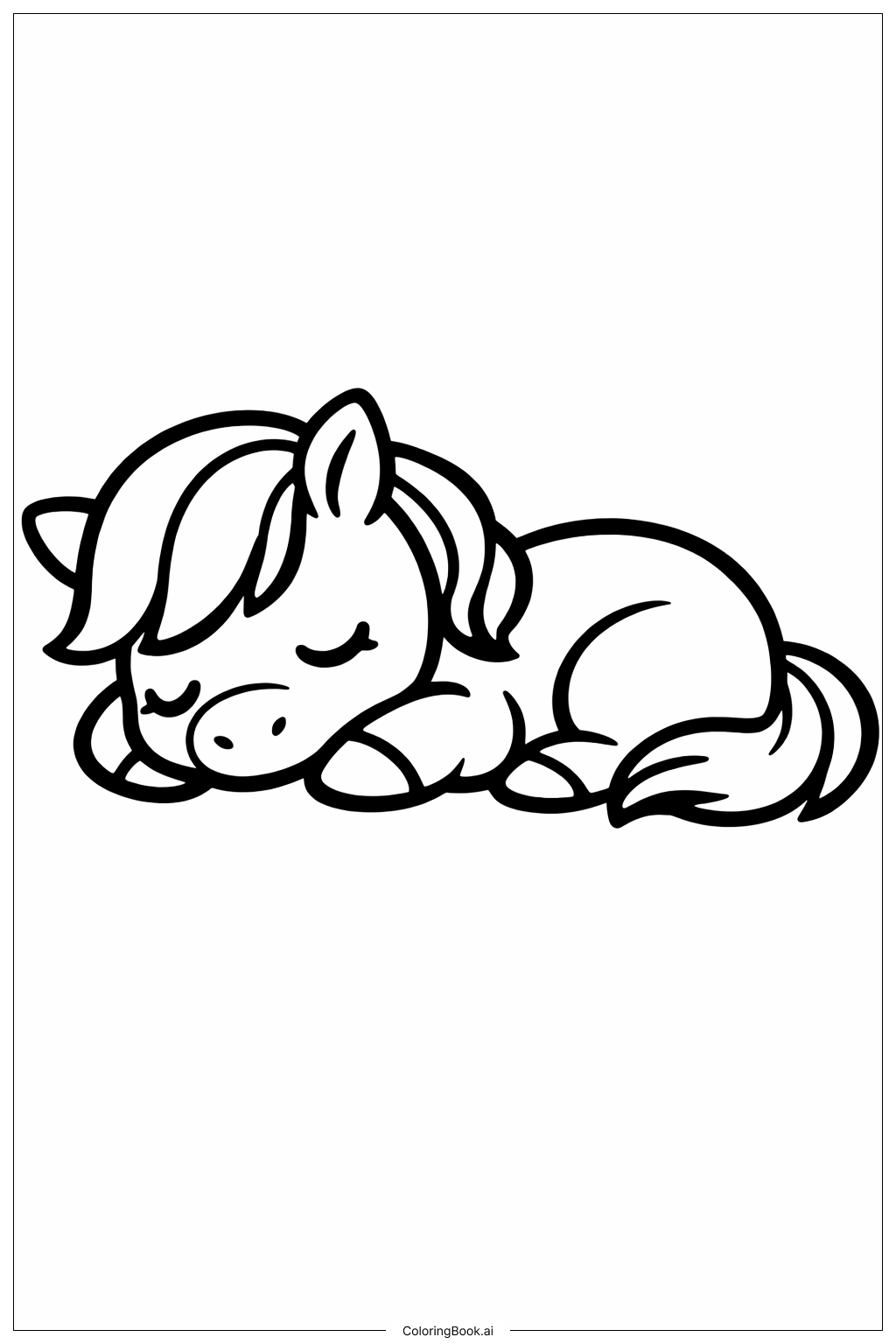
Coloring tips: How to color Year Of The Horse Sleeping Pony coloring page well?
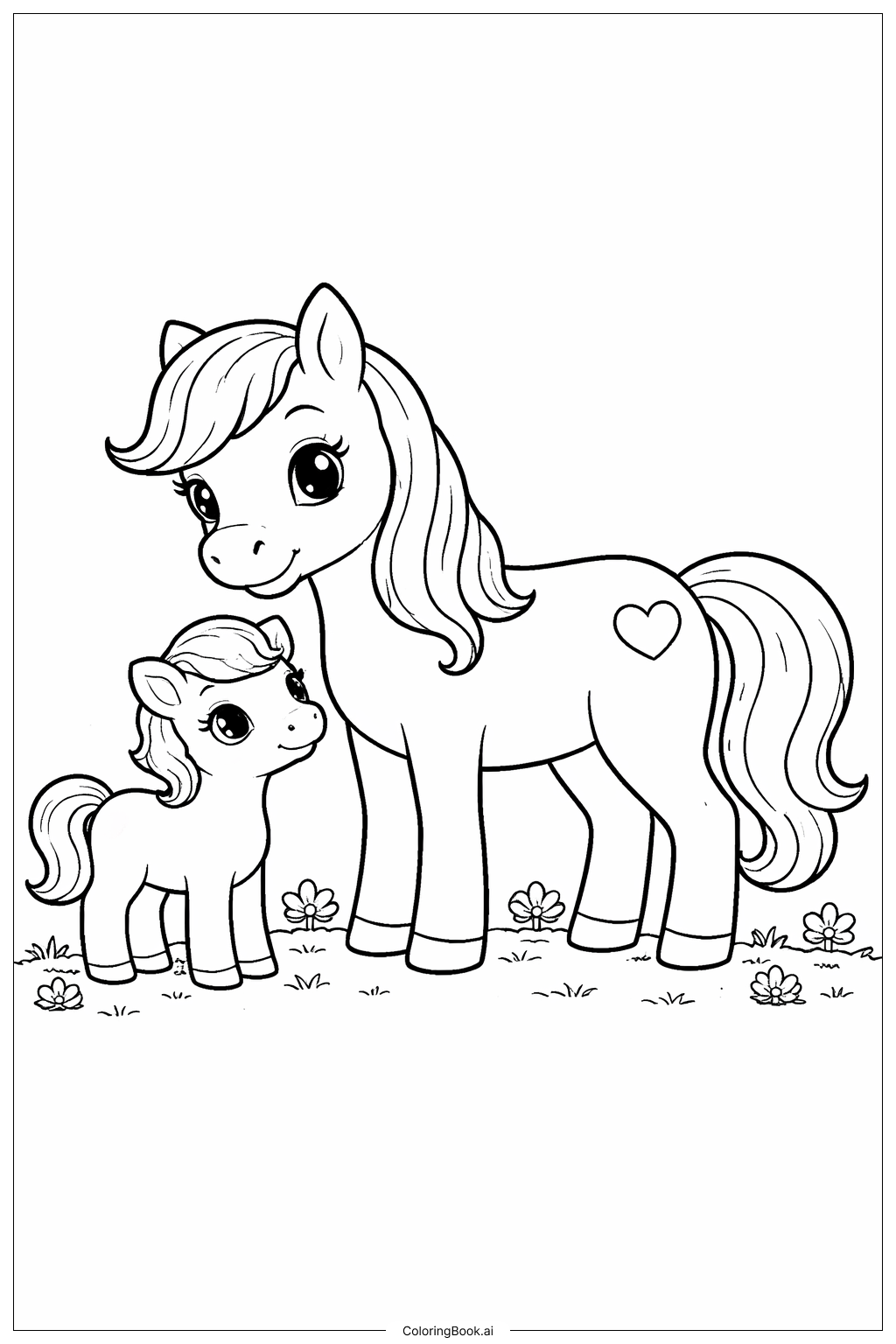
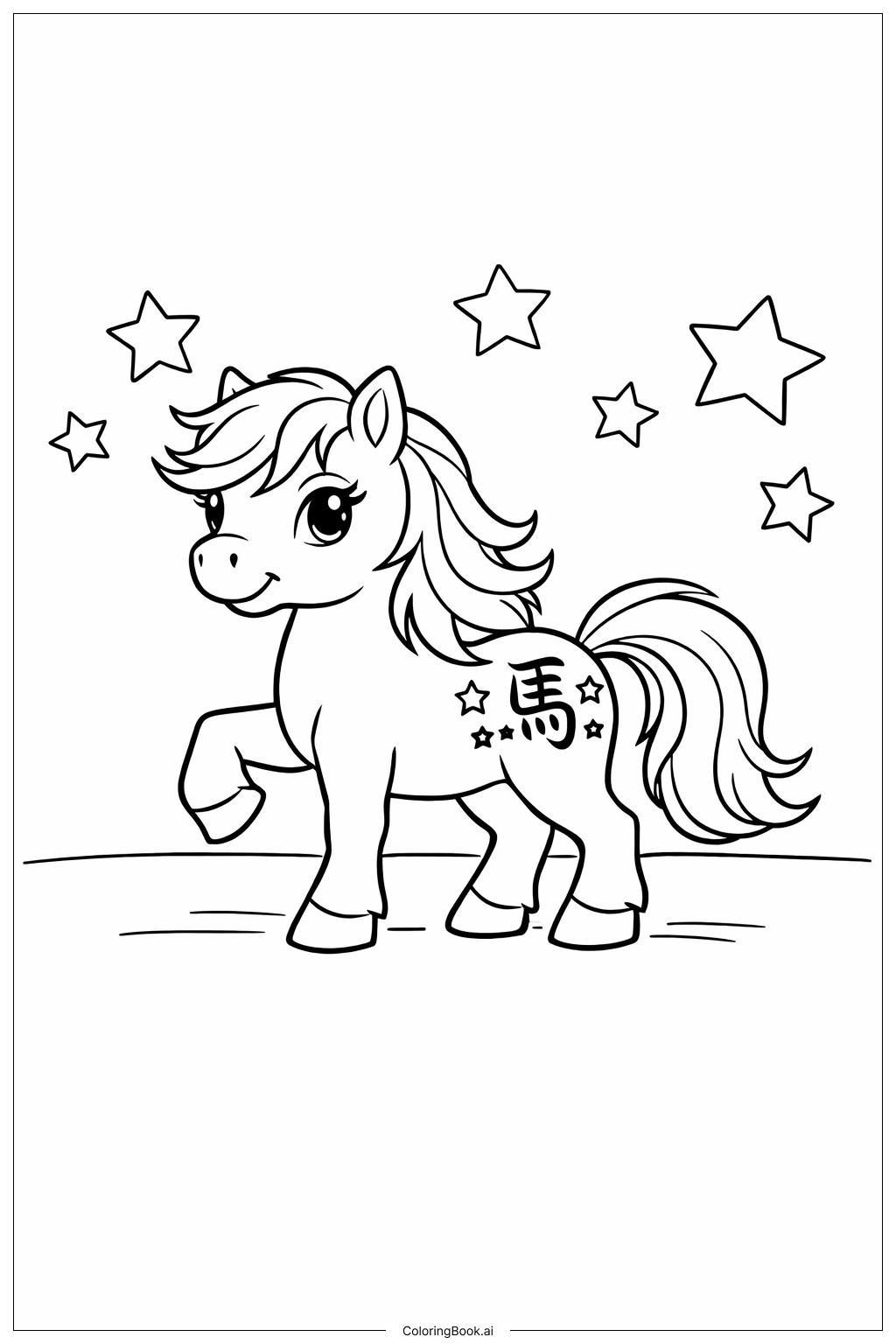
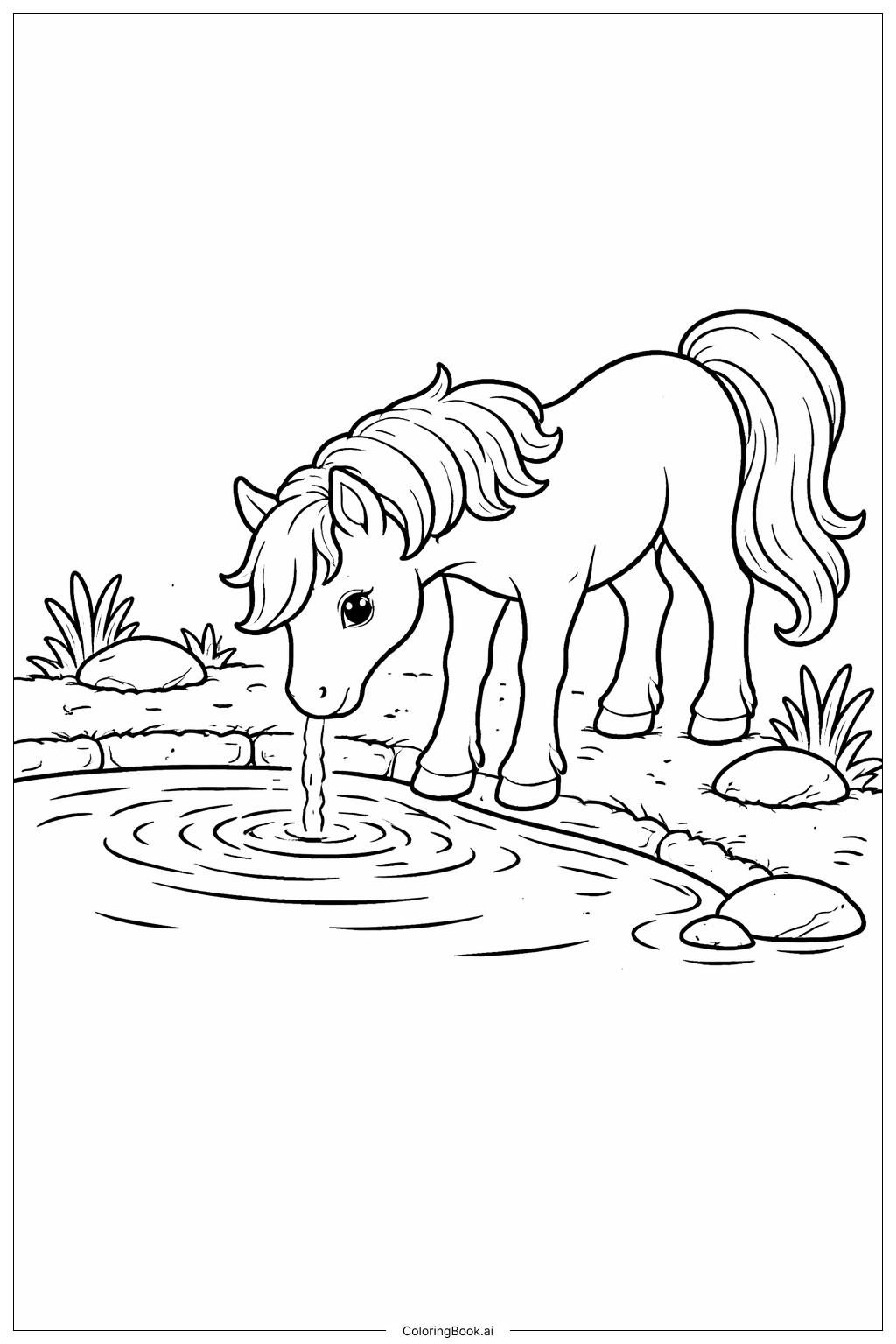
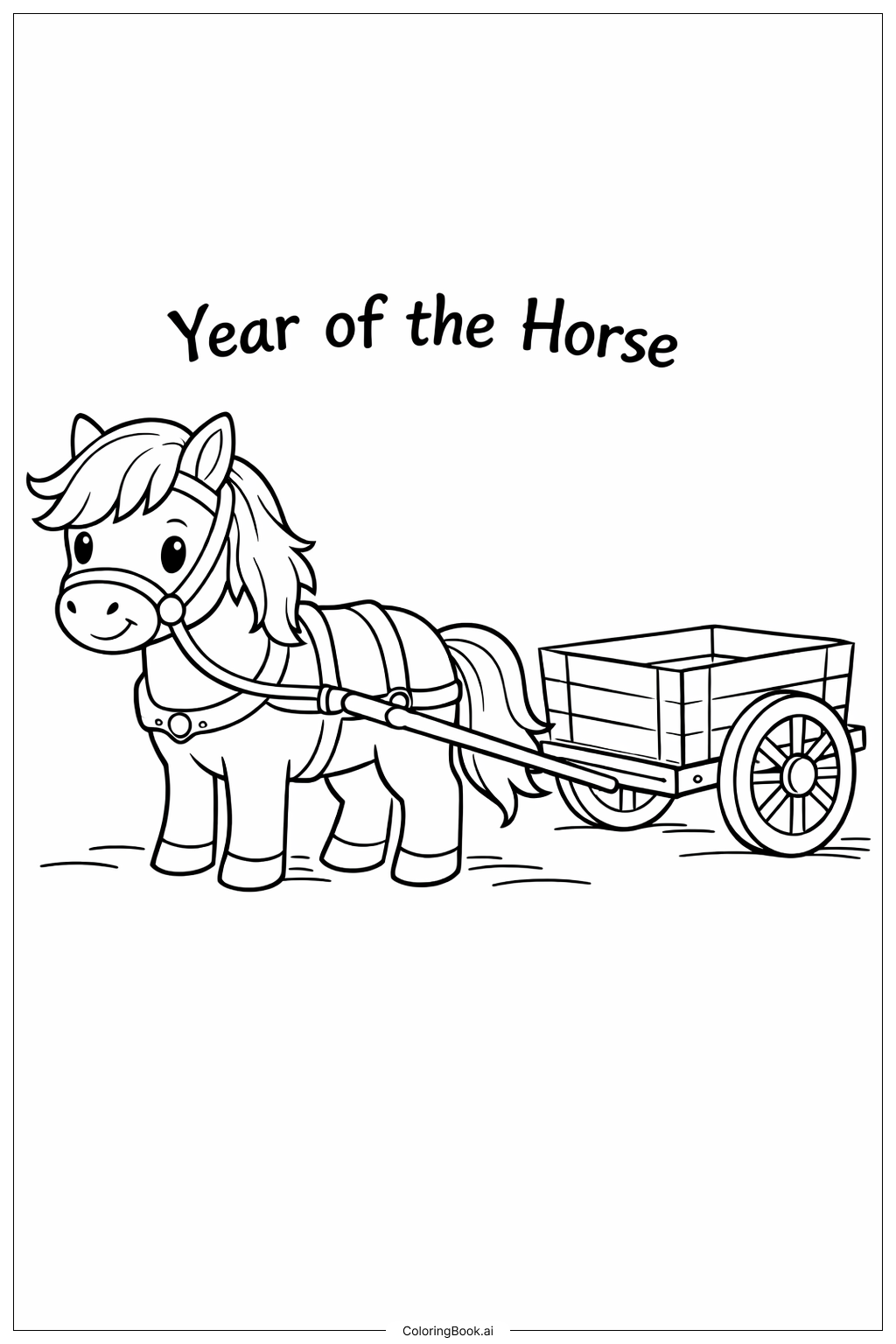
Use warm browns and soft creams to color the pony’s body for a natural look. You can add gentle shading to highlight the pony’s mane and tail, using yellows or light oranges for a sunlit effect. For the flowers and grass, use bright greens, pinks, or purples to create contrast against the pony. Don’t forget to add a light blue or pastel color for the background to give a peaceful sky or calm atmosphere. Feel free to use your imagination for sparkles or magical touches, making the sleeping pony look dreamy and special.
Coloring challenges: Which parts are difficult to color and need attention for Year Of The Horse Sleeping Pony coloring page?
• Mane and Tail Texture: The flowing lines of the pony’s mane and tail require careful coloring to maintain the softness and direction of the hair strands, which can be challenging for precise shading. • Small Decorative Elements: The tiny flowers and grass blades around the pony need controlled, fine coloring to keep their delicate look without coloring outside the lines. • Smooth Body Curves: The rounded shapes of the pony’s body suggest soft fur, so blending colors smoothly without harsh lines takes patience and skill. • Resting Pose Details: The curled posture means some body parts overlap, requiring attention to which areas are on top to color them accurately and maintain depth. • Limited Space: Some details are close together, demanding steadiness and good control over coloring tools to avoid mixing colors accidentally.
Benefits of coloring books: Advantages of drawing Year Of The Horse Sleeping Pony coloring page
Coloring this peaceful pony helps improve focus and patience as you work on the intricate details like the mane and small decorative parts. It encourages creativity by allowing you to choose natural or imaginative colors to bring the pony and its surroundings to life. Practicing smooth shading techniques on the pony’s soft body builds fine motor skills and hand-eye coordination. Additionally, coloring a calm and restful scene can have a soothing effect, promoting relaxation and mindfulness, especially for children aged 4 to 16. Overall, it’s a fun and rewarding activity to develop both artistic and emotional skills.