Coloring tips: How to color Whale Shark By Sandy Bottom coloring page well?
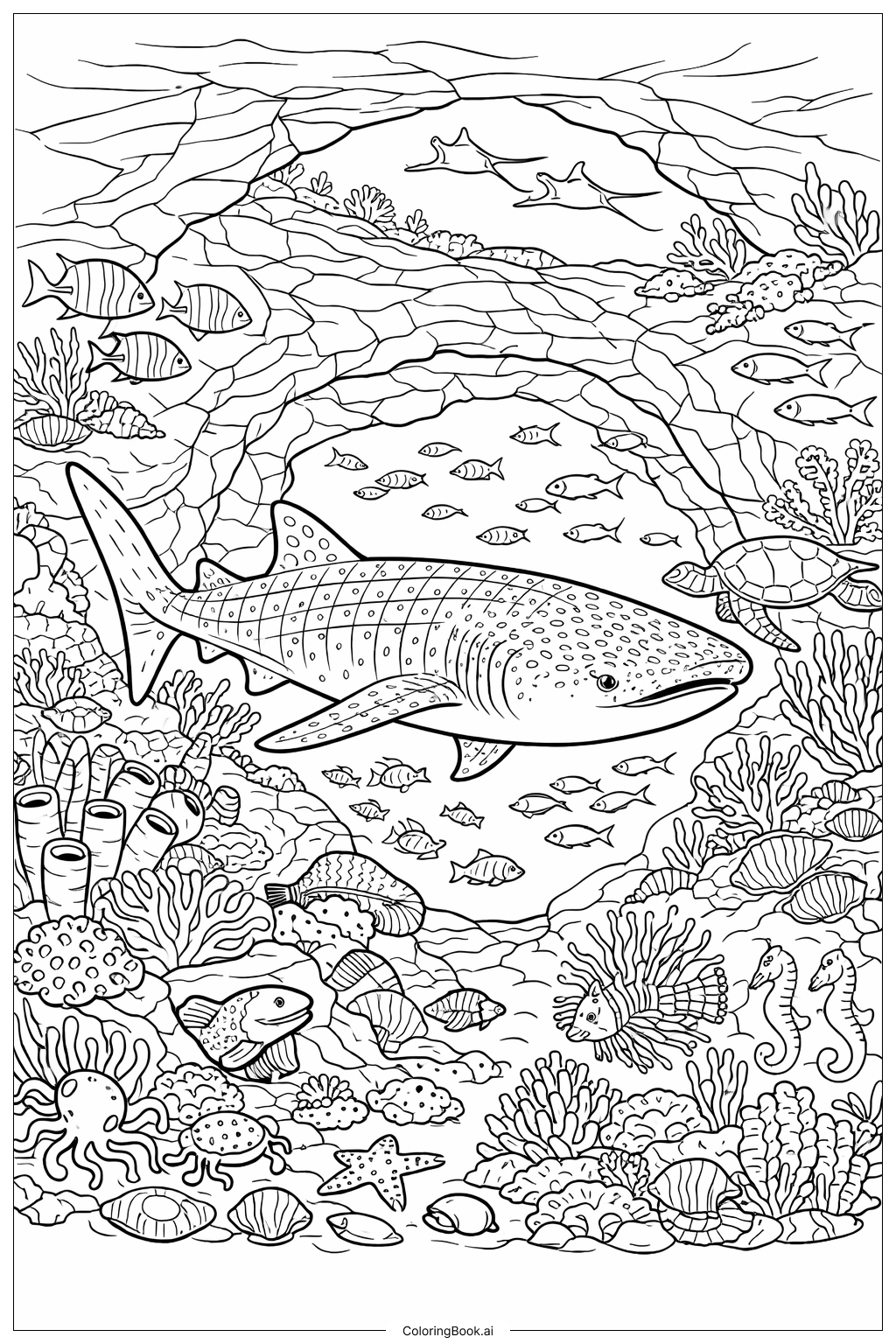
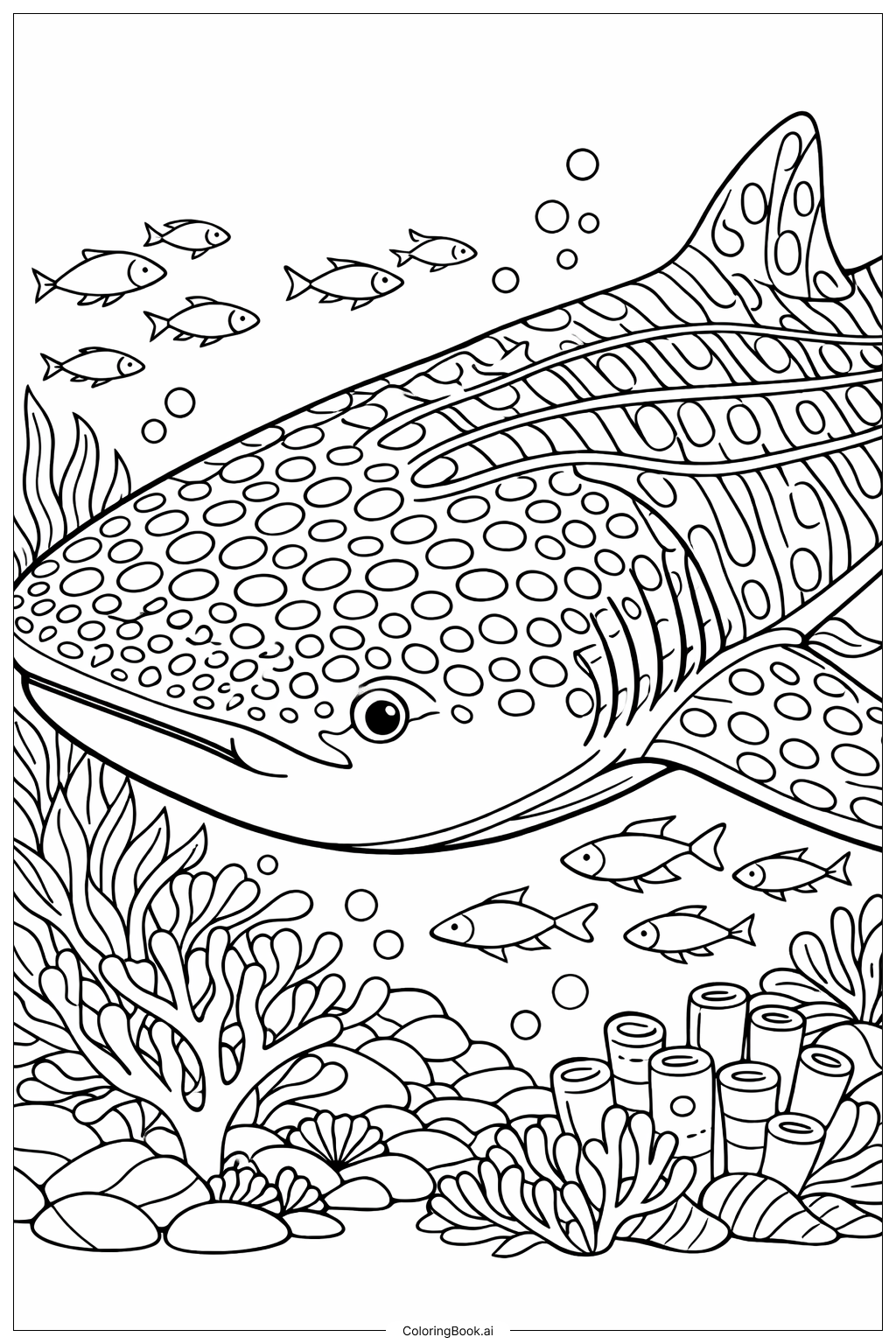
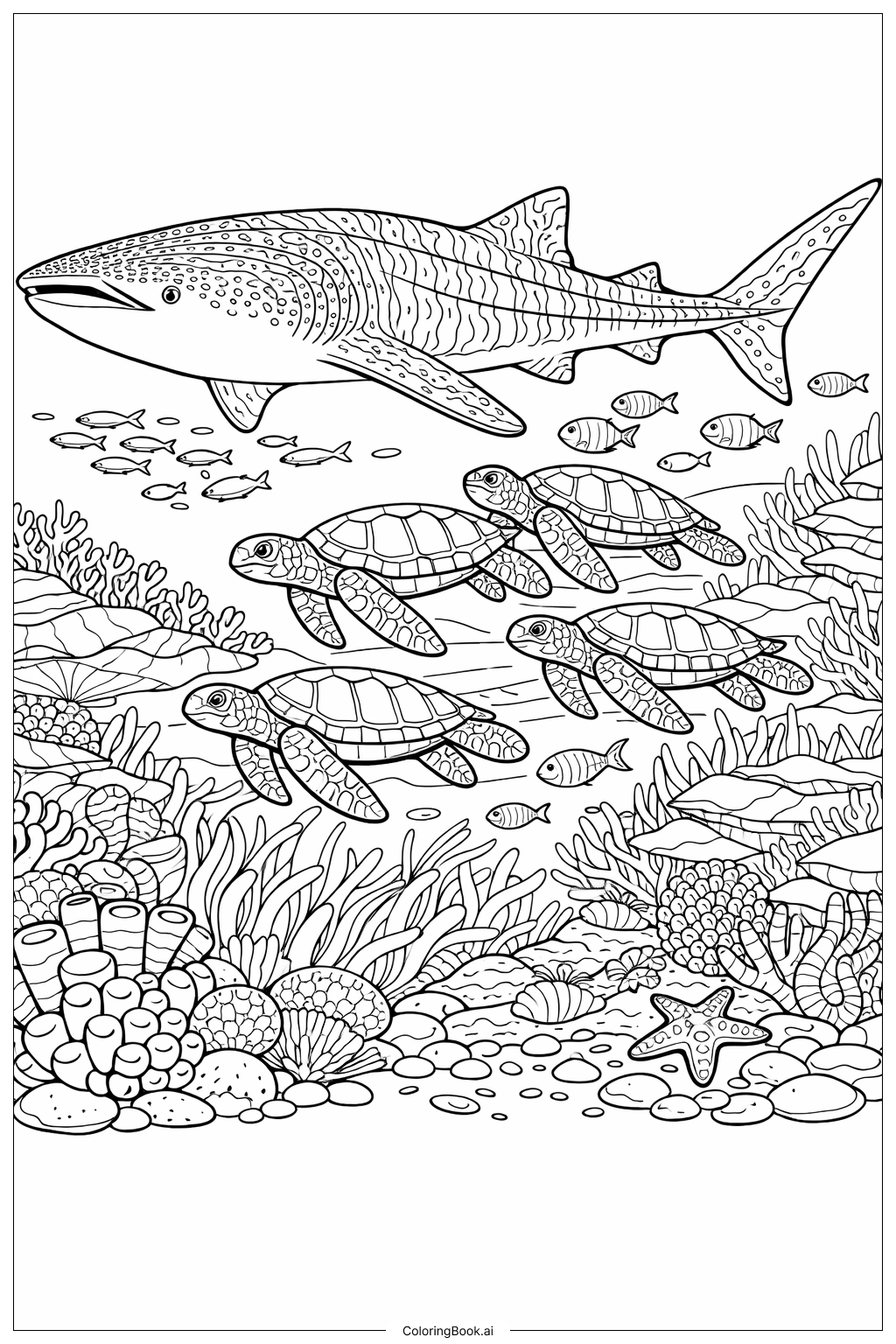
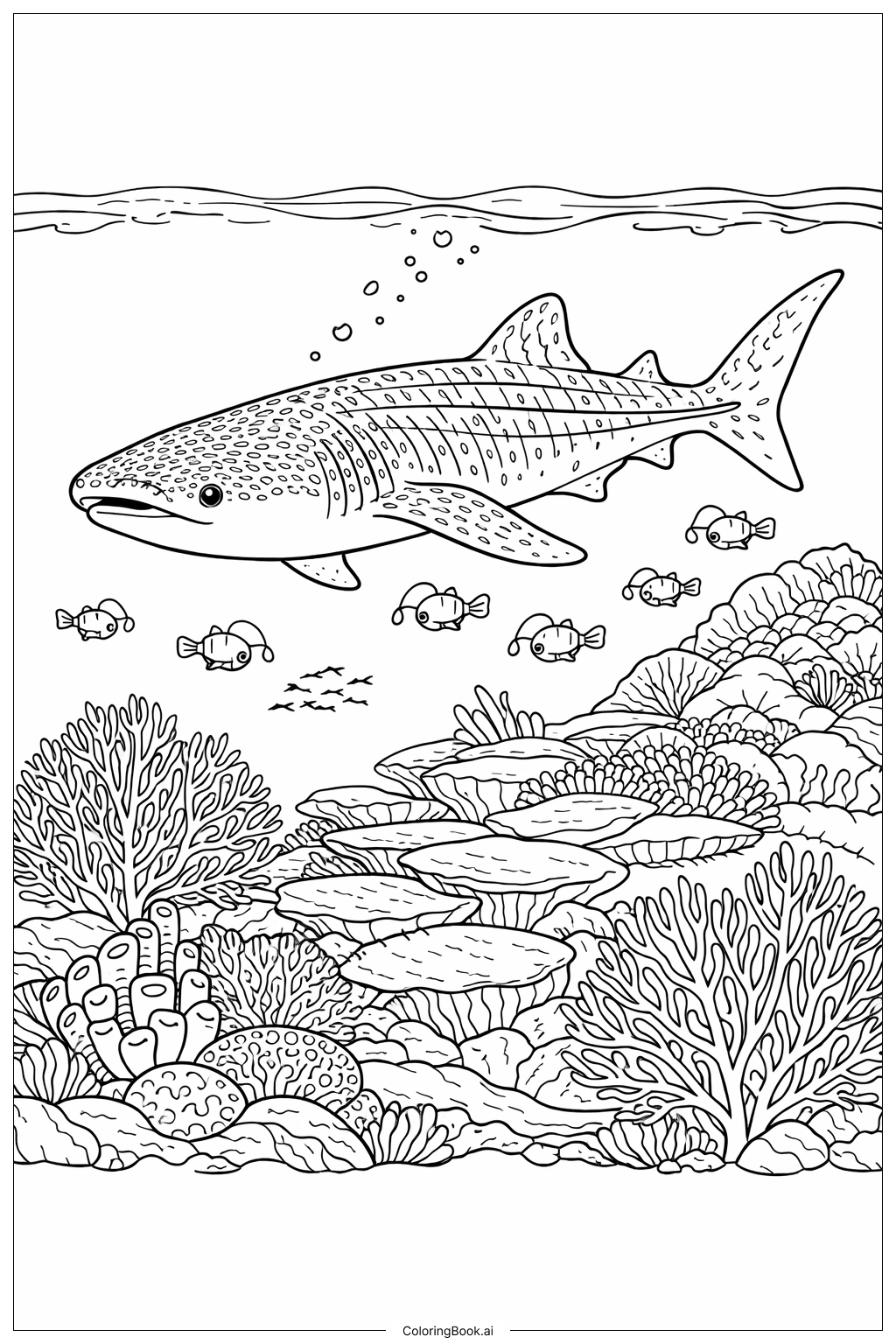
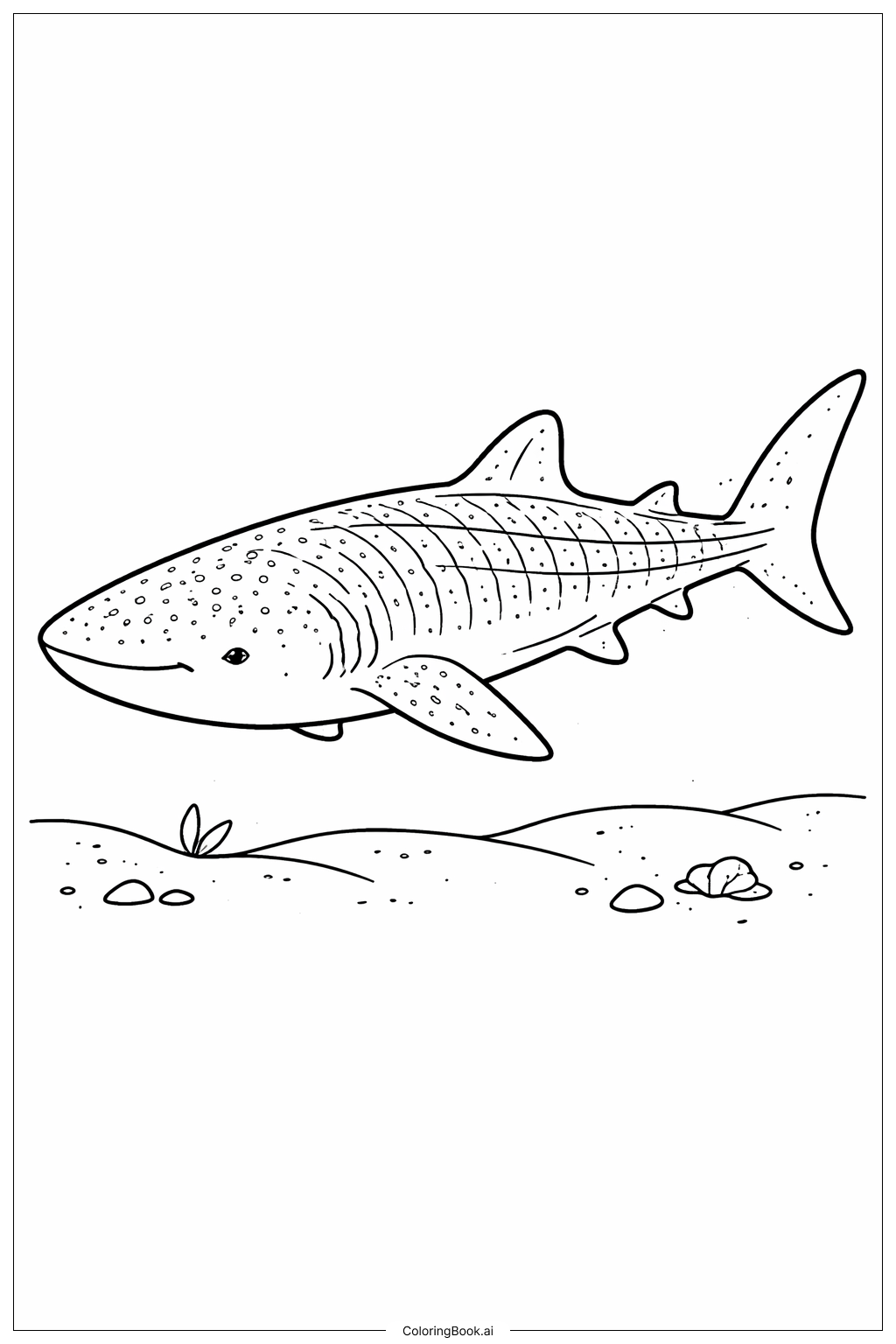
When coloring this Whale Shark image, consider using shades of blue, gray, and white to capture its natural look. The whale shark’s body can be colored with a base of soft grayish blue, with white or light yellow spots to show its distinctive pattern. Use darker blues for the ocean background to highlight the sandy bottom in light tan or beige colors. You may add gentle green shades for underwater plants and small fish in bright colors like yellow, orange, or red to bring the scene to life. Feel free to mix realistic and creative colors to make the image fun and unique.
Coloring challenges: Which parts are difficult to color and need attention for Whale Shark By Sandy Bottom coloring page?
• Pattern Details: The whale shark’s body is covered in many small spots and lines. Coloring these patterns precisely requires steady hand control and attention to detail to avoid coloring outside the lines.
• Large Surface Area: The whale shark itself takes up most of the page. Filling in large areas evenly with color can be challenging, especially for younger children.
• Shading and Texture: The sandy bottom and underwater plants have textures that may be tricky to represent with basic coloring tools. Capturing the subtle waves in the sand adds complexity.
• Limited Color Contrast: Since the whale shark’s colors are often muted blues and grays, choosing colors that stand out clearly yet remain natural may be difficult for beginners.
• Small Fish and Background: The tiny fish and underwater elements require fine motor skills to color neatly, especially when using crayons or markers that are thick.
Benefits of coloring books: Advantages of drawing Whale Shark By Sandy Bottom coloring page
Coloring this Whale Shark By Sandy Bottom image helps improve focus and patience because of its detailed patterns and large areas to fill. It encourages hand-eye coordination and fine motor skills as younger children learn to color carefully within lines and handle different color shades. The ocean scene promotes interest and curiosity about marine life and nature, stimulating imagination. Creative color choices encourage self-expression, while working on textures and patterns builds observation skills. Overall, this coloring activity offers a calming and educational experience that can boost confidence and artistic ability.