Coloring tips: How to color Western Cactus coloring page well?
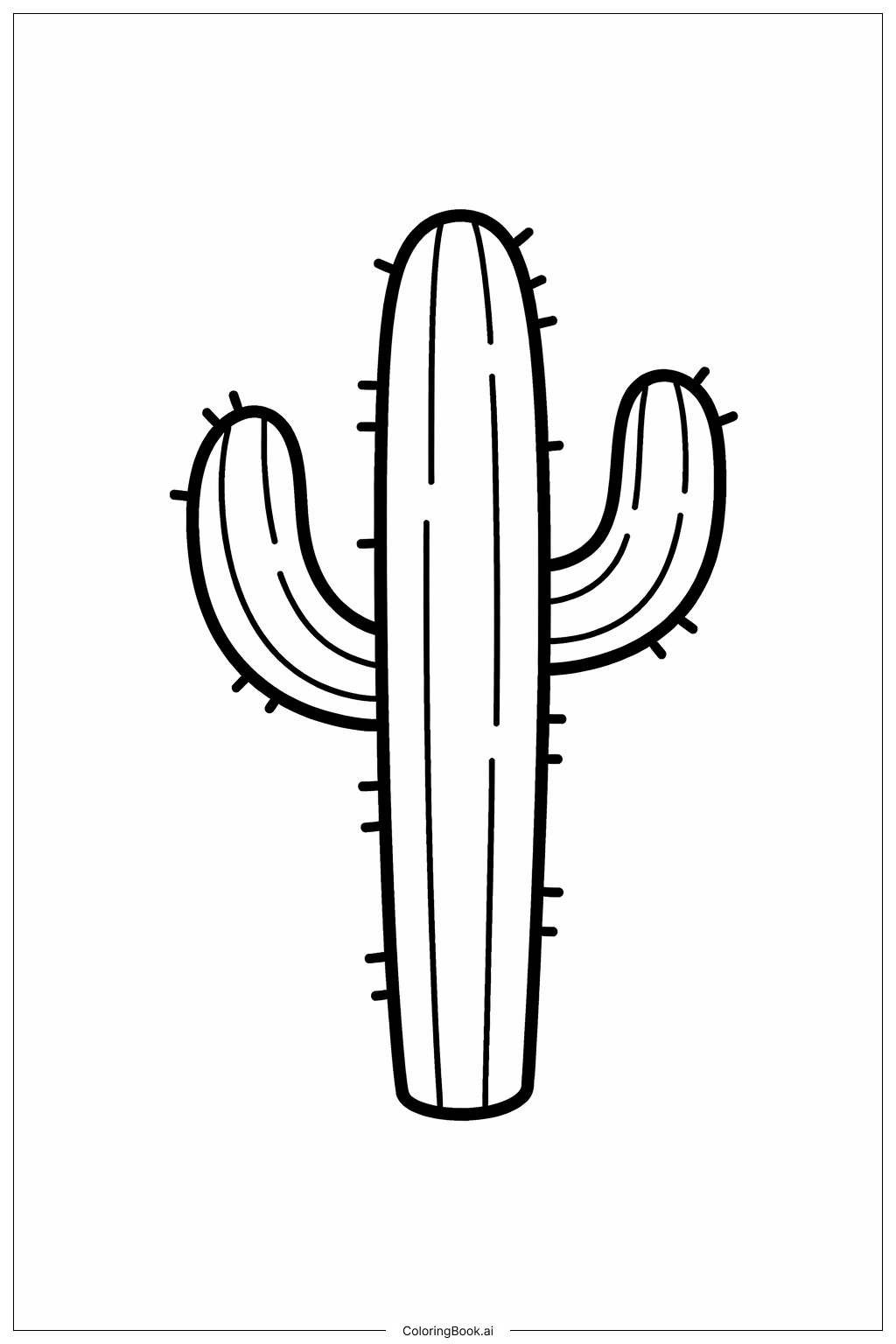
Start with the large saguaro cactus using different shades of green. Use a bright, warm green for the sunlit side and a deeper, cooler green for the shaded areas. This gives the cactus a round, three-dimensional look. Color the cowboy hat in classic tan or brown tones. Add a darker band around the base of the hat for detail. For the desert ground, use sandy yellows and light oranges. The sky looks great in a warm gradient, going from pale yellow near the horizon to a soft blue higher up. Use burnt orange and dusty red for the mesas in the background. Keep the spines white or very light gray so they stand out against the green. Feel free to add a bright sun in golden yellow. Small desert flowers on the cactus can be colored in pink, red, or yellow for a cheerful pop of color. Have fun and make your desert scene come alive!
Coloring challenges: Which parts are difficult to color and need attention for Western Cactus coloring page?
• Cactus Spine Details: The saguaro cactus is covered in many small, closely spaced spines arranged in neat rows along its ridged surface. Coloring around these tiny spines without accidentally filling them in takes a steady hand and a fine-tipped coloring tool. Children and beginners may find it helpful to use a sharp colored pencil or a thin-tipped marker for this area.\n\n• Surface Ridges and Shading: The body of the cactus has vertical ridges running from top to bottom. To make the cactus look round and realistic, you need to apply lighter colors on the raised ridges and darker shades in the grooves between them. This kind of shading requires patience and a good understanding of how light falls on curved surfaces.\n\n• Cowboy Hat Texture: The hat sitting on the cactus arm has its own set of details, including a brim, a crown, and a decorative band. Each part benefits from slightly different shades of the same color family. Blending these tones smoothly without muddying the colors is a common challenge.\n\n• Background Depth and Layers: The desert background includes a sky, distant mesas, and a sandy ground plane. Keeping each layer visually distinct while still making the scene feel unified takes planning. Choosing colors that contrast enough to separate the layers, like a warm sky versus cool purple mesas, helps a lot.\n\n• Small Surrounding Plants: The prickly pear cacti and dry shrubs around the main cactus are smaller and have tighter spaces. Filling these areas neatly without smearing color into neighboring sections can be tricky, especially for younger colorists.
Benefits of coloring books: Advantages of drawing Western Cactus coloring page
Coloring this Western Cactus page is a wonderful activity for kids and adults alike. It helps children practice holding and controlling coloring tools, which builds the fine motor skills they need for writing and other hands-on tasks. Staying inside the lines and paying attention to small details like cactus spines sharpens focus and trains the eyes and hands to work together.\n\nChoosing colors for the desert scene encourages creative thinking. Kids get to decide what shade of green looks best for the cactus or how to color the sky at sunset. These small decisions build confidence and spark imagination.\n\nThe calming, repetitive motion of filling in areas with color is also a great way to relax. It helps children and adults slow down, reduce stress, and enjoy a quiet moment away from screens.\n\nLearning about the Western desert landscape through this image also has educational value. Kids discover what a saguaro cactus looks like, what kinds of plants grow in the desert, and what makes the American Southwest so unique and beautiful.\n\nSharing and displaying the finished artwork gives children a real sense of pride and accomplishment. It is a simple, screen-free activity that delivers big benefits for the mind, the hands, and the heart.