Coloring tips: How to color Werewolf Fishing coloring page well?
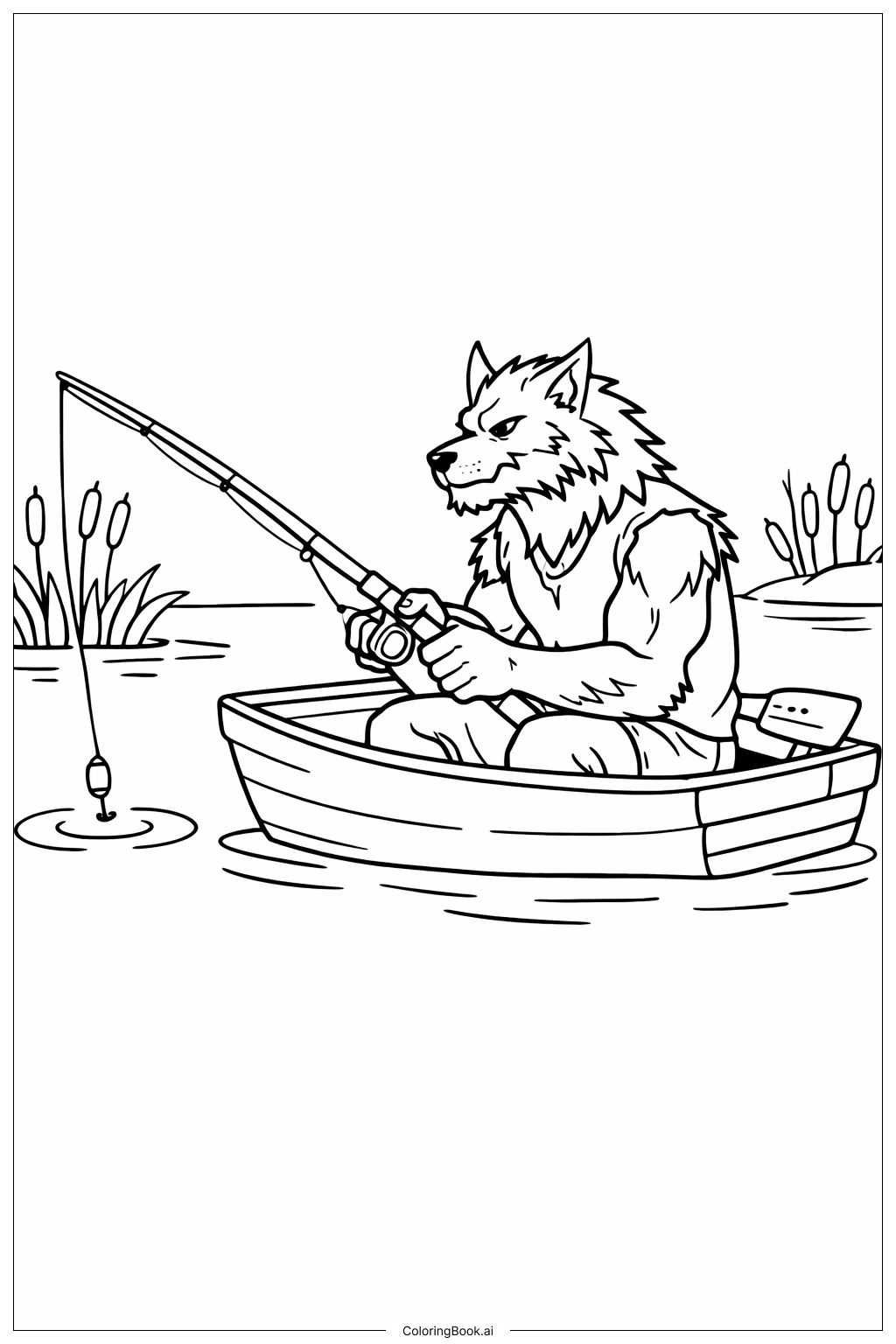
Use different shades of brown and grey for the werewolf’s fur to create texture. The shirt and pants can be colored in earthy tones like green, blue, or brown. The wooden boat should have natural wood colors such as warm browns and yellows. For the water, use blue shades with lighter streaks to show reflections. Color the cattails green for the leaves and brown for the seed heads. Try using lighter colors for the sky and background to keep the focus on the werewolf and the boat. You can add shadows and highlights to make the image look more 3D.
Coloring challenges: Which parts are difficult to color and need attention for Werewolf Fishing coloring page?
1. Fur Texture: Coloring the werewolf’s fur can be tricky because it has many small, sharp details. You’ll need to use different shades to show depth and texture. 2. Small Details: The fishing rod, reel, and line are thin and require careful coloring to stay inside the lines. 3. Water Reflections: Making the water look realistic with reflections and ripples is challenging but important for a natural look. 4. Plant Details: The cattails and grass have many thin parts, which need steady coloring to avoid going outside the lines. 5. Contrast: Balancing dark and light areas, especially on the werewolf’s body and boat, can be difficult but will make the picture stand out.
Benefits of coloring books: Advantages of drawing Werewolf Fishing coloring page
Coloring this picture helps children improve their hand-eye coordination and concentration. It encourages attention to small details like the fishing rod and plants. Working with different colors and shading techniques also helps creativity grow. This picture combines fun fantasy elements with nature, which can spark imagination and storytelling. Coloring the werewolf and environment gives practice in blending colors and understanding textures. Overall, it’s a great way to practice fine motor skills and artistic expression while having fun.