Coloring tips: How to color Wacky Wednesday Spotty Dog coloring page well?
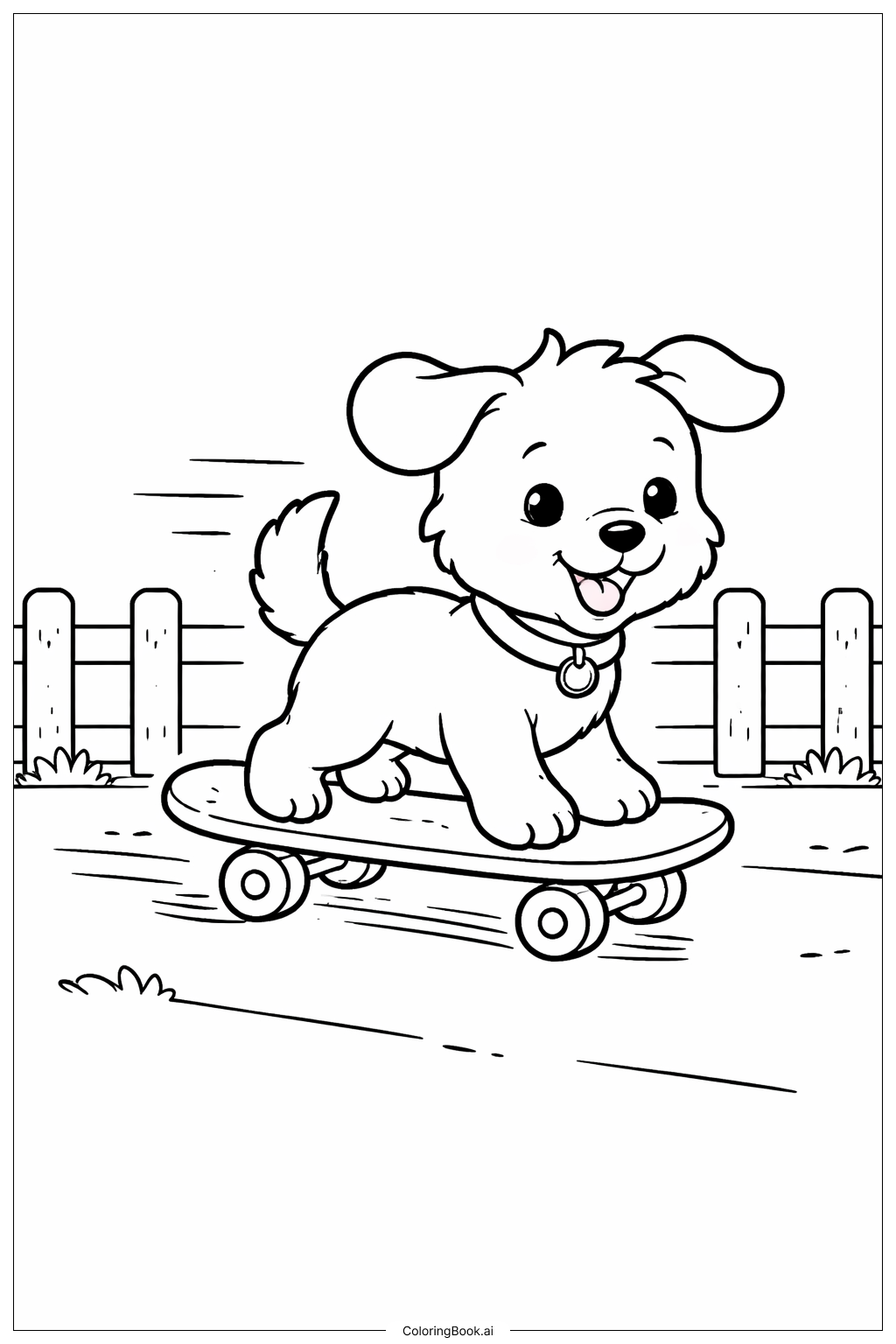
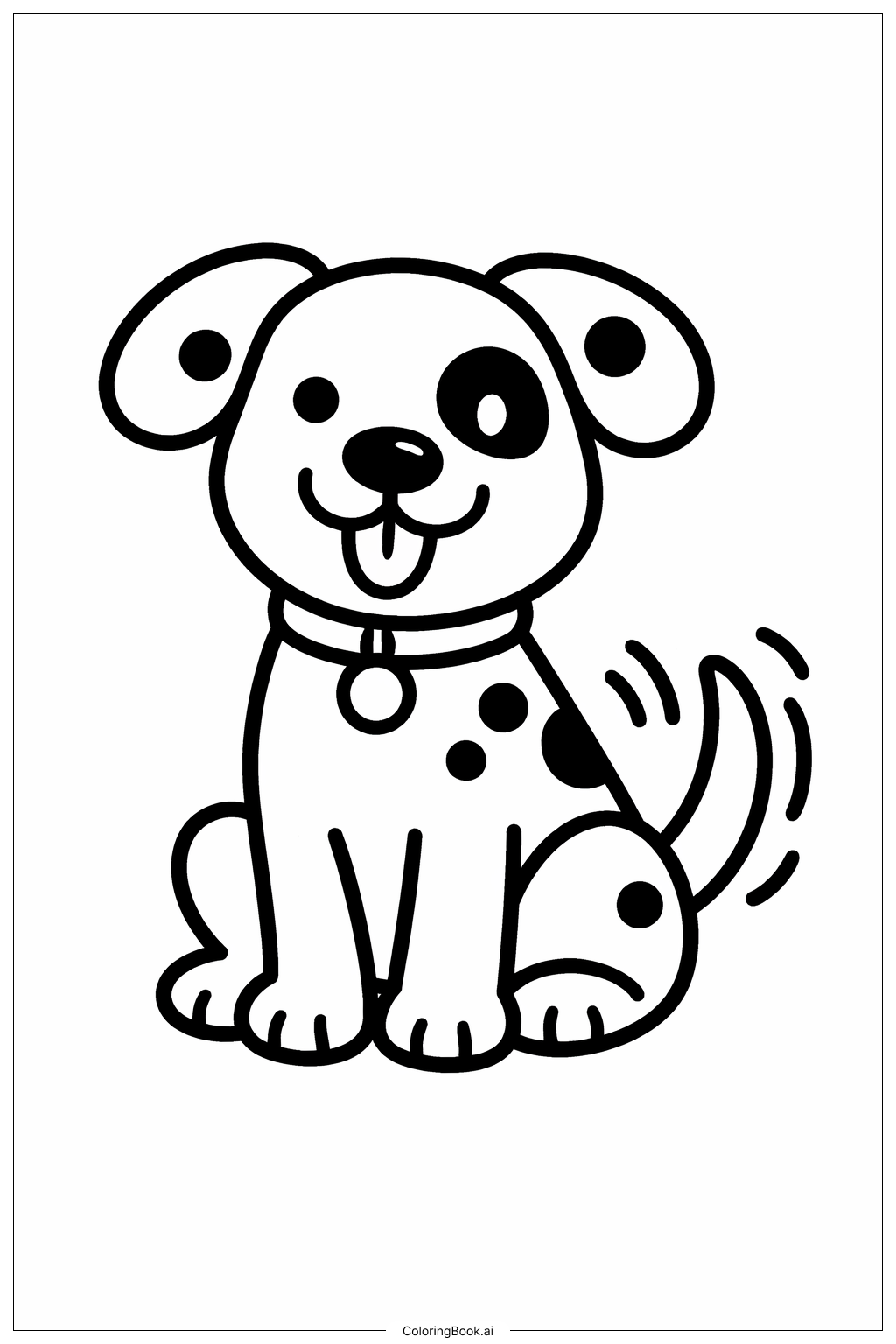
Use bright and cheerful colors for the dog to make it lively. You can color the spots in black or brown, or get creative and use colorful spots like blue, red, or purple. The collar can be colored in a bright shade like red or blue to stand out. For the tongue, use pink to make the dog look happy. The eyes and nose are usually black, but you can try dark brown if you want. The background can be left white or filled with light green or blue to represent grass or sky.
Coloring challenges: Which parts are difficult to color and need attention for Wacky Wednesday Spotty Dog coloring page?
1. Coloring small spots on the dog’s body requires careful attention to avoid coloring outside the lines.
2. The ears have spots close to the edges, which can be tricky to color neatly.
3. Keeping the collar separate from the dog’s neck while coloring demands precision.
4. Coloring the tail’s movement lines without mixing them with the tail itself can be challenging.
5. Maintaining consistent color within the small paws while staying inside the lines may be difficult for younger children.
Benefits of coloring books: Advantages of drawing Wacky Wednesday Spotty Dog coloring page
Coloring this spotty dog helps children improve fine motor skills as they work on small details like spots and paws. It encourages creativity by letting them choose different colors for the spots and collar. Coloring the happy dog can also boost children’s mood and promote relaxation. It teaches attention to detail and patience when coloring within the lines. Overall, it’s a fun and educational activity that supports artistic expression and focus.