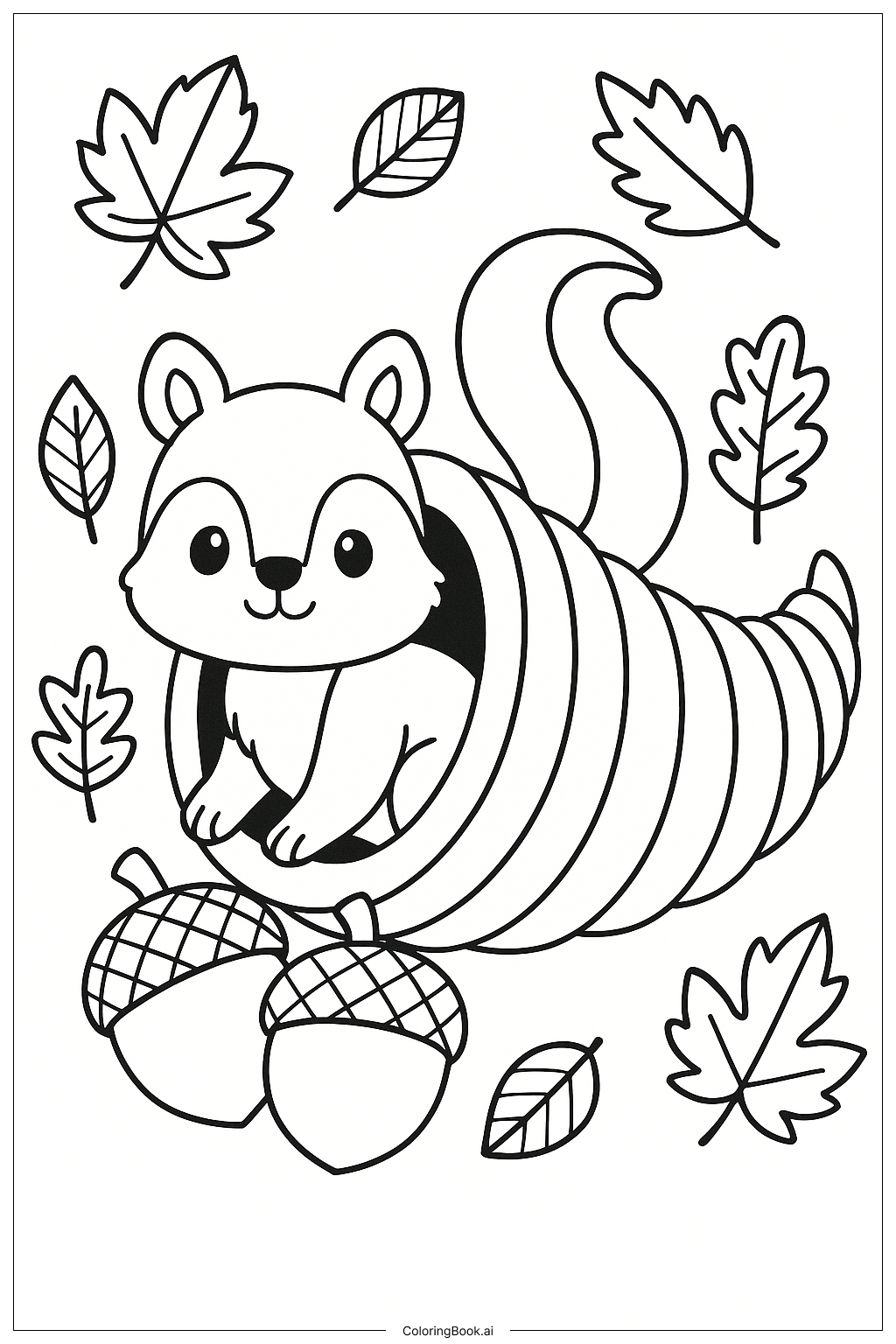
Mẹo tô màu: Làm thế nào để tô màu tranh Squirrel Peeking From A Cornucopia đẹp?
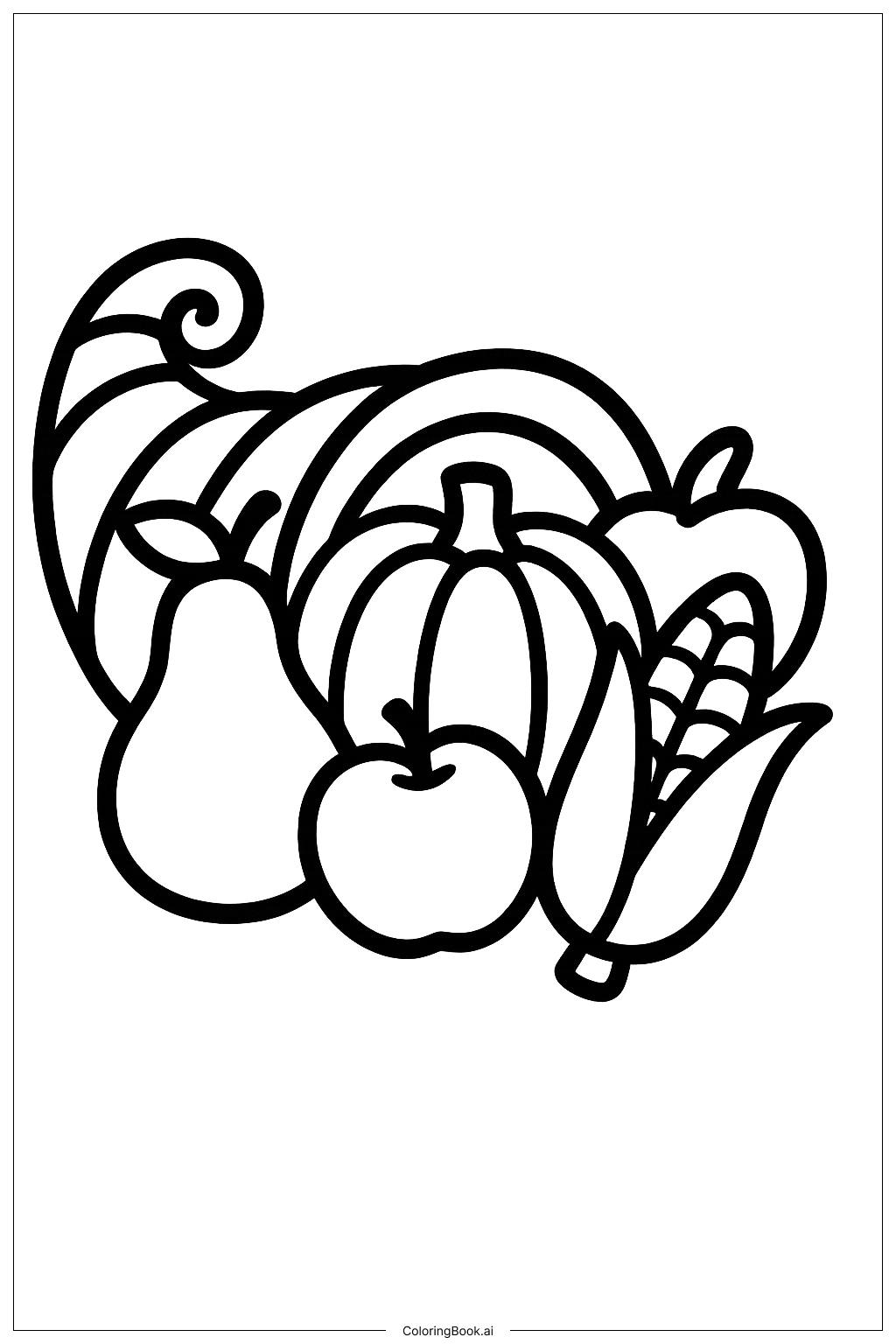
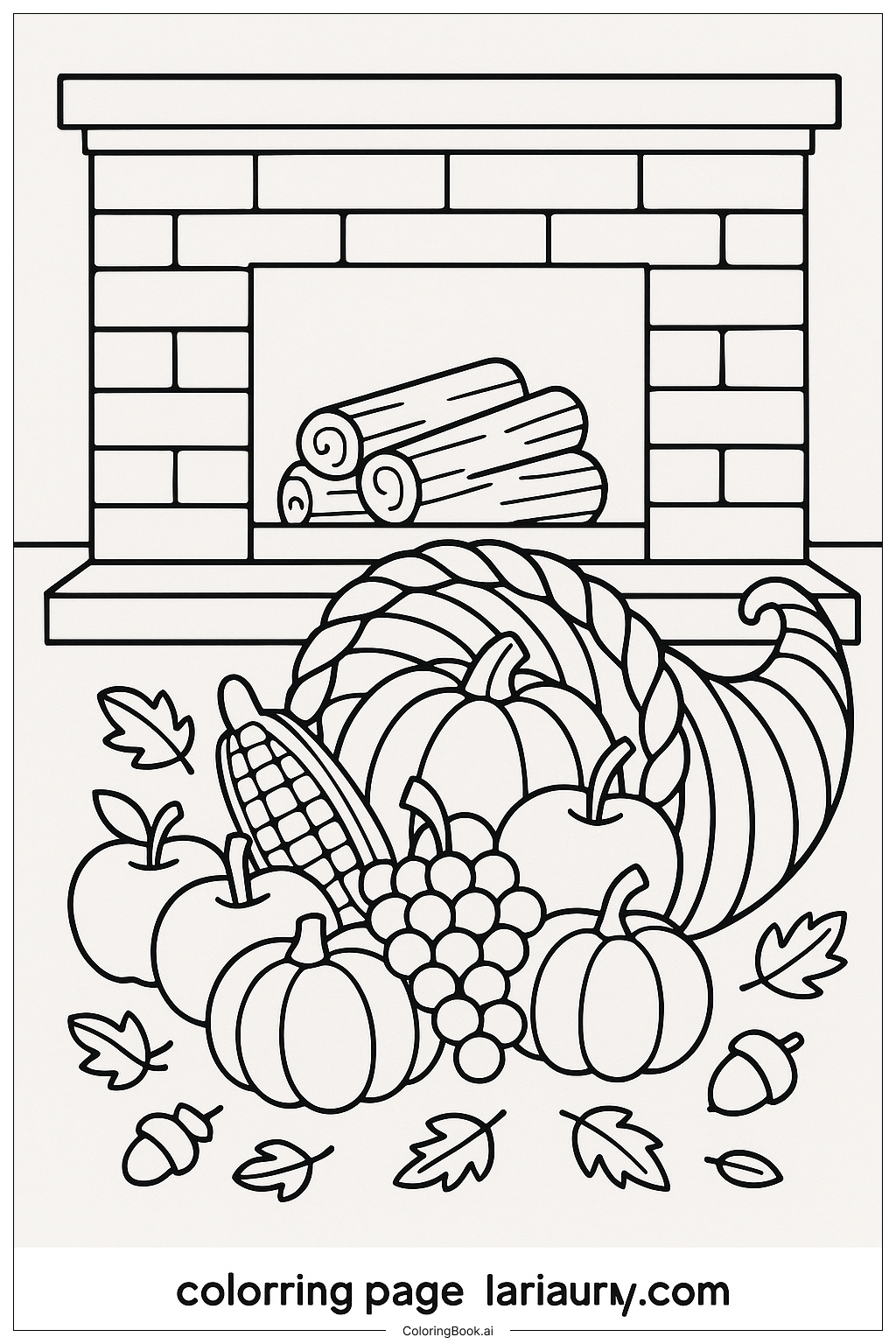
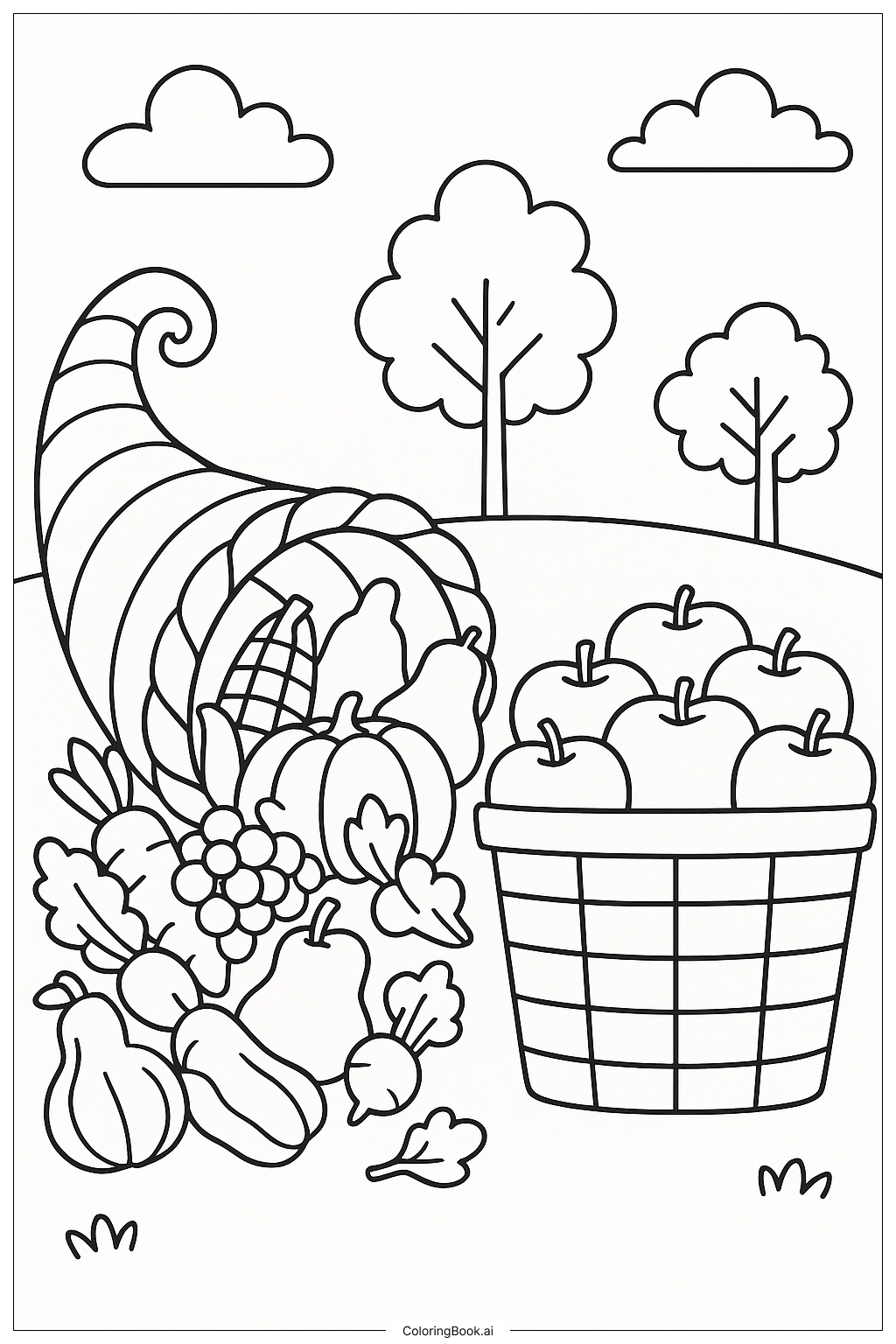
For this image, warm autumn tones will bring it to life. Use shades of orange, yellow, and brown for the leaves and pumpkins. The Cornucopia can be colored in golden-brown or tan to look like woven straw or wood. The squirrel is great for warm greys or reddish browns to mimic real squirrels. Adding light shading in the pumpkins and leaves will give dimension. Try rich reds and deep greens for berries and acorns to make them stand out. For the squirrel’s eyes, a bright black or dark brown will add sparkle. Use layering to blend colors softly on the fur and leaves for a natural look. Don’t forget to add little highlights for shine on the cornucopia’s weave and shiny fruit surfaces.
Thách thức khi tô màu: Những phần nào khó tô màu và cần chú ý đối với Squirrel Peeking From A Cornucopia?
• Small Details: The squirrel’s face, paws, and eyes have fine lines that require precise coloring to stay inside the lines without smudging. • Texture Challenge: The woven texture of the Cornucopia involves many small overlapping lines that may be tricky to color uniformly while showing the wood or straw effect. • Leaf Variations: Leaves come in various shapes and sizes with veins, which require attention to detail to color realistically. • Color Blending: Achieving natural shading on the squirrel's fur and the smooth, round pumpkins needs careful blending of different colors without harsh edges. • Crowded Composition: With many autumn elements packed close together, it’s important to differentiate objects with color choices to prevent the image from looking messy.
Lợi ích của sách tô màu: Ưu điểm của việc vẽ tranh tô màu Squirrel Peeking From A Cornucopia
Coloring this image helps develop fine motor skills and hand-eye coordination as children work carefully within the small details of the squirrel and the Cornucopia. It encourages creativity by inviting experimentation with warm and vibrant autumn colors. The repetitive patterns in the woven horn and leaves build patience and focus. Coloring natural elements fosters mindfulness and a connection with seasonal changes. It also provides a relaxing activity that can boost mood, making it enjoyable for children of many ages. Overall, the image promotes both artistic growth and an appreciation for nature’s beauty.