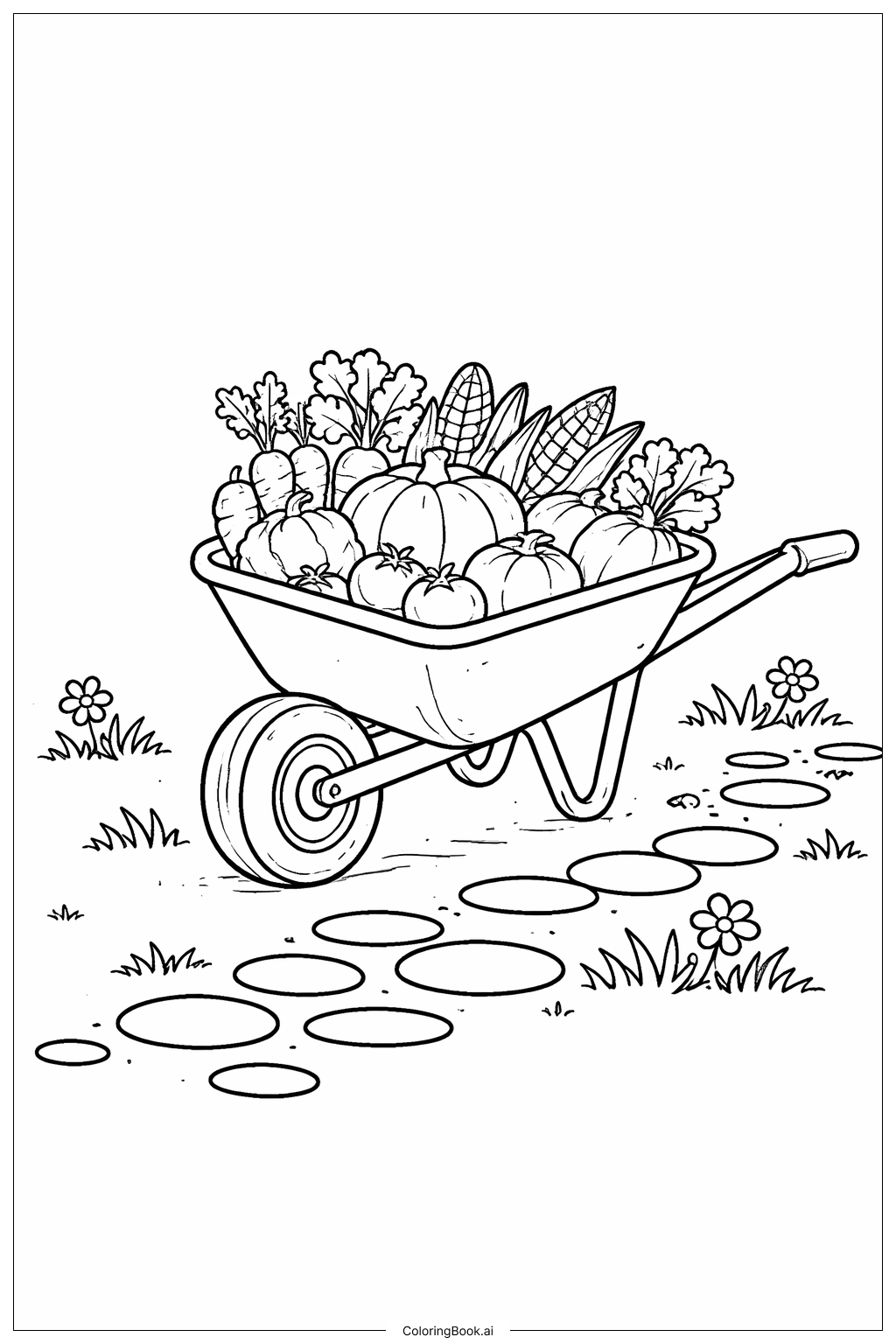
Coloring tips: How to color Vegetables In Wheelbarrow coloring page well?
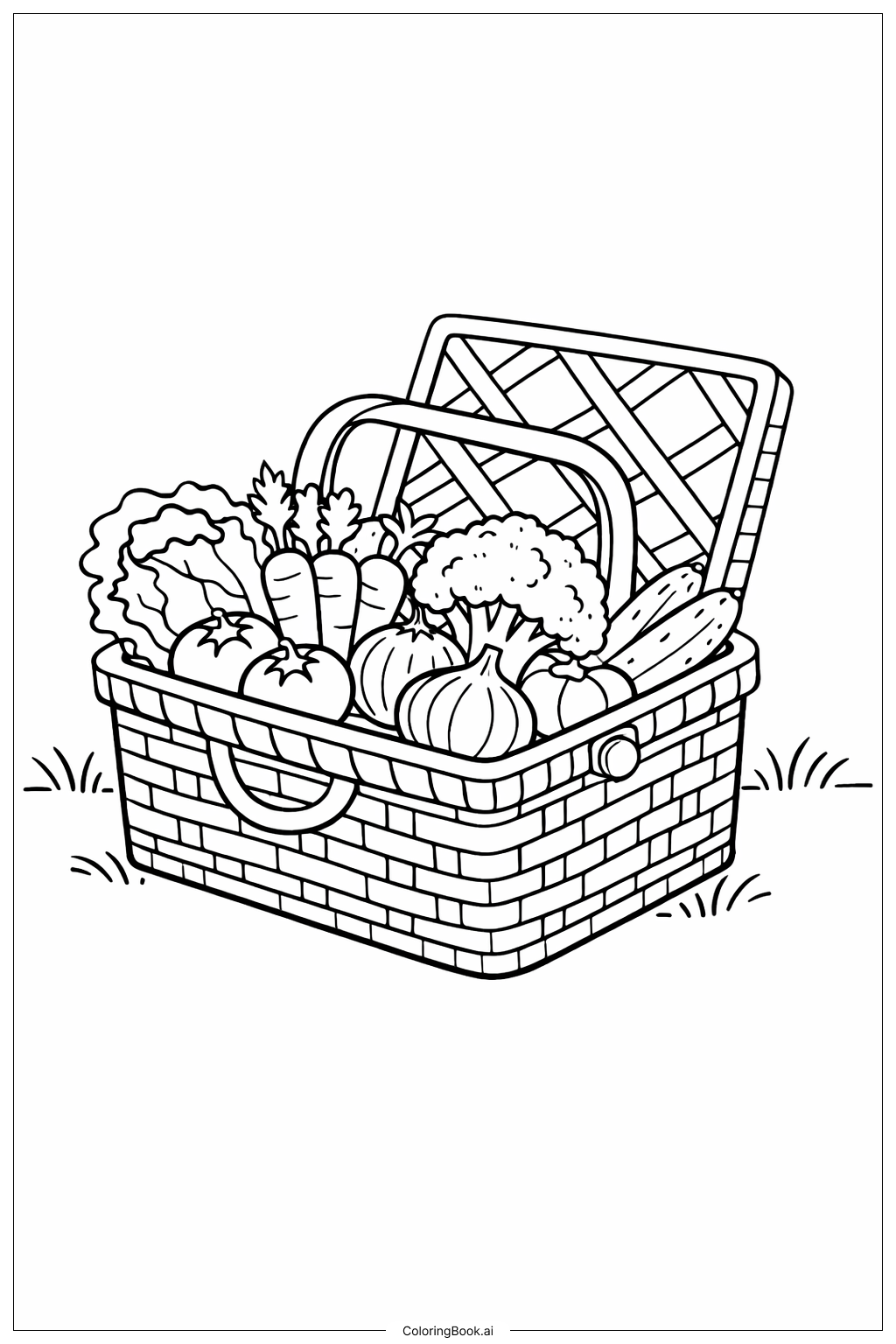
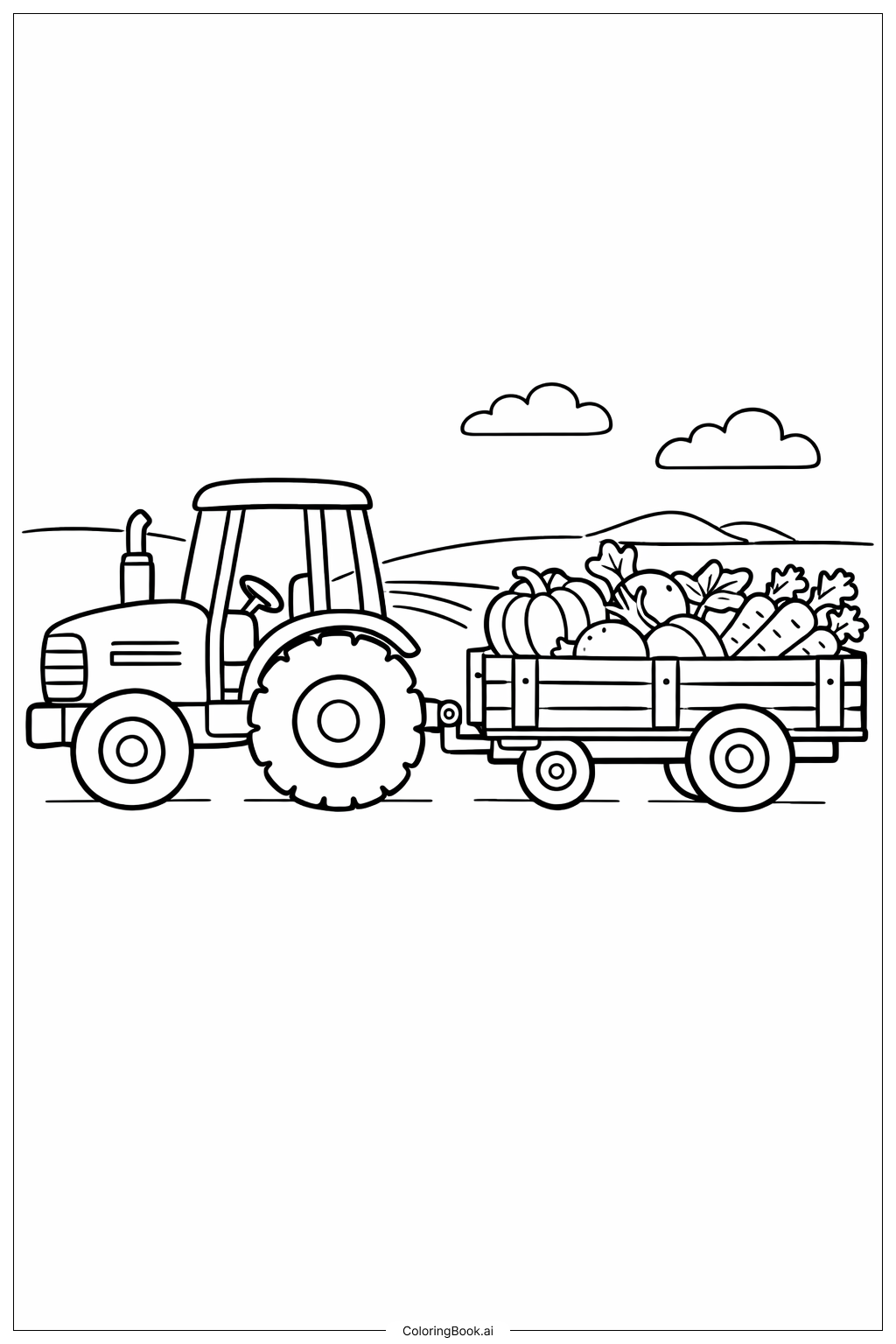
Use bright and natural colors to bring this picture to life. Color the pumpkins with orange and add some yellow or brown to show the texture. The corn can be colored yellow with green husks. Carrots are great with orange bodies and green tops. Tomatoes can be red or yellow. Use different shades of green for the leaves and other vegetables to create contrast. For the wheelbarrow, try gray, green, or blue colors. The path stones can be light gray or brown. Add green for the grass and various bright colors for the flowers to make the whole scene colorful and lively.
Coloring challenges: Which parts are difficult to color and need attention for Vegetables In Wheelbarrow coloring page?
1. Small Details: The vegetables have many small leaves and shapes that need careful coloring. Staying inside the lines can be tricky. 2. Color Blending: To make the vegetables look more real, blending different shades of the same color is needed. This can be hard for young children. 3. Overlapping Objects: Some vegetables overlap each other. It takes attention to color each one separately without mixing colors. 4. Texture: Pumpkins and corn have unique textures that can be tricky to show with colors. It needs patience and practice. 5. Path Stones and Background: Coloring the stones and grass needs subtle colors to make sure they don’t overpower the bright vegetables.
Benefits of coloring books: Advantages of drawing Vegetables In Wheelbarrow coloring page
Coloring this picture helps improve fine motor skills as children carefully color inside small spaces. It encourages attention to detail and patience. Choosing different colors for vegetables teaches about variety and natural colors in nature. It also sparks creativity by mixing colors and shading. Coloring a natural garden scene can help children feel calm and connected to nature. This activity supports learning about healthy food and farming while being fun and relaxing.