Coloring tips: How to color Floating Jellyfish Under The Sea coloring page well?
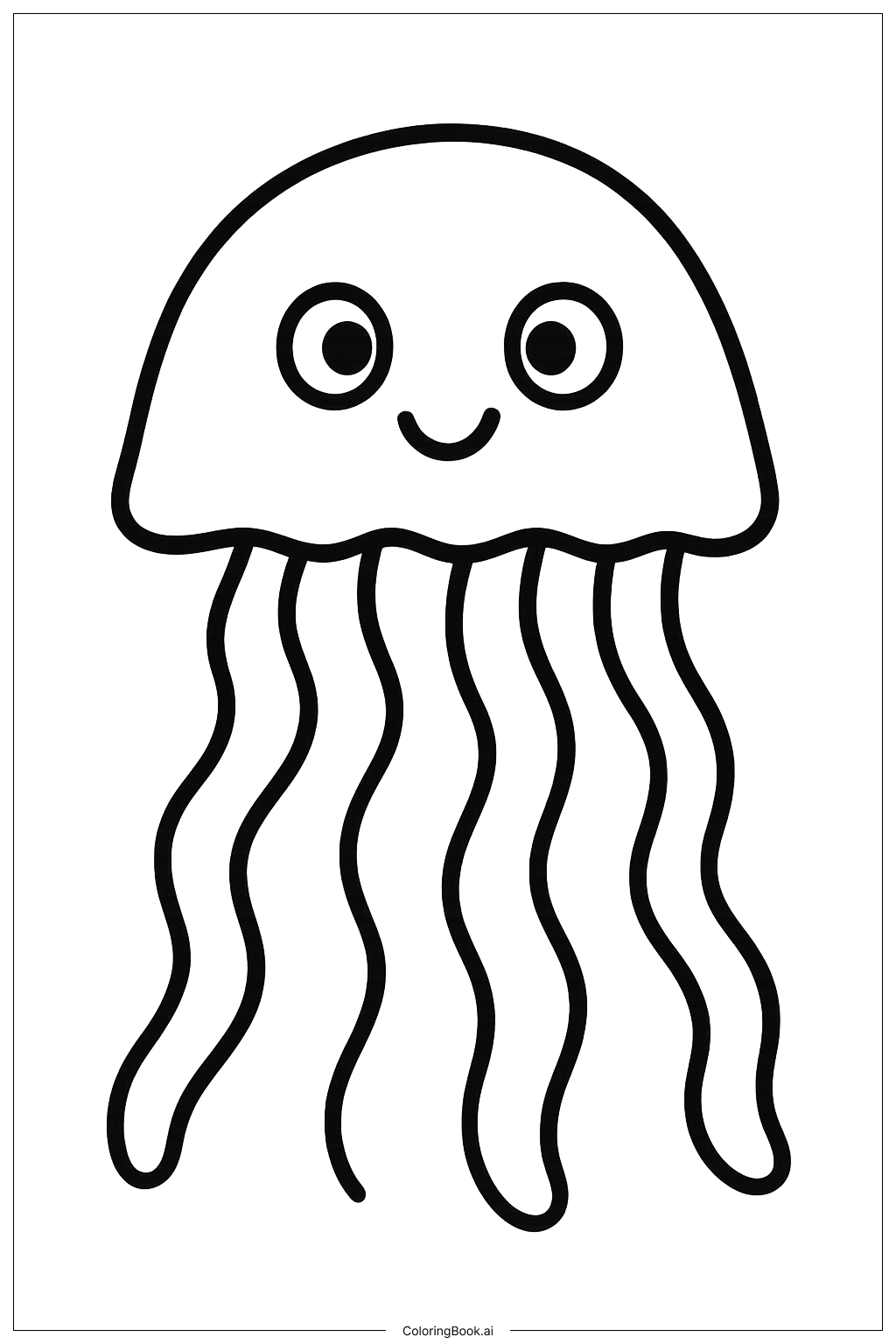
Try using light colors like soft blues, purples, or pinks for the jellyfish's head to give it a gentle, glowing look. You can add shades of the same color to show light and shadow, making it look more 3D. For the tentacles, use different bright colors or gradients from top to bottom for a beautiful effect. You can mix colors like pastel yellows or greens to create fun contrasts. Coloring carefully inside the lines will make the jellyfish look neat. Don’t forget to add some background color, like light blue or green, to show the ocean water around the jellyfish.
Coloring challenges: Which parts are difficult to color and need attention for Floating Jellyfish Under The Sea coloring page?
1. The jellyfish's tentacles are long and wavy, which may be tricky for younger children to color inside the lines neatly.
2. Adding light and shadow to create a glowing effect requires blending colors carefully, which can be hard for beginners.
3. Choosing colors that look good together may be confusing since the jellyfish can be colored in many ways.
4. Coloring the large head evenly without leaving blank spots can be challenging to maintain smooth coloring.
5. Staying within the thin lines around the eyes requires good motor control and patience, especially for younger kids.
Benefits of coloring books: Advantages of drawing Floating Jellyfish Under The Sea coloring page
Coloring this jellyfish helps kids improve hand-eye coordination and fine motor skills by practicing control when coloring wavy lines and small spaces. It encourages creativity in choosing bright and gentle colors to make the jellyfish look beautiful. Adding shadows and blending colors can teach basic art techniques and observation skills. Coloring undersea scenes can also boost imagination, allowing kids to explore the ocean world while relaxing and having fun.