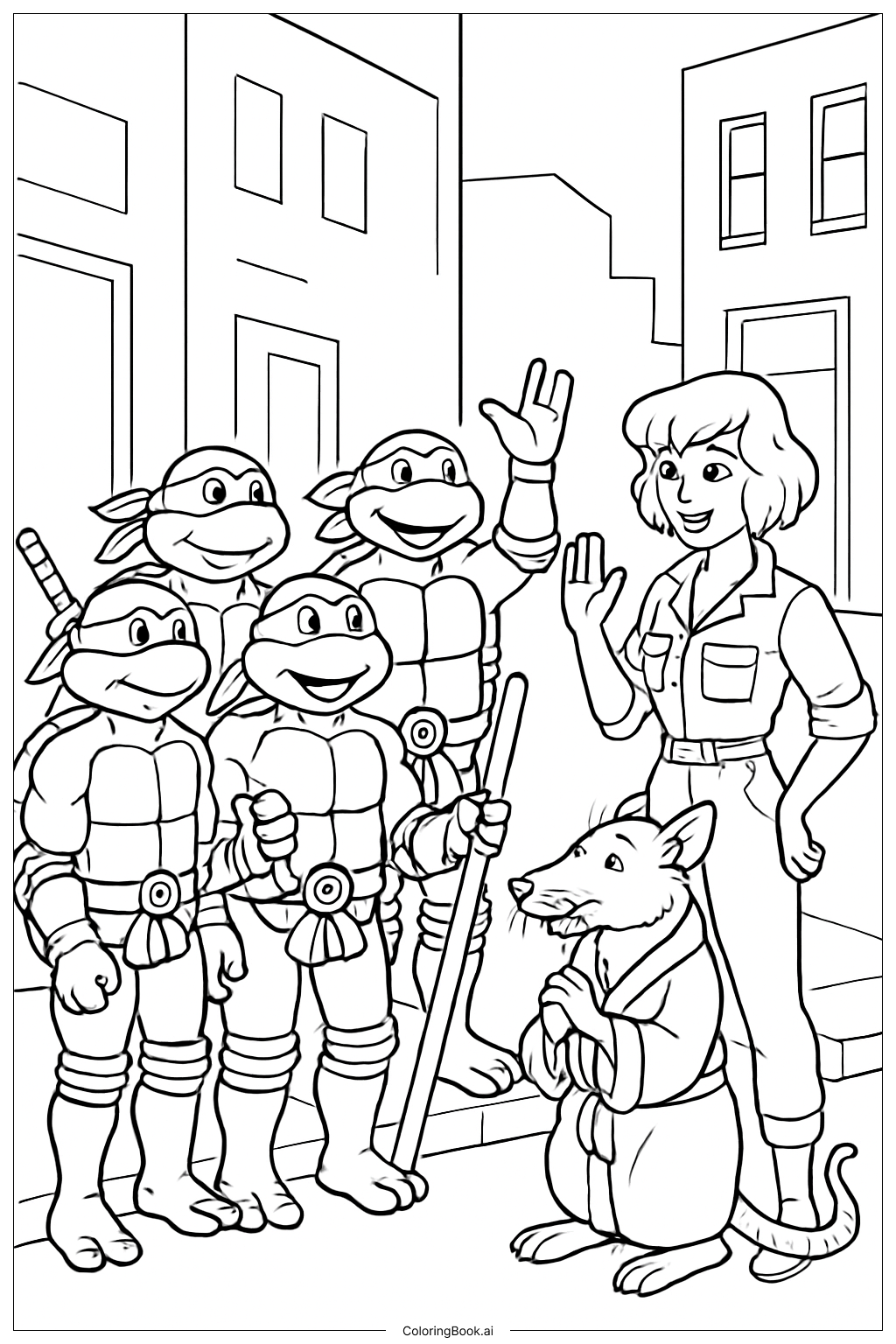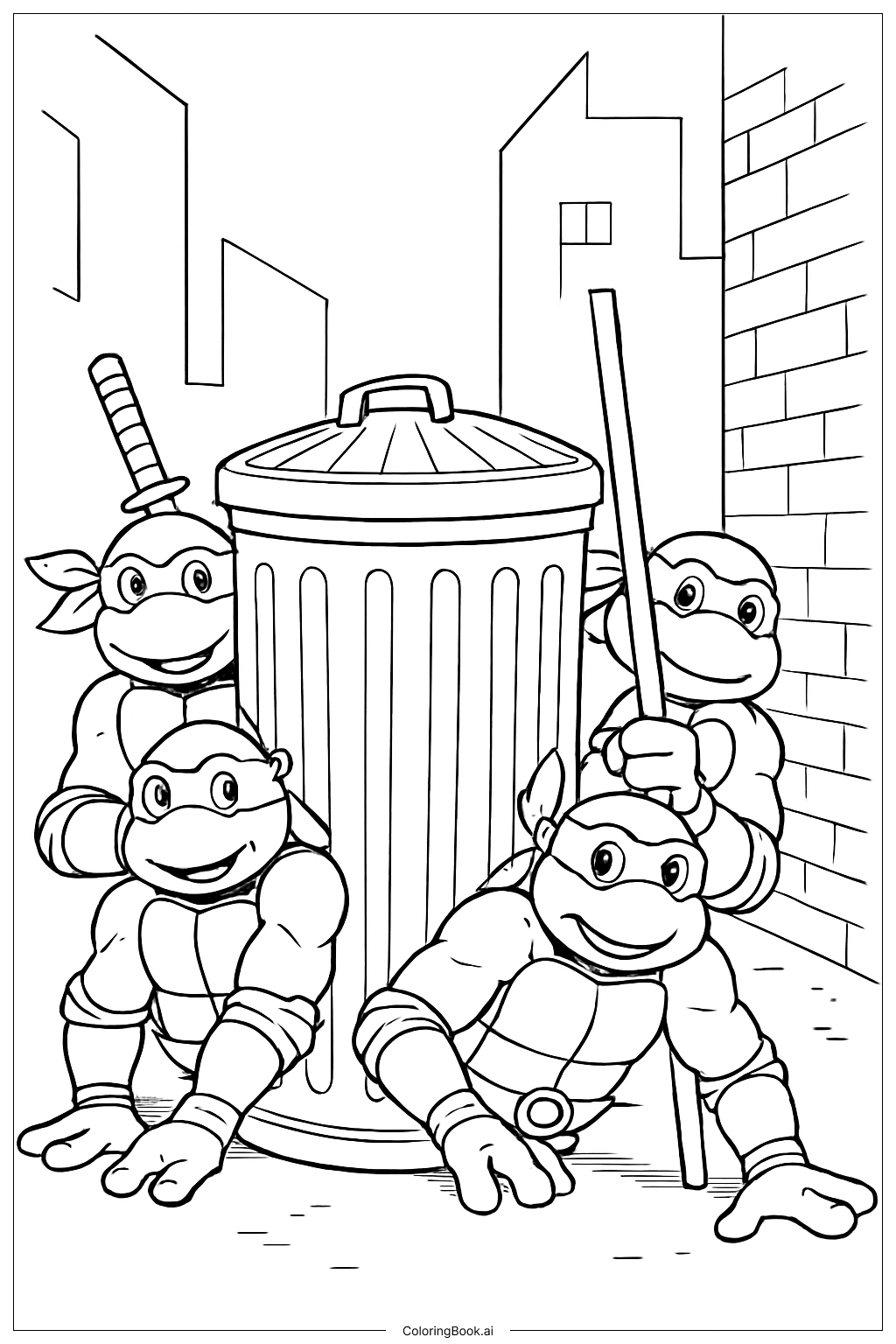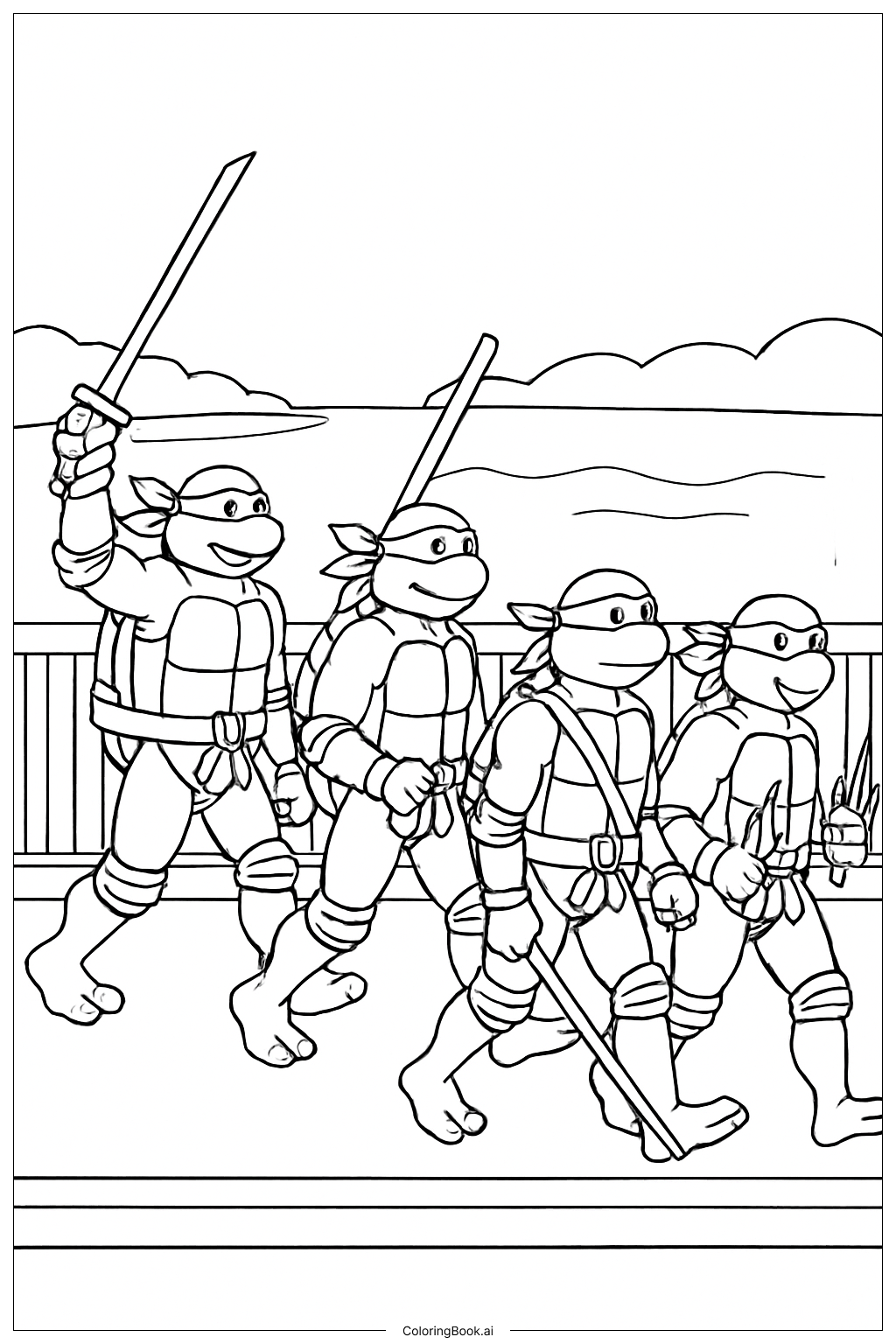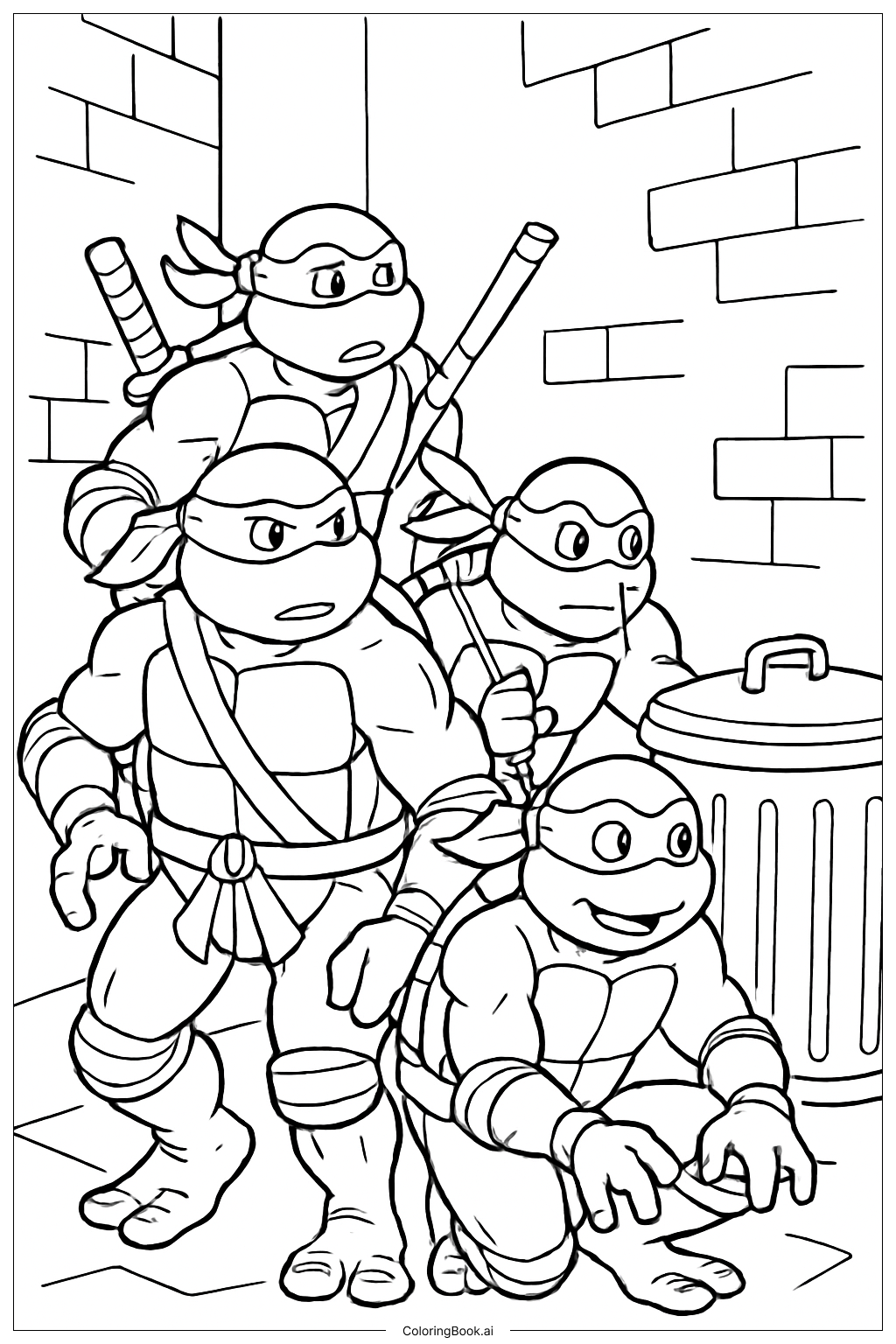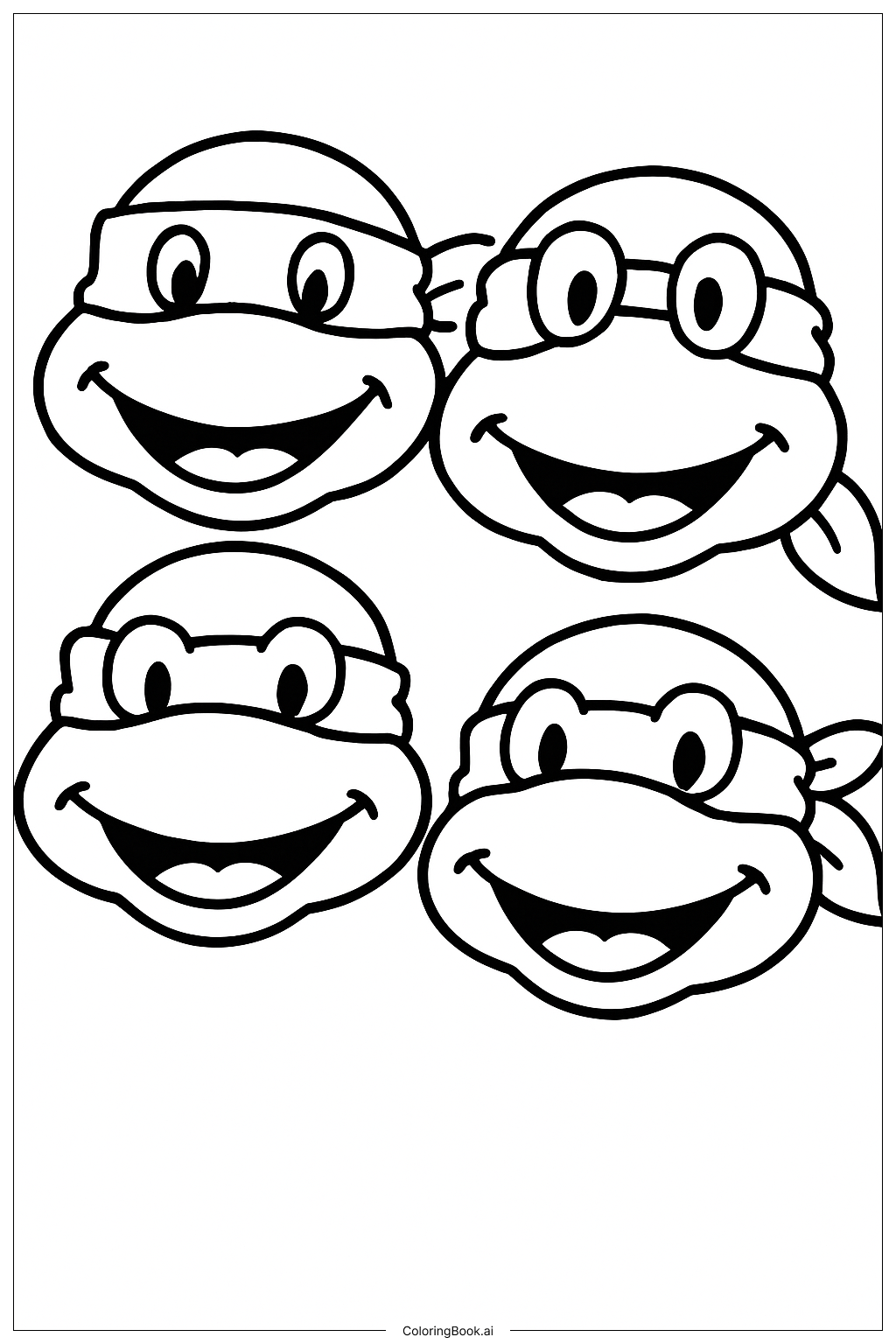
Coloring tips: How to color Teenage Mutant Ninja Turtles Smiling Faces coloring page well?
When coloring the Teenage Mutant Ninja Turtles, think about their traditional colors. Donatello can be colored in purple, Raphael in red, Michelangelo in orange, and Leonardo in blue. Use green shades for their skin, mixing in lighter and darker tones for texture. Add some fun details like a shiny effect on their eyes. Don't forget the headbands; they can be vibrant to stand out. You can also create a colorful background to make the turtles pop!
Coloring challenges: Which parts are difficult to color and need attention for Teenage Mutant Ninja Turtles Smiling Faces coloring page?
1. **Color Selection:** Choosing the right colors for each turtle can be challenging. Kids may struggle to remember which color goes with which character. Learning to match colors with characters is a fun skill but can take practice.
2. **Shading Techniques:** Adding shadows to make the turtles look three-dimensional may be tough for beginners. It requires understanding light sources and how shadows work. Kids can start with simple shading techniques to build confidence.
3. **Fine Details:** The facial features and headbands have intricate lines. Staying within these lines while coloring can be difficult, especially for younger children. They may need to develop more control over their coloring tools.
4. **Blending Colors:** Some kids may want to blend colors for a smoother finish. This is a more advanced technique that needs practice. Learning how to blend different shades can help create a beautiful look.
5. **Creativity:** Kids might feel pressured to color the turtles as they see in the cartoons. Encouraging creativity by coloring them differently can sometimes be a challenge, as they may want to stick to the original scheme.
Benefits of coloring books: Advantages of drawing Teenage Mutant Ninja Turtles Smiling Faces coloring page
Coloring the Teenage Mutant Ninja Turtles has many benefits for kids. It helps improve fine motor skills by allowing children to practice holding and controlling coloring tools. As they stay within the lines, they also develop hand-eye coordination, which is essential for writing and drawing. Coloring encourages creativity and self-expression, giving kids the freedom to choose colors and create unique artwork. It can also be a relaxing activity, helping to reduce stress and improve focus. Finally, coloring can be a fun group activity, promoting social interaction and teamwork when children color together.