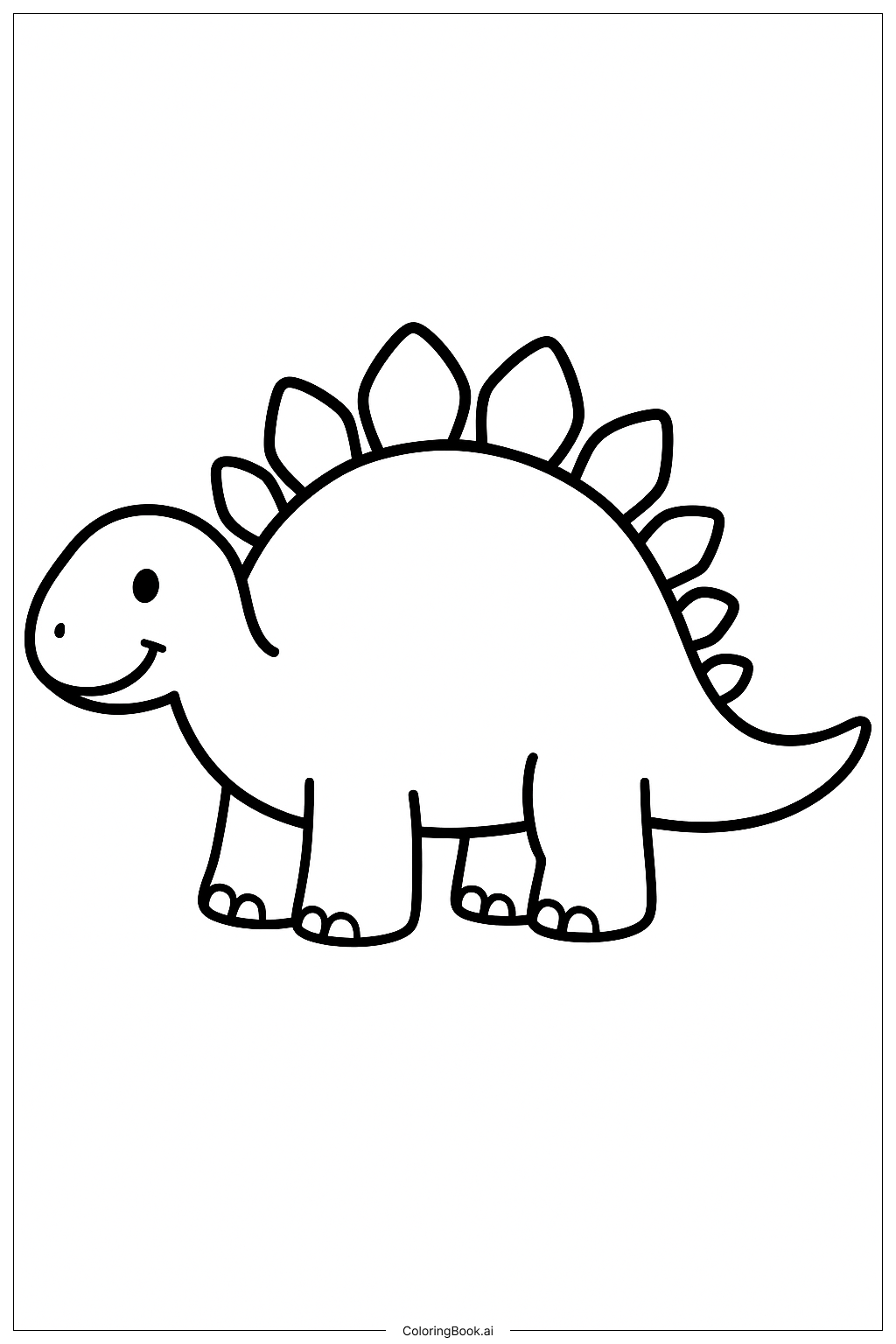
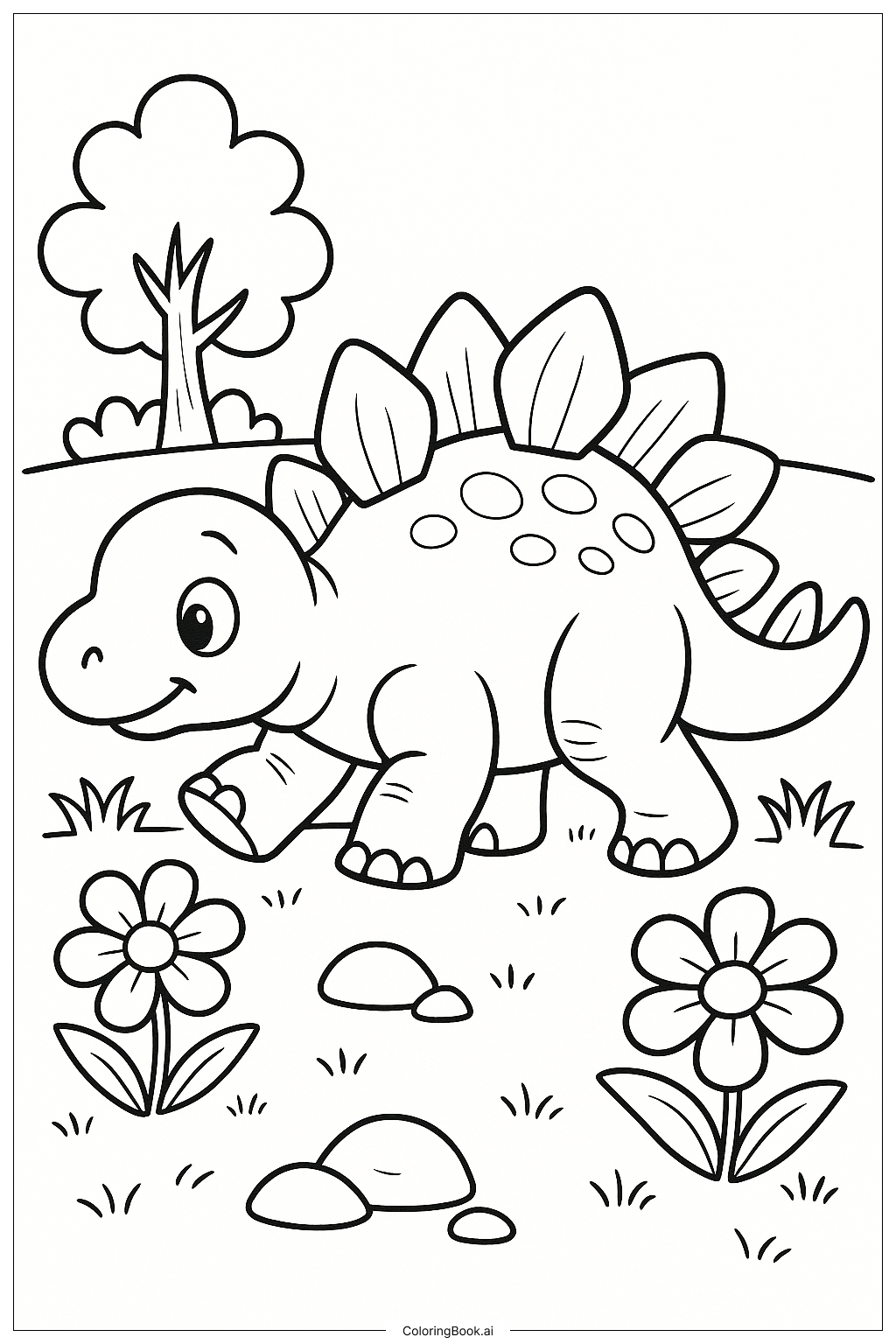
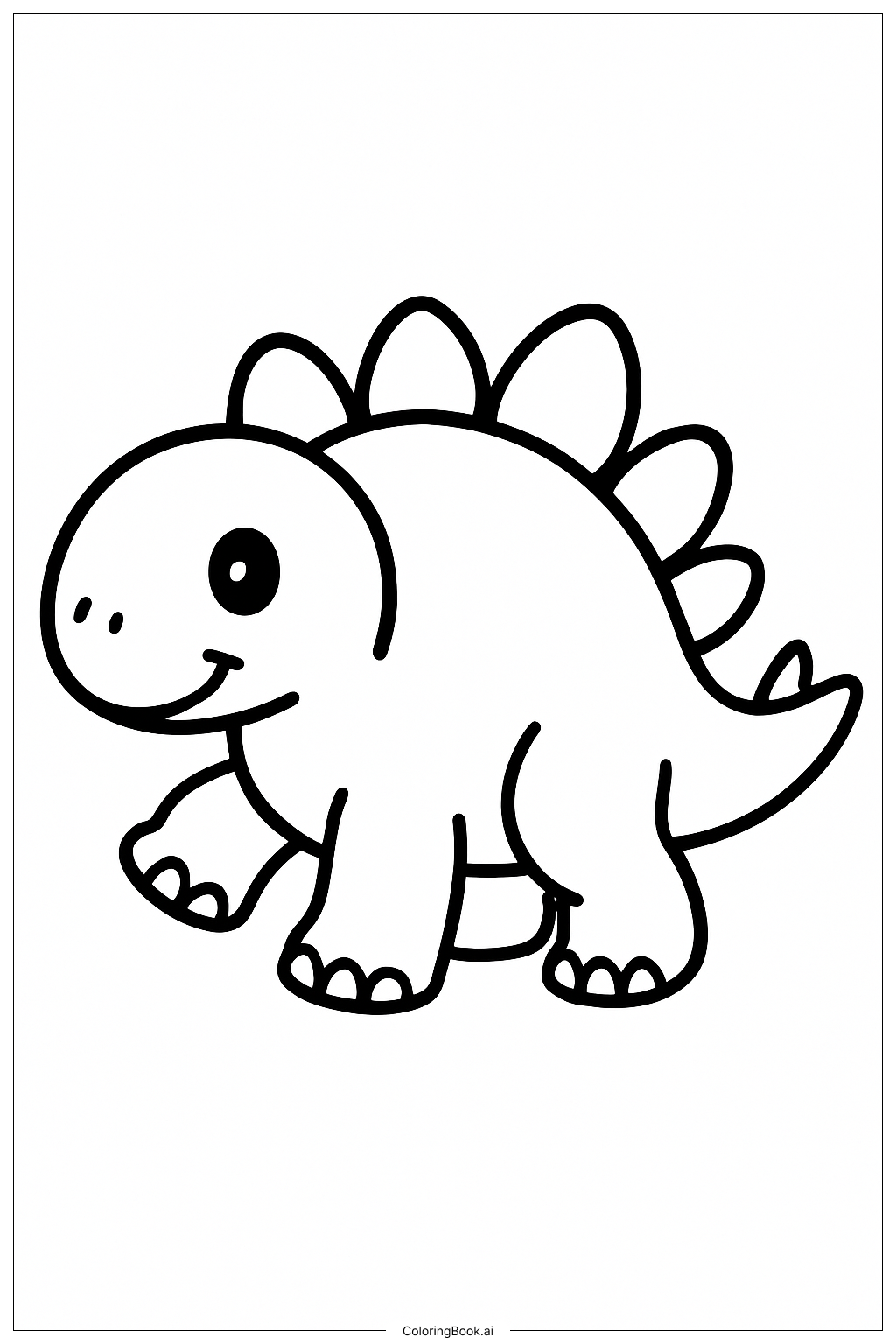
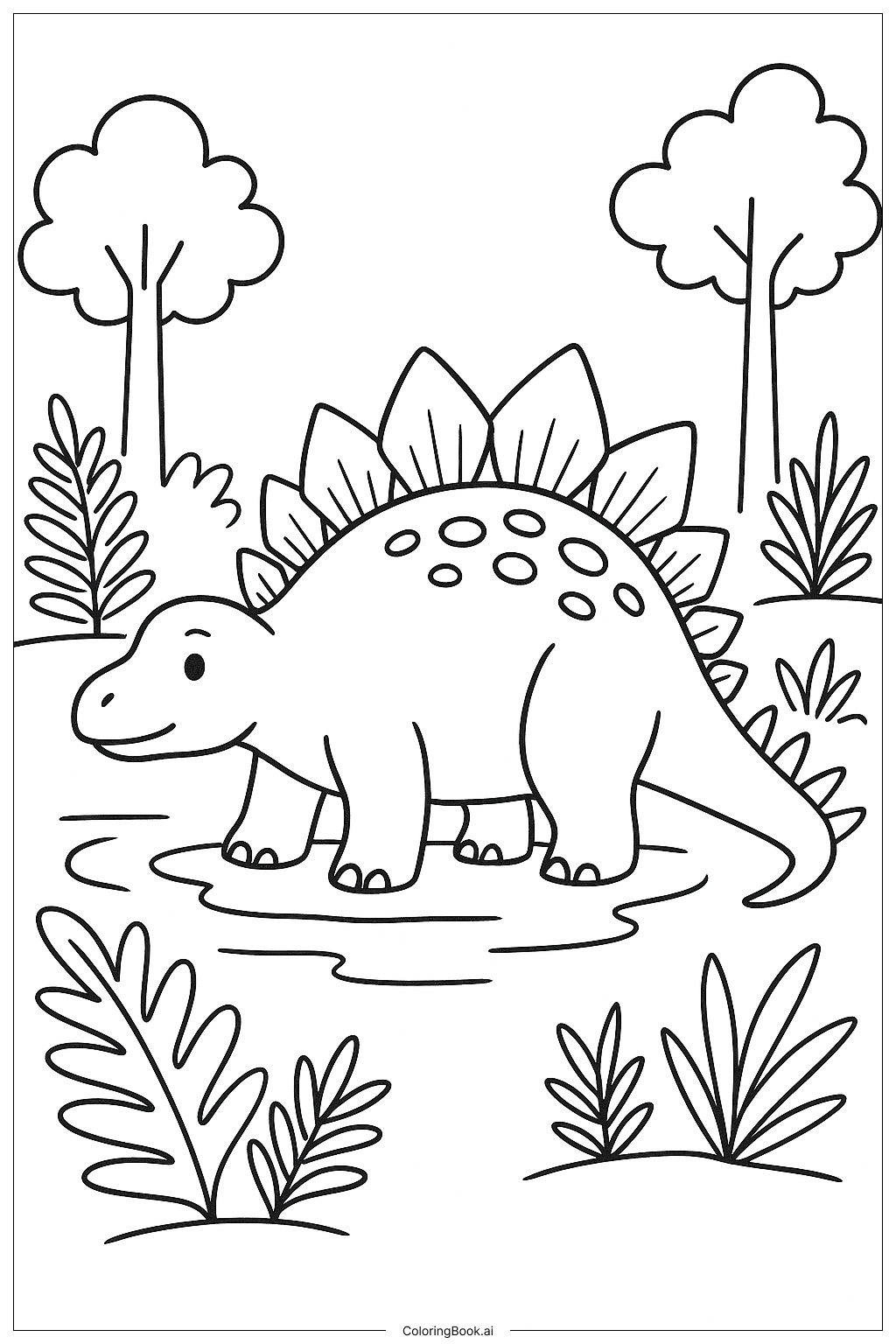
Coloring tips: How to color Stegosaurus Near A Calm Volcano coloring page well?
For the Stegosaurus, try earthy tones like olive green, brown, or gray for the body. The distinctive back plates can be colored in contrasting shades such as orange, red, or bright green to make them stand out. Consider adding gradient effects by blending darker colors at the base and lighter tones toward the tips. For the volcano, use browns and grays for the rocky surface, with darker shades for shadows and crevices. The smoke can be light gray or white with soft shading. Add yellow or orange glows near the crater to suggest warmth. Color the sky with blues, purples, or sunset hues like pink and orange. The foreground rocks can be various shades of brown and gray, while plants can be green with touches of yellow or brown for variety.
Coloring challenges: Which parts are difficult to color and need attention for Stegosaurus Near A Calm Volcano coloring page?
• Plate Shading and Depth: The row of triangular plates along the Stegosaurus back presents a significant challenge because each plate needs individual attention to create a three-dimensional effect. Children must understand how to apply darker colors on one side and lighter colors on the other to show which direction the light is coming from. The overlapping nature of the plates requires careful color transitions to prevent them from looking flat or blending together into one mass.
• Volcano Texture and Distance: Creating realistic volcanic rock texture involves using multiple shades and techniques like stippling or cross-hatching with colored pencils. The challenge increases when showing atmospheric perspective, making the volcano appear distant by using lighter, cooler colors compared to the foreground elements. Young artists may struggle with understanding how objects farther away should look hazier and less detailed than closer objects.
• Body Contours and Muscle Definition: The Stegosaurus body has curves, legs, and a tail that require graduated shading to appear round and solid rather than flat. Identifying where shadows naturally fall under the belly, between the legs, and along the neck demands spatial reasoning. Maintaining consistent light source direction throughout the entire dinosaur body challenges even intermediate colorists.
• Smoke and Atmospheric Effects: The volcano smoke requires a delicate touch to appear soft and translucent rather than solid. Blending white or light gray smoothly while leaving some areas lighter than others creates realistic wisps. This soft blending technique differs from the bold coloring used elsewhere and may frustrate children accustomed to staying within lines with solid colors.
Benefits of coloring books: Advantages of drawing Stegosaurus Near A Calm Volcano coloring page
Coloring this Stegosaurus scene offers excellent educational benefits by sparking curiosity about dinosaurs, volcanoes, and prehistoric life. Children naturally ask questions about when dinosaurs lived, what they ate, and how volcanoes work, making this an engaging starting point for learning. The complex details develop fine motor skills and hand-eye coordination as young artists carefully color within the lines of the plates, rocks, and volcanic features. Working with the various textures—smooth dinosaur skin, rough volcanic rock, and soft smoke—encourages experimentation with different coloring techniques and pressure levels. This page also teaches color theory as children decide which colors make the dinosaur stand out against the background and how to create depth. Completing this detailed scene builds patience, focus, and confidence while providing a sense of accomplishment.