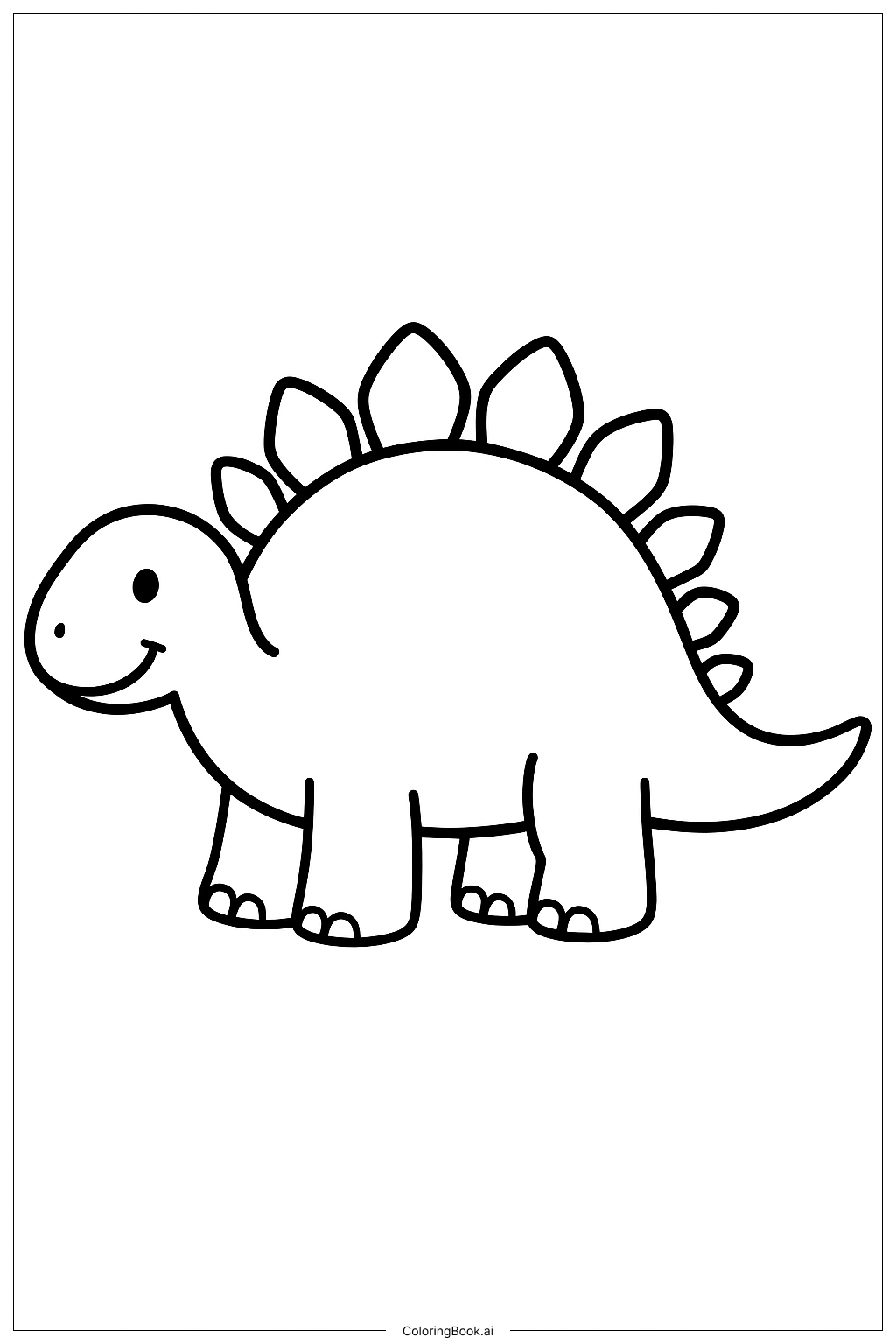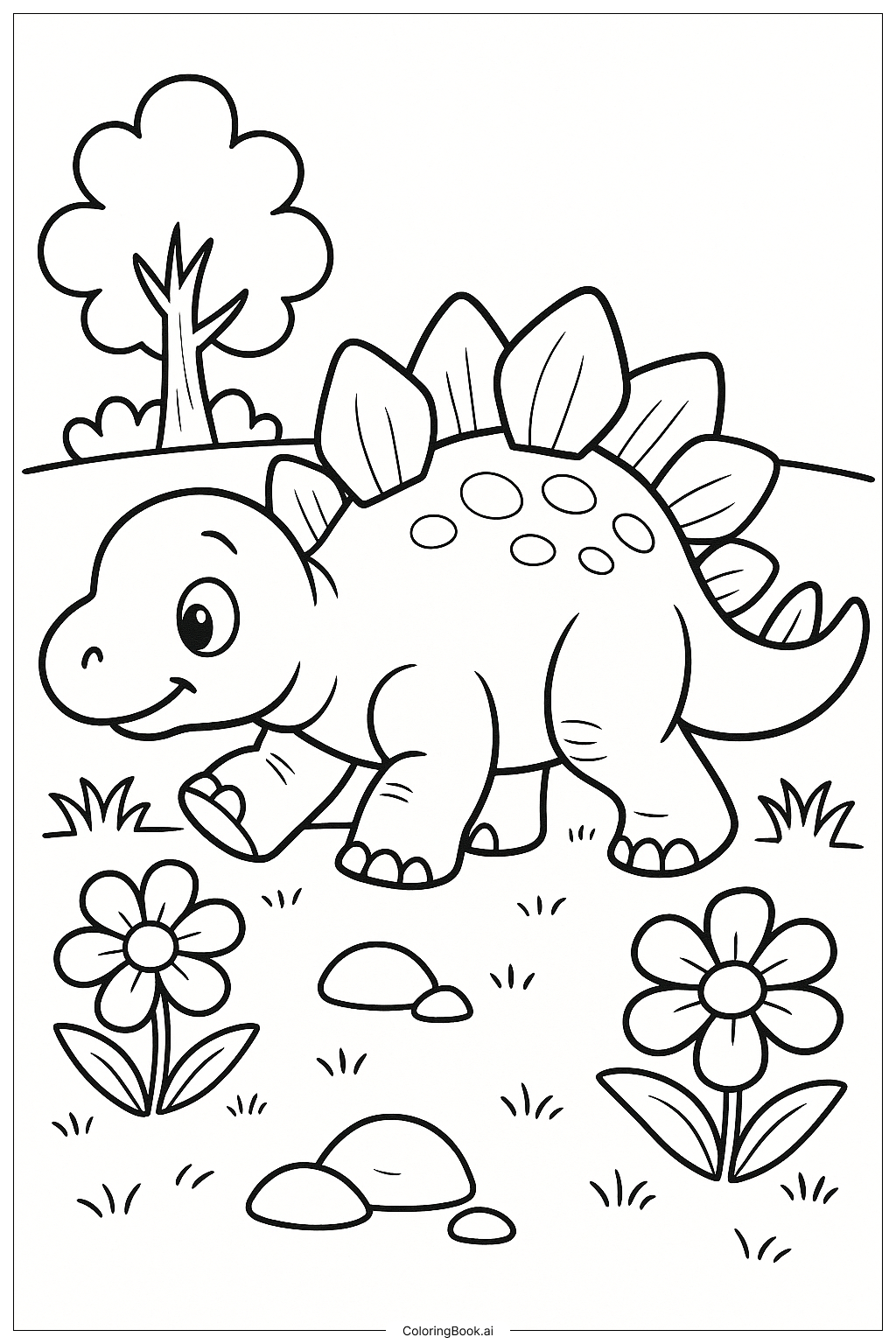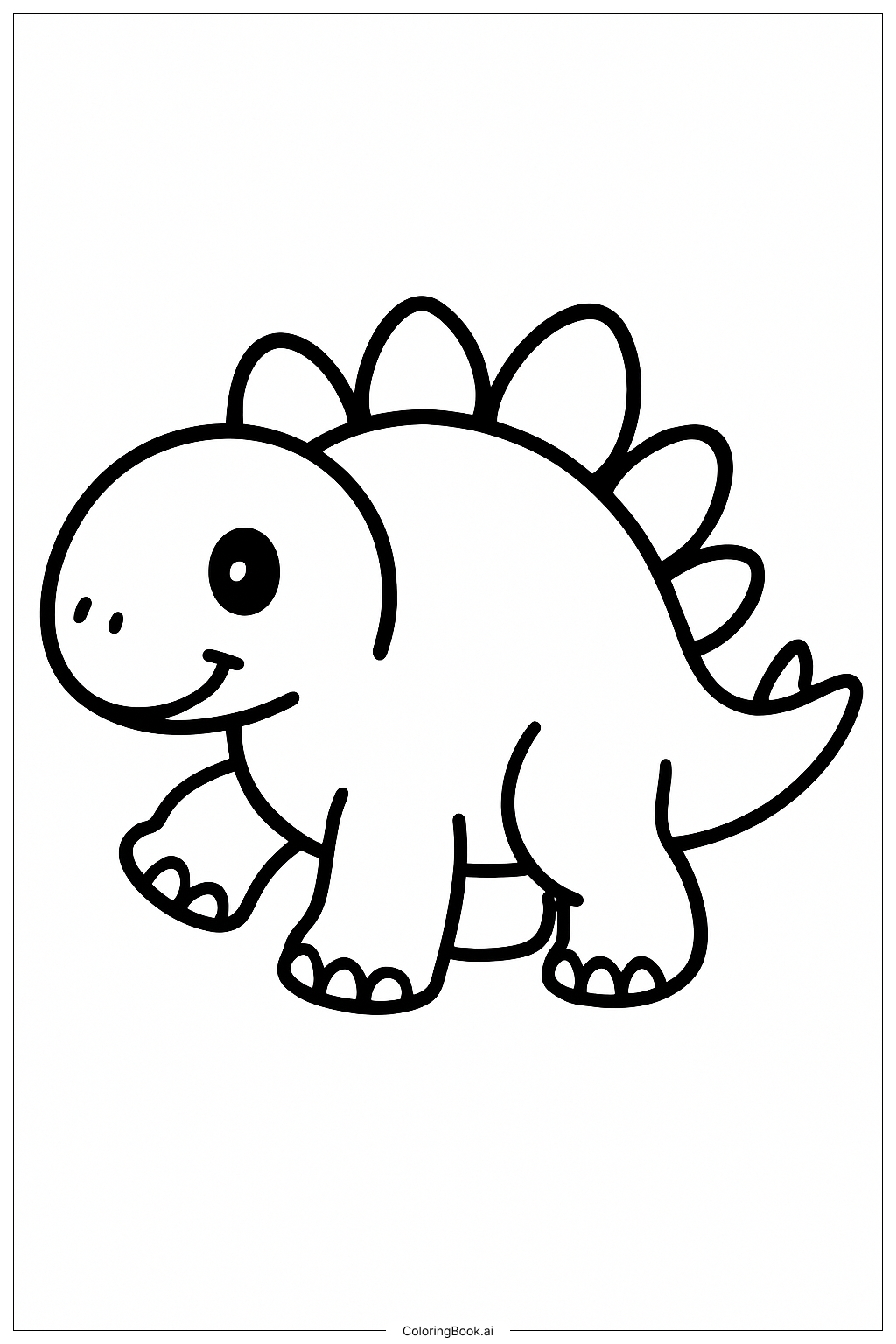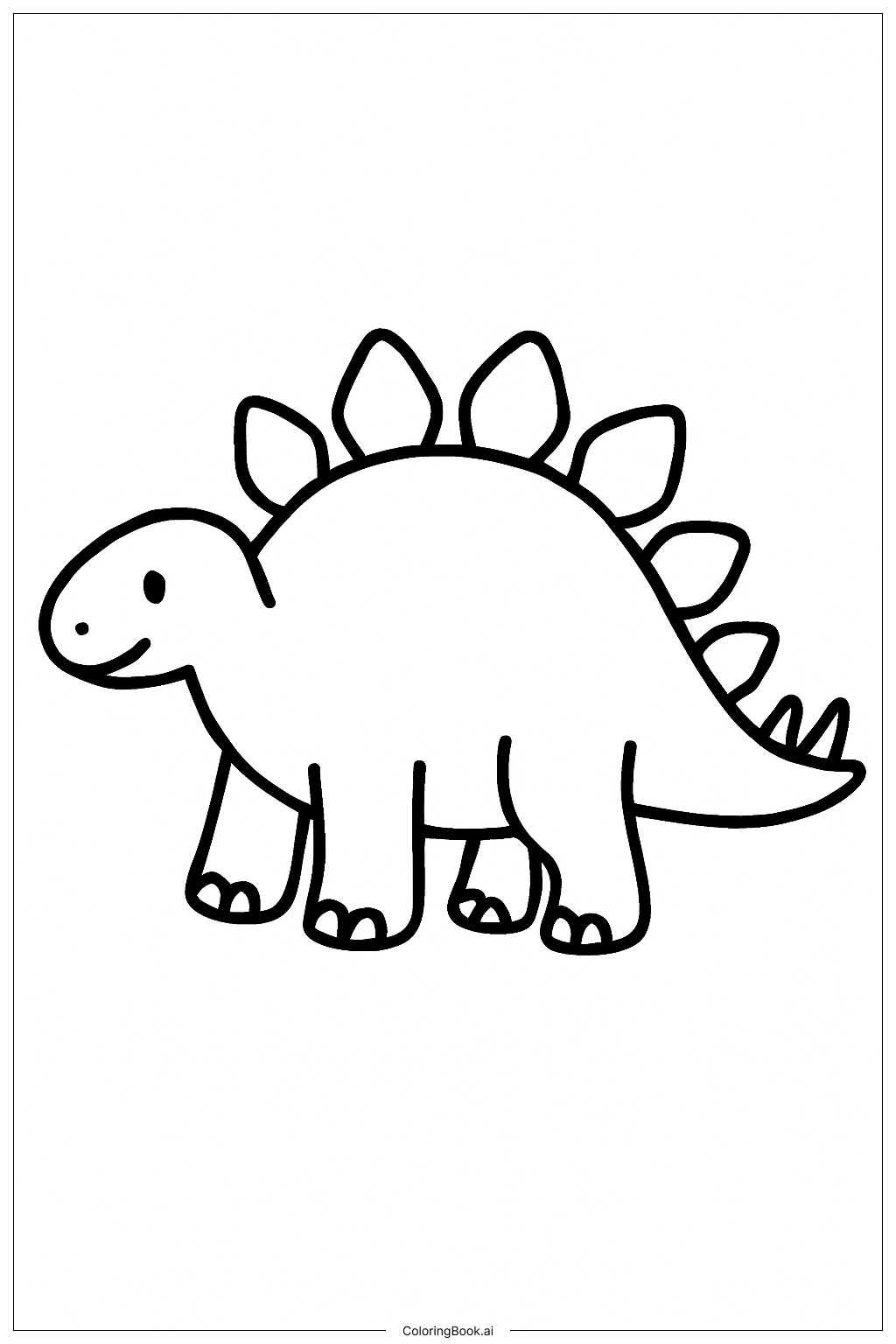
Coloring tips: How to color Stegosaurus In A Prehistoric Swamp coloring page well?
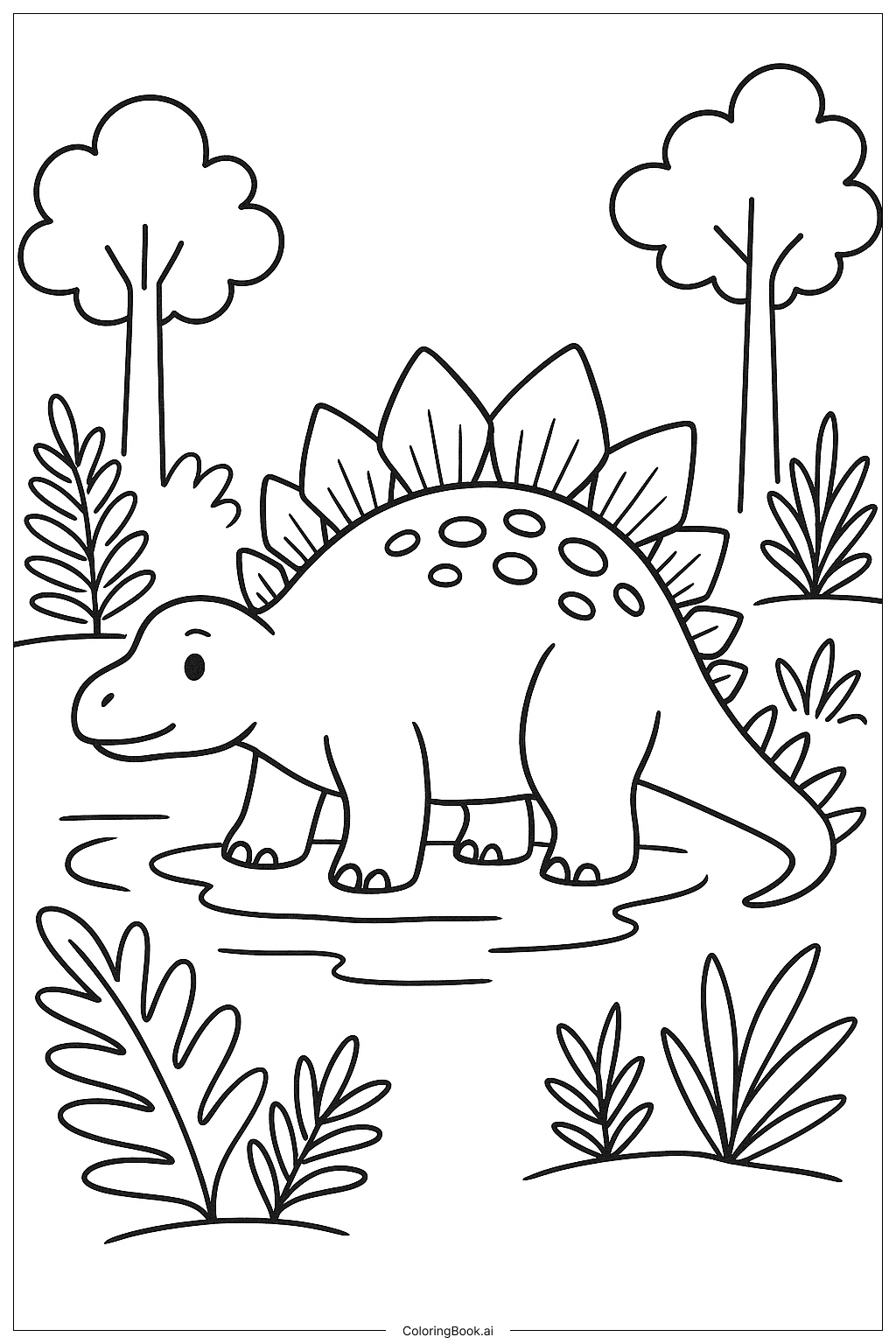
Start with the Stegosaurus body. Use a medium green or olive brown for the main skin, adding darker shades along the back and belly for depth. The back plates are a highlight — try warm oranges, reds, or even purples to make them pop. Scientists believe these plates may have been colorful for display. Use dark gray or tan for the spiky tail tips. For the swamp water, choose murky greens and muddy browns. The plants around the dinosaur can be many shades of green — mix dark forest green, bright lime, and yellow-green for variety. Add earthy browns to the mud and logs. Use soft grays or light blues for the misty background sky. Dragonflies can be painted in bright teals or blues to add contrast. Take your time layering colors for a rich, lively scene.
Coloring challenges: Which parts are difficult to color and need attention for Stegosaurus In A Prehistoric Swamp coloring page?
• Back Plate Shading: The Stegosaurus has a long row of large, overlapping bony plates running down its back. Each plate has a slightly different angle and size. Coloring each one individually while keeping them looking consistent and natural is tricky. You need to blend light and shadow carefully so the plates look rounded and three-dimensional rather than flat.
• Skin Texture and Depth: The dinosaur's body is large and bumpy. To make the skin look realistic, you need to layer multiple shades of the same color family. Leaving highlights on raised areas and adding darker tones in creases or under the belly takes patience and a steady hand.
• Swamp Water Reflection: The murky water surrounding the dinosaur needs to look wet and murky. Mixing greens, browns, and dark blues while suggesting movement and reflections on the surface is challenging. It is easy for the water to look too flat or too similar to the surrounding mud.
• Dense Vegetation Detail: The scene includes many overlapping leaves, ferns, reeds, and plants. Each plant shape is slightly different. Keeping the colors varied so one plant does not blend into another requires careful planning. Using different shades of green and adding small yellow or brown accents helps separate each element.
• Atmospheric Mist and Background: The prehistoric swamp has a hazy, misty feel in the background. Creating this soft depth effect — where distant trees and plants look lighter and less detailed — requires gentle blending and restraint when applying color, which can be difficult for younger colorists.
Benefits of coloring books: Advantages of drawing Stegosaurus In A Prehistoric Swamp coloring page
Coloring this Stegosaurus scene offers a wonderful mix of fun and learning for kids and older colorists alike. As you fill in the dinosaur's body and spiked plates, you practice color mixing and shading skills that build real artistic confidence. Choosing colors for the prehistoric swamp encourages creative thinking, since no one knows exactly what these ancient landscapes truly looked like — your imagination is the guide.
Working through the many layers of plants, water, and the dinosaur itself builds patience and focus. Finishing a detailed scene like this gives a strong sense of accomplishment. For younger children, staying within the lines and controlling a pencil or crayon helps develop fine motor skills and hand-eye coordination.
Learning about the Stegosaurus while coloring also sparks curiosity about science and natural history. Kids often ask questions about why the dinosaur has those big back plates or what it ate, turning a fun activity into a learning moment. For older colorists, the scene is a relaxing way to unwind, reduce stress, and practice blending techniques. Overall, this page offers creativity, calm, and discovery all in one sitting.