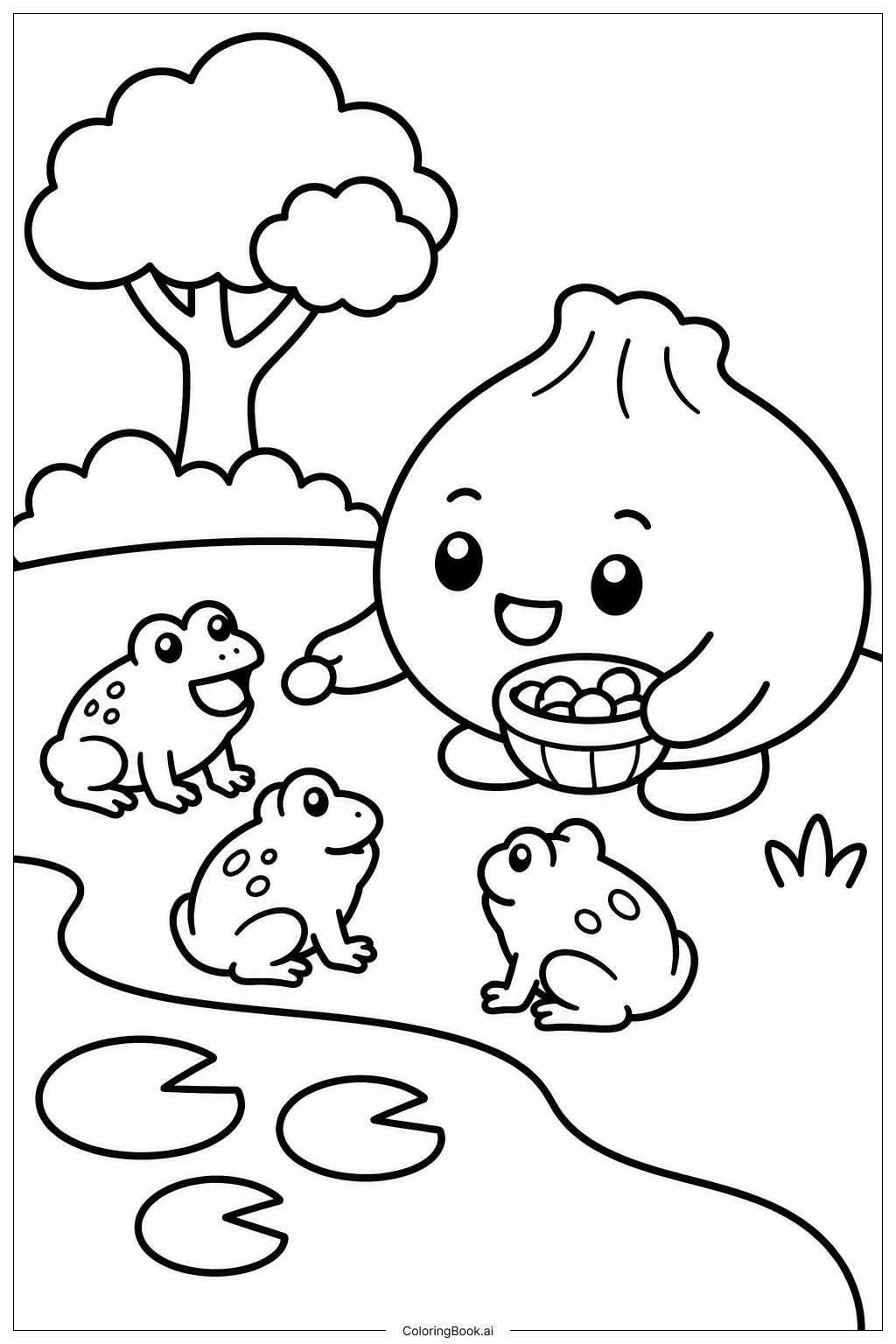
Coloring tips: How to color Squishy Dumpling At Pond coloring page well?
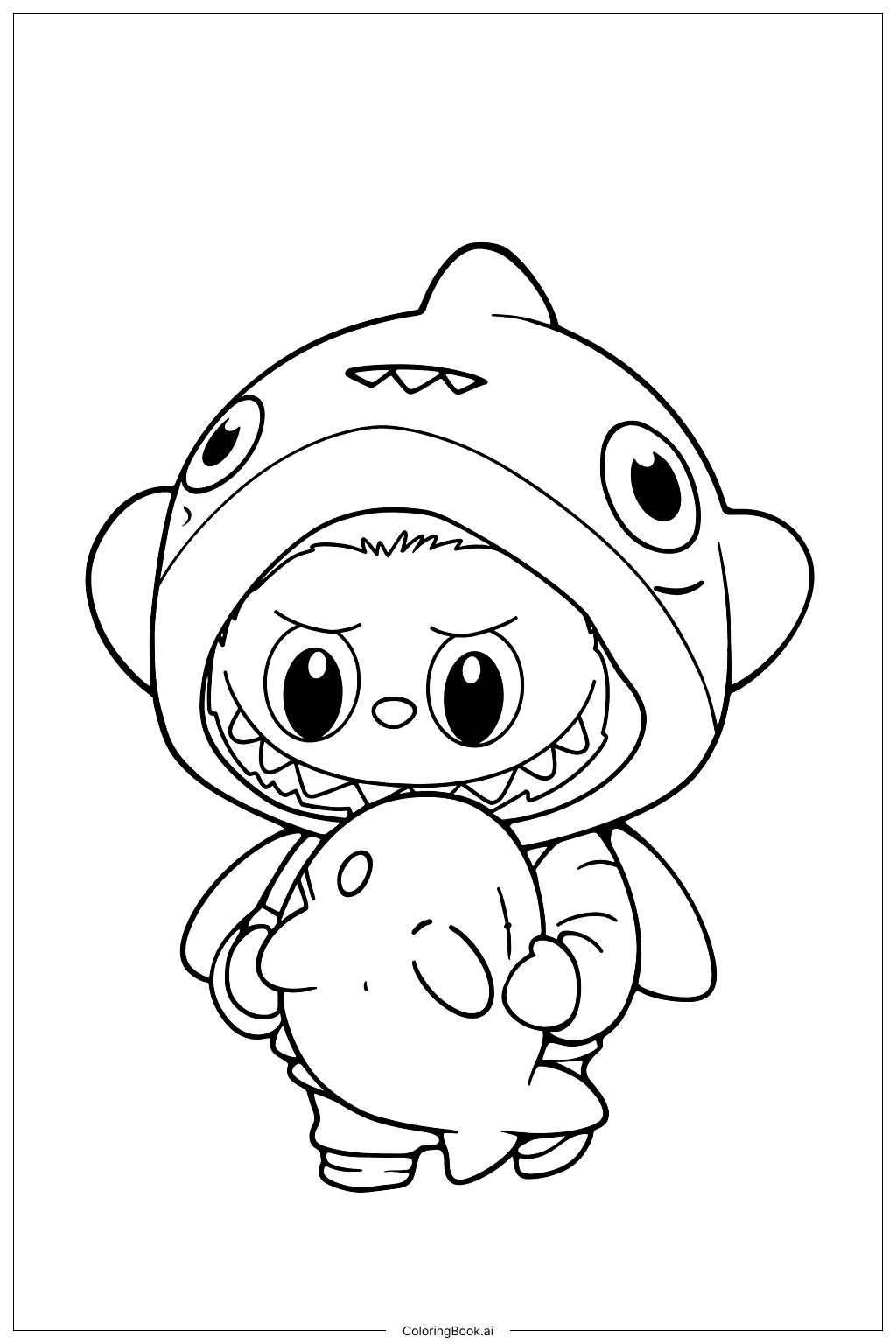
For this image, you can use soft pastels or bright crayons to bring Squishy Dumpling and the pond to life. Try using light pink or beige tones for Squishy Dumpling’s body to give a squishy, soft look. The pond water can be colored in different shades of blue and green to create a natural watery effect. Use green shades for the grass and reeds, and add pops of color to the lily pads, like yellow or white for the flowers. The sky can be a gentle blue with fluffy white clouds. Feel free to add your own designs on Squishy Dumpling or some colorful fish in the pond to make the picture even more lively.
Coloring challenges: Which parts are difficult to color and need attention for Squishy Dumpling At Pond coloring page?
• Small Details: The ripples on the water and the delicate lily pads require careful coloring to keep the image neat and clear. Staying inside these tiny shapes can be tricky for younger children.
• Texture: Squishy Dumpling’s soft, squishy body needs smooth shading to look three-dimensional. Achieving this gradient effect can be challenging.
• Overlapping Elements: The grass and reeds overlap with the pond and Squishy Dumpling, so color layering should be done thoughtfully to avoid mixing colors unintentionally.
• Color Choices: Balancing natural colors for the pond and surroundings while making Squishy Dumpling stand out requires making good color contrasts.
• White Space: Leaving the clouds and water reflections white or lightly shaded takes patience to maintain the delicate light effects in the scene.
Benefits of coloring books: Advantages of drawing Squishy Dumpling At Pond coloring page
Coloring this image helps children develop fine motor skills by encouraging them to stay inside small spaces and blend colors smoothly. It sparks creativity by allowing them to experiment with natural colors and patterns in nature, such as water, plants, and clouds. The peaceful theme also promotes mindfulness and calmness, giving kids a quiet moment to focus and relax. Learning to color overlapping shapes and soft textures improves hand-eye coordination and patience. Overall, it is an enjoyable activity that supports artistic growth and a deeper appreciation for nature.