Coloring tips: How to color Spain Flag Badge coloring page well?
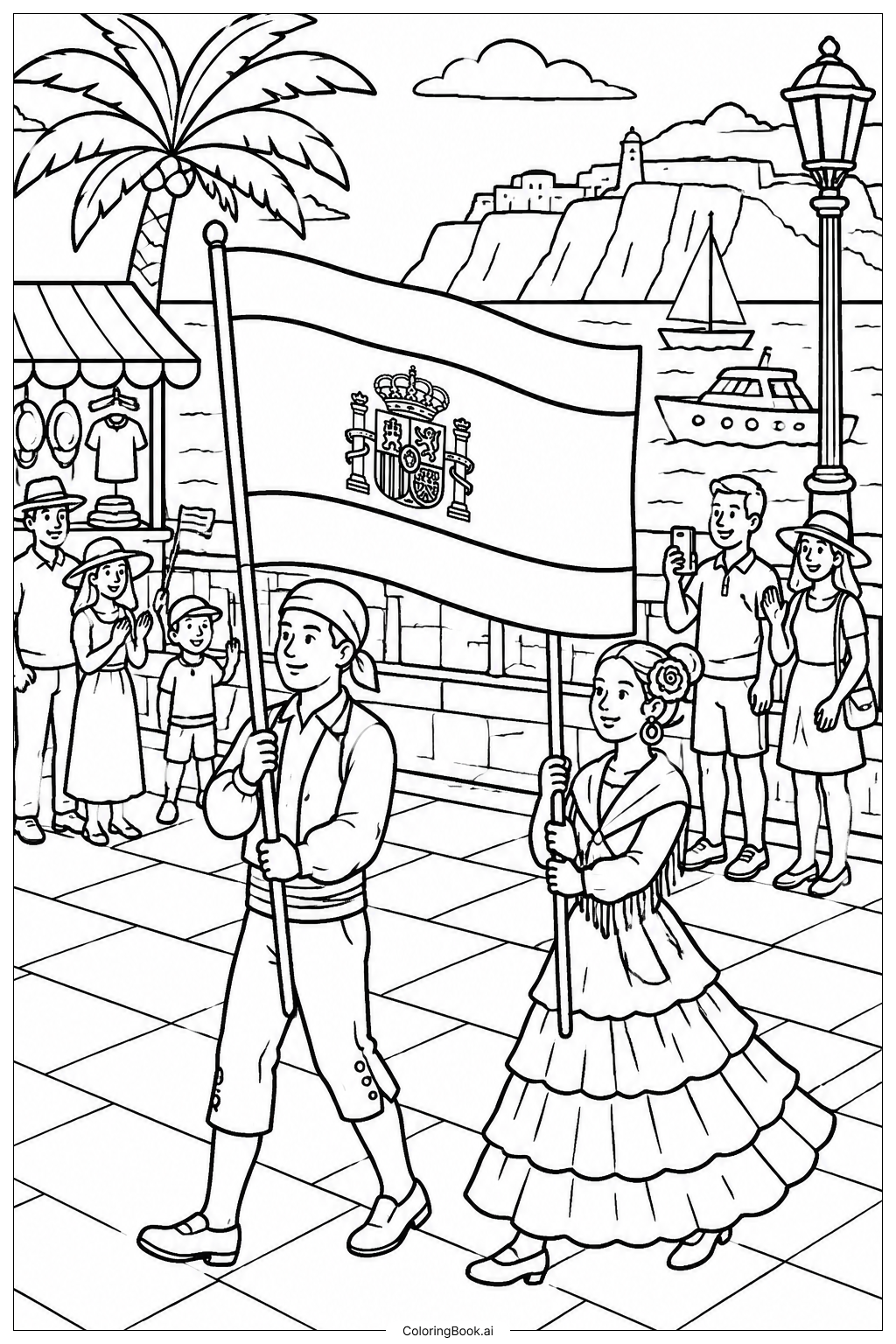
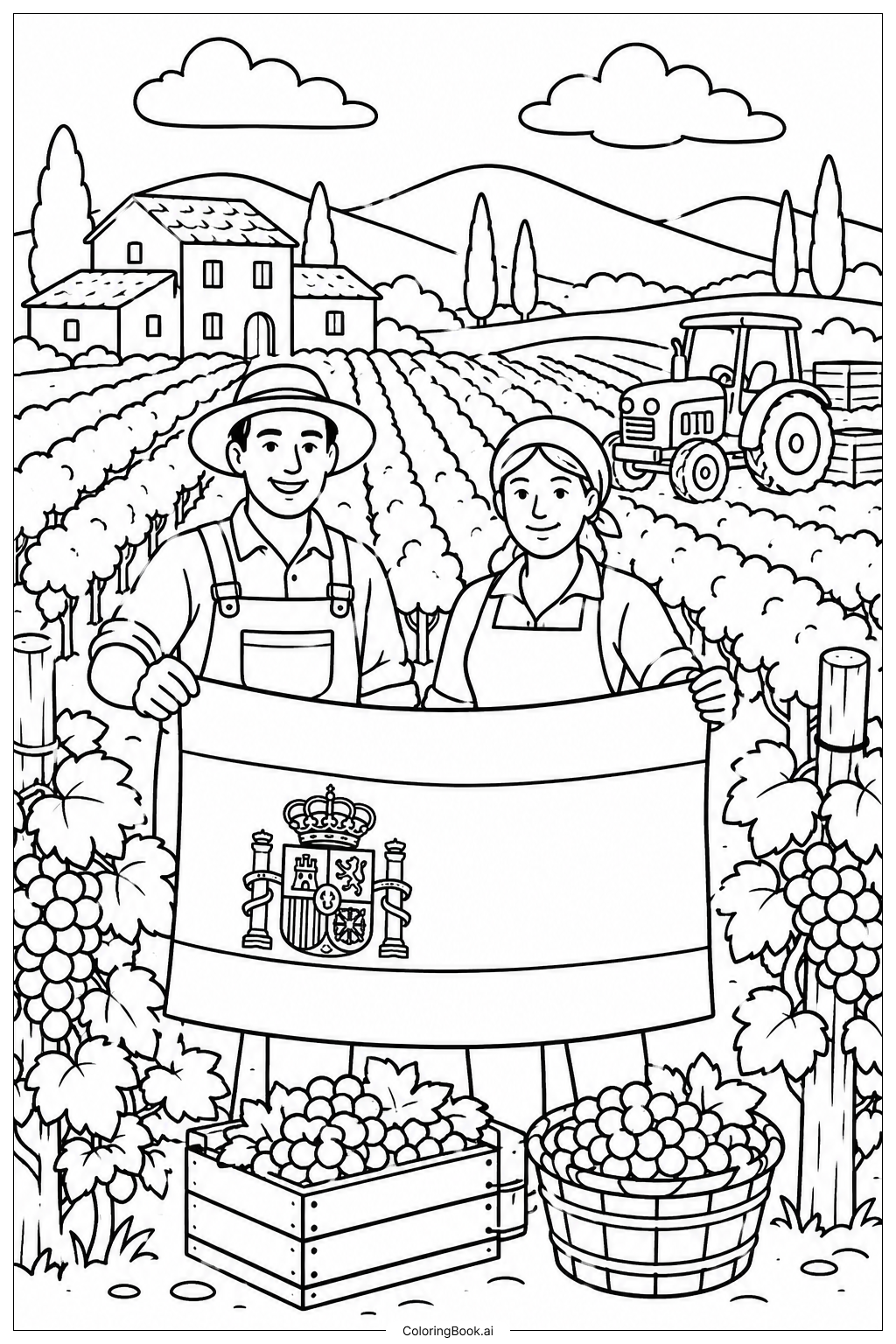
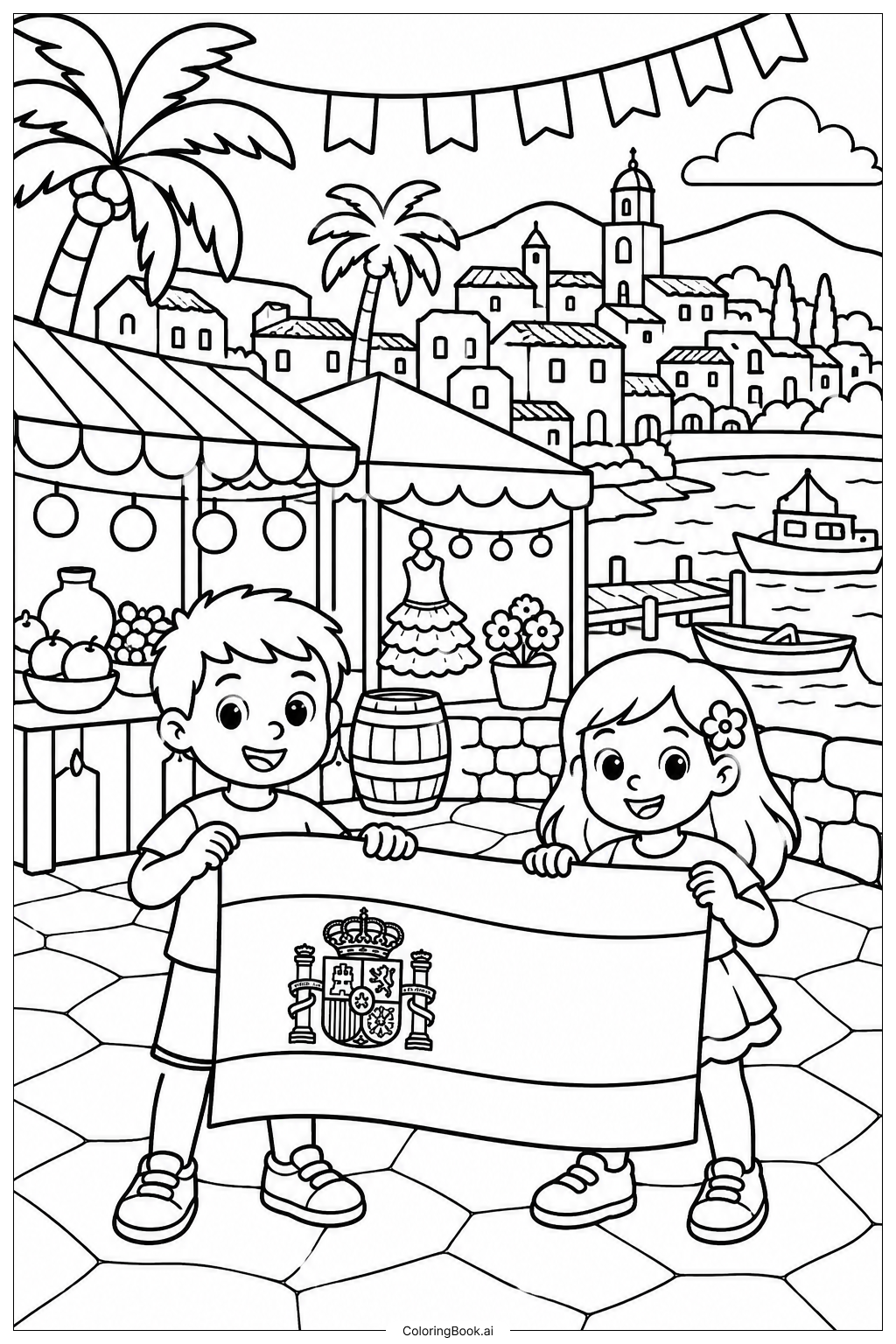
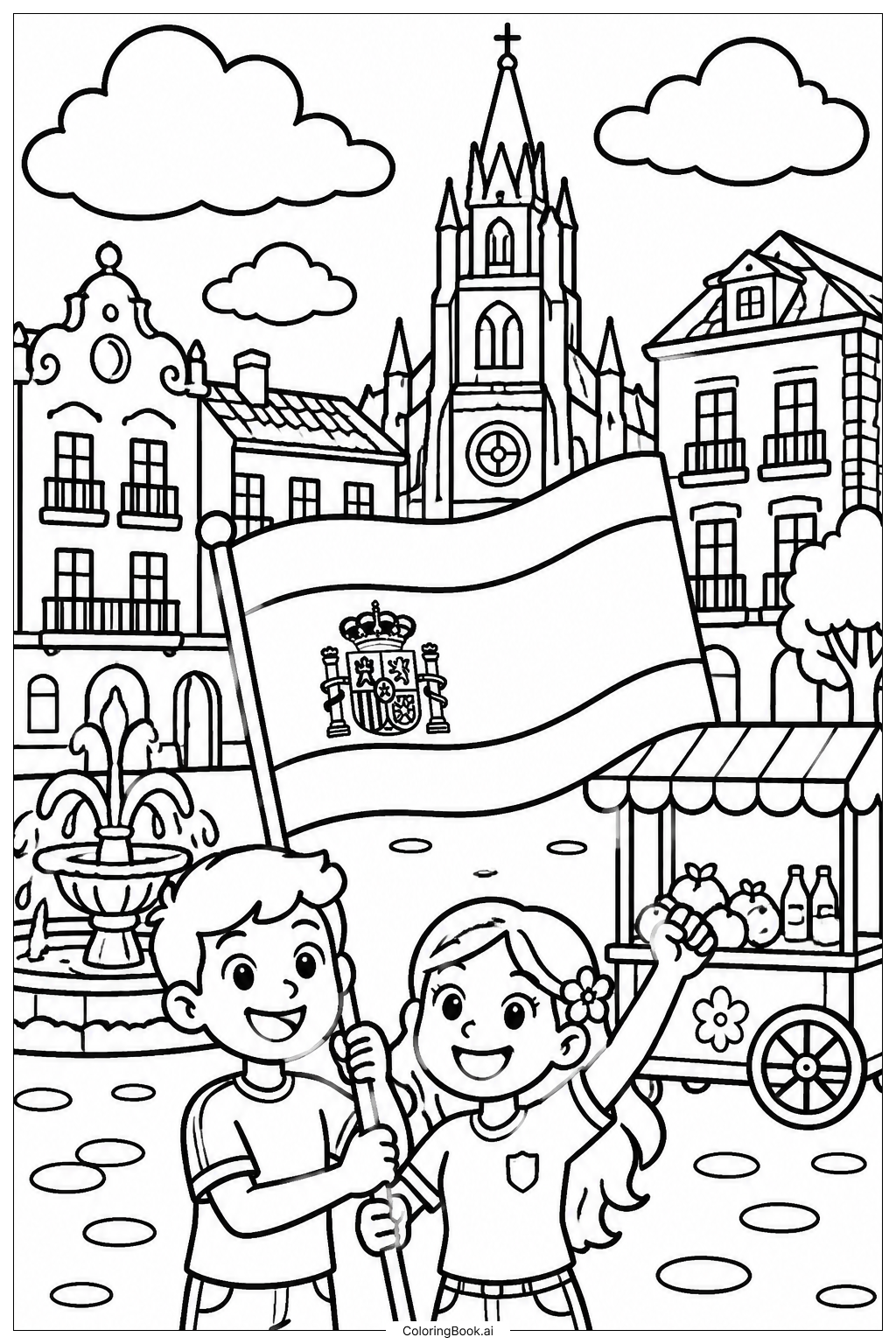
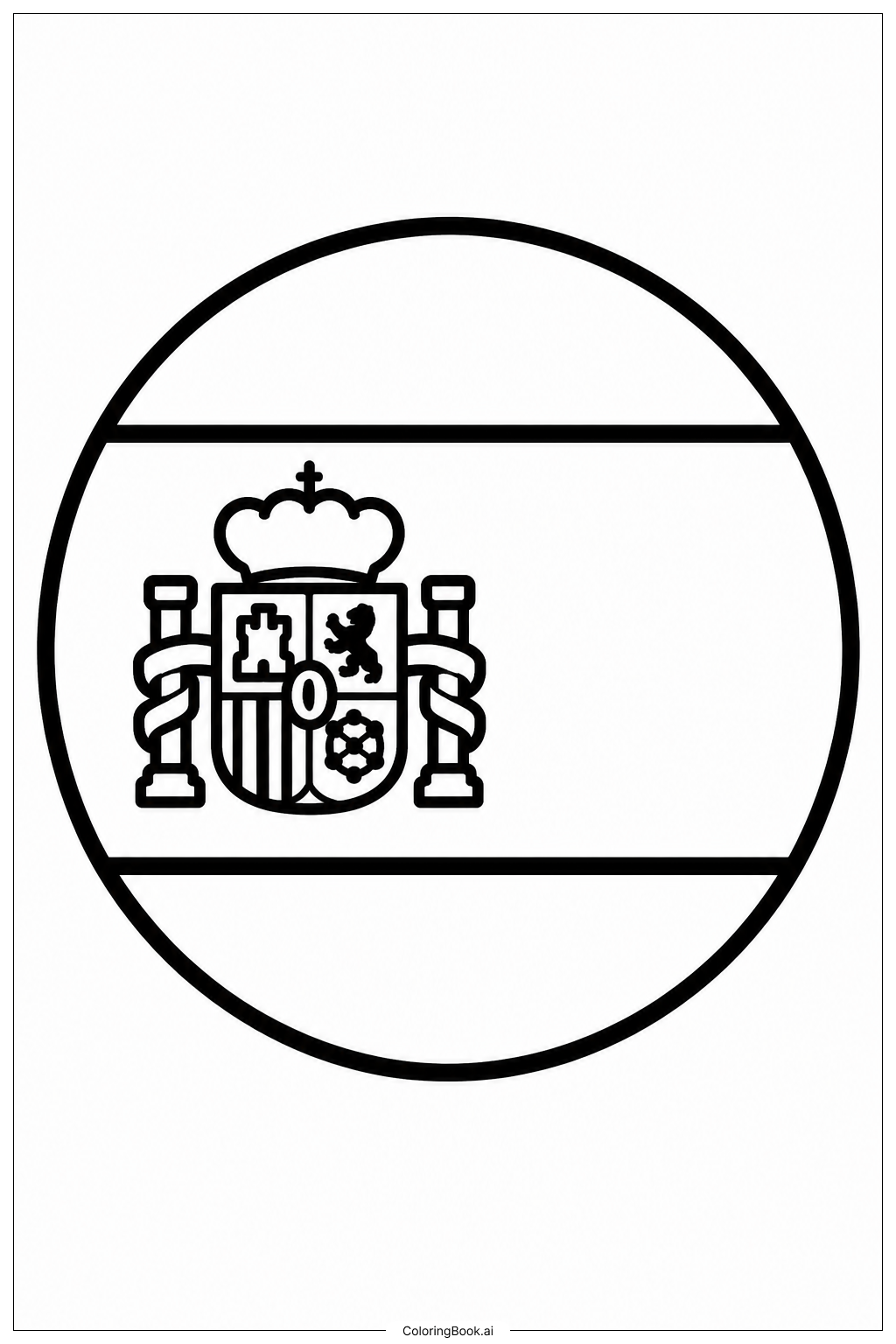
Start with the largest areas first. Color the top and bottom stripes red. Fill the wide middle stripe yellow or golden. These three colors are the heart of the Spain Flag. Next, move to the coat of arms in the center. Use deep red and gold for the shield sections. The two pillars can be colored gold or sandy brown. Add purple or blue accents to the small details inside the shield. For the badge border, try a dark gold or bronze tone to make it look official. Use a fine-tipped colored pencil or marker for the small details. Take your time with the heraldic symbols — they are small but important. Younger kids can keep it simple with just red, yellow, and gold. Older kids can try shading to give the badge a raised, three-dimensional look.
Coloring challenges: Which parts are difficult to color and need attention for Spain Flag Badge coloring page?
• Coat of Arms Complexity: The coat of arms in the center of the badge contains many small symbols, including a crowned shield, castles, lions, and decorative scrollwork. These tiny details are hard to color neatly, especially for younger children. A fine-tipped tool is strongly recommended to stay within the lines.
• Color Accuracy for the Flag Stripes: The Spain Flag uses a specific shade of red and a golden yellow. Matching these colors accurately can be tricky. Using too bright a yellow or too dark a red may make the flag look less authentic. Try to find colors close to the traditional Spanish national palette.
• The Pillars of Hercules: The two columns flanking the coat of arms have their own decorative details, including banners and bases. Coloring each pillar evenly and adding depth without muddying the design requires a steady hand and careful color layering.
• Badge Border and Frame: The outer frame of the badge has a slightly ornate shape. Keeping the border color separate from the flag stripes and the background requires careful attention to boundaries. Using a light outline technique before filling in color can help prevent bleeding between sections.
• Shading and Dimension: For older or more experienced colorists, adding shading to give the badge a three-dimensional, embossed look is a rewarding challenge. Blending light and shadow on curved surfaces like the shield and pillars takes practice and patience to achieve a polished result.
Benefits of coloring books: Advantages of drawing Spain Flag Badge coloring page
Coloring this Spain Flag Badge page offers a wide range of benefits for children and learners of all ages. First, it builds fine motor skills. Staying within the detailed lines of the coat of arms and badge frame strengthens hand control and pencil grip. Second, it teaches history and culture. As kids color the flag stripes and heraldic symbols, they naturally learn about Spain's national identity, its colors, and what those symbols represent. This turns a fun activity into a mini geography and history lesson. Third, it improves focus and patience. The badge contains both large simple areas and small intricate details, so colorists must switch between broad strokes and careful precision. This trains concentration. Fourth, it encourages creativity. While the flag has traditional colors, children can experiment with shading, highlighting, and background choices to make the page their own. Finally, completing a detailed coloring page like this builds a sense of accomplishment and pride. It is a satisfying project that produces a finished piece worth displaying. Whether used at home, in a classroom, or as part of a cultural studies unit, this Coloring Page is both educational and enjoyable.