Coloring tips: How to color Spain Flag Vineyard Scene coloring page well?
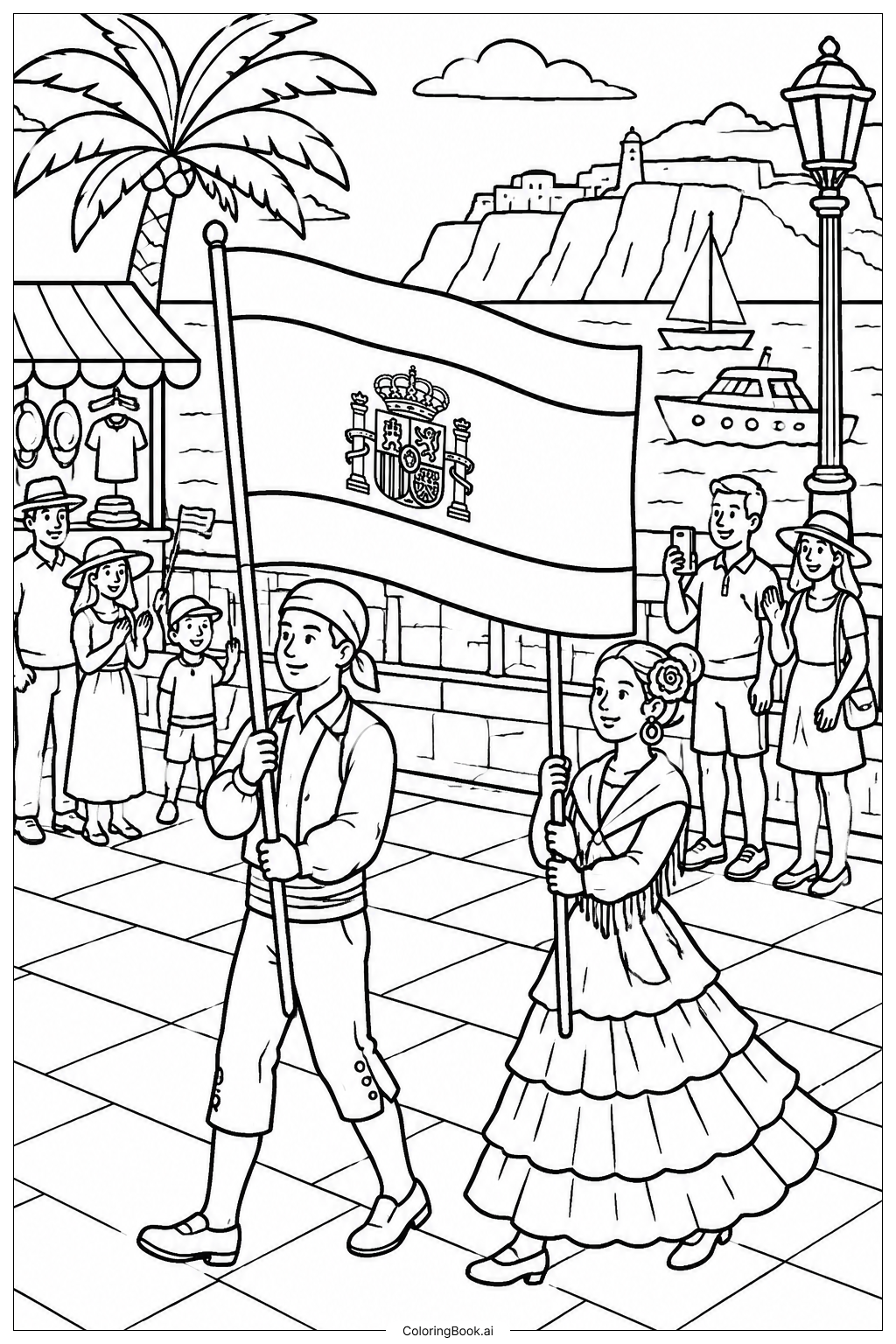
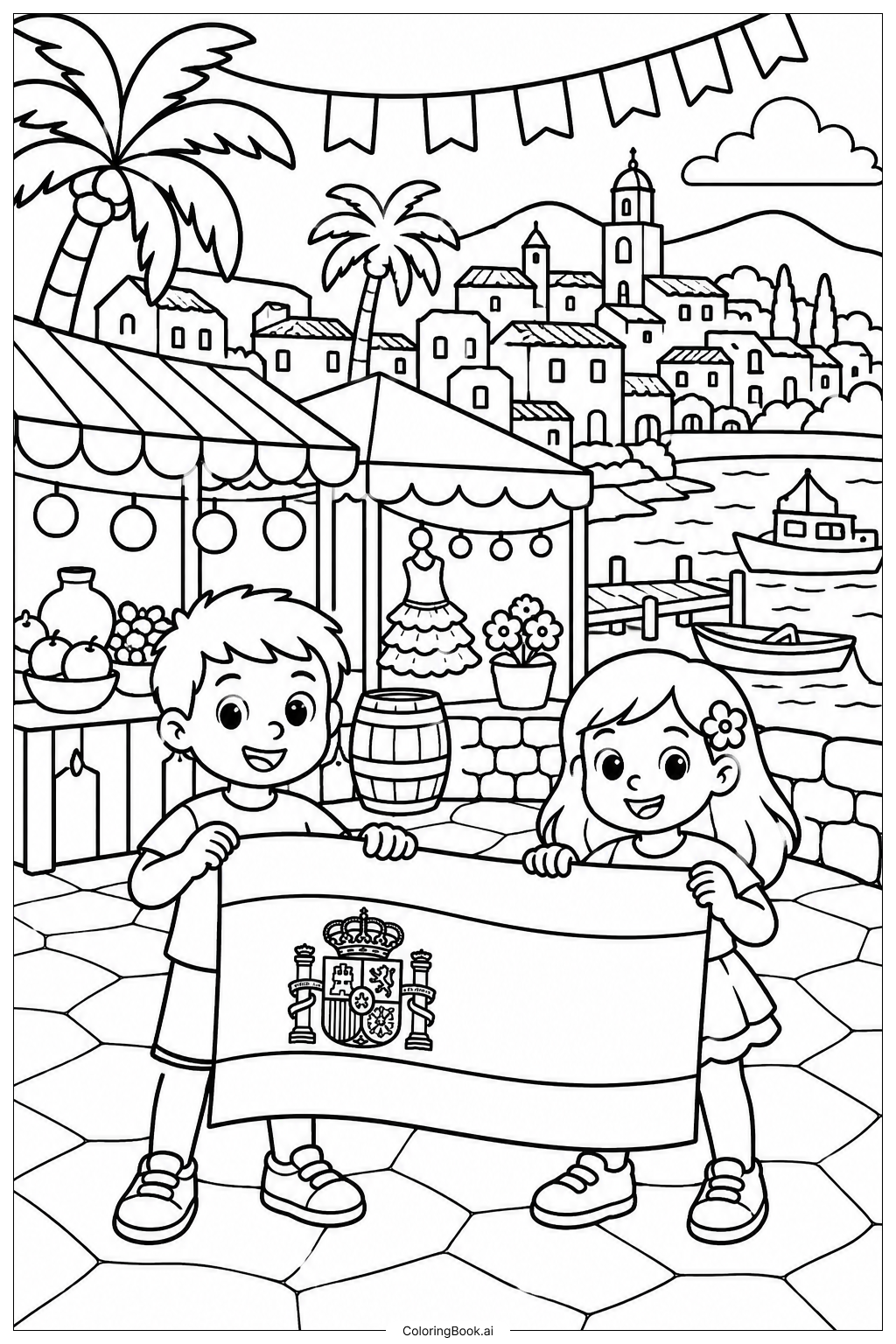
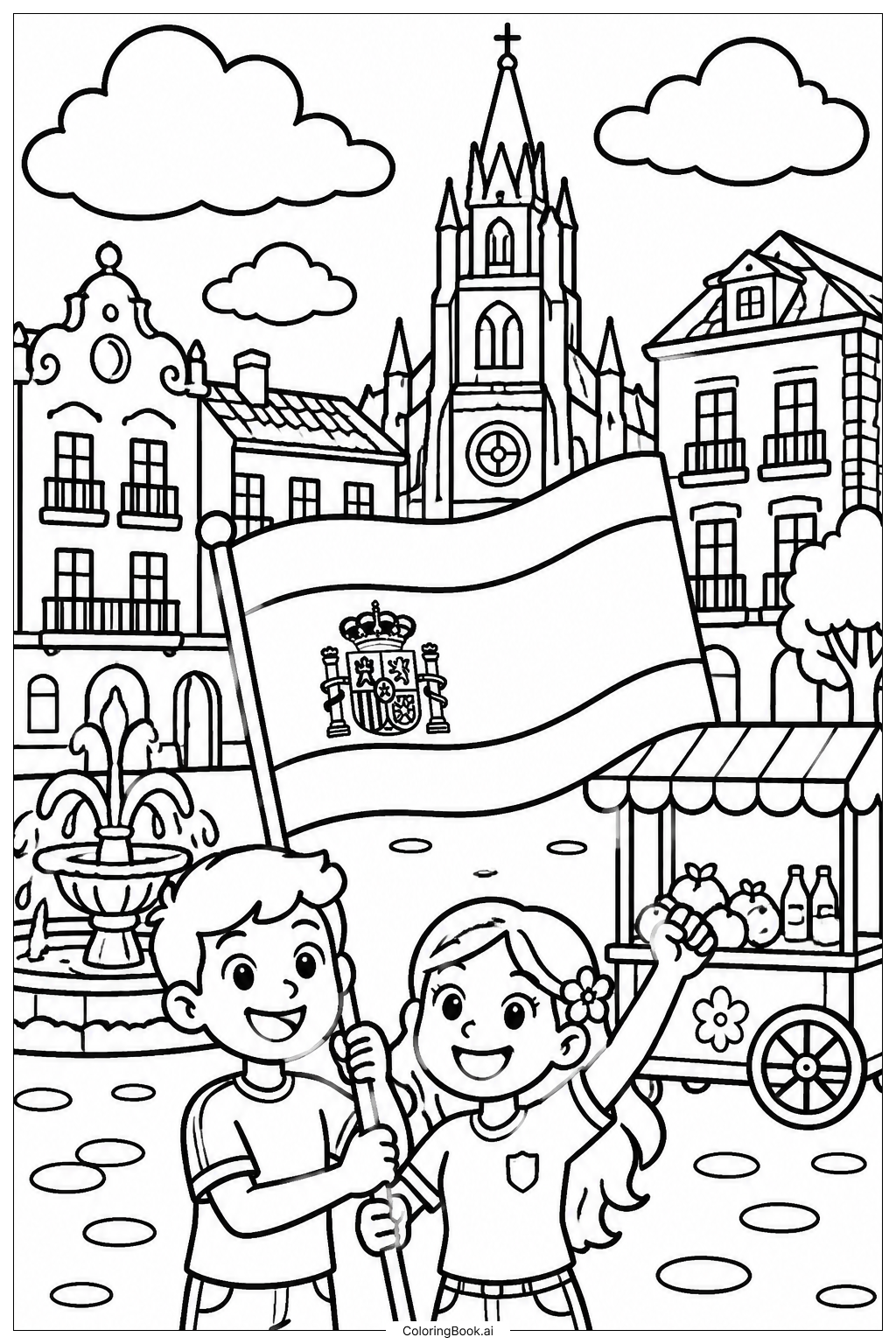
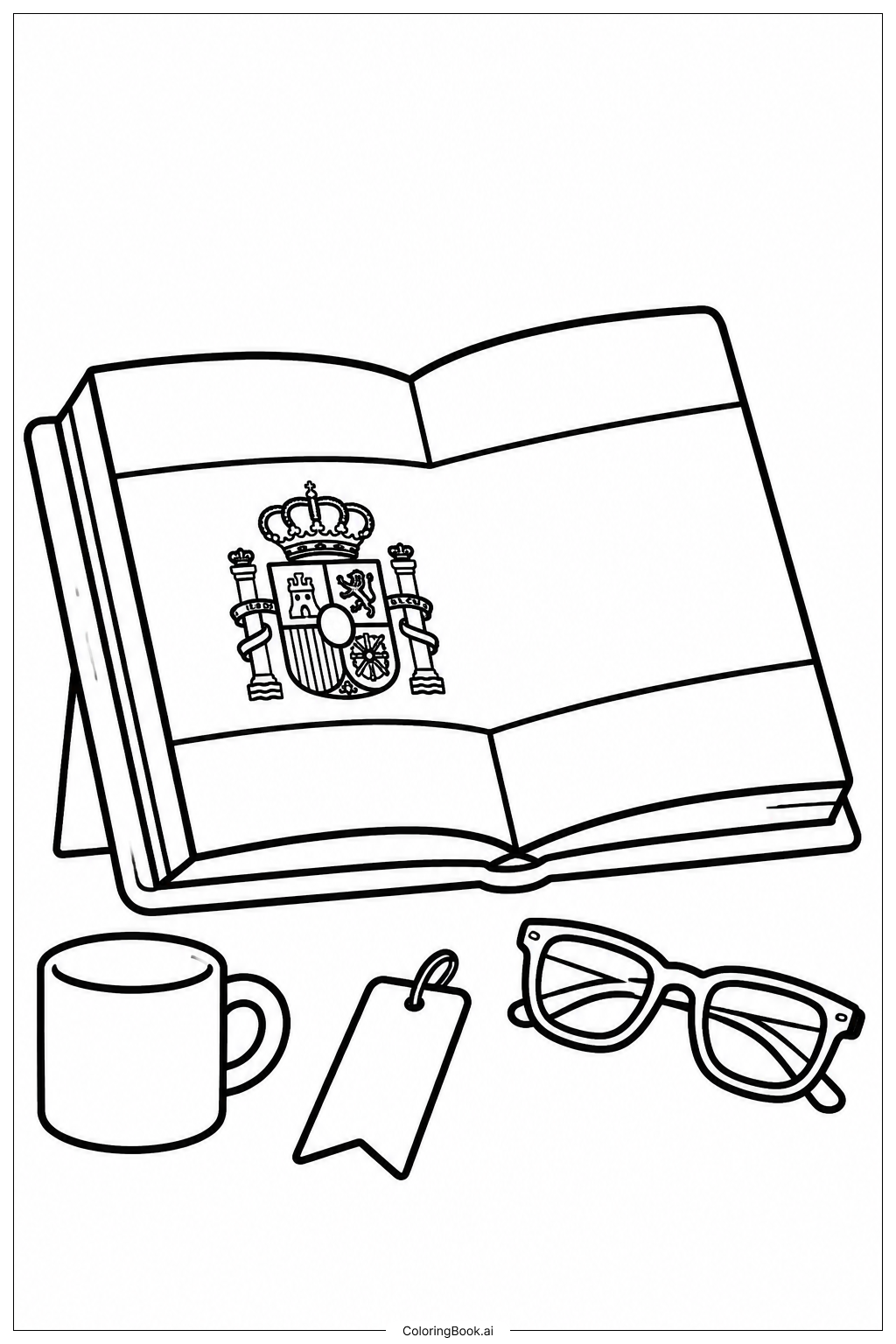
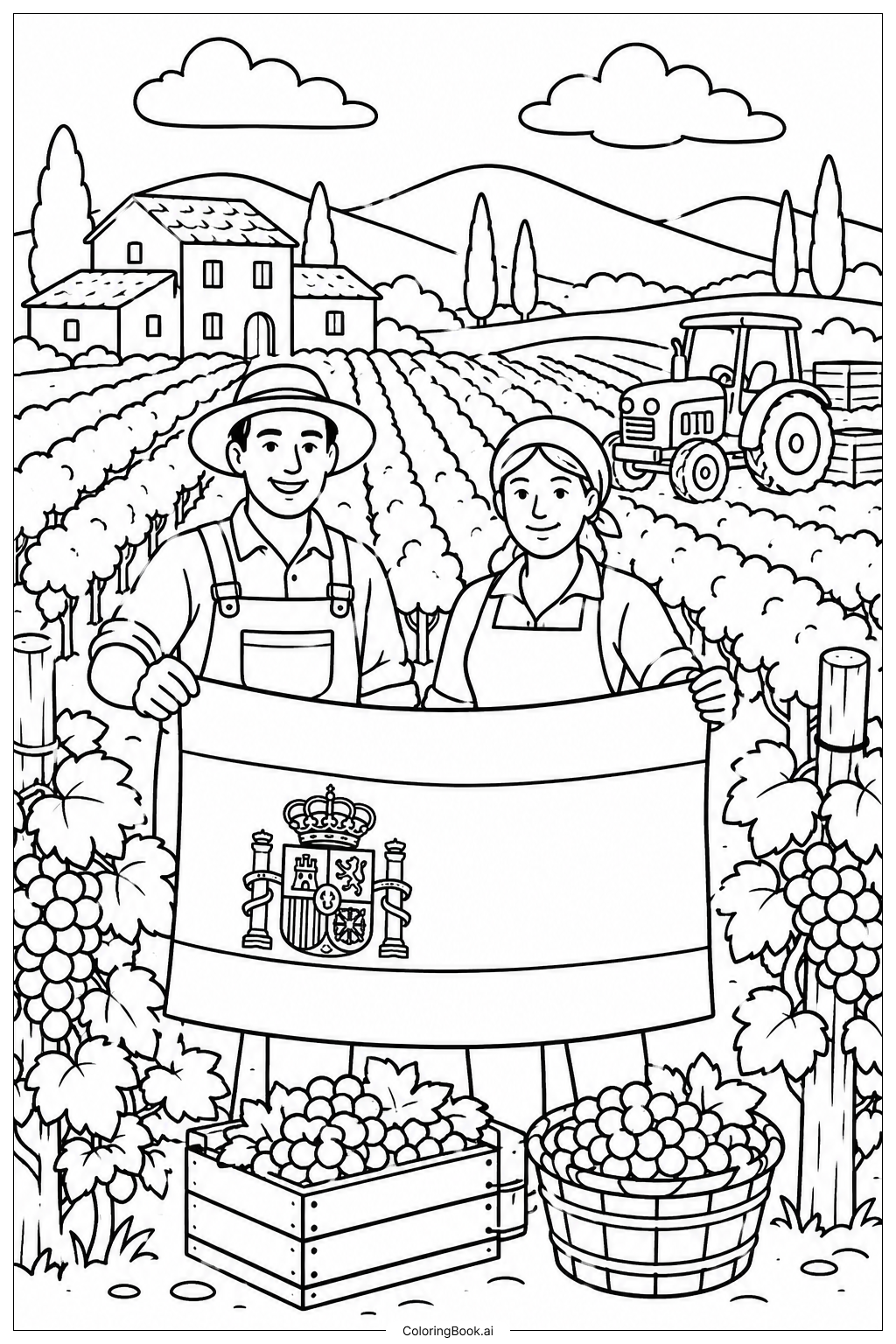
Start with the Spain Flag at the top. Color the top and bottom bands red and the wide middle band yellow. Take your time with the coat of arms in the center — use gold, red, and deep purple for its small details. For the vineyard, use different shades of green for the leaves and vines to make them look full and alive. Color the grapes deep purple or rich burgundy. Try a lighter green for younger grape leaves to add variety. Use warm tan and brown for the dirt path and wooden vine posts. The stone farmhouse looks great in soft gray or sandy beige. Color the sky light blue and add a few white areas for clouds. Warm orange and yellow tones work well on the hills to give a sunny, Spanish afternoon feel. Let kids choose their own colors for the background to make the scene feel personal and fun.
Coloring challenges: Which parts are difficult to color and need attention for Spain Flag Vineyard Scene coloring page?
• Flag Coat of Arms Details: The coat of arms at the center of the Spain Flag contains tiny symbols, including a crown, castle, lion, and pomegranate. These small elements are packed closely together and require a fine-tipped coloring tool to fill accurately. Young children may find it hard to stay within the lines, so adults can help with this section.
• Grapevine Leaf Clusters: The vineyard rows are filled with overlapping leaves and curling tendrils. Each leaf has its own outline and small vein lines inside. Keeping different shades of green separated without colors blending together can be tricky, especially in tight areas where leaves overlap.
• Grape Bunches: Individual grapes are drawn as small circles clustered together. Coloring each grape separately while keeping a consistent tone throughout the bunch takes patience. Adding a small light spot on each grape can create a realistic shiny effect, but this requires steady hands and careful control.
• Background Depth and Distance: The scene includes both a close vineyard and distant hills and a farmhouse. Creating a sense of depth means using darker, richer colors in the front and lighter, softer tones toward the back. Understanding this technique of shading for distance can be challenging for younger colorists.
• Stone Farmhouse Texture: The farmhouse is built with irregular stone blocks of different shapes. Coloring each stone a slightly different shade of gray or beige to mimic real stonework takes time and attention. Using two or three close shades rather than one flat color will make the wall look much more realistic.
Benefits of coloring books: Advantages of drawing Spain Flag Vineyard Scene coloring page
Coloring this Spain Flag Vineyard Scene is a fun and rewarding activity for kids and Adults alike. Working on the Spain Flag teaches children about national symbols and geography in a hands-on way. Filling in the flag's colors and coat of arms builds focus and attention to detail. The vineyard setting encourages creativity as colorists choose from a wide range of greens, purples, and warm earth tones. Switching between different colors and areas of the page helps develop fine motor skills and hand-eye coordination. The variety of textures in this scene — soft leaves, round grapes, rough stones, and smooth flag bands — gives colorists a chance to practice different coloring techniques. Completing a detailed image like this builds patience and a sense of accomplishment. For younger children, working through each section step by step also supports concentration and the ability to follow a creative plan. For older kids and Adults, the scene offers a relaxing, almost meditative experience that can help reduce stress after a long day. Sharing the finished page with family or friends is a great way to spark conversations about Spain, its culture, and its beautiful landscapes.