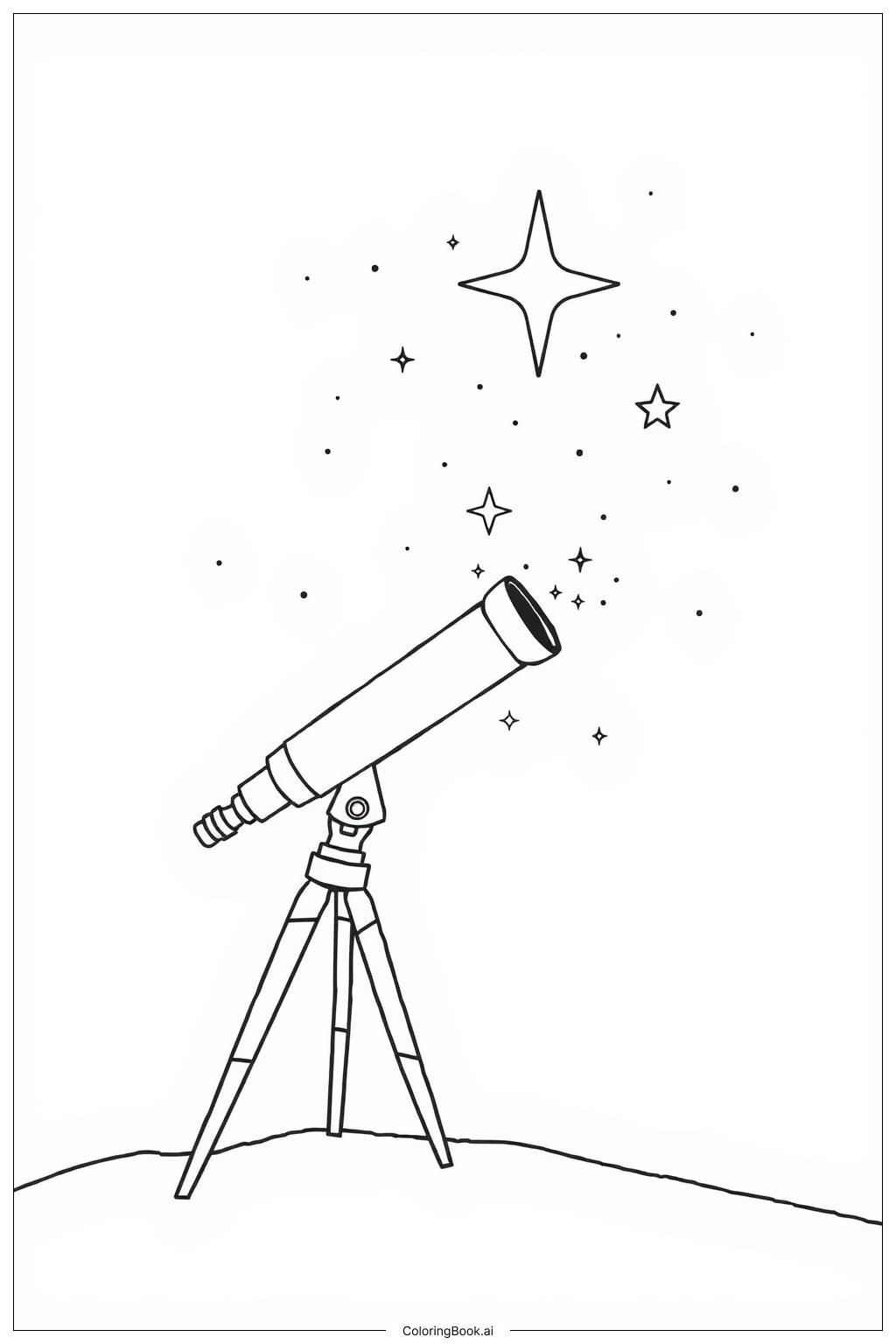
Coloring tips: How to color Space Telescope Observing Stars coloring page well?
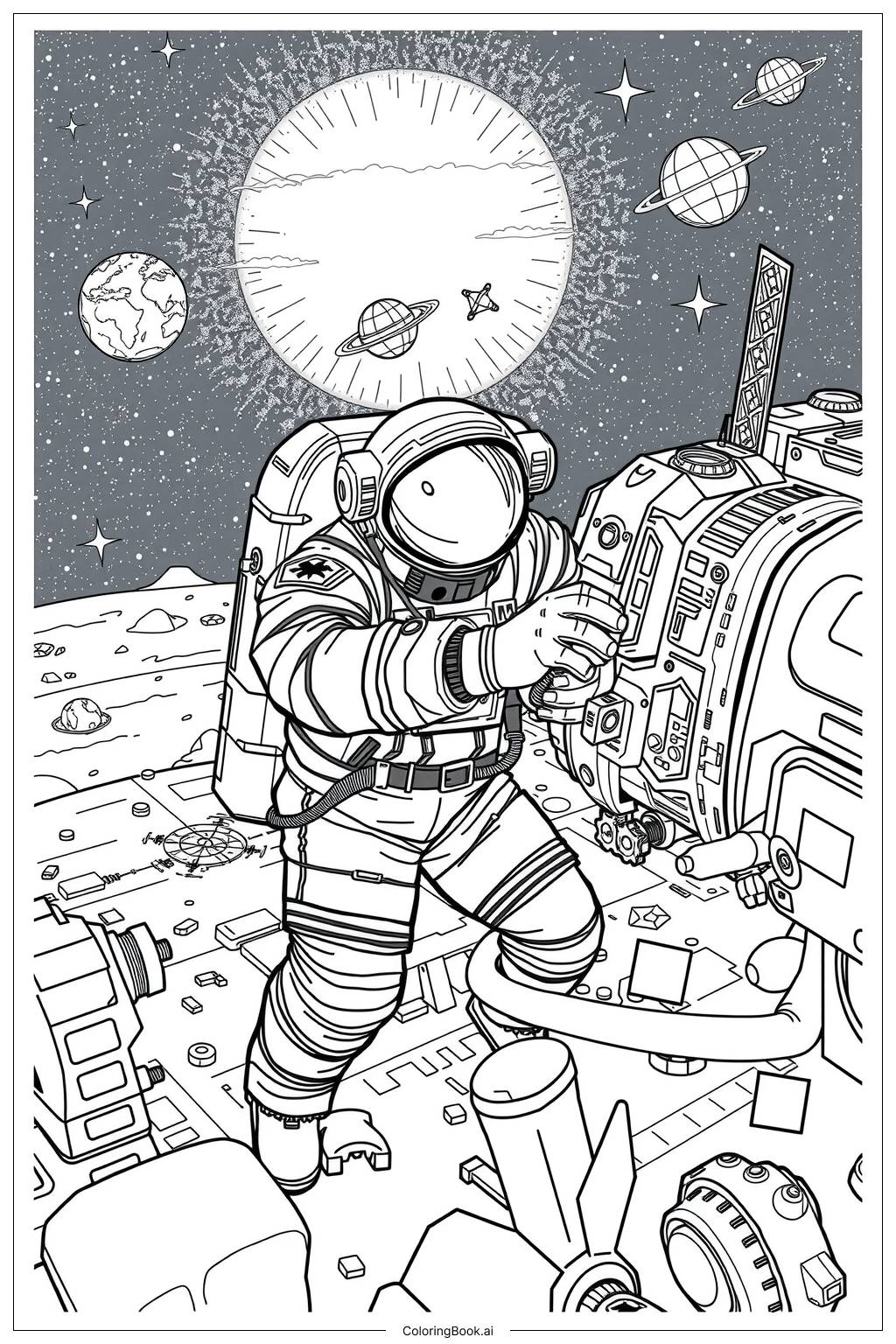
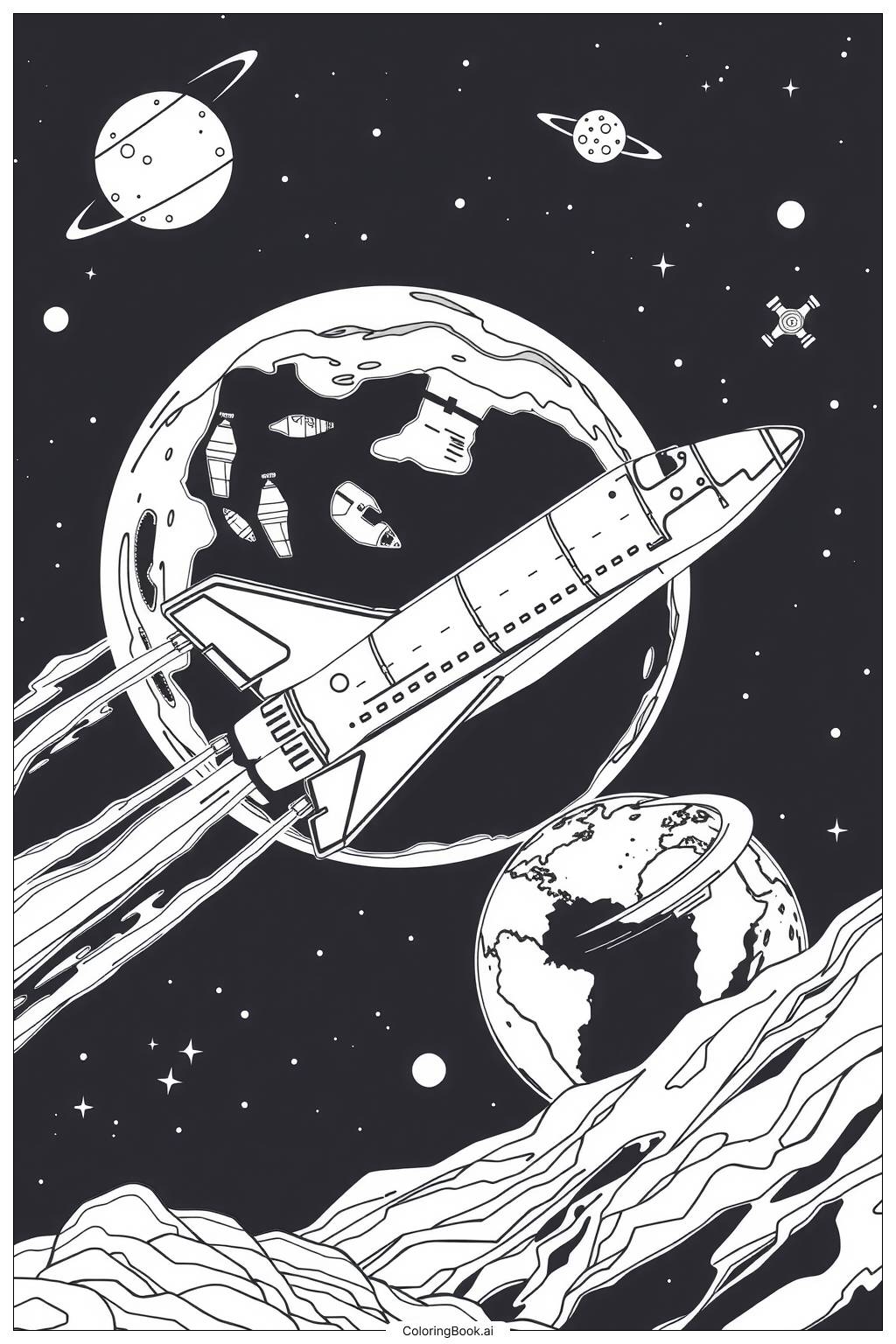
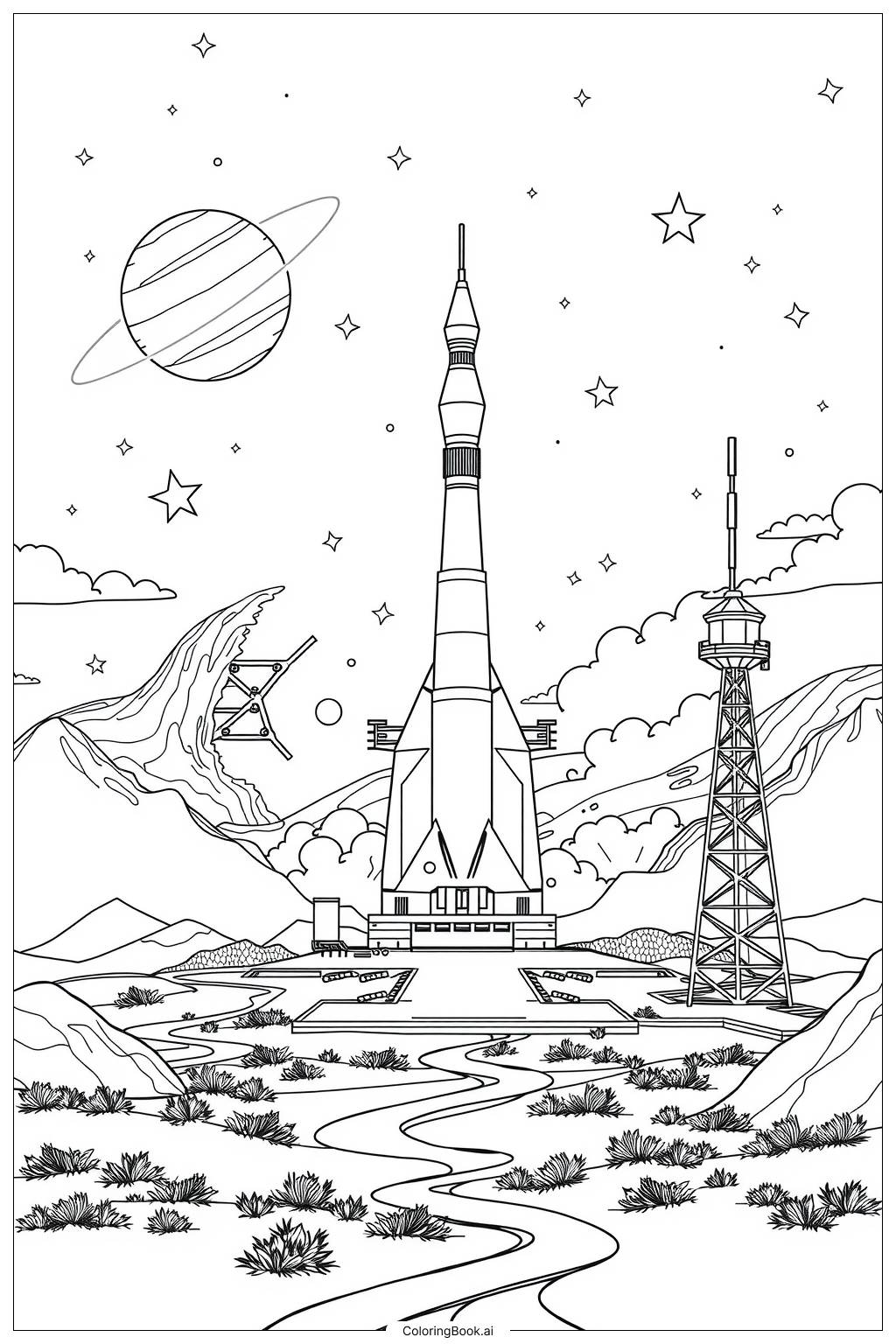
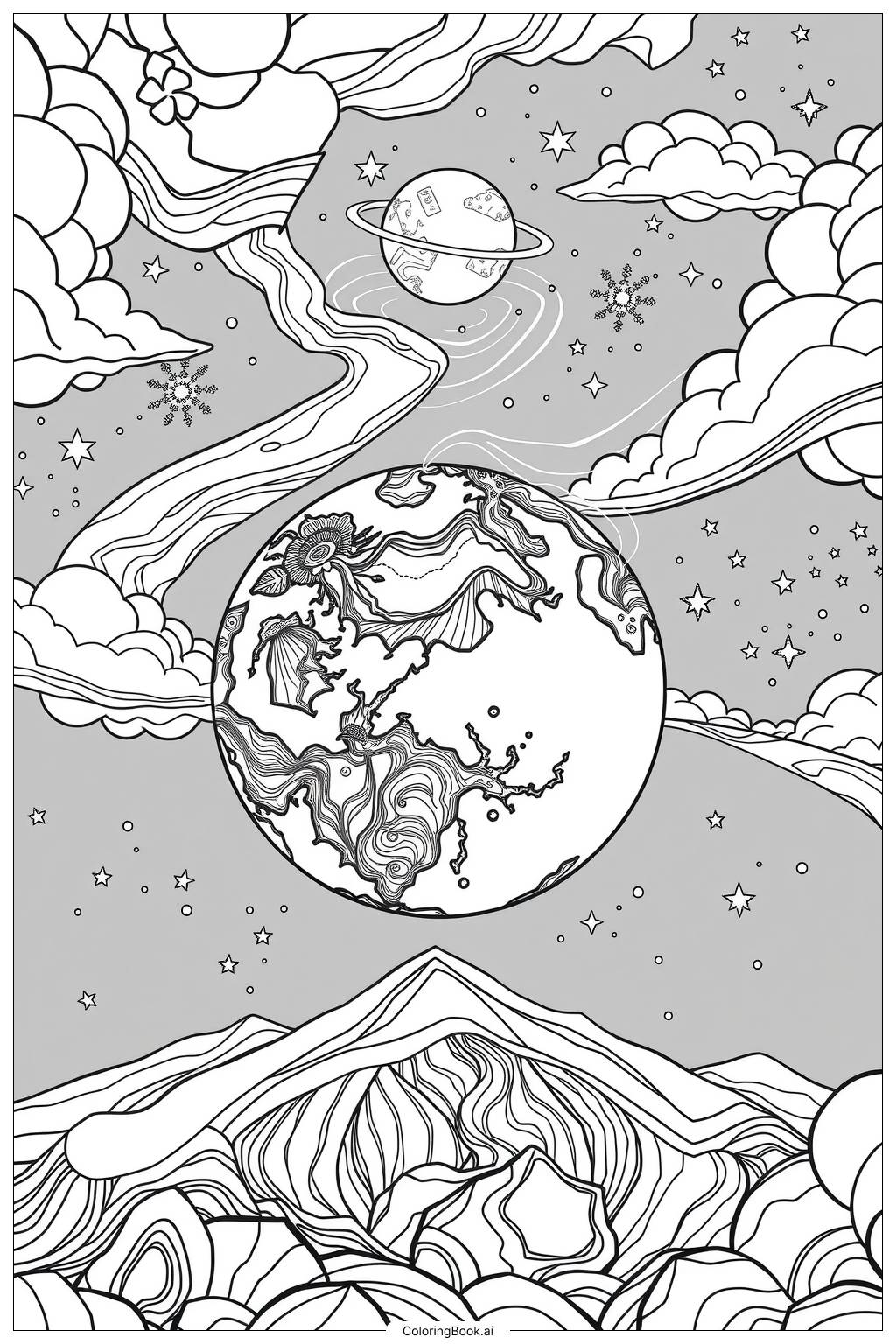
For this image, try using dark blues and black for the deep space background to create a night sky effect. Bright yellow, white, and light blue can be used to color the stars, making them sparkle contrastively. The telescope can be colored in shades of gray and silver to look metallic and realistic, while the solar panels may look vibrant in dark blue or dark purple. You can add soft glows around some stars using light pastel colors to suggest their brightness. Feel free to use silver or glitter pens for highlighting details on the telescope and stars to make your picture stand out.
Coloring challenges: Which parts are difficult to color and need attention for Space Telescope Observing Stars coloring page?
• Small Star Details: The tiny stars and their radiant beams require careful coloring to stay within the lines and keep the stars looking bright and clear. • Telescope Components: The telescope has many parts, like lenses, panels, and dishes, which involve different shades and fine details that can be challenging to color uniformly. • Space Background: Creating a smooth gradient effect for the sky between black, blue, and purple may be tricky but helps bring depth to the scene. • Light Effects: Coloring the glow around stars and shining effects without overpowering the page needs moderate pressure and blending techniques. • Geometric Shapes: The solar panels and telescope frame contain straight edges and angles that benefit from precise coloring to avoid uneven coloring or scribbles.
Benefits of coloring books: Advantages of drawing Space Telescope Observing Stars coloring page
Coloring this space telescope and star scene helps children develop their fine motor skills by practicing controlled movements on detailed parts. It encourages creativity in choosing colors that depict outer space realistically or imaginatively. The image promotes interest in science and astronomy, making learning about space more fun. It also improves concentration as kids focus on coloring intricate equipment and celestial objects carefully. Additionally, blending colors for stars and the background supports understanding of light and shadow effects, enhancing artistic abilities while stimulating curiosity about the universe.